Exchange rates US Dollar Buy 1,564 Sell 1,577 Saudi Riyal Buy 412 Sell 413 Last updated: Currency converter

District in The Valley and Desert · Hadramout Governorate

Sah

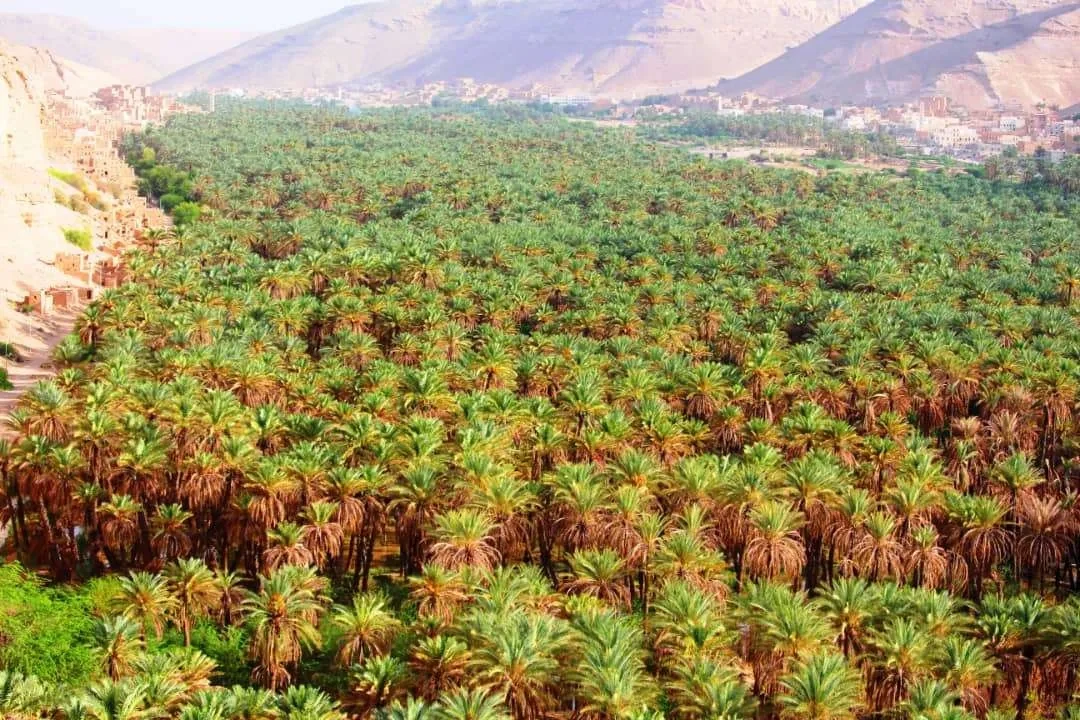
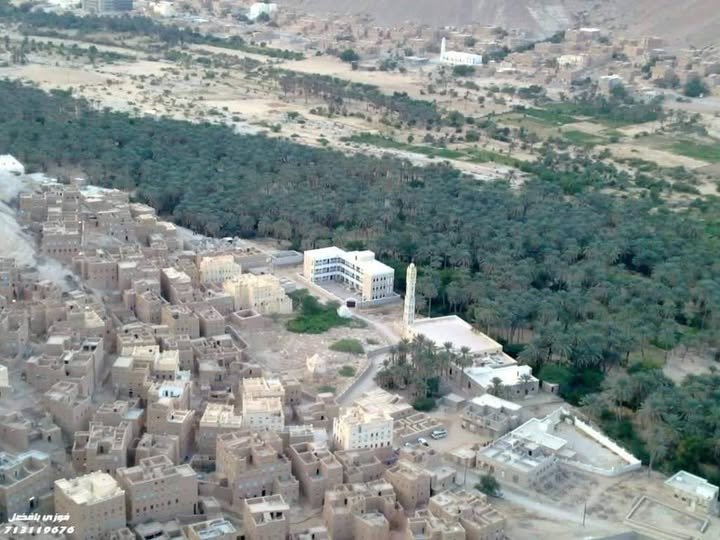
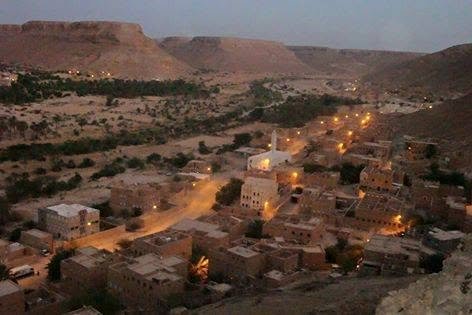
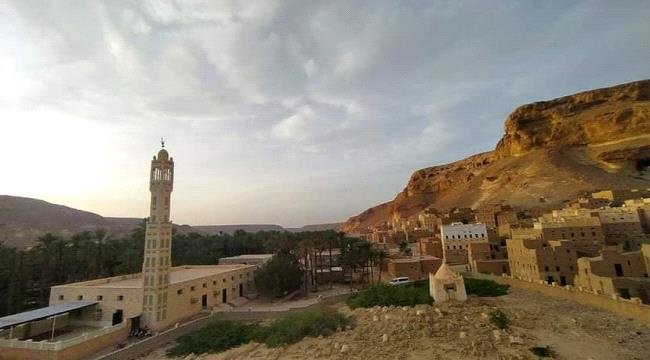
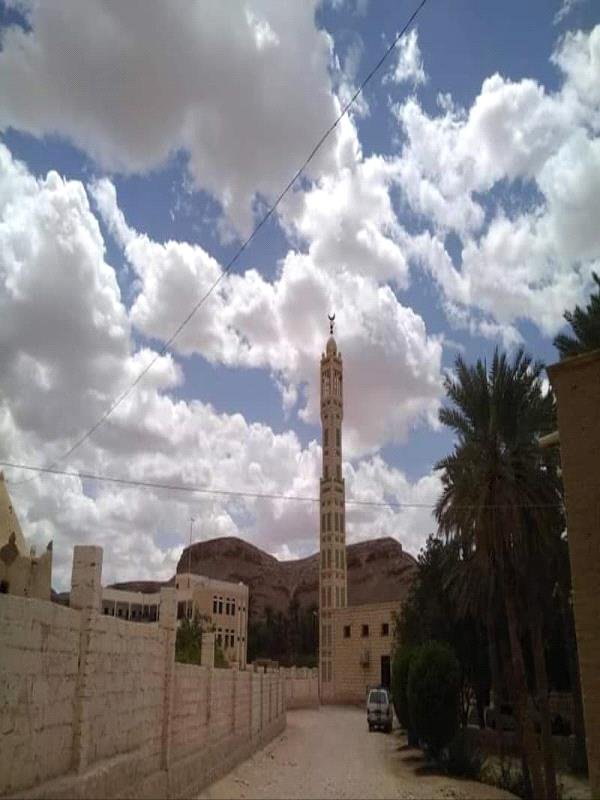
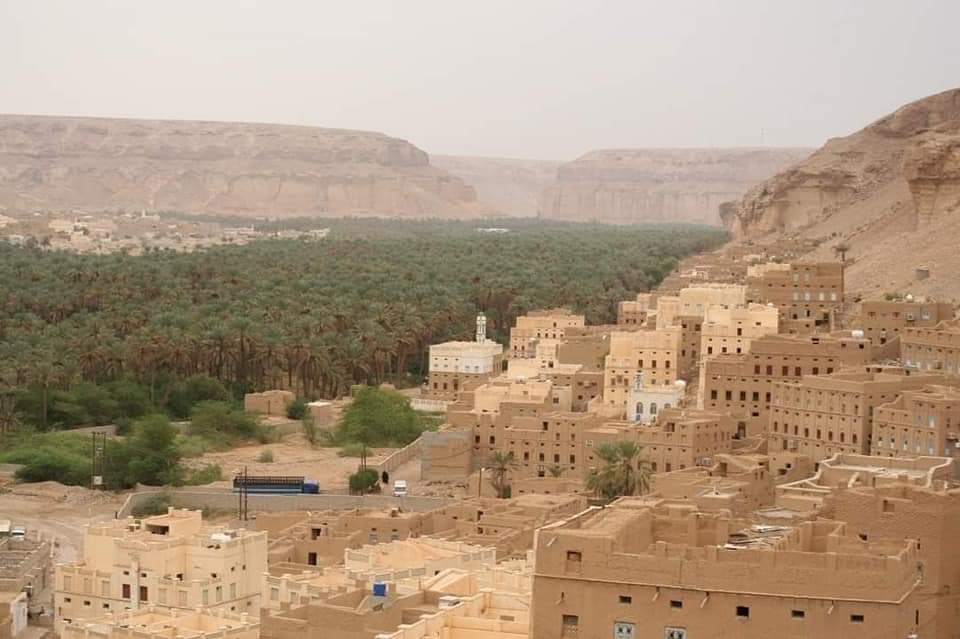
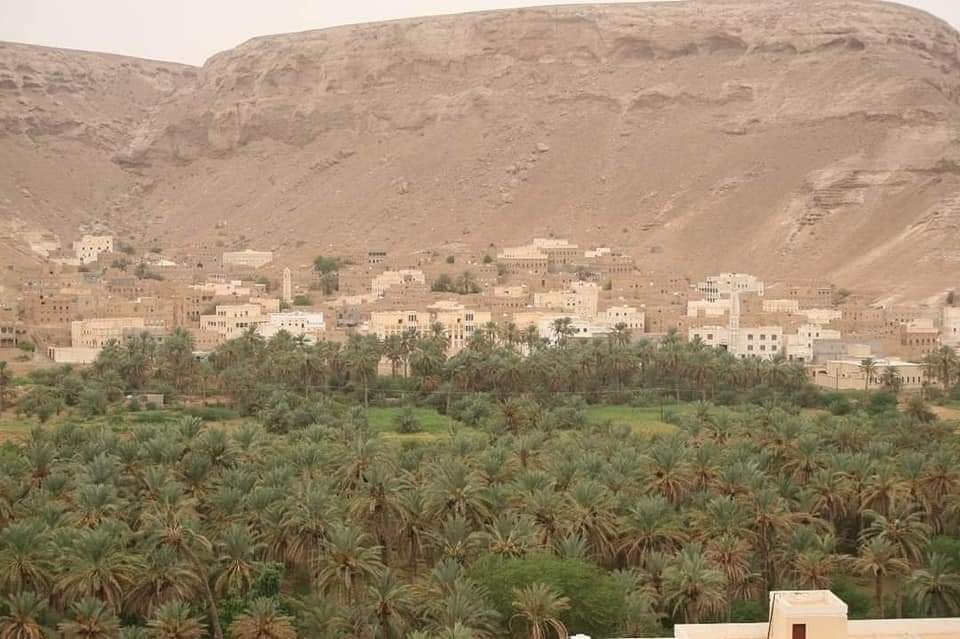
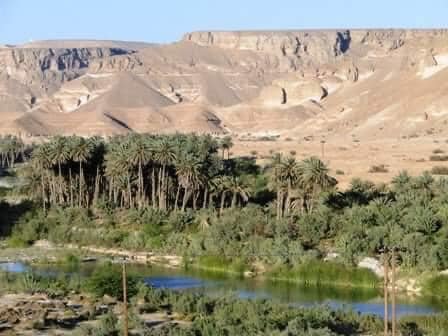
Sah District is one of the districts of Wadi and Desert Hadramout. It is located in the eastern part of the valley, with Sah area serving as its administrative center. The district is known for its agricultural landscape and rural communities, and for its palm farms, date production, and social life linked to agriculture and the wadis, as well as for preserving authentic Hadrami customs and traditions.

Approximate area
2,587 km²
Population
The population was estimated at approximately 24,146 thousand people in 2004.

Known for

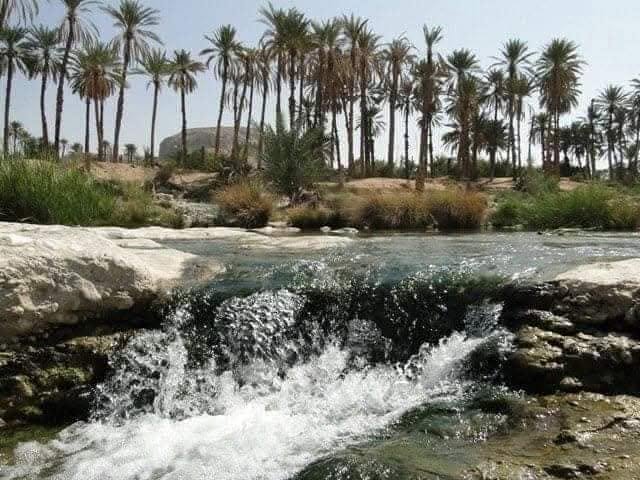
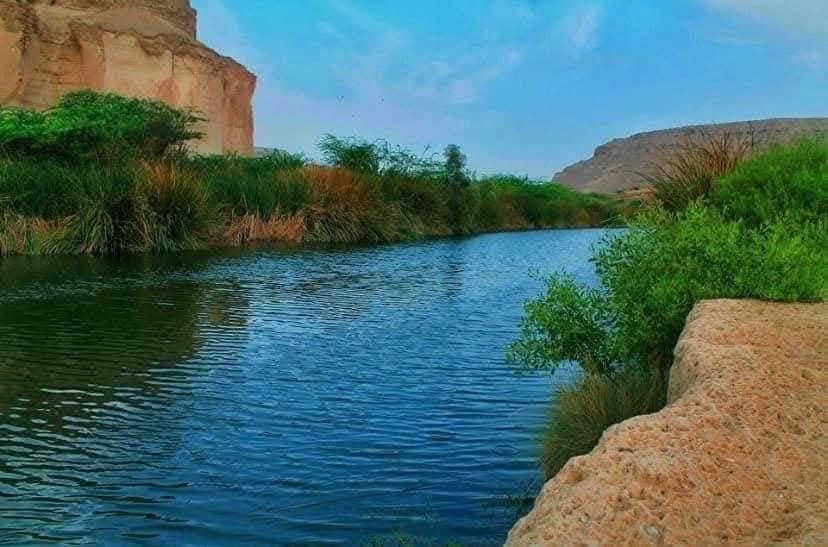
Sah is known for its agricultural oases, palm farms, and water resources in Wadi Adam, as well as its local history and archaeological and natural landmarks.

Location

Sah District is located southeast of Seiyun, within the Wadi Adam area, one of the well-known valleys in Hadramout. Sah is about 75 kilometers from Seiyun.

History

The history of Sah is linked to human settlement in Wadi Adam, where water and agricultural lands helped give rise to ancient population centers, villages, and agricultural and commercial centers along the valley.

Local reports indicate that archaeological remains have been found in the areas of Al-Musayni'ah, Rawk, Rasb, and Al-Bilad. Some are believed to date back to ancient periods, reflecting the area's archaeological importance and the need for field studies to determine the dates of these sites precisely.

Sah in Islamic History

During the Islamic centuries, population centers and scholarly and social centers emerged in the area, and some of its sites became associated with Hadrami scholars and figures.

Among the most notable of these areas is Ghayl Omar. In his book Idam al-Qut fi Dhikr Buldan Hadramout, historian Abdulrahman bin Ubaidullah Al-Saqqaf mentions that Sheikh Omar bin Mohammed Ba Wazir built a house there in 706 AH, after which the population settlement around it expanded.

Historical sources have also discussed the areas of Sah, Rawk, Sakdan, and Ghayl Omar, and the social and tribal relations and political changes they witnessed.

Fortresses and Political Changes

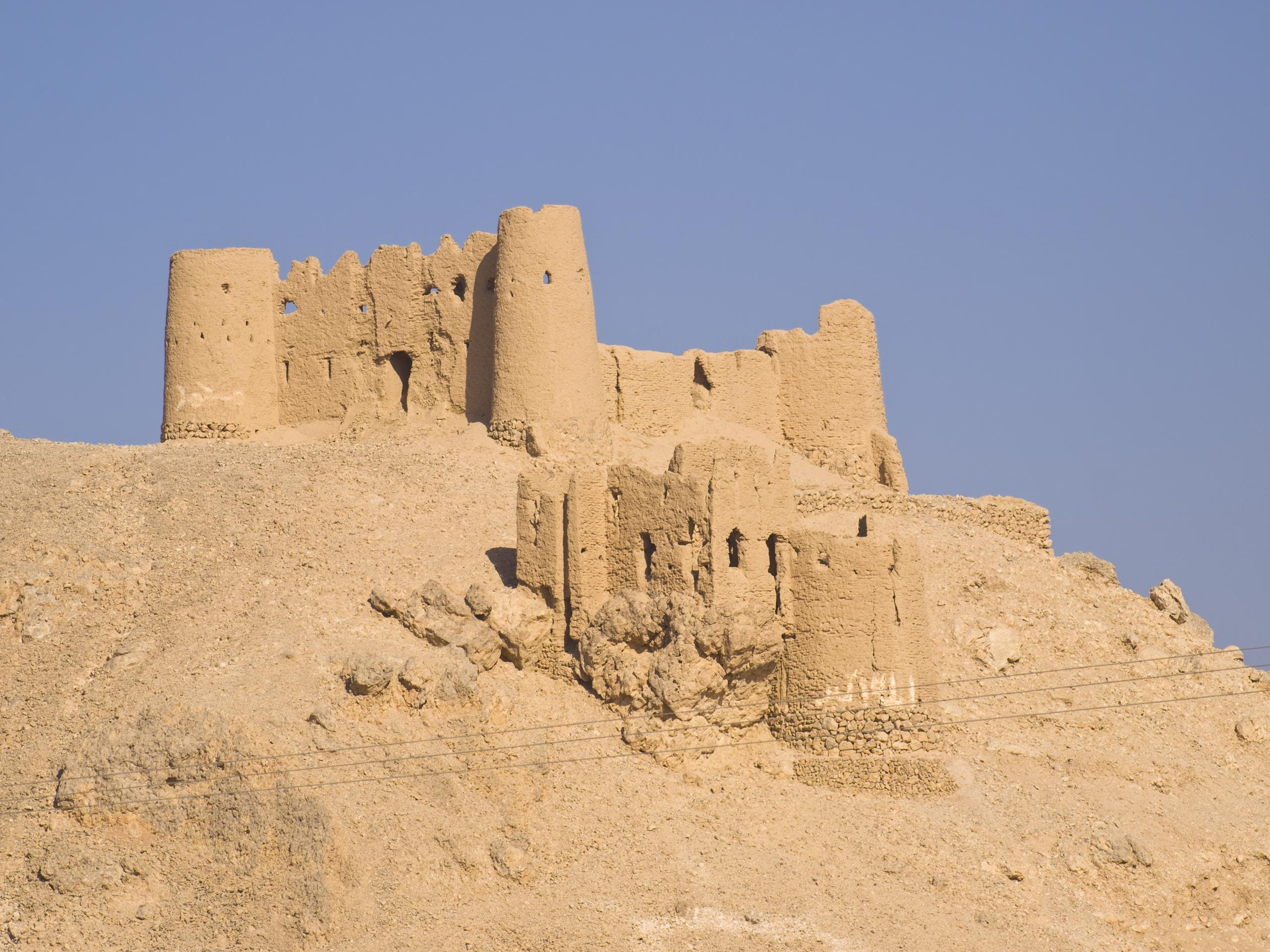
A number of defensive structures were built in Sah to protect population centers and agricultural lands. One of the most prominent was Qarin Al-Dhabi Fortress, overlooking Ghayl Omar, which local reports say was built in 1317 AH.

The fortress was used for surveillance and guarding, and later became associated with a period of Kathiri influence in the area.

In the early twentieth century, Sah also witnessed changes in local power and influence. Historical sources mention events related to conflicts and alliances between local forces and the sultanates that ruled parts of Hadramout.

Sah in the Modern Era

The district has seen an expansion in public services and facilities, while large segments of its population continue to rely on agriculture, trade, and various occupations.

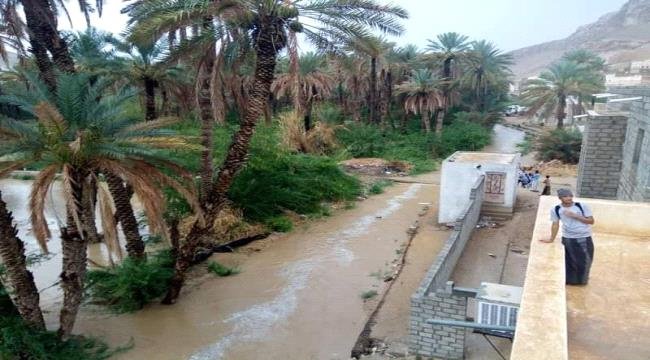
Some areas were also damaged by floods and rain, particularly during the October 2008 disaster, which affected some archaeological sites and local structures.

In recent years, interest has grown in heritage documentation and local tourism development projects, including the establishment of the Sah Heritage and Tourism Village, which contains exhibits and artifacts related to the area's history and culture.

The district today

Culture

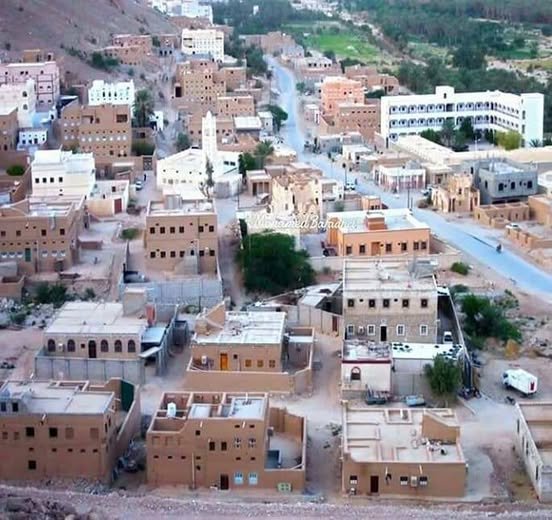
Sah District preserves a rich Hadrami heritage that brings together mud-brick architecture, agricultural crafts, social customs, and folk arts.

Some of its villages are distinguished by traditional homes built of mud and stone, as well as old fortresses, waterwheels, and irrigation channels that reflect residents' expertise in making use of natural resources.

Dan performances and folk chants feature at social occasions, while traditions of hospitality and cooperation among families and farmers form part of the district's cultural identity.

Among the most notable contemporary initiatives to preserve this heritage is the Sah Heritage and Tourism Village, which has pavilions and exhibits documenting aspects of folk life and local history.

People and society

Sah's community is characterized by close family ties, social solidarity, and adherence to Hadrami customs and traditions. Its population centers are spread across agricultural villages and areas along Wadi Adam.

Agriculture plays a role in shaping daily life, with cooperation in irrigation, harvesting, and maintaining waterwheels being closely linked to it.

Religious and social occasions and weddings are also prominent, alongside educational and youth activities and community initiatives that help serve residents and preserve local heritage.

Sah District's economy depends primarily on agriculture, livestock raising, trade, and local services.

The area is known for its palm farms and date production, as well as for growing vegetables, some fruits, and seasonal crops, making use of well water, floodwaters, and traditional irrigation networks.

Sheep and goat raising provides income for some families, while shops, markets, and services related to transportation, construction, and crafts are active in the area.

The district also has potential for nature and heritage tourism, particularly in Ghayl Omar and areas with caves, fortresses, and agricultural sites, offering opportunities to develop small businesses and local tourism activities.

Sah news

No news about this district yet

Files about Sah

File

The Electricity Crisis in Hadramout

This file documents the electricity crisis in Hadramout Governorate, one of the most prominent service-related issues to affect residents’ lives and the stability of economic and commercial activities and public institutions, amid mounting challenges related to generation capacity, fuel supplies, the efficiency of transmission and distribution networks, and maintenance and operations. The file traces the most significant developments in the electricity sector along the coast, in the valley and in the desert areas of Hadramout, including recurring outages, generating plants going offline, public protests, government decisions, local and external interventions, and announced projects to improve the energy system. The file also follows these developments through a documented timeline.
20 events 2018–2026 Last updated 11 hours ago

Events in Sah

News Verified

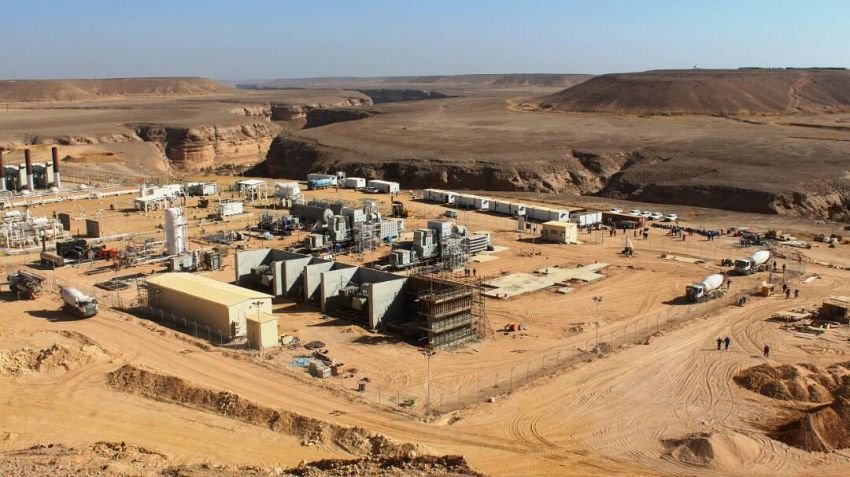
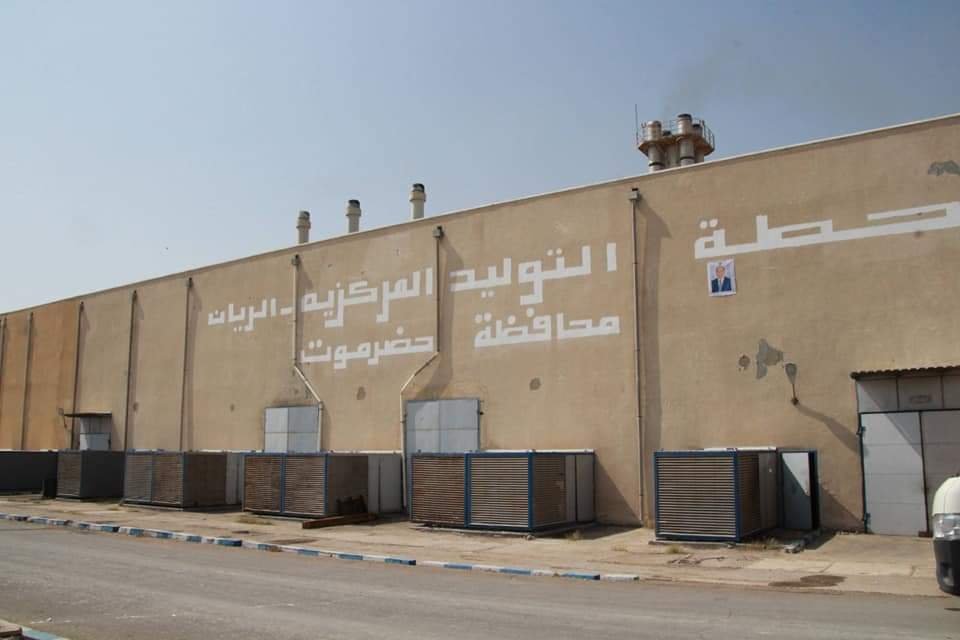
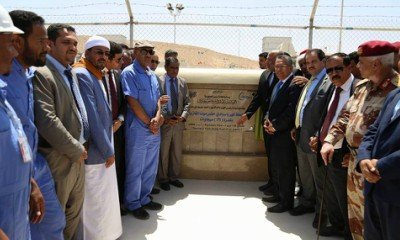
Opening of PetroMasila Gas Power Plant with a Capacity of 75 Megawatts in Wadi Hadramout

Wadi Hadramout saw the opening of the PetroMasila gas power plant, with a designed capacity of 75 megawatts, in a strategic project to reduce the electricity shortfall and improve service in the districts of the valley and desert. The plant uses associated gas from oil production, amid hopes of reducing outages and strengthening the stability of the power system.

Sah 3 photos
Development Verified

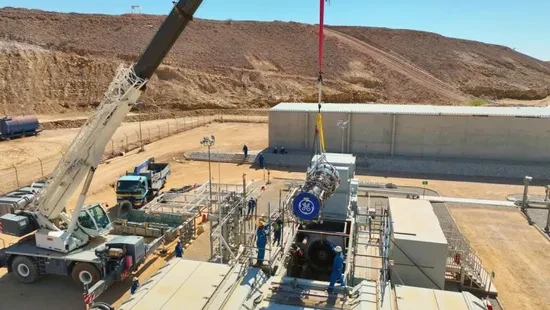
Arrival of the Third Turbine at the PetroMasila Plant Raises Its Target Capacity to 75 Megawatts

The Wadi Hadramout gas-fired power plant project made further progress with the arrival of the third turbine, with a capacity of 25 megawatts, paving the way to complete the expansion and raise the plant’s total capacity to 75 megawatts, as part of efforts to boost electricity generation and improve service stability in the districts of the valley and desert.

Sah

Contact Alhadarmia News Agency

Do you have news, a photo or information from your area? Message us directly at 775925520

Contact us on WhatsApp