Exchange rates US Dollar Buy 1,564 Sell 1,577 Saudi Riyal Buy 412 Sell 413 Last updated: Currency converter
Agency archive

Hadramout Memory

Old photos, documents, historical events, people and stories that keep Hadramout's memory and link it to its present.

Topics from Hadramout's Memory

Mail and Telecommunications in Hadramout: From Caravan Letters to the Telephone and Modern Communication Networks 22 April 1937

Mail and Telecommunications in Hadramout: From Caravan Letters to the Telephone and Modern Communication Networks

Hadramout witnessed successive transformations in its means of communication, beginning with letters carried by travelers, caravans, and sailing ships, then developing with the emergence of post, telegraph, and telephone offices during the twentieth century. These means helped connect the coastal and valley cities with the outside world and facilitate commercial, family, and administrative correspondence, culminating in the spread of digital communications and the internet.
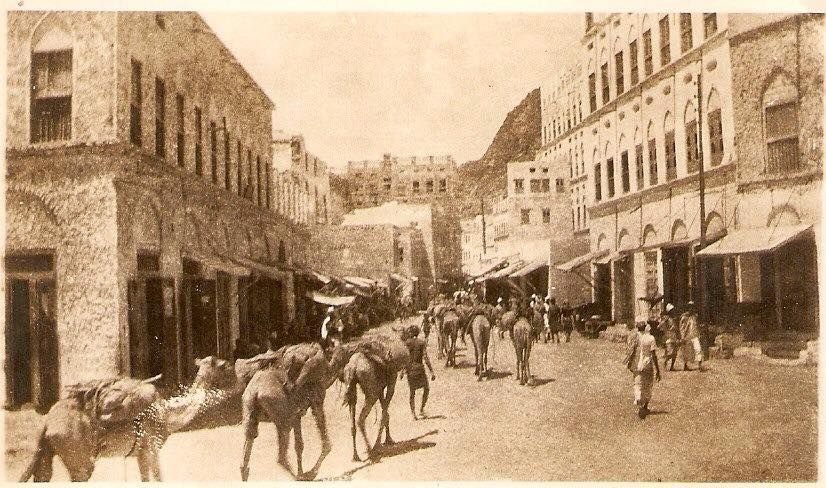
Trade caravans in Hadramout... the story of ancient routes between the coast, the valley and the desert

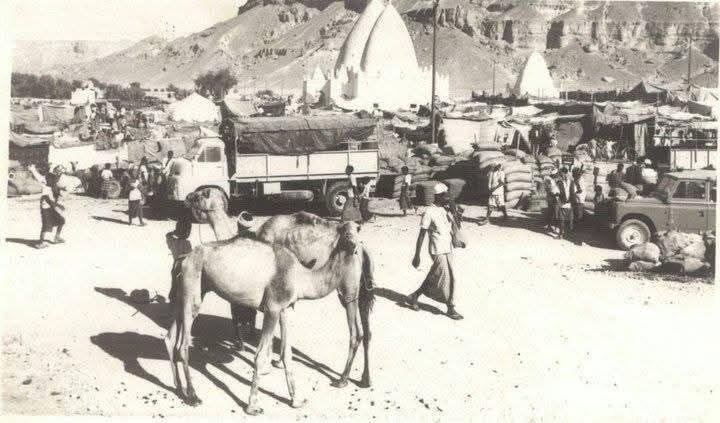
Trade caravans in Hadramout... the story of ancient routes between the coast, the valley and the desert

For centuries, trade caravans formed an economic lifeline linking Hadramout’s coastal cities with the villages of the valley and inland markets, and their routes extended to areas of the Arabian Peninsula. Camels were a principal means of transporting goods and travelers across mountains and deserts. This movement helped markets prosper, products circulate and social ties strengthen, before gradually declining with the spread of cars and the construction of modern roads.

1913

Old Hadrami Journalism: The Story of the First Word, from Manuscript Newspapers to the Printing Era

Journalism emerged in Hadramout in the early 20th century, when manuscript newspapers and magazines appeared covering community affairs, education, reform and culture, before developing into printed publications in Mukalla, Tarim and Seiyun. Journalistic activity reached a notable peak during the 1950s and 1960s, with the emergence of political and cultural newspapers that helped shape public awareness and document historical changes.

Education in Hadramout: From Quranic Schools and Scientific Centers to Modern Formal Schools 1933

Education in Hadramout: From Quranic Schools and Scientific Centers to Modern Formal Schools

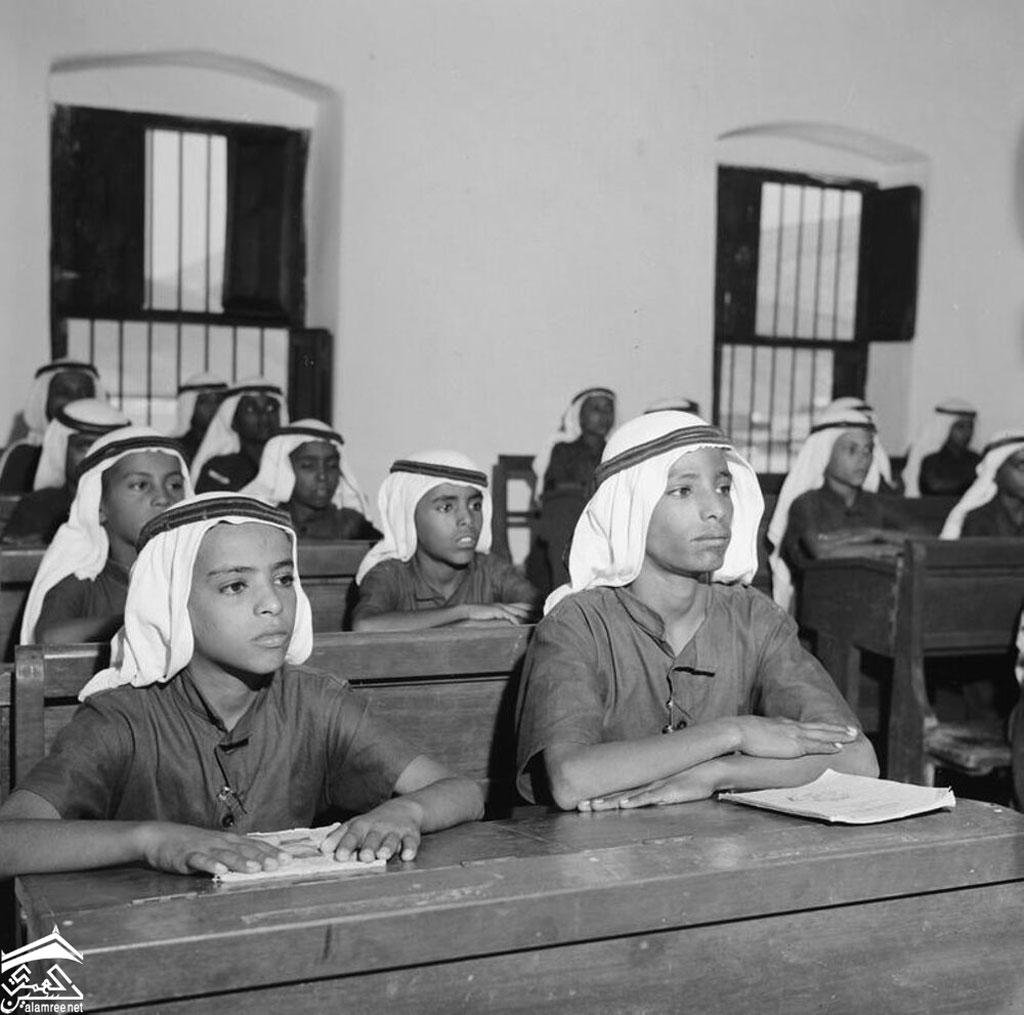
Hadramout witnessed an educational renaissance that extended from Quranic schools, mosque study circles and scientific centers to the establishment of modern formal schools during the twentieth century. Scholars, reformers, civil society associations and local authorities contributed to the development of education. Leading institutions emerged in Tarim, Seiyun, Ghayl Ba Wazir and Mukalla, graduating generations of teachers, intellectuals and administrators who left their mark in Hadramout, Yemen and beyond.

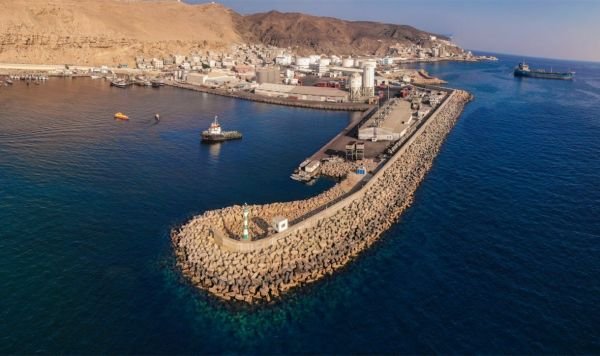
Al Mukalla Port: From Sailing Ships to Hadramout’s Commercial Gateway Through the Centuries January 1985
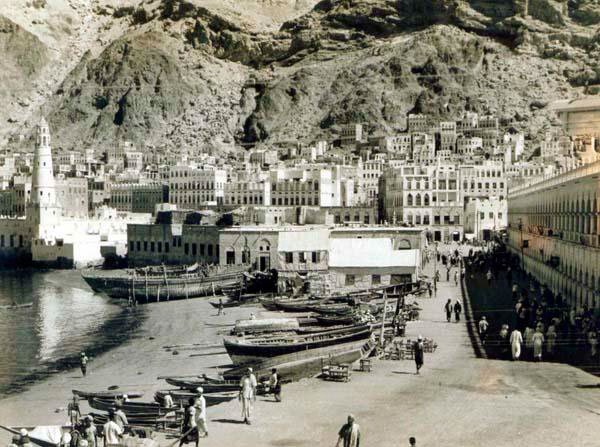
Al Mukalla Port

Al Mukalla Port: From Sailing Ships to Hadramout’s Commercial Gateway Through the Centuries

Al Mukalla Port is one of the most prominent testaments to Hadramout’s maritime and economic history. It developed from a small anchorage for sailing ships into a major commercial port connecting the governorate to the outside world. It went through successive phases of expansion, most notably the construction of the old piers in the early 20th century and the opening of the modern port in the Khalf area in 1985, and continues to play a role in trade and supply movements.

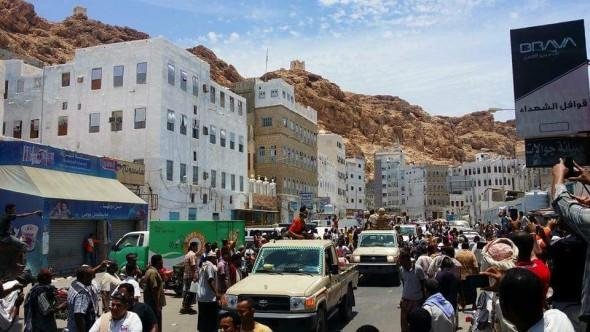
April 24, 2016: The Recapture of Mukalla and the End of a Year Under Al-Qaeda Rule 24 April 2016
Mukalla City, the capital of Hadramout Governorate

April 24, 2016: The Recapture of Mukalla and the End of a Year Under Al-Qaeda Rule

On April 24, 2016, the city of Mukalla witnessed a major security and historical turning point when government forces, led by the Hadrami Elite Forces and backed by the Arab Coalition, regained control of the city and its vital facilities, ending more than a year of Al-Qaeda rule. The event marked the beginning of a new phase of rebuilding security institutions and restoring normal life in the Hadramout coast.

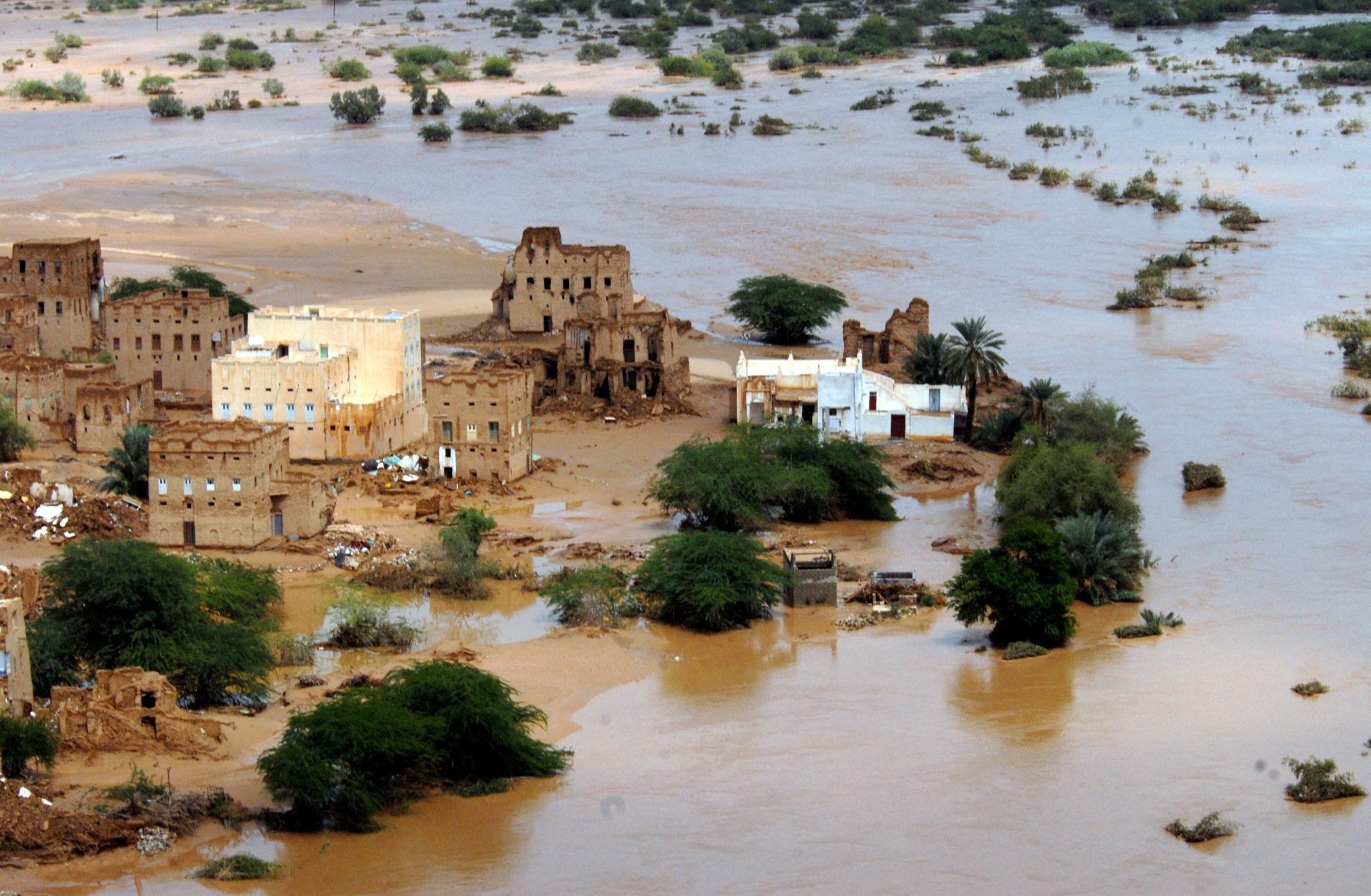
Hadramout Flood Disaster of 2008: Days of Destruction That Changed the Lives of Thousands of Families 24 October 2008
Sah, Tarim, Seiyun, Mukalla, Brum and Shuhayr

Hadramout Flood Disaster of 2008: Days of Destruction That Changed the Lives of Thousands of Families

In late October 2008, Hadramout experienced one of the worst natural disasters in its modern history, after heavy rains and devastating floods destroyed homes, roads, farms and infrastructure, claimed dozens of lives and displaced thousands of residents. The disaster left deep humanitarian and economic impacts, particularly in areas of Wadi Hadramout that suffered widespread damage.

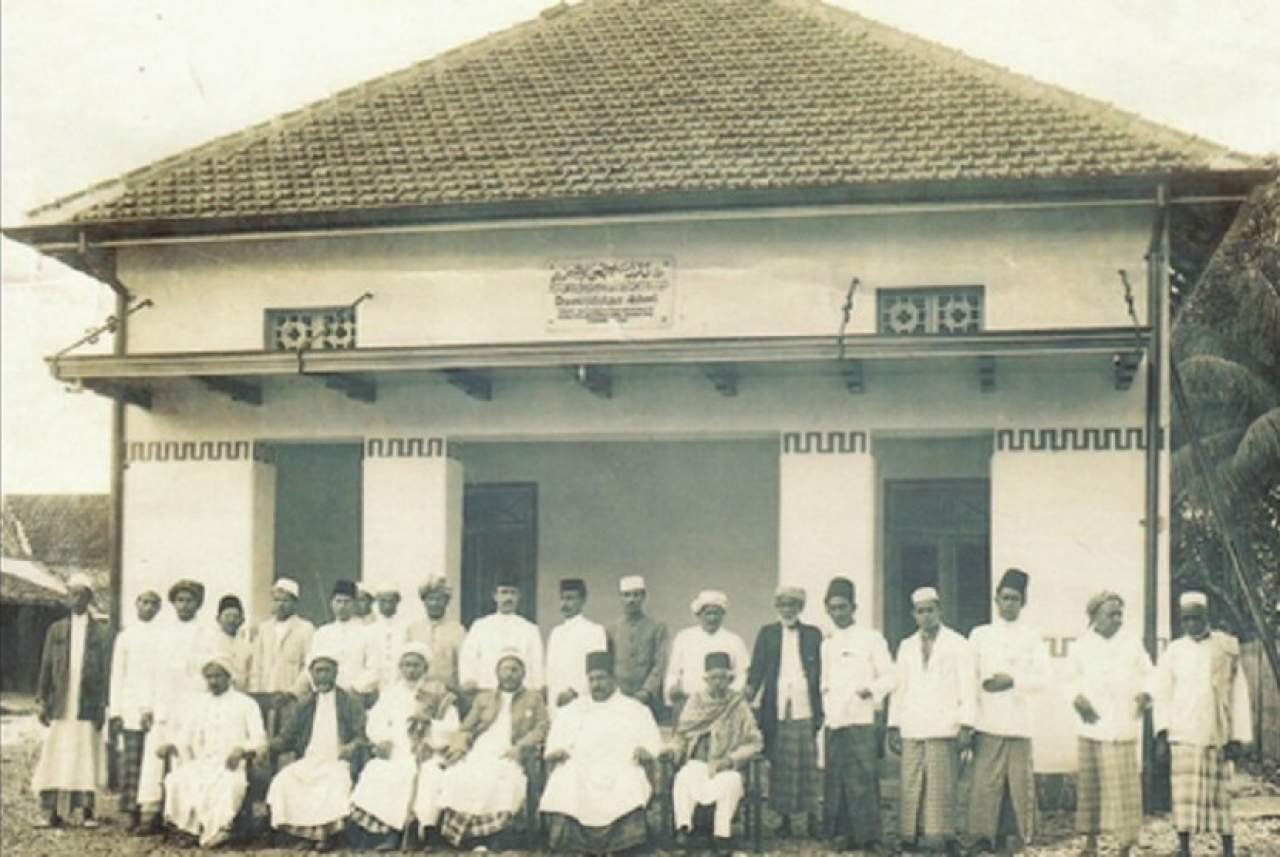
Hadrami Migration to East Asia… A Journey That Forged a Commercial and Cultural Presence Across the Centuries 1848
Indonesia, Malaysia and Singapore

Hadrami Migration to East Asia… A Journey That Forged a Commercial and Cultural Presence Across the Centuries

The migration of Hadramis to Southeast Asia was one of the most significant chapters in Hadramout’s social and economic history. Their journeys crossed the Indian Ocean to Indonesia, Malaysia, Singapore and other areas. Hadrami migrants contributed to trade, education, and religious and social life, and established communities that maintained their ties to Hadramout despite the passing of generations.

Mukalla in the Past: The Story of a City That Forged Its Glory Between the Sea and Trade 1703
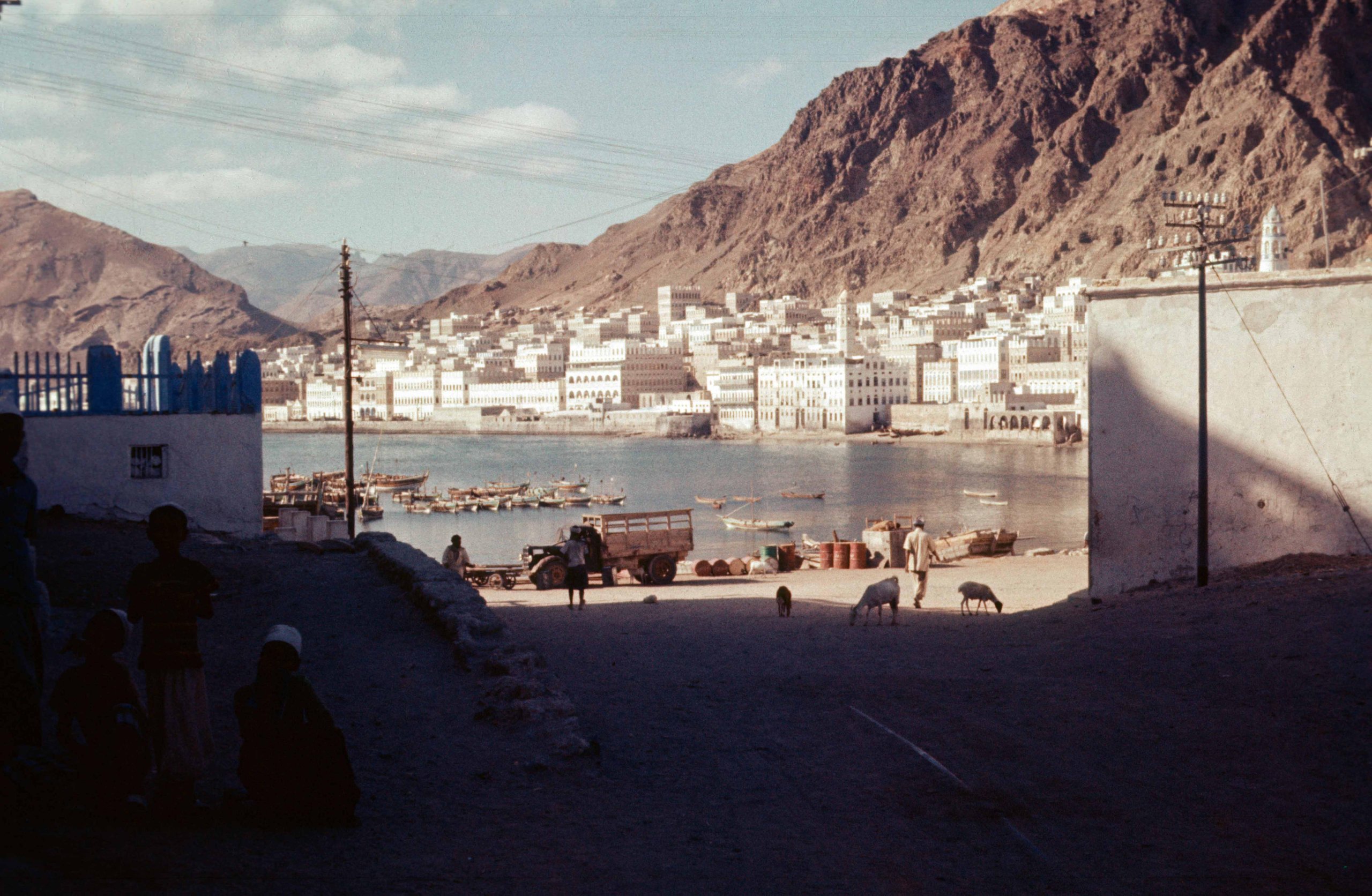
Mukalla

Mukalla in the Past: The Story of a City That Forged Its Glory Between the Sea and Trade

Mukalla, the capital of Hadramout, holds a rich historical memory extending from its old neighborhoods and commercial port to its markets and houses overlooking the sea. Over the centuries, it evolved from a coastal settlement into a prominent political and economic center, undergoing periods of prosperity and urban expansion that left their mark on the city’s identity and its residents’ lives.

September 17, 1967: The End of Sultanate Rule and the Beginning of a New Era in Hadramout 17 September 1967
Mukalla Port, Brum, Hajar bin Daghar, Ghayl Ba Wazir and Shuhayr

September 17, 1967: The End of Sultanate Rule and the Beginning of a New Era in Hadramout

On September 17, 1967, Hadramout underwent a pivotal political transformation, as Qaiti Sultanate rule collapsed and power passed to forces associated with the National Front, amid the changes that preceded the independence of South Yemen. The event marked the end of a long historical era and the beginning of a new political and administrative system that changed the nature of governance in Hadramout.

Hadramout under the Qaitid and Kathiri Sultanates: A History of Rule and Political Transformations 17 September 1967
Mukalla, Al-Shihr, Seiyun and Tarim

Hadramout under the Qaitid and Kathiri Sultanates: A History of Rule and Political Transformations

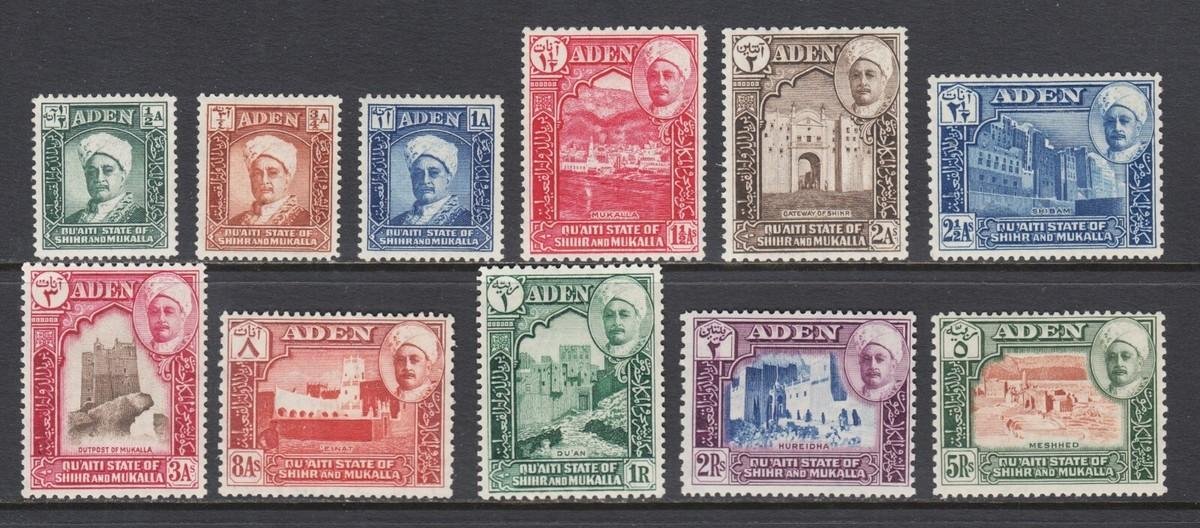
Hadramout witnessed centuries of political transformations, during which the Kathiri State and then the Qaitid Sultanate emerged, sharing influence across the valley and coastal areas. They helped shape administration, trade and political relations before sultanic rule ended in 1967, and Hadramout entered a new phase within the independent state in South Yemen.

Historical events

Announcement Verified

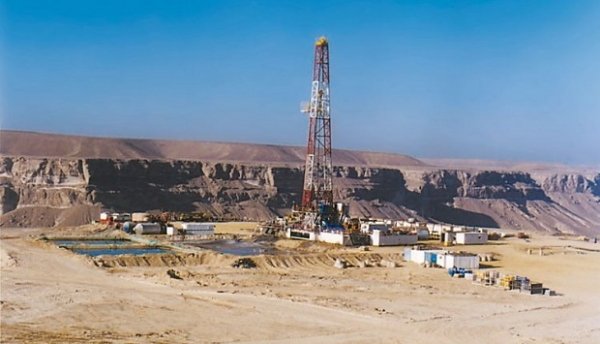
Commercial Oil Discovery in the Masila Basin in 1991 Opens a New Chapter in Hadramout’s Economy

The announcement of a commercial oil discovery in Block (14) in Hadramout Governorate on December 18, 1991, marked a major turning point in the history of the governorate’s oil industry, after Canadian Occidental and its partners successfully explored and evaluated the Sunah, Hajiya, and Kamel fields. The announcement paved the way for a shift from exploration and drilling to developing production facilities and laying a pipeline toward the coast of Al-Shihr, culminating in the export of the first shipment of Masila crude in August 1993, making Hadramout one of Yemen’s most important oil-producing centers.

Development Verified

Export of the First Shipment of Masila Oil in 1993 Marks the Start of Commercial Production in Hadramout

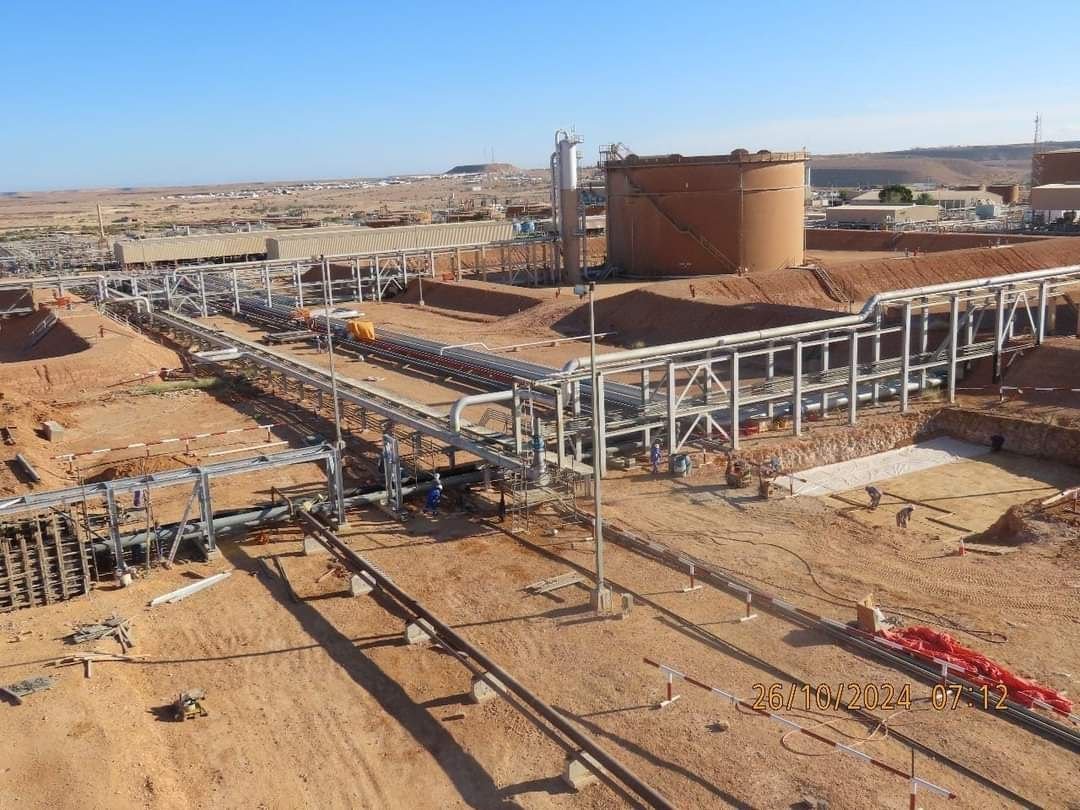
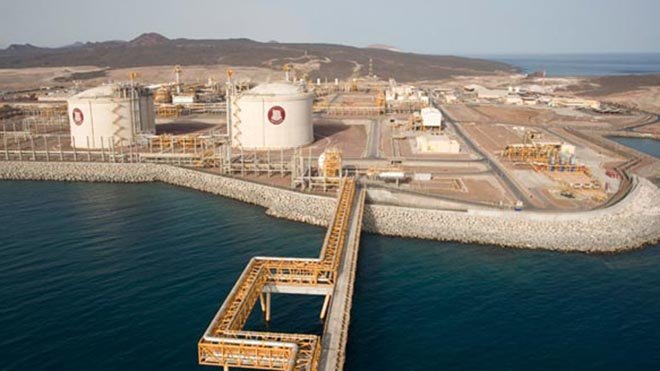
Hadramout witnessed a major economic milestone on August 5, 1993, with the export of the first shipment of crude oil produced in Masila Block No. (14) through the Al-Shihr oil terminal on the Arabian Sea coast, nearly two years after the commercial viability of the Suna, Hajiya and Kamal fields was announced. The event marked the actual transition from exploration and field development to production and export, following the construction of crude oil processing facilities, a pipeline and a marine loading terminal. Hadramout thus entered a new phase as a major center of Yemen’s oil industry.

Ash Shihr
Development Verified

Transfer of Operations at Block 14 to the National PetroMasila Company in 2011 Ends Era of Canadian Management

Block 14, the Al-Masila oil block in Hadramout Governorate, underwent a historic transition in December 2011, when responsibility for its operations passed from Canadian company Nexen to the national PetroMasila Company, following the expiry of the production-sharing agreement that governed the foreign company’s work in the block. The transfer marked the beginning of a new phase of national management of one of Yemen’s most prominent oil fields, nearly 18 years after production and exports began in 1993. The transition came as the country was experiencing widespread political and security unrest, placing the national company under the responsibility of maintaining production, operating oil facilities and developing local expertise.

Crisis Verified

War halts Hadramout oil exports in 2015 and ushers in a period of economic turmoil

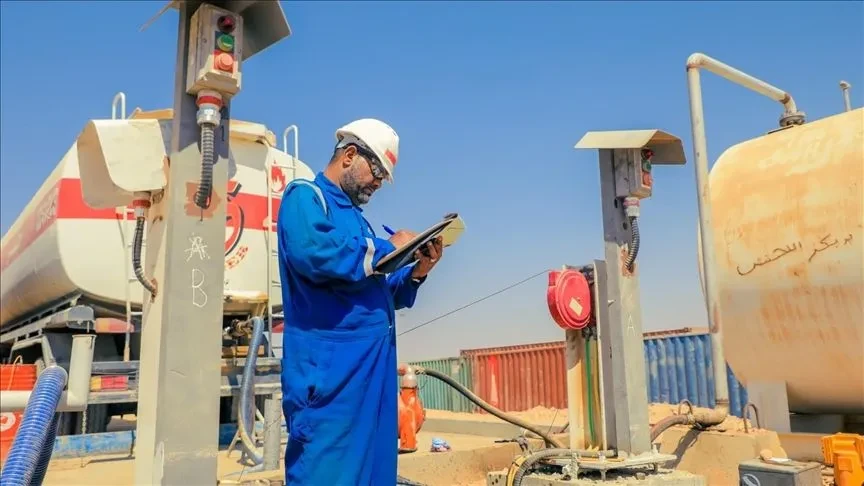
Hadramout’s oil sector experienced widespread disruptions in 2015, leading to a halt in crude oil exports through Al-Dhabba Port, amid the escalation of the war in Yemen and the deterioration of security and economic conditions. The suspension of exports affected production, transportation and storage operations, and reduced the flow of oil revenues to the state, while operating companies faced mounting challenges in safeguarding facilities and technical personnel. This development marked the beginning of a new period of instability in a sector that had represented one of the country’s leading sources of national income.

People

Contact Alhadarmia News Agency

Do you have news, a photo or information from your area? Message us directly at 775925520

Contact us on WhatsApp