Historic Al-Ghuwayzi Fort
Al-Ghuwayzi Fort is one of the most prominent historical and archaeological landmarks in Mukalla City, Hadramout Governorate, and a testament to the development of defensive architecture on the Hadrami coast. The fort was built in the early eighteenth century AD, with its construction attributed to 1716, on a rocky elevation at the eastern entrance to the city, with the aim of monitoring the roads leading to it and strengthening its protection. It is distinguished by its traditional architectural design, towers and defensive openings, which reflect the skill of Hadrami builders in constructing fortified structures. The fort remains a symbol of Mukalla’s architectural and historical heritage and one of the most prominent testaments to its civilizational identity.
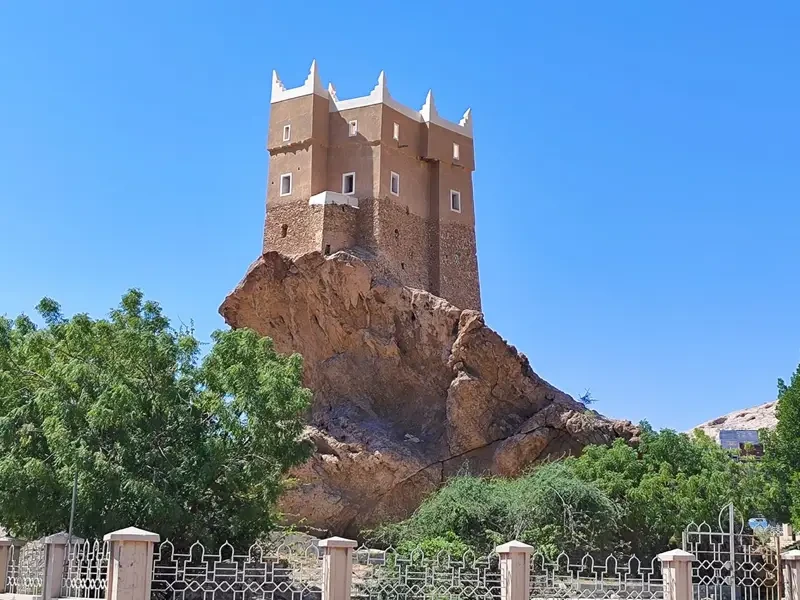
Al-Ghuwayzi Fort: A Testament to Mukalla’s History and Defensive Architecture
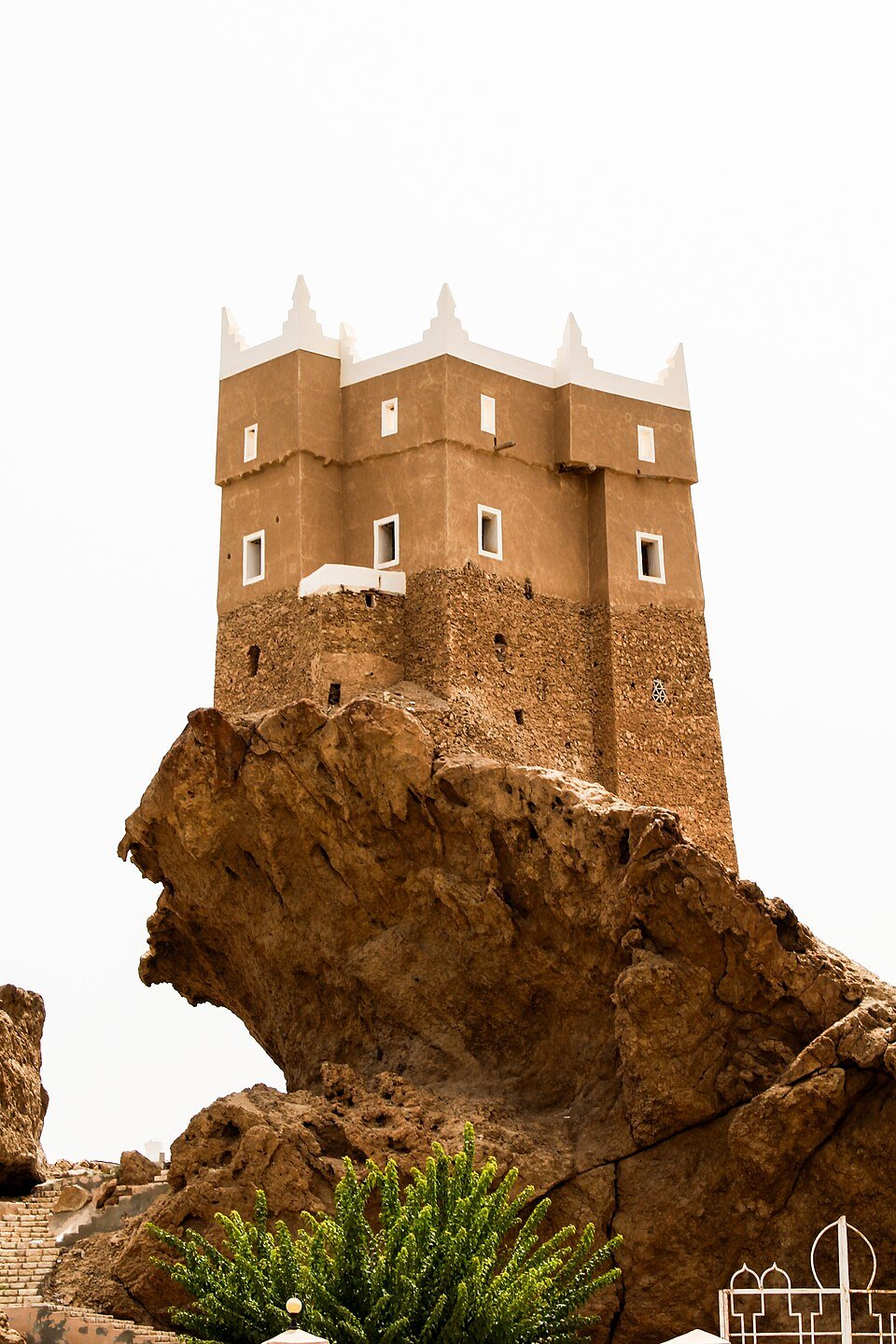
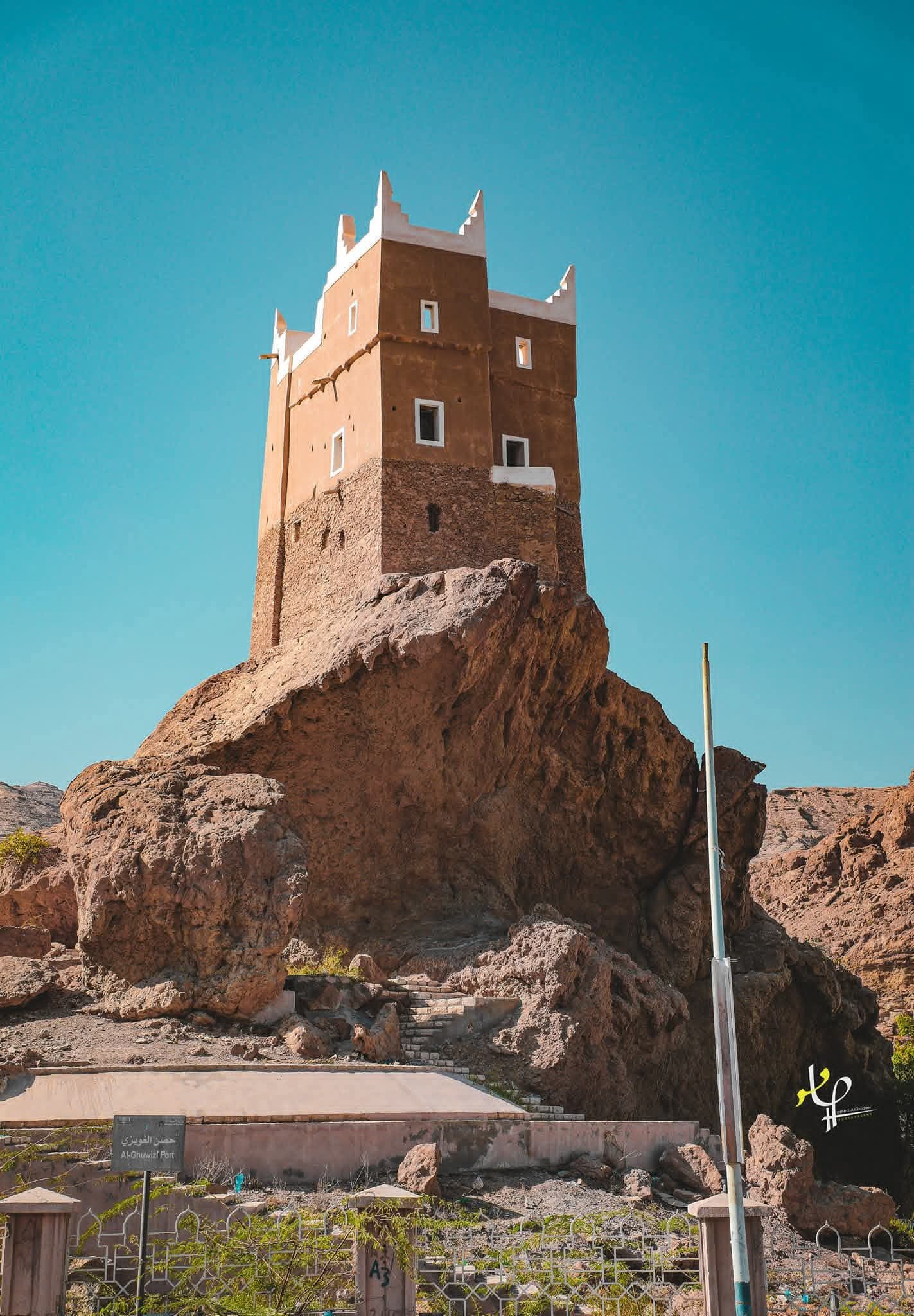
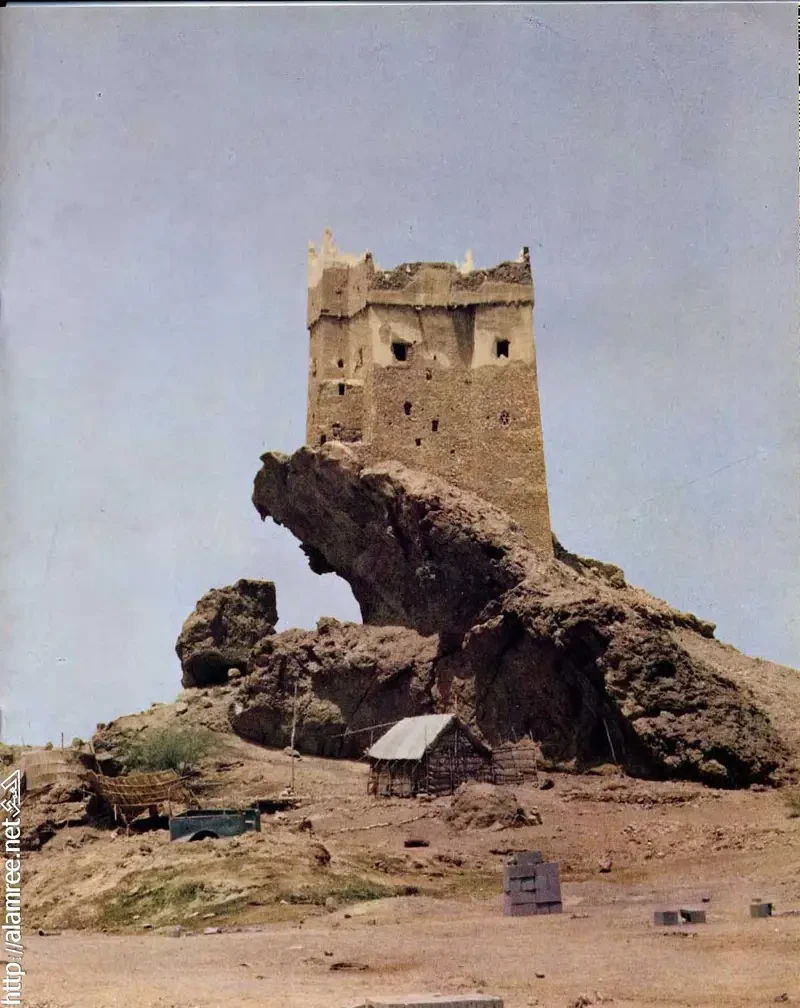
At the eastern entrance to Mukalla City, the capital of Hadramout Governorate, Al-Ghuwayzi Fort stands atop a rocky elevation, in an architectural scene that combines the solidity of traditional fortifications with the beauty of Hadrami construction, making it one of the most prominent archaeological landmarks associated with the city’s history and urban and political development.
The fort bears witness to a historical period in which areas of the Hadrami coast saw an interest in building defensive structures and securing the roads and entrances leading to population centers and commercial hubs.
Geographical Location and Strategic Importance
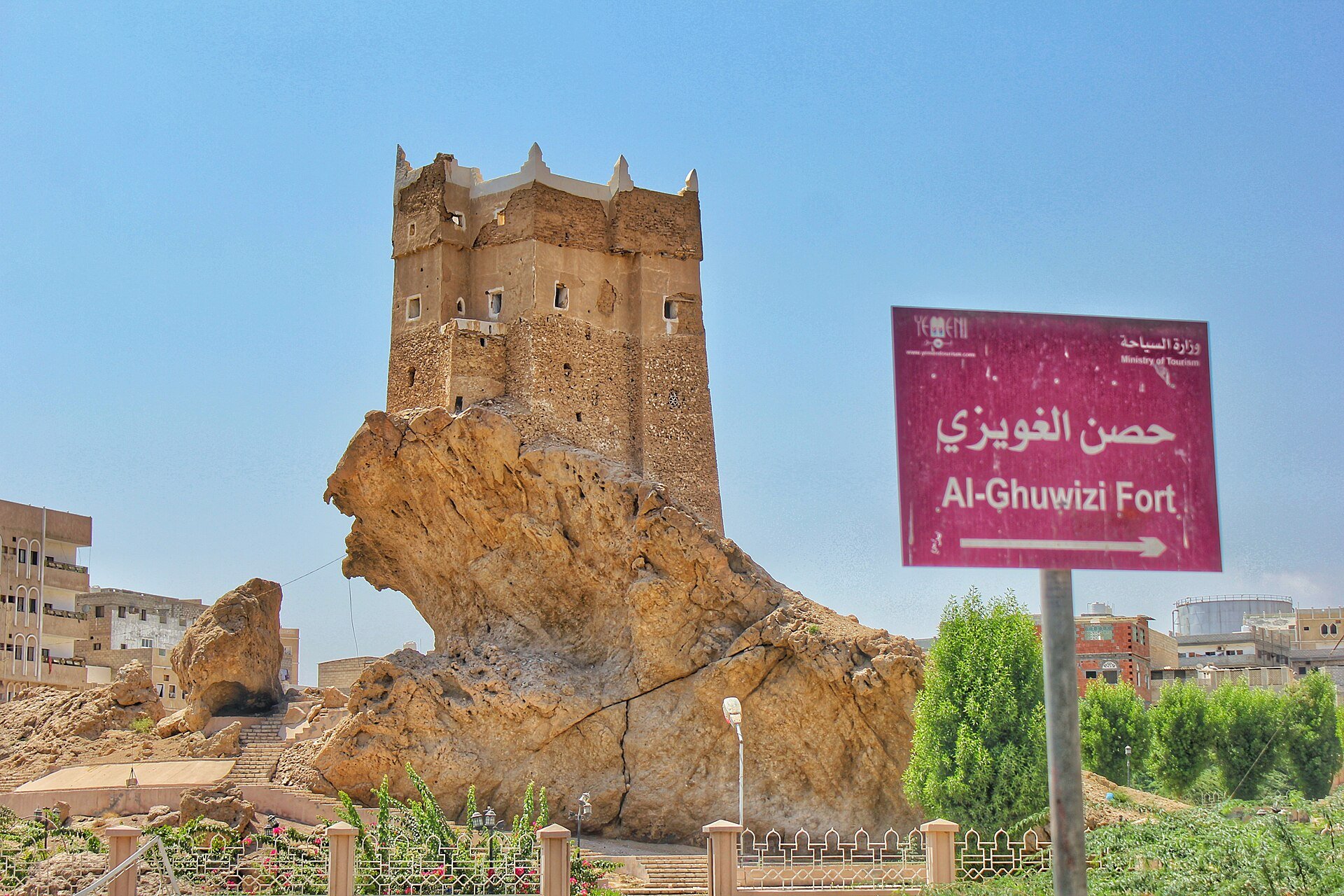
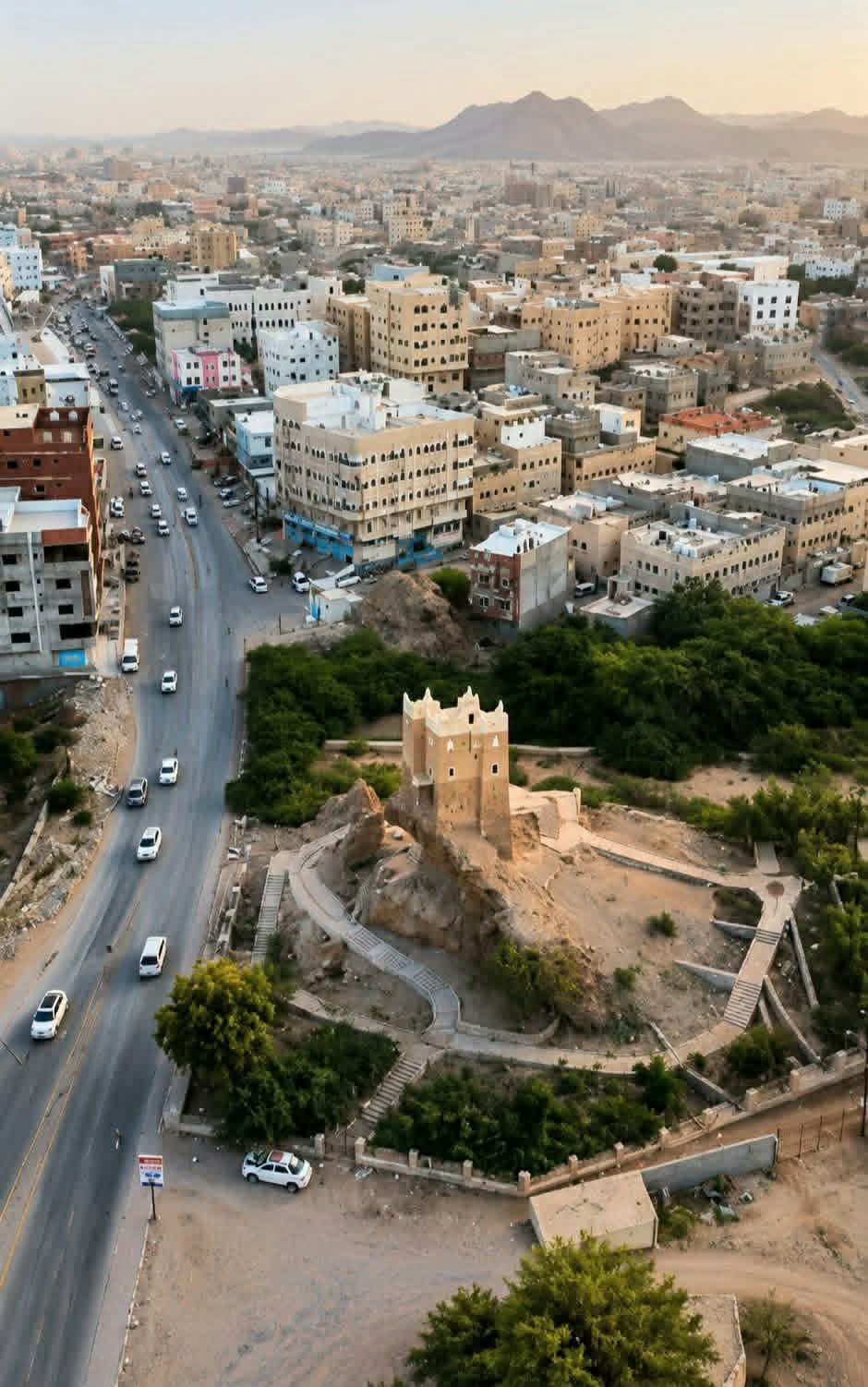
Al-Ghuwayzi Fort is located in the Al-Ghuwayzi area at the eastern entrance to Mukalla City, atop a rocky outcrop that rises relatively high above the surrounding ground.
This location gave the fort strategic importance, as it enabled the monitoring of overland roads leading to the city and provided a view of traffic coming from the eastern and inland areas toward Mukalla.
Its natural elevation also helped strengthen its defensive function, as the rocky rise formed part of the protection system, alongside the walls, towers and openings intended for observation.
The choice of this location reflects the builders’ understanding of the importance of natural terrain in constructing fortifications and using it to reduce weak points and broaden the field of vision.
Origins and Historical Background
The origins of Al-Ghuwayzi Fort are attributed to 1716, during a period in the history of the Hadrami coast that preceded the establishment of the Qu'aiti State in the nineteenth century.
The fort was built as part of a system of fortifications used to protect inhabited areas and vital roads, amid the political changes and competition for influence and control over commercial centers that the region was experiencing.
As Mukalla developed and grew in economic and administrative importance, the fort retained its place as one of the defensive structures associated with the city’s entrances.
The region underwent successive political and urban changes in the following centuries, while the fort remained a physical testament to the historical periods through which Mukalla passed.
Architectural Features and Defensive Design
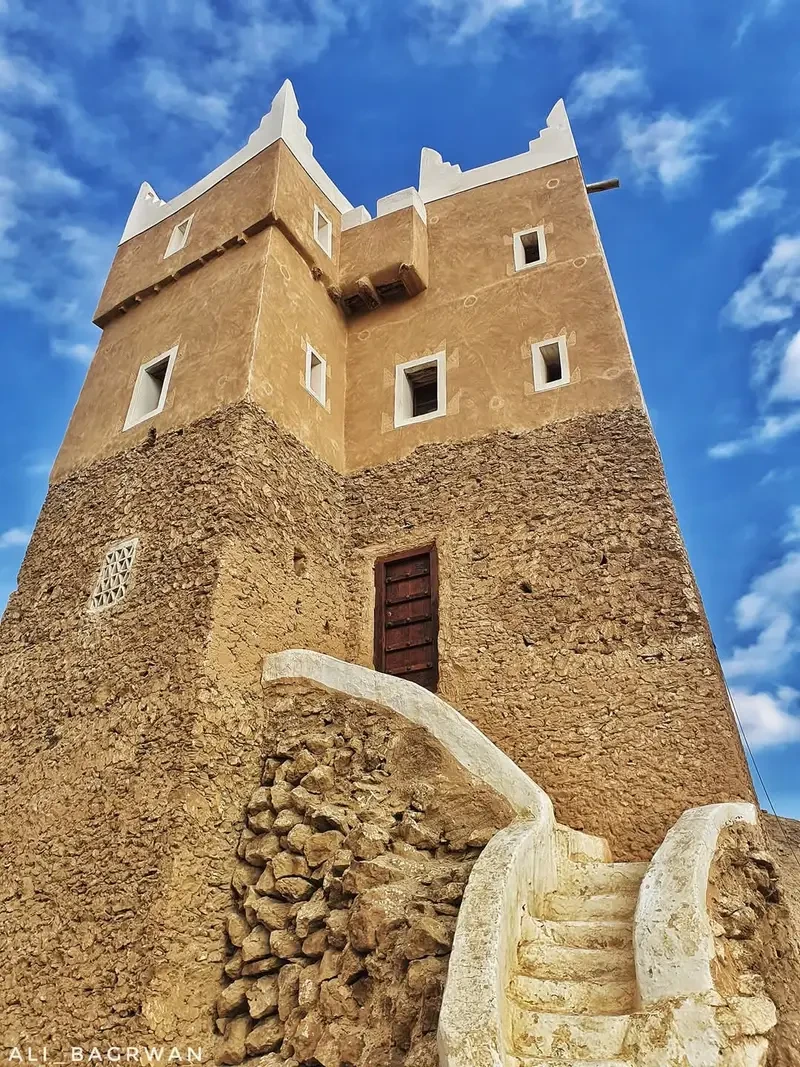
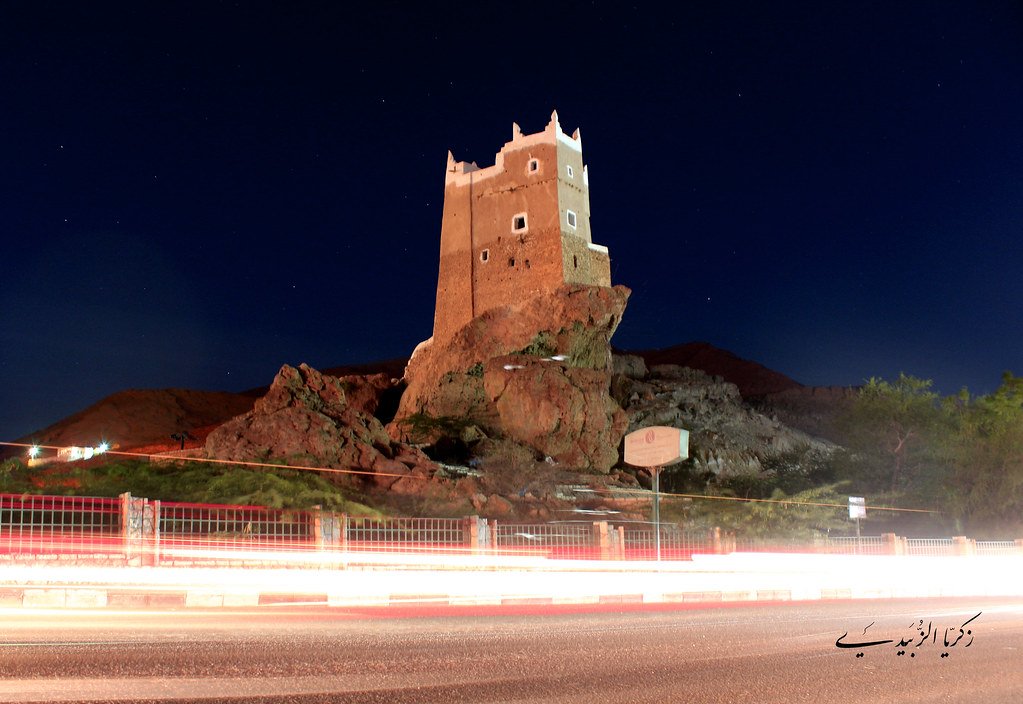
Al-Ghuwayzi Fort is distinguished by its stepped architectural form atop a natural rocky base and its thick walls, built using traditional local construction materials, foremost among them stone, clay and plaster cladding materials.
The building consists of two main levels, with rooms and facilities distributed across them that were associated with observation and guard duties, as well as small openings in the exterior walls designed to provide visibility and protection.
The fort’s defensive architectural elements include upper balconies, narrow openings and raised barriers, reflecting its military use in the past.
Its exterior façades are also characterized by a simple, harmonious style, without excessive ornamentation, in keeping with its primary function as a structure for fortification and surveillance.
The contrast between the light-colored walls and the dark rocky base gives the fort a distinctive visual appearance, making it one of the best-known historical scenes associated with Mukalla City.
Military and Defensive Function
Al-Ghuwayzi Fort’s primary function was associated with monitoring movements approaching Mukalla from the east and strengthening the ability to protect the overland entrances leading to it.
Its elevated location helped provide guards with a wider field of vision, while the defensive openings enabled them to monitor activity outside the fort from relatively protected positions.
These features reflect the nature of traditional fortifications built in strategic locations, where natural terrain was used in combination with architectural structures capable of performing security functions.
There is not enough historical evidence to identify all the military events the fort witnessed, but its design and location highlight its role in the city’s defensive history.
The Fort and Urban Changes in Mukalla
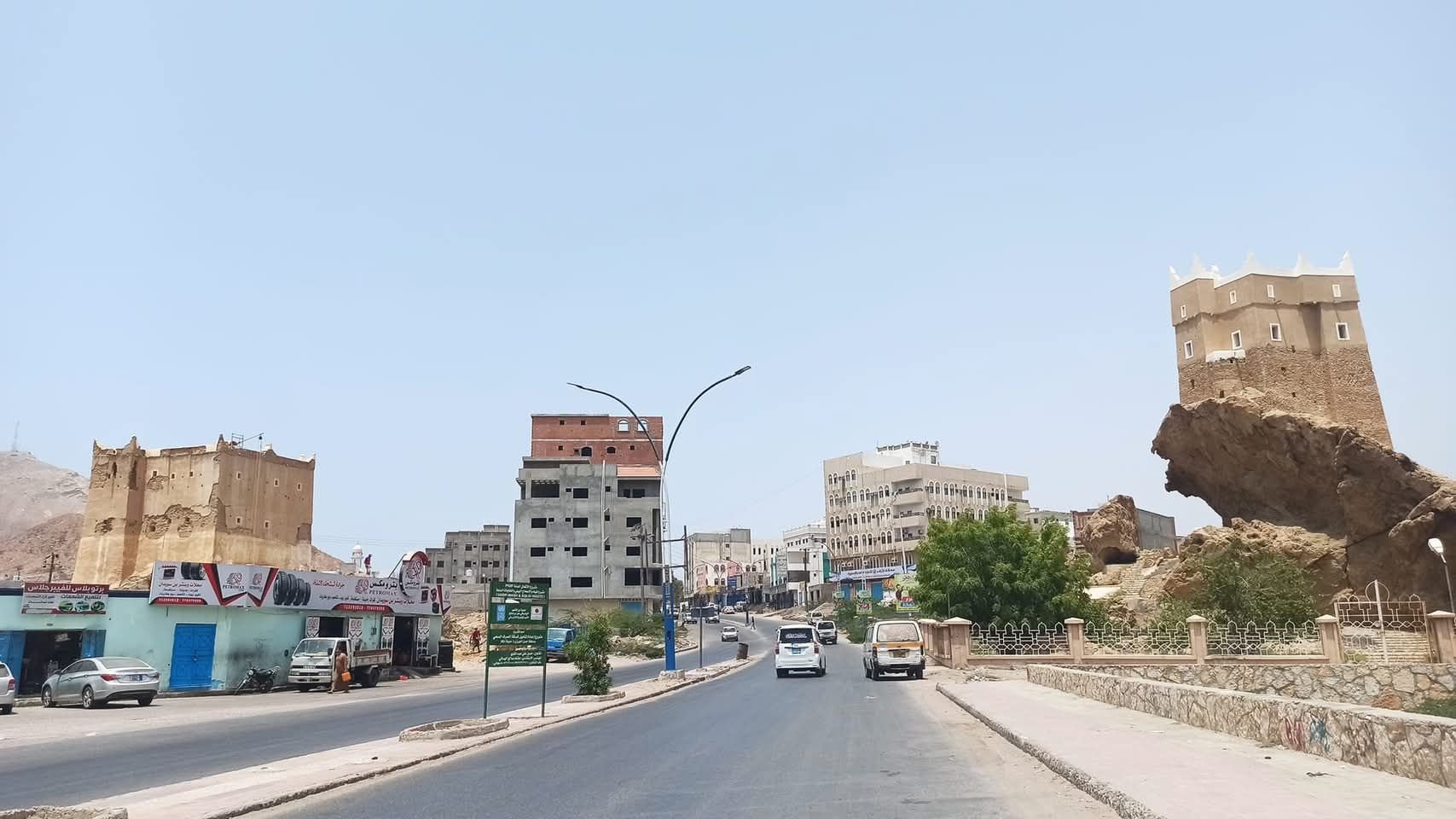
As Mukalla expanded during the nineteenth and twentieth centuries and its commercial and administrative role on the Arabian Sea coast developed, the urban environment around Al-Ghuwayzi Fort changed.
Whereas its location once overlooked less developed roads and areas, today it forms part of the urban landscape of a modern city whose buildings and streets have extended into nearby areas.
Despite these changes, the fort has retained its distinctive historical character and remains a testament to the contrast between traditional fortification methods and contemporary urban expansion.
Its visual presence has also helped establish its image as one of Mukalla’s historical symbols, alongside the city’s other coastal and urban landmarks.
Historical and Tourism Value
Al-Ghuwayzi Fort’s importance stems from its association with Mukalla’s history and from its status as an example of traditional defensive architecture on the Hadramout coast.
The fort attracts the interest of visitors, researchers and heritage enthusiasts, as it offers an opportunity to learn about ancient construction methods and the nature of the fortifications used by the region’s inhabitants to protect their urban centers.
The landmark is also an important element of the city’s visual identity, as images of it appear in many informational and tourism materials about Mukalla’s history and architectural heritage.
Its value extends beyond the building itself to encompass its relationship with the geographical location and the city’s urban and social history.
Preserving the Fort and Safeguarding Its Heritage Value
Historical forts built with traditional materials require regular maintenance that takes their construction into account and preserves the authenticity of their architectural elements.
The main challenges these structures may face include the effects of humidity, rain and natural erosion, as well as changes to the surrounding urban environment.
Protecting Al-Ghuwayzi Fort requires regularly documenting its structural condition and carrying out restoration work when needed, using materials and techniques compatible with its historical character.
It is also important to organize its urban surroundings and protect the surrounding visual landscape to ensure that it continues to stand out as a prominent archaeological landmark in the city.
Al-Ghuwayzi Fort: A Stone Memory in the Heart of Mukalla
Al-Ghuwayzi Fort remains more than just an old defensive building. It bears witness to Mukalla’s history and urban changes and embodies the architectural skills developed by the Hadrami people to adapt to the nature of the place and the requirements of protection.
From its elevated position at the eastern entrance to the city, the fort continues to stand as a symbol of Hadrami coastal heritage and an architectural legacy worthy of documentation and protection.
Preserving it means safeguarding an important part of Mukalla’s historical memory and one of the landmarks that reflect the depth of Hadrami civilization and the diversity of its architectural arts through the ages.
Photo gallery