Historic Hayd al-Jazil Village
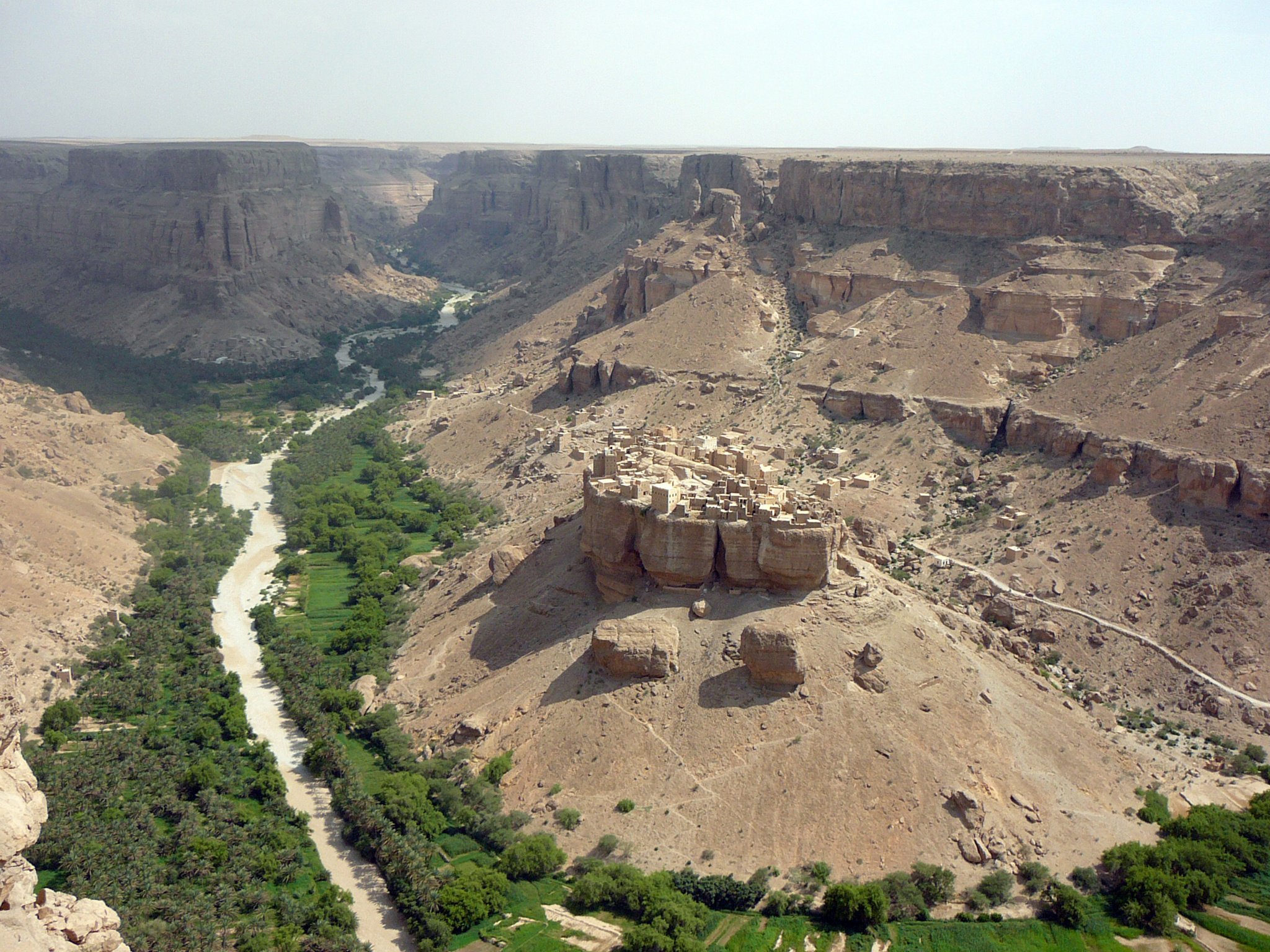
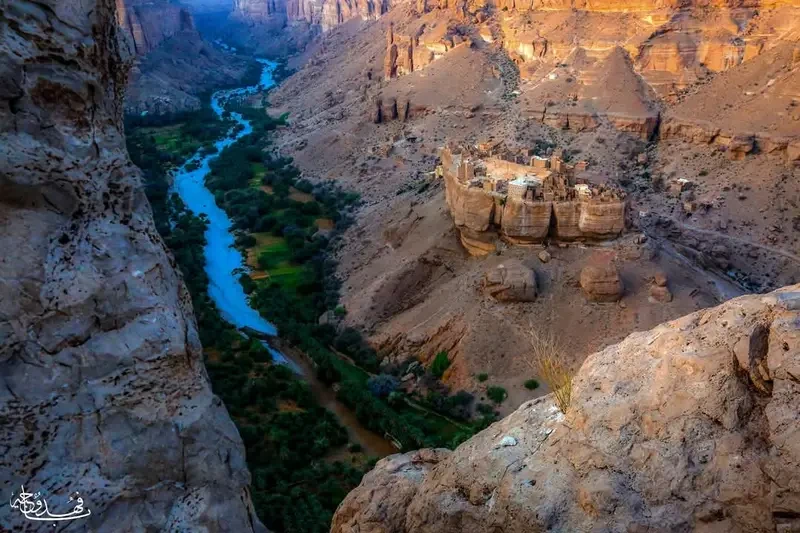
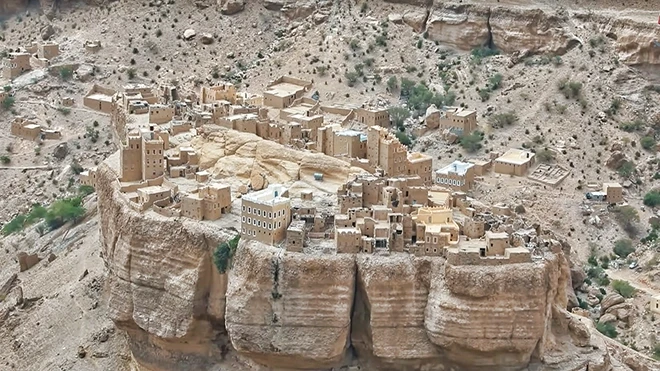
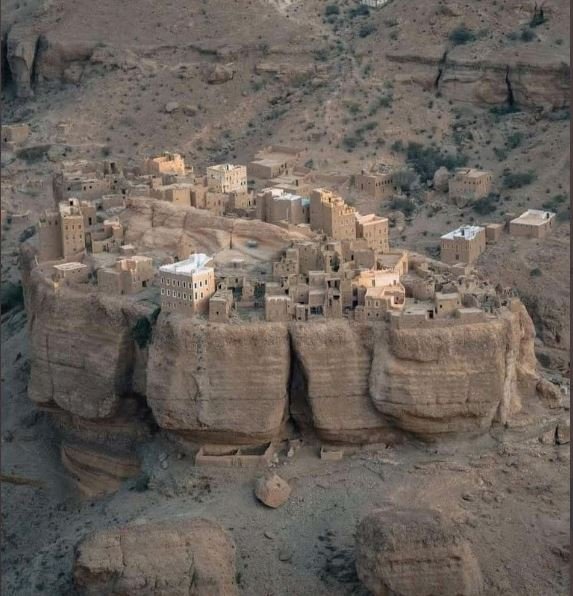
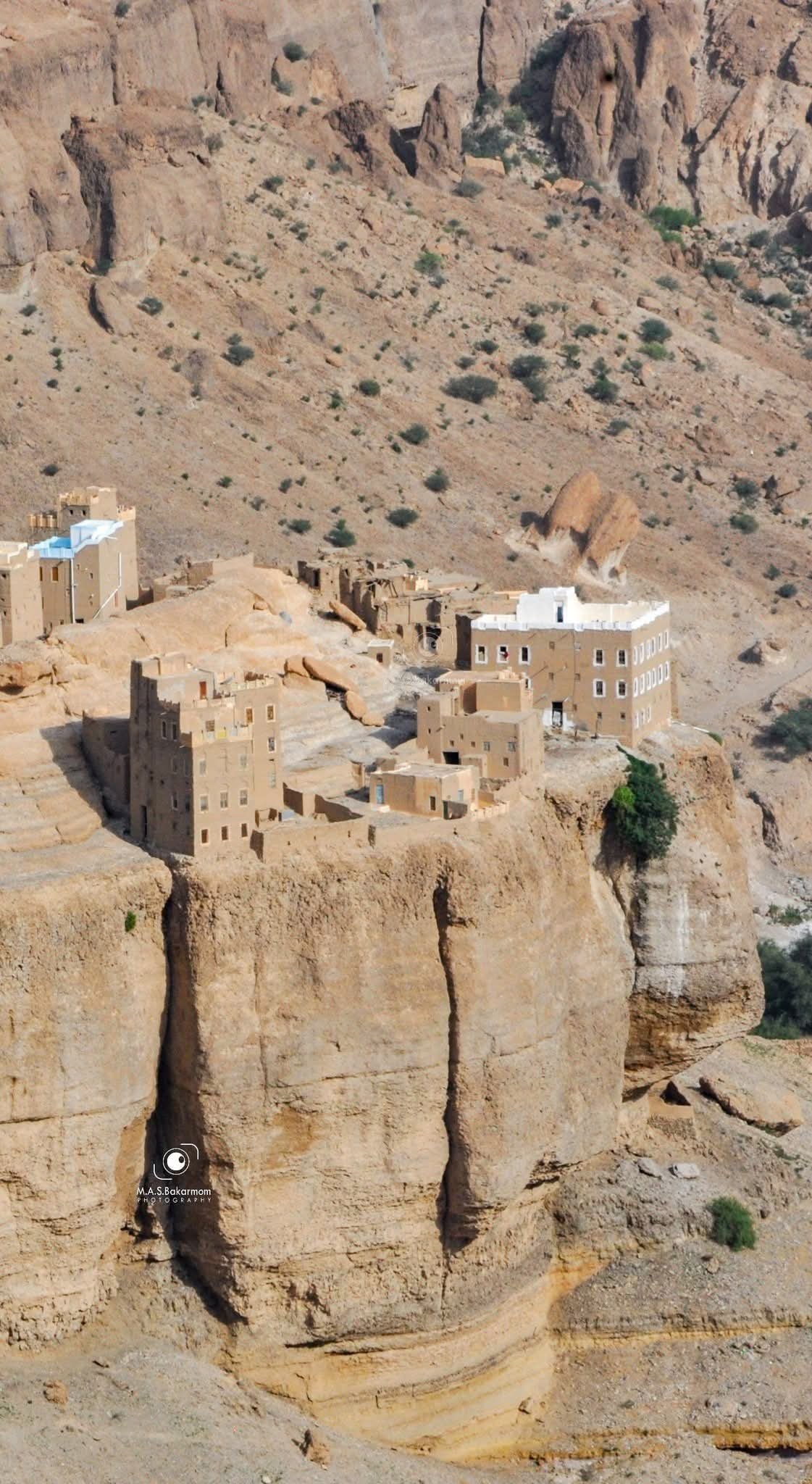
The historic village of Hayd al-Jazil, located in Wadi Daw'an in Hadramout Governorate, is one of Yemen’s most prominent architectural and natural landmarks. Its traditional mud-brick houses perch on the edge of a towering rocky outcrop overlooking the valley and palm groves. The village is distinguished by its unique urban layout, which reflects the Hadrami people’s ability to adapt to mountainous terrain and use local building materials to construct homes in harmony with the environment. Hayd al-Jazil has gained widespread renown for its exceptional natural setting and has become a symbol of the beauty of traditional Hadrami architecture and one of the most prominent heritage and tourist sites in Wadi Daw'an.
Hayd al-Jazil… A Village Between the Sky and the Valley
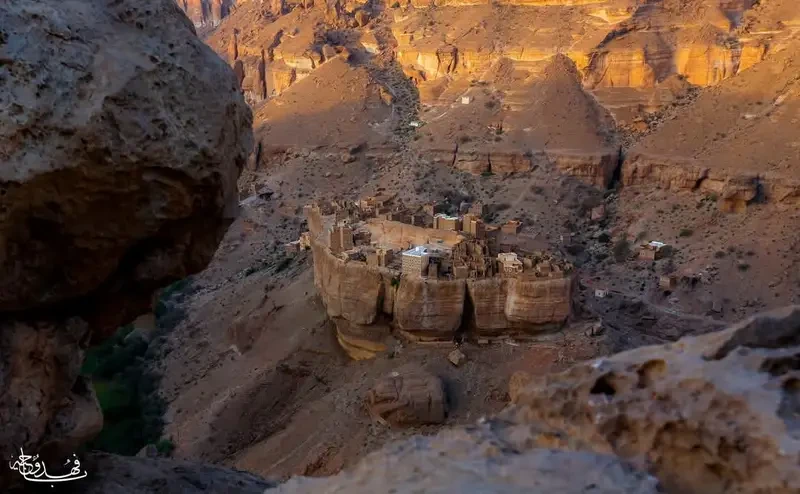
Perched on the edge of a towering rocky outcrop in Wadi Daw'an, Hadramout Governorate, the historic village of Hayd al-Jazil presents a scene that combines the grandeur of nature with the Hadrami people’s skill in building and adapting to mountainous terrain.
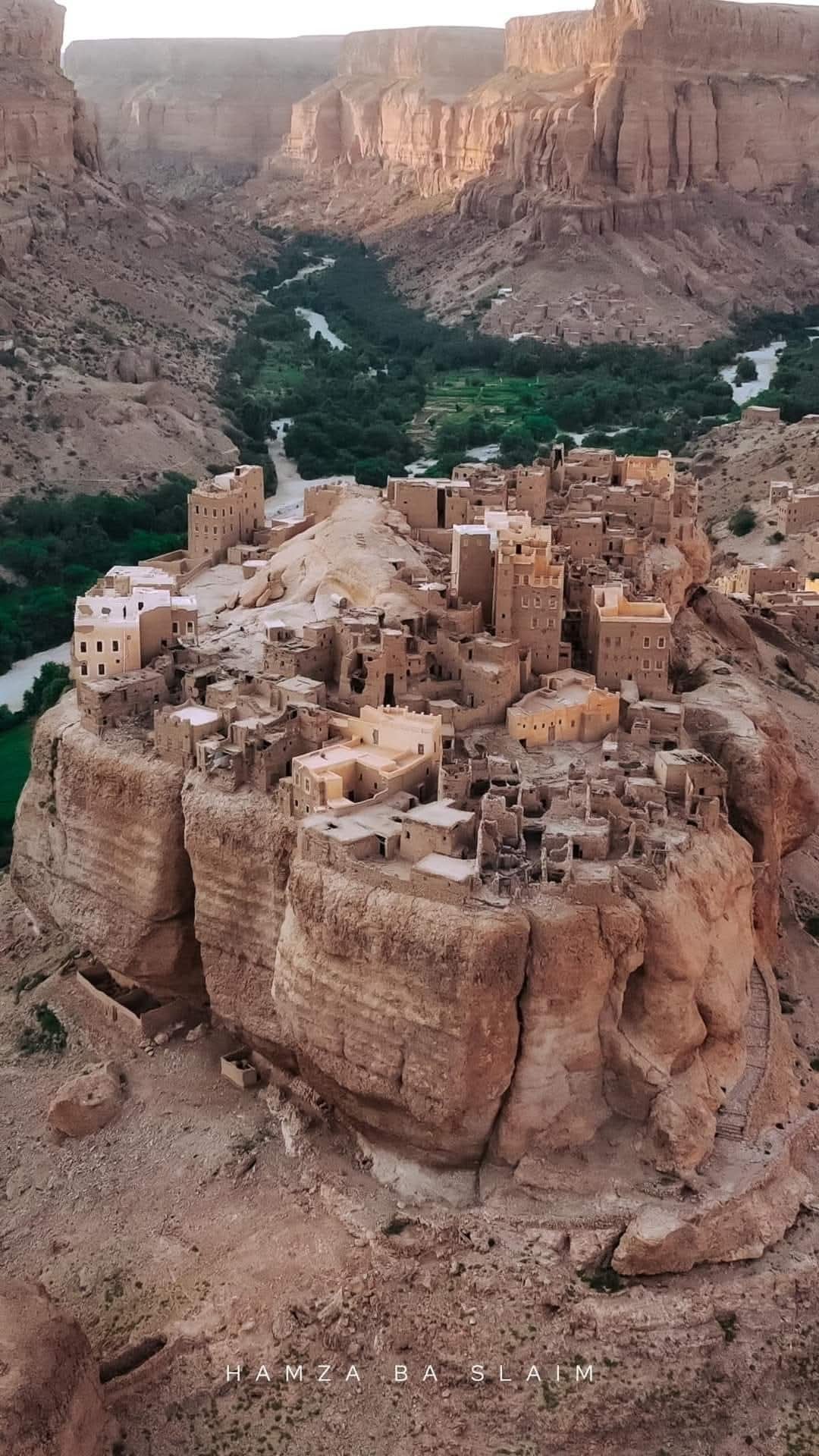
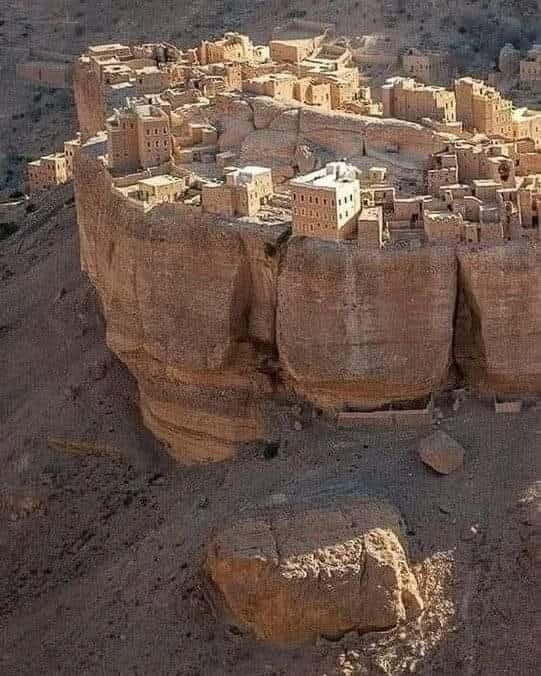
The village’s mud-brick houses appear to be a natural extension of the rocks that support them, rising above slopes overlooking the valley. This exceptional architectural composition has made Hayd al-Jazil one of the most iconic images associated with the beauty and architectural heritage of Hadramout.
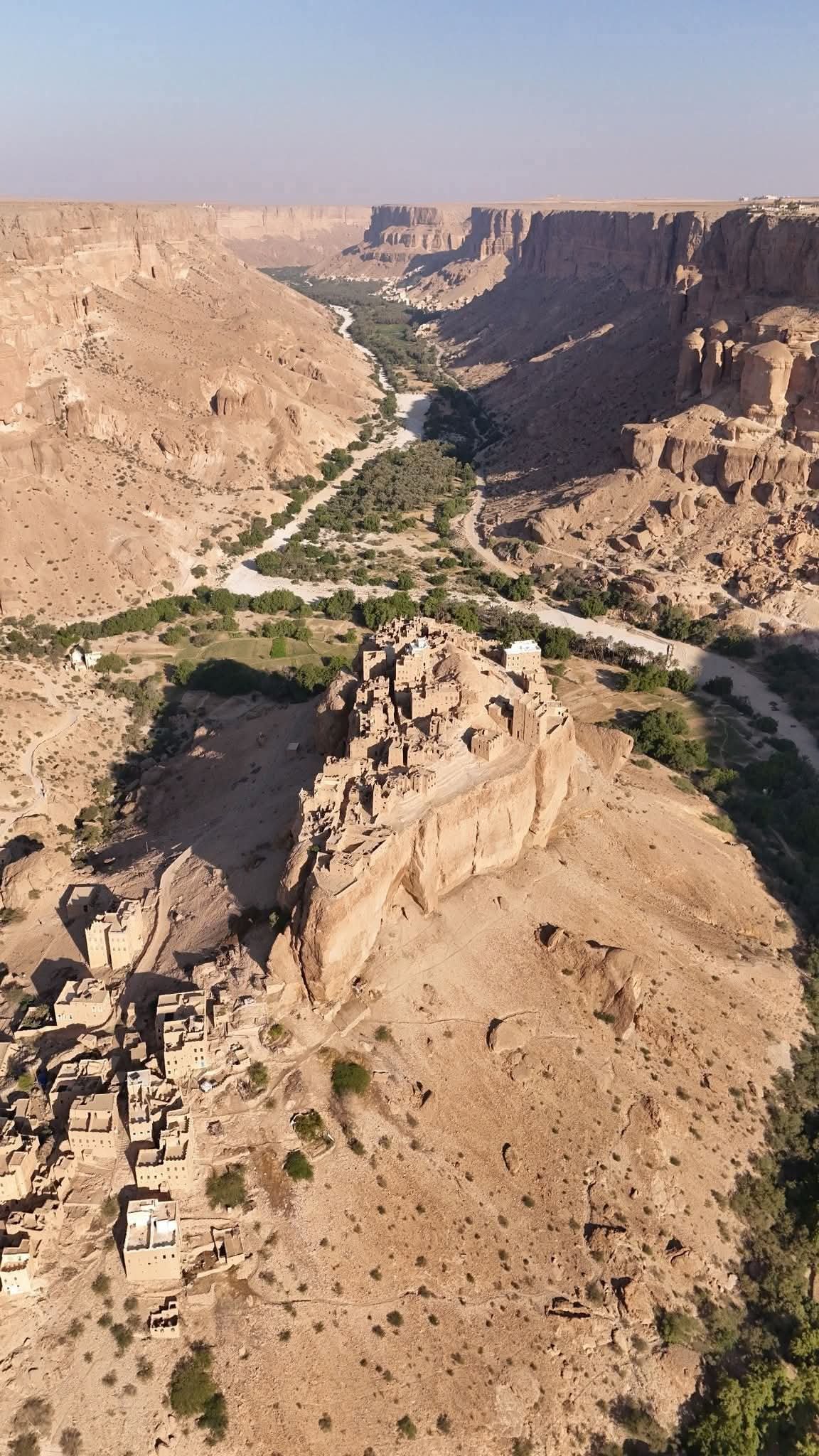
Geographical Location and Surrounding Nature
Hayd al-Jazil is located in Daw'an District, Hadramout Governorate, in an area distinguished by its mountainous terrain, rock formations and traditional farms spread across the valley floors.
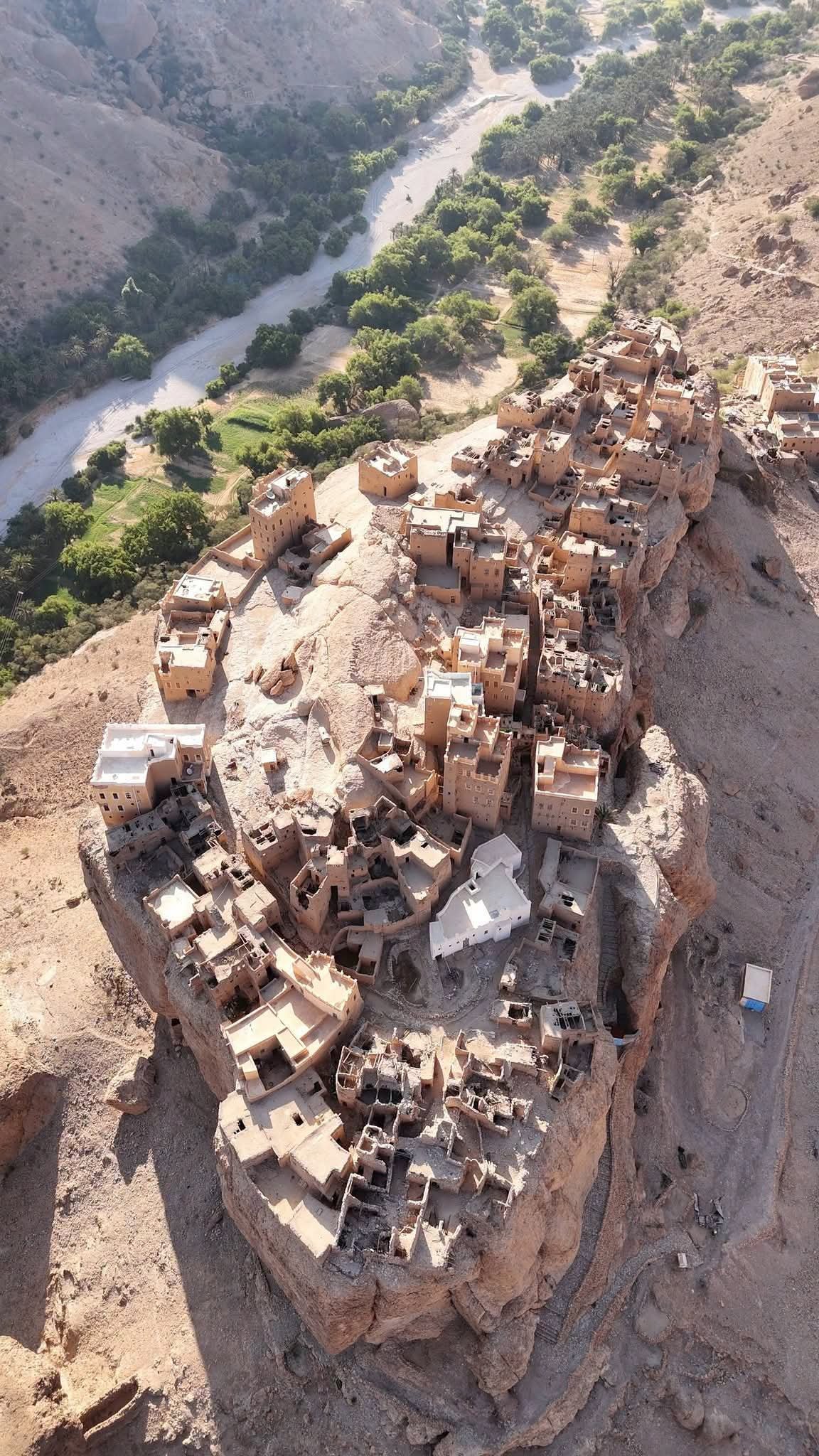
The village stands on a high rocky outcrop surrounded by steep slopes, while palm groves and agricultural land extend below it, forming part of the natural landscape of Wadi Daw'an.
This location gives the village a wide view of the valley and surrounding mountains. It also makes it a distinctive example of settlements established in elevated locations to take advantage of the natural features of the terrain.
Published geographical data indicate that the village is located at an elevation of approximately 1,260 meters above sea level. This is the elevation of the geographical location, not the height of the rock above the valley floor.
Origins and Historical Roots
Hayd al-Jazil is one of the traditional villages that arose within the historic settlement system of Wadi Daw'an, where settlements have been linked for centuries to agriculture, trade and local crafts.
The valley has witnessed long periods of human settlement, and archaeological sites spread throughout it indicate that cultural activity in the area dates back to pre-Islamic times.
As for the village of Hayd al-Jazil itself, there is not enough published archaeological information to determine precisely when it was founded or attribute its establishment to a particular historical figure.
Its traditional buildings reflect successive stages of urban development, using local building materials and inherited construction methods for which Hadramout’s villages are renowned.
Mud-Brick Architecture and Adaptation to the Environment
Hayd al-Jazil is distinguished by its closely spaced houses, distributed across the limited area of the rocky outcrop in an urban layout adapted to the terrain and making use of every area suitable for construction.
Builders relied on mud, stone, local wood and palm trunks to construct the houses, along with other natural materials used for roofs, doors and windows.
These methods reflect long experience in dealing with the hot, dry climate and making use of the thermal properties of traditional building materials.
The buildings are distinguished by their simple façades, well-proportioned openings and vertical forms, while narrow passageways connect the houses in a way suited to the space available on the outcrop.
The village’s architectural value is evident in the close relationship between the buildings and the rock on which they stand, as human construction and natural formation come together in a scene whose elements are difficult to separate.
The Relationship Between People and Nature
Hayd al-Jazil offers a clear example of the Hadrami people’s ability to adapt to a mountainous environment and transform elevated rocky sites into habitable settlements.
The lives of residents in the villages of Wadi Daw'an have been linked to agriculture, livestock raising, trade and traditional crafts, as well as making use of available natural resources.
Palm groves and some agricultural crops are found throughout the valley, while the area is known for producing Hadrami honey, particularly sidr honey, which is associated with the natural environment and local vegetation.
This economic diversity reflects a historic relationship between elevated settlements and the agricultural lands on the valley floor.
Urban Features and Defensive Character
Hayd al-Jazil’s elevated location gives it natural features that helped relatively isolate the settlement from the lowlands and enabled it to overlook wide parts of the valley.
In urban terms, the limited area atop the outcrop encouraged the buildings to be close together and the interior passageways to be arranged in a way that suits the terrain.
The location also provided natural advantages, including difficulty of direct access to the village from some directions—features found in many historic mountain settlements in Yemen.
However, there is not enough documented evidence to conclude that the village was established primarily as a military fortress or that it was the site of specific historical battles.
Social Life and Cultural Heritage
Hayd al-Jazil is part of the social and cultural fabric of Wadi Daw'an, which is known for its family ties, agricultural and craft traditions, and trade connections extending beyond Hadramout.
Hadrami migration to the Gulf and Southeast Asia helped strengthen cultural and economic ties between the valley and other parts of the world.
Traditional settlements have also preserved aspects of local ways of life, including building techniques, social customs and knowledge related to agriculture and natural resources.
These practices are especially significant as part of the intangible heritage that complements the village’s architectural and natural value.
Hayd al-Jazil on UNESCO’s Tentative List
On June 20, 2025, the Republic of Yemen submitted the site “Hayd al-Jazil and Wadi Daw'an – Hadramout” to the World Heritage Tentative List of the United Nations Educational, Scientific and Cultural Organization (UNESCO).
The submission was based on the site’s distinctive natural and cultural landscape, local architectural traditions, continuity of human settlement, and the historic relationship between people and the environment.
The site dossier highlights Hayd al-Jazil’s unique character as a village built atop a rocky outcrop, with buildings that reflect different stages of traditional architecture in Hadramout.
The dossier also covers a wider area of Wadi Daw'an, including its historic villages, archaeological sites and traditional farms.
This inclusion is a preliminary step in the nomination process and does not mean that the site has been formally inscribed on the World Heritage List.
Tourism and Aesthetic Significance
Hayd al-Jazil has gained widespread renown for its exceptional location atop a rocky outcrop, offering a panoramic scene of mud-brick houses, towering mountains and palm groves extending through the valley.
The village is among the most prominent sites attracting the interest of photographers and those interested in traditional architecture and mountain landscapes.
It is also a distinctive example of cultural and ecological tourism, offering an opportunity to learn about traditional settlement patterns and the relationship between architecture and nature in Hadramout.
Its tourism value extends beyond the beauty of its natural setting to include the historical and cultural significance it holds in connection with the lives of the Hadrami people and their skills in building and adapting to the environment.
Challenges in Preserving the Village
Traditional settlements built atop rocky heights face challenges related to the effects of rain, natural erosion and the deterioration of some building materials over time.
It is important to maintain the mud-brick houses using traditional materials and methods, while also studying the stability of the rock formations and preserving the surrounding natural environment.
Protecting Hayd al-Jazil also requires documenting its buildings and architectural features and regulating tourism activities in a way that preserves the site’s character and ensures the safety of residents and visitors.
Engaging the local community in preservation efforts is essential to ensuring the sustainability of the village’s architectural and natural heritage.
Hayd al-Jazil… A Hadrami Masterpiece Worth Protecting
The village of Hayd al-Jazil remains one of the most distinctive architectural landmarks in Wadi Daw'an, embodying the relationship between people and nature in a rare architectural form.
From atop its rocky outcrop, its mud-brick houses tell the story of generations who managed to adapt to the mountainous environment and build a community that preserved aspects of its traditions and architectural identity.
Preserving Hayd al-Jazil means preserving a cultural and natural legacy that extends beyond the boundaries of the place, reflects the richness and diversity of Hadrami heritage, and deserves to be documented, studied and introduced to future generations.
Photo gallery