Buqshan Palace
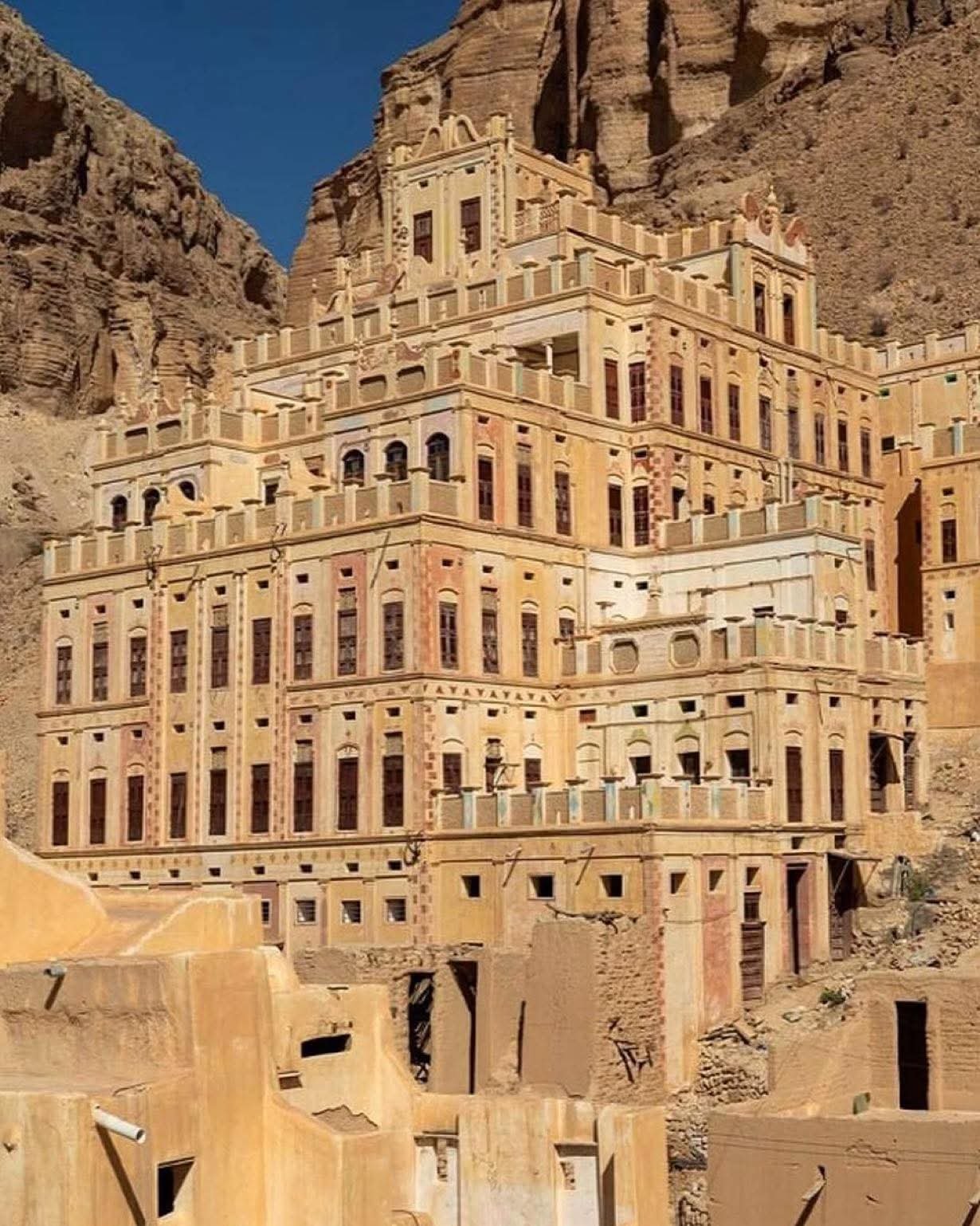
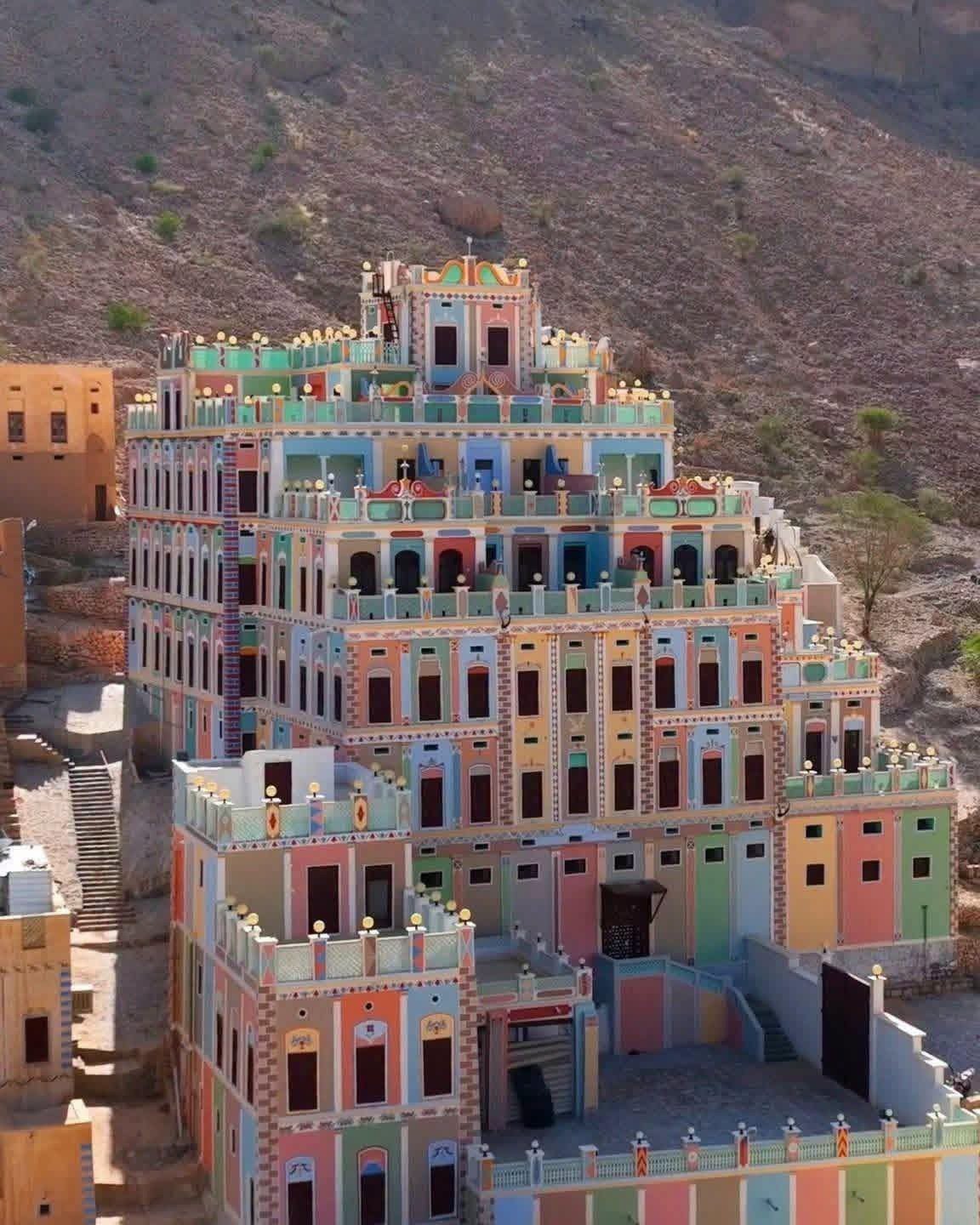
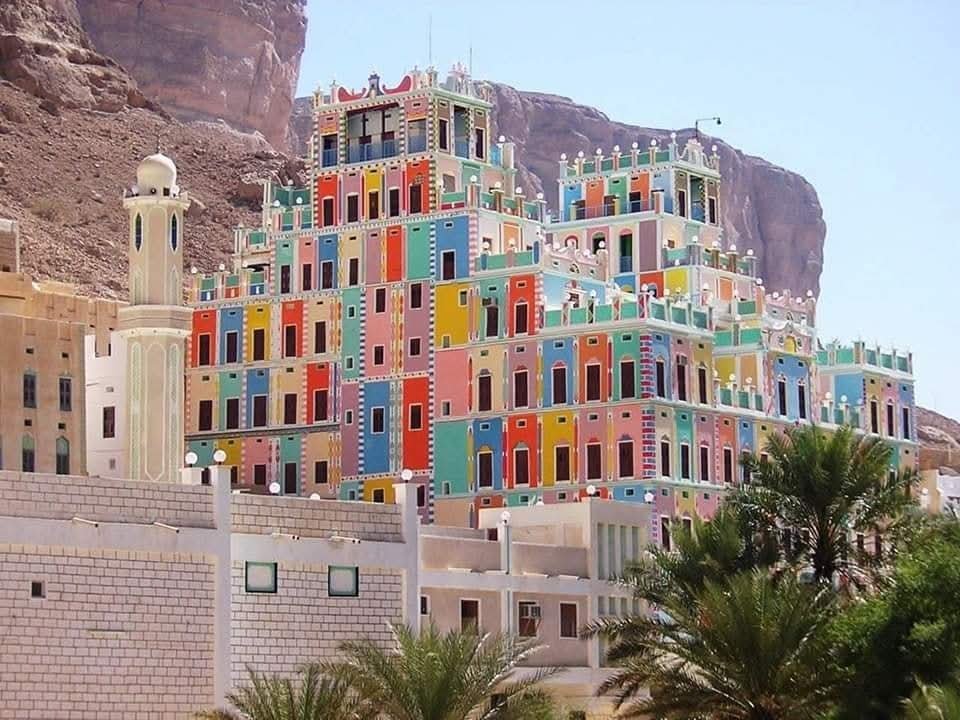
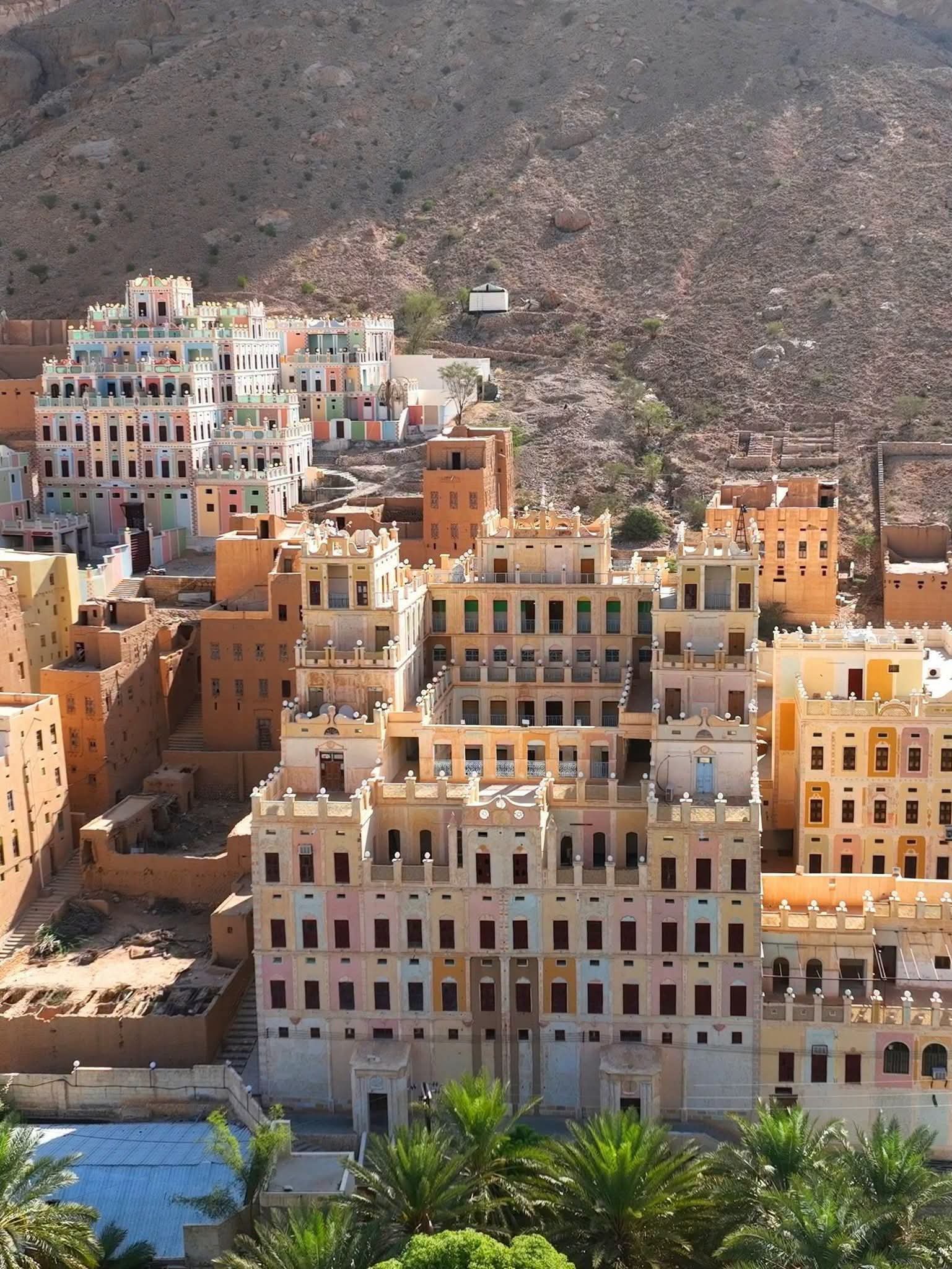
Buqshan Palace, in the Khaylah Buqshan area of Wadi Daw'an in Hadramout Governorate, is one of the most prominent architectural landmarks reflecting the beauty and development of Hadrami architecture. The palace is distinguished by its multicolored facades and harmonious geometric and decorative details, which combine traditional building elements with modern architectural influences. It stands amid a natural setting surrounded by mountains, historic villages and farms, giving it a unique visual presence. The palace has become one of the best-known architectural and tourist symbols of Wadi Daw'an and a testament to the Hadrami people's connection to the arts of building and architectural beauty.
Buqshan Palace... An Icon of Color and Architecture in Wadi Daw'an
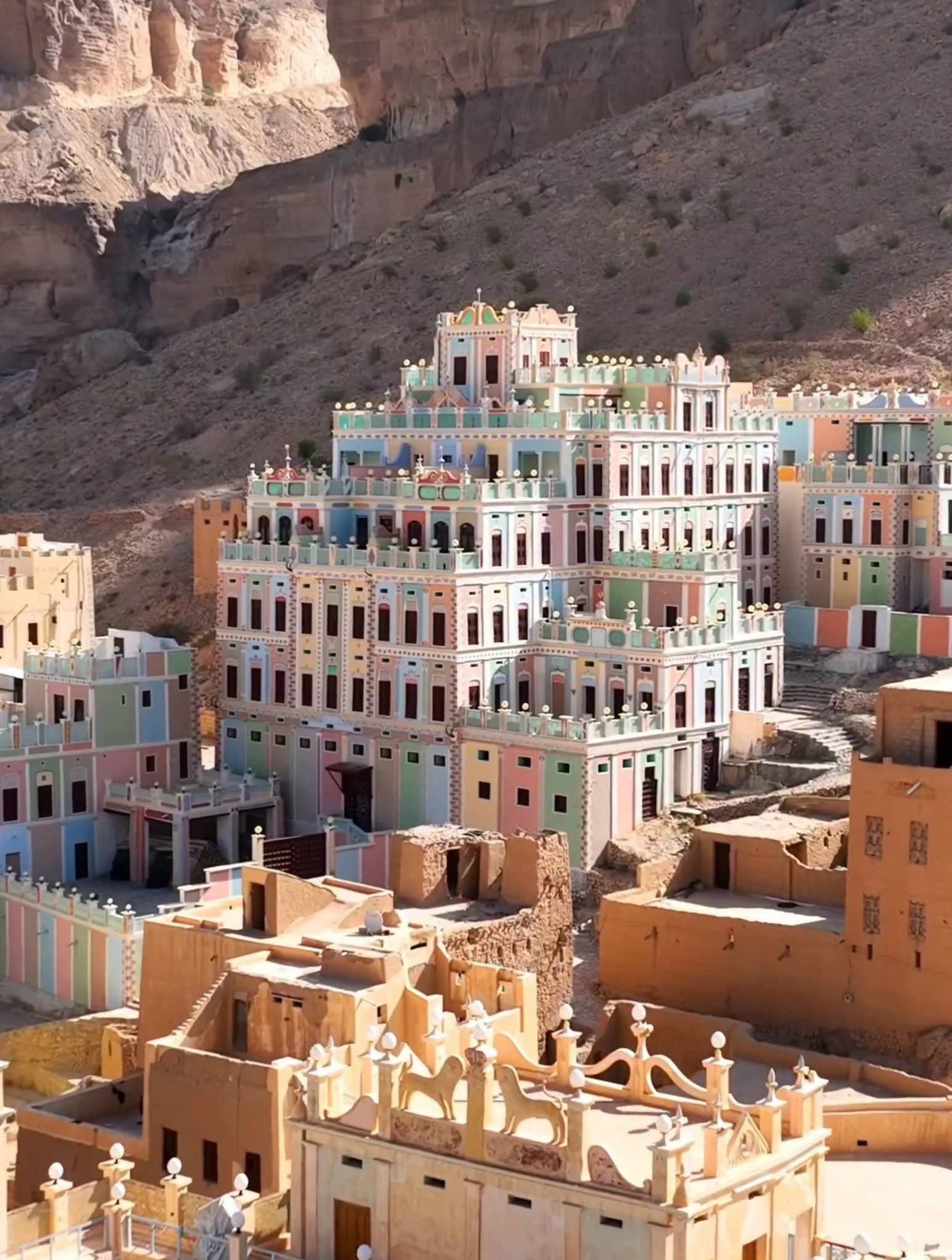
In the heart of Wadi Daw'an in Hadramout Governorate, where mud-brick villages meet towering mountains and expansive farms, Buqshan Palace in the Khaylah Buqshan area stands out as one of the region's most distinctive architectural landmarks. Its geometric and decorative details and striking colors have made it a visual symbol of Hadrami architecture.
The palace brings together local architectural character and aesthetic influences that came to Hadramout through commercial and cultural contacts with different parts of the world, offering an example of the development of building and decorative styles in Wadi Daw'an.
Geographical Location and Surrounding Environment
Buqshan Palace is located in the Khaylah Buqshan area of Daw'an District in Hadramout Governorate, in one of the best-known historic valleys in the southern Arabian Peninsula.
The area is distinguished by its unique geography, with surrounding mountain highlands and rock formations, while traditional villages and farms that depend on seasonal water resources are scattered throughout the surrounding landscape.
This environment helped shape Wadi Daw'an's distinctive architectural identity, based on the use of local building materials and adaptation to the terrain and climate.
The palace stands out amid this landscape with its distinctive design and varied colors, giving it a different presence from many of the surrounding traditional mud-brick buildings.
Origins and Historical Background
Buqshan Palace is associated with the Hadrami Buqshan family, whose roots lie in Wadi Daw'an and which was known for its commercial activity and extensive economic ties beyond Hadramout.
The palace is an example of the large residential buildings associated with Hadrami merchant families, which helped enrich the architectural landscape in the valley.
Its architectural features reflect a period in the development of local construction, when some palaces and large homes began combining the traditional characteristics of Hadrami architecture with decorative elements and design approaches influenced by cultural and commercial contact with the outside world.
Available public sources do not provide consistent historical information that precisely establishes the year the palace was built or the stages of its construction. Its confirmed architectural history should therefore be distinguished from accounts circulating about its origins.
Architectural Features and Engineering Design
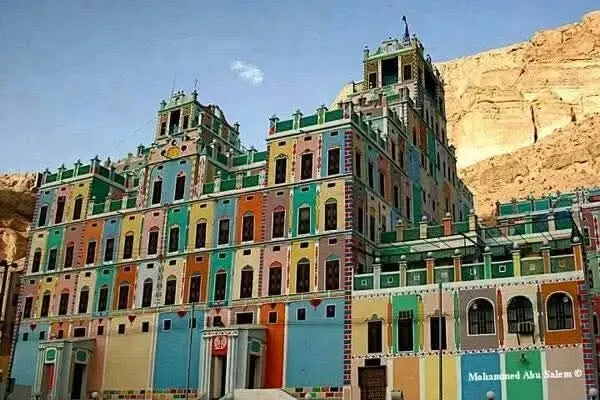
Buqshan Palace is distinguished by its large architectural mass and multicolored facades, arranged in harmonious patterns that give it a distinctive aesthetic character.
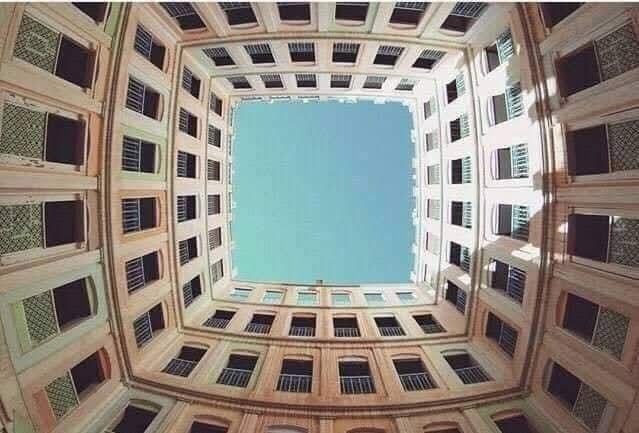
Its design features regularly arranged windows, balconies and decorative elements that give the building a character combining traditional residential architecture with a relatively modern aesthetic expression.
The palace also displays characteristics of Hadrami architecture in its emphasis on the building's vertical composition, the arrangement of openings, and the balance between interior spaces and exterior facades.
Color is one of its most prominent features, setting it apart visually from the surrounding natural landscape and making it one of the most widely recognized buildings in tourist and documentary photographs of Wadi Daw'an.
Cultural Influences on Hadrami Architecture
Throughout its history, Hadramout has seen extensive migration and trade, particularly toward East Africa and Southeast Asia, helping cultural and architectural influences pass between Hadrami communities at home and abroad.
These connections were reflected in some of the palaces and homes built by merchant families, in their decorative styles, choice of colors and certain design details.
Buqshan Palace is regarded as an example of these architectural changes, combining the identity of Hadrami construction with more varied aesthetic features in its appearance.
The significance of this interplay lies in showing the ability of local architecture to incorporate outside influences while retaining its fundamental characteristics.
The Palace and Wadi Daw'an's Urban Landscape
Wadi Daw'an is one of Hadramout's areas rich in historic villages and traditional buildings that reflect the skill of local builders in using mud, stone and natural building materials.
The valley's villages are distinguished by their settlements rising in tiers along slopes and highlands, and by homes adapted to the terrain and climate.
In this setting, Buqshan Palace is a prominent architectural feature that adds to the region's architectural diversity and highlights one aspect of the development of large residential buildings associated with merchant families.
The palace's presence within the valley's natural environment also reflects the relationship between people and place, a relationship that for centuries has shaped one of the most prominent elements of Hadrami identity.
Tourism and Cultural Significance
Buqshan Palace has gained widespread recognition as one of the most prominent photographed architectural landmarks in Wadi Daw'an, owing to its colorful facades and striking geometric composition.
The landmark draws interest from photographers and those interested in heritage and architecture, and is a notable stop in the area's tourist landscape.
Its value stems from the fact that it bears witness to the diversity of Hadrami architecture, which is not limited to mud-brick buildings in natural colors but also includes examples with more varied ornamentation and design.
Documenting and promoting the palace helps highlight an aspect of Wadi Daw'an's architectural heritage and raise awareness of the importance of preserving landmarks that reflect the region's history and cultural identity.
Preserving the Landmark and Architectural Identity
Historic and heritage buildings in Hadramout face challenges related to climatic factors, urban changes and the need for regular maintenance.
The importance of preserving Buqshan Palace as a distinctive architectural landmark is evident in documenting its geometric and decorative features and taking care of its facades and original details.
Protecting the urban landscape around the palace also requires taking the character of the area and local building traditions into account, in order to preserve the landmark's harmony with its mountainous and historic surroundings.
Buqshan Palace... An Architectural Canvas in Hadramout's Memory
Buqshan Palace remains one of the prominent examples of the diversity of Hadrami architectural arts and of the Hadrami people's ability to combine residential function with geometric and decorative beauty.
From its location in Khaylah Buqshan in Wadi Daw'an, the palace continues to stand as a distinctive landmark embodying an aspect of the region's cultural and architectural identity.
Documenting this landmark is an important step in introducing Hadrami heritage, highlighting its richness and diversity, and preserving the architectural memory that forms an integral part of Hadramout's history and civilization.
Documented Historical Information:
Builder: Sheikh Ahmed Saeed Buqshan.
Architect: Master builder Salem Faraj bin Sabbah, according to a statement by his son published in a press interview.
Construction date: Several sources state that construction began on June 14, 1956, and continued for about 7 to 10 years, although accounts differ regarding the date.
Components: About 8 floors, 37 rooms, 200 doors and 190 windows, according to published figures about the palace.
Area: About 800 square meters. At its center is an interior space known as the “shamsah,” which provides light to the floors and rooms.
Photo gallery