Historic City of Shibam
The historic city of Shibam, located in Wadi Hadramout in eastern Yemen, is considered one of the world’s most prominent archaeological cities and one of the oldest urban models based on vertical construction using mud bricks. The city is renowned for its towering residential buildings, historic walls and distinctive urban layout, earning it the title “Manhattan of the Desert.” Shibam stands as a living testament to the ingenuity of Hadrami people in architecture and urban planning. UNESCO included it on the World Heritage List in 1982, in recognition of its exceptional historical and architectural value.
The Historic City of Shibam… Mud-Brick Skyscrapers That Preceded the Modern Age of Towers
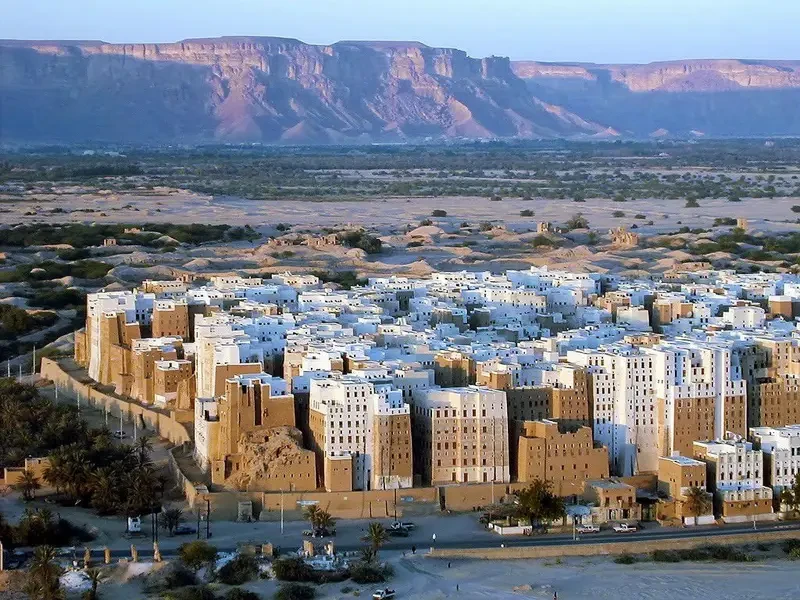
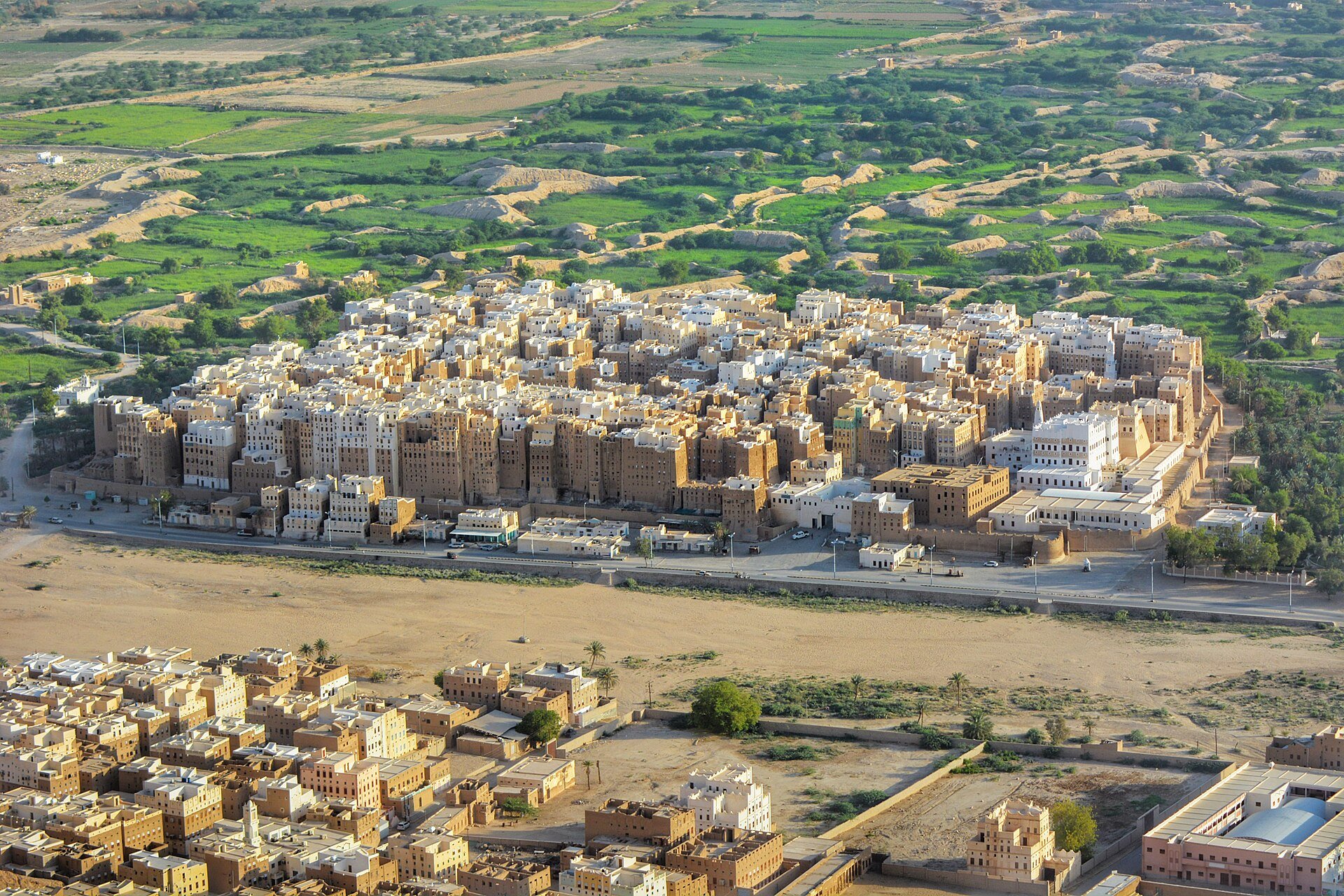
In the heart of Wadi Hadramout, where agricultural land stretches between plateaus and desert highlands, the historic city of Shibam stands as an exceptional testament to the genius of Hadrami architecture and a unique model of urban planning through which people transformed mud into towering residential buildings that have endured across successive generations.
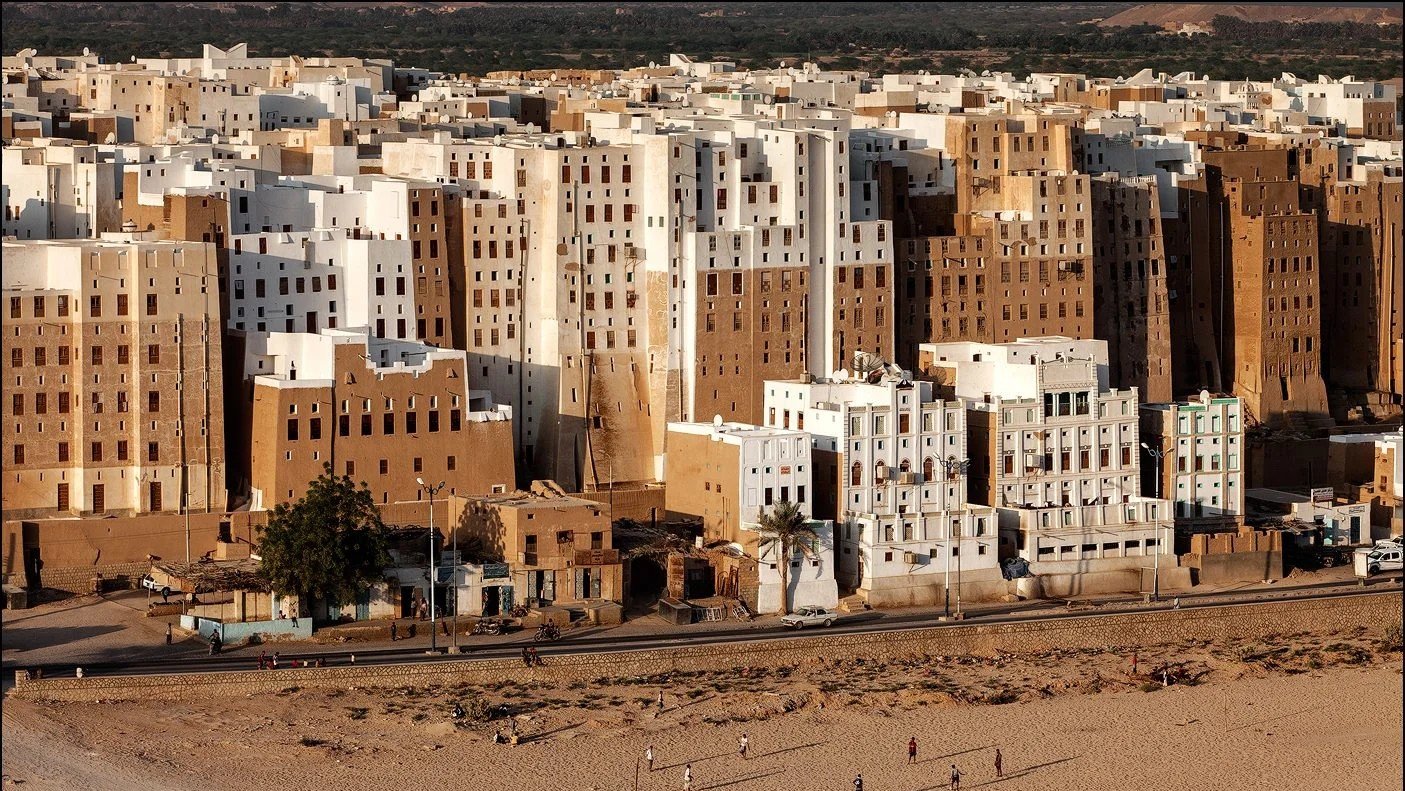
The city is internationally known as the “Manhattan of the Desert,” a reference to its closely packed, multi-storey buildings, which rise above a limited urban area to form a rare architectural scene that brings together history, engineering and cultural identity.
Geographical Location and Urban Character
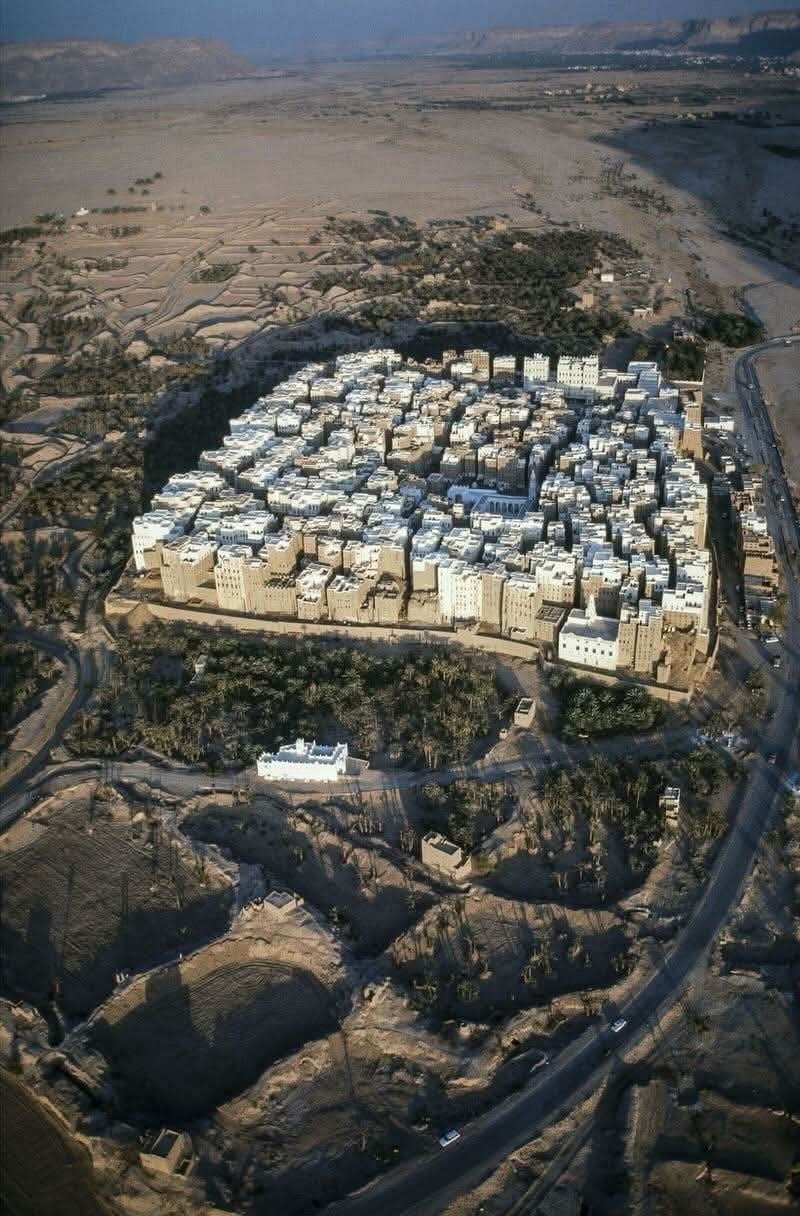
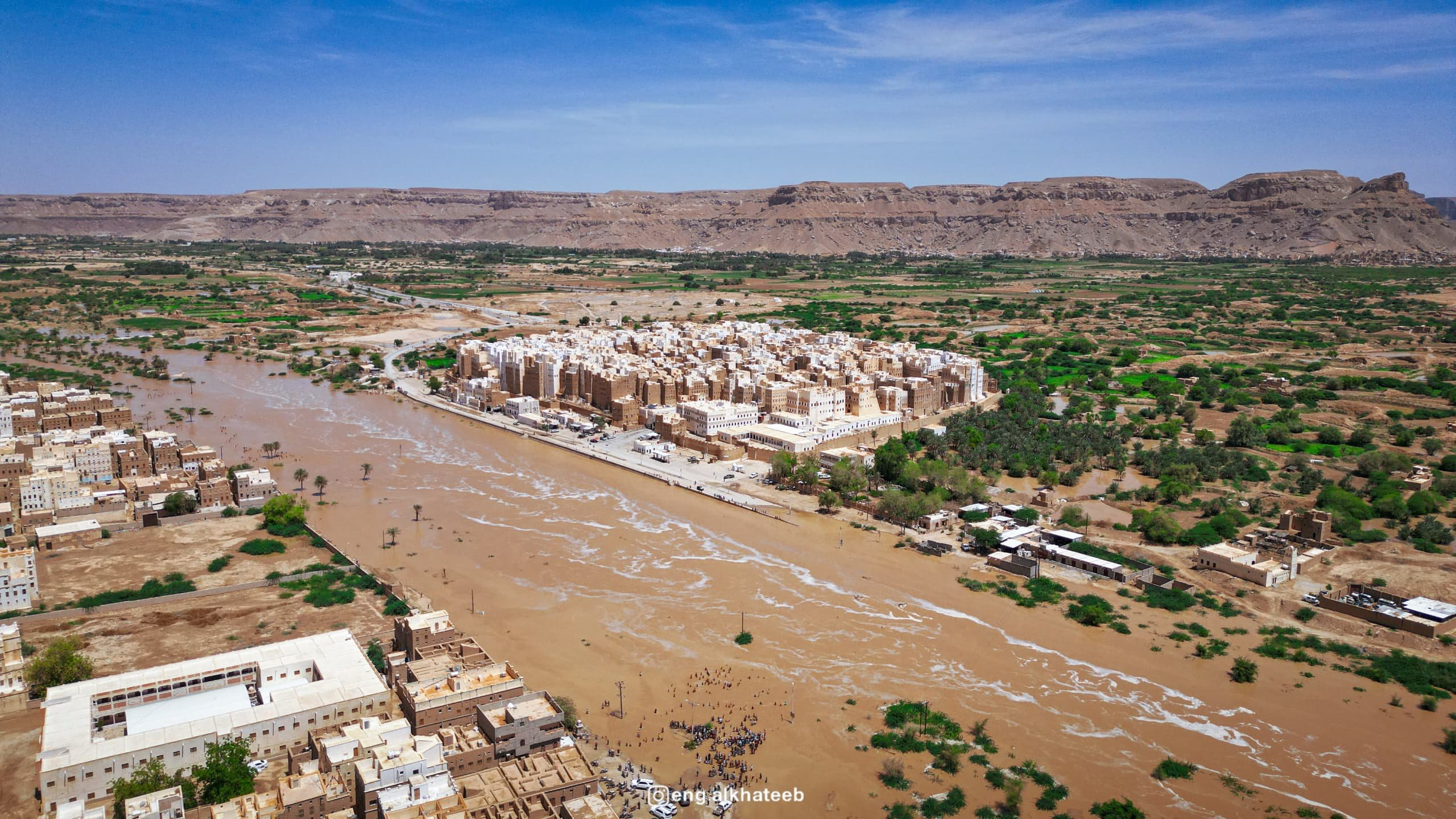
The historic city of Shibam is located in Shibam District in Hadramout Governorate, within the geographical expanse of Wadi Hadramout. Its old nucleus was established on a rocky rise overlooking the surrounding plain, at a site that helped protect it from some of the dangers posed by floods and torrents.
Historic walls surround the old city, while a closely connected network of alleys, passageways, squares and tall residential buildings extends within it, in an urban layout that reflects the residents’ ability to use limited space efficiently.
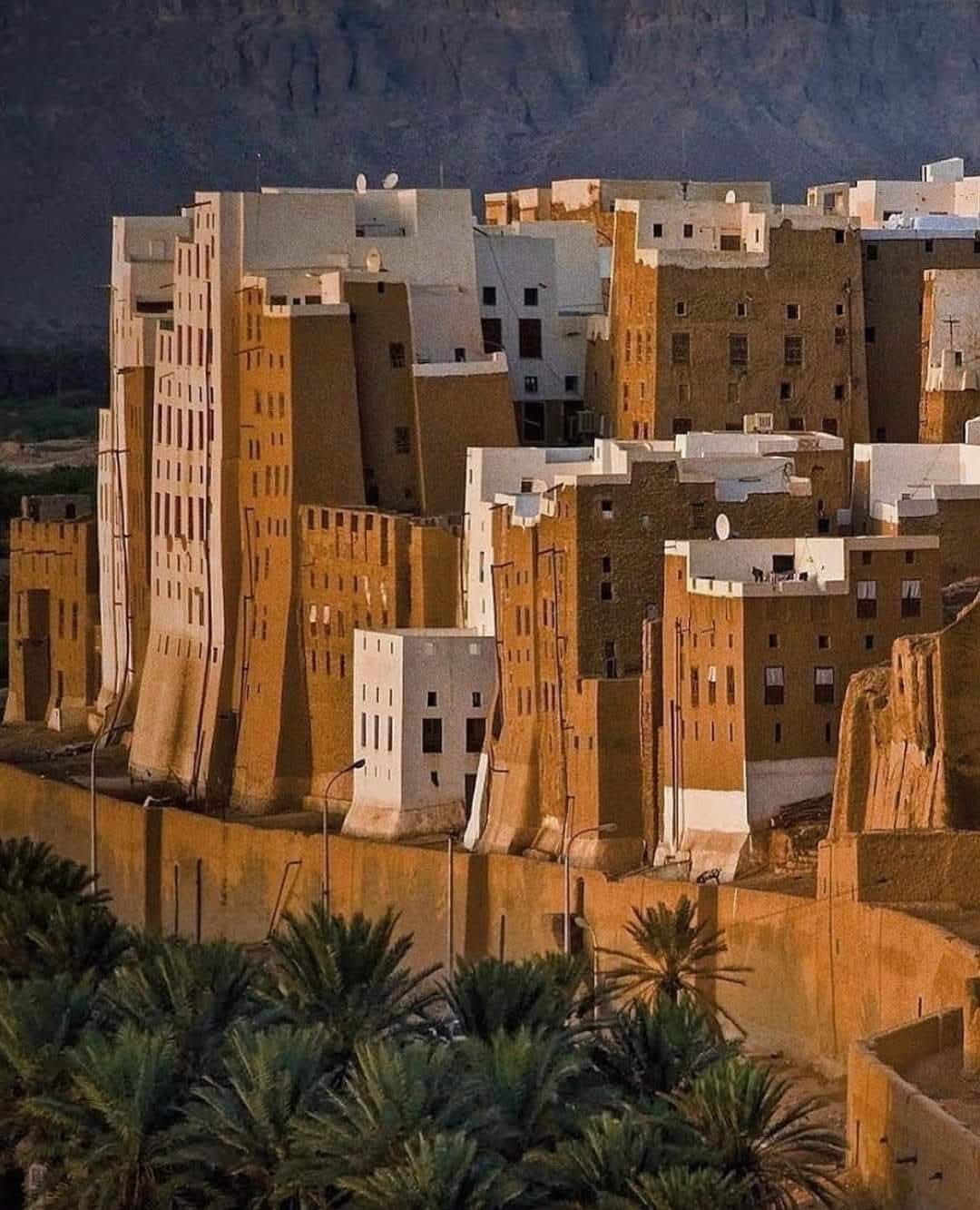
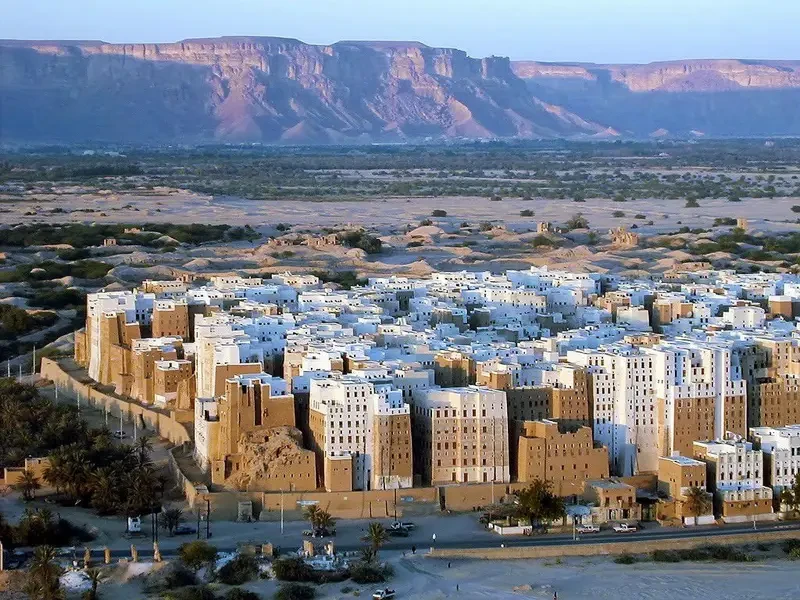
The close-set residential towers give the city a distinctive architectural character. From a distance, its buildings appear like a group of skyscrapers rising in the middle of the desert, despite being built with natural materials and traditional techniques.
Historical Roots and the City’s Founding
Settlement in Shibam dates back to pre-Islamic times, and the city gained political and commercial prominence at various stages in Hadramout’s history.
UNESCO notes that Shibam became an important center in Hadramout following the decline of the ancient city of Shabwa around 300 AD. Its historical location was also connected to the caravan trade routes that carried incense, spices and other goods across the southern Arabian Peninsula.
The city underwent successive periods of urban transformation, most notably the rebuilding of large parts of it during the 16th century AD, following devastating floods that struck the area in 1532 and 1533.
The basic features of the historic urban fabric that exists today date back to those periods, with construction, maintenance and renovation continuing over the following centuries.
Mud-Brick Architecture… Hadrami Engineering Ahead of Its Time
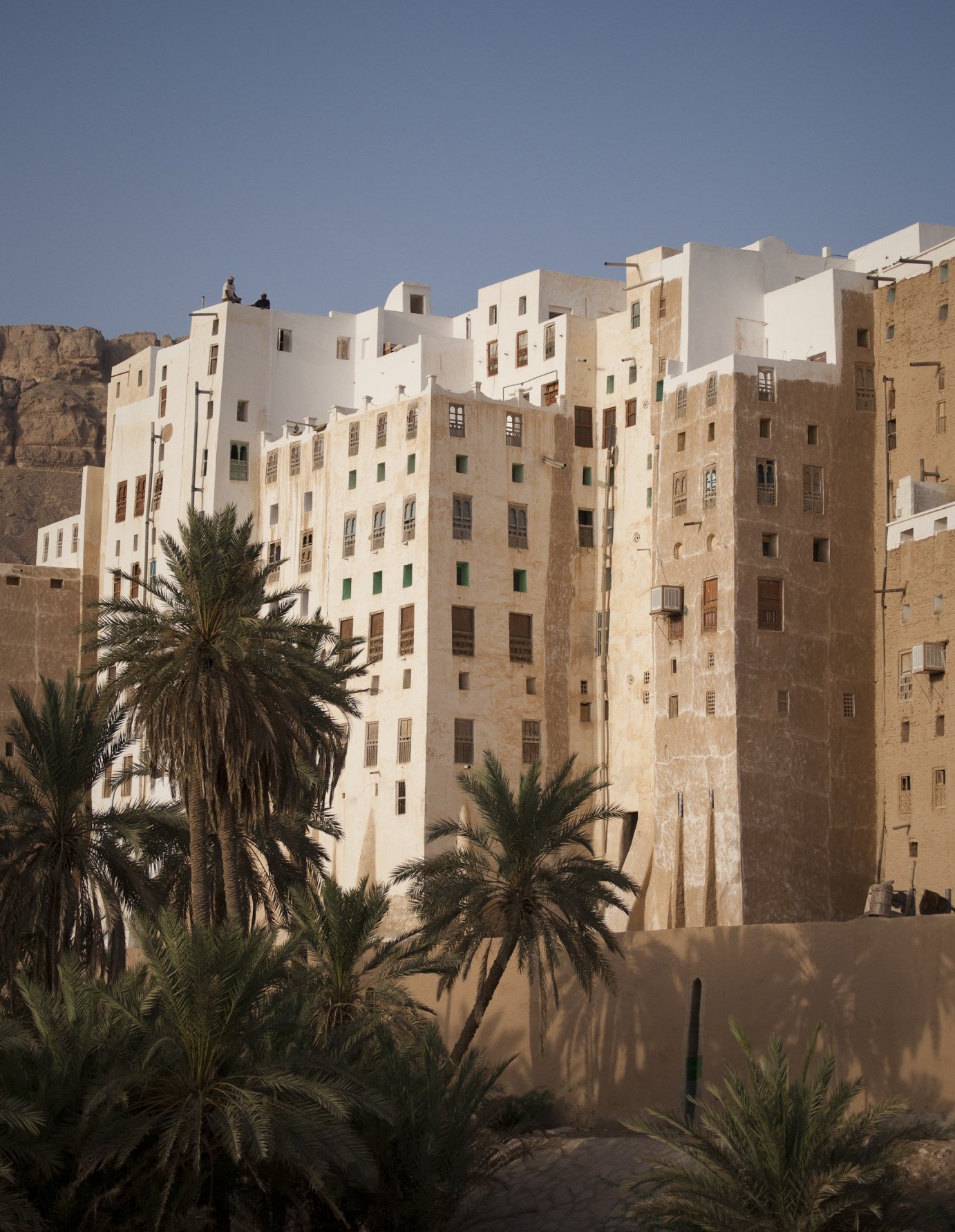
Shibam’s buildings represent one of the world’s most prominent examples of traditional vertical architecture. They were constructed from sun-dried mud bricks, with wood and local materials used for roofs, doors and structural elements.
Some historic houses reach seven storeys, while the heights of other buildings vary according to their functions, sizes and periods of construction.
Builders relied on thick mud walls and inherited construction methods that helped give the buildings cohesion and stability. The thermal properties of mud also help reduce the impact of high temperatures.
The façades of the houses are distinguished by their staggered windows and traditional decorative details, while the interior spaces reflect the social and family patterns of life that prevailed in the city over the centuries.
Vertical expansion was not merely an aesthetic choice; it was a response to the needs of protection and housing and to the preservation of the surrounding agricultural land, in an urban model that brings together security, economic and environmental considerations.
Historic Walls and Defensive Planning
The walls surrounding Shibam formed a key element of its defensive system, helping protect residents and regulate entry to the city during periods of political and social competition among local forces in the region.
The close spacing and height of the houses, along with the limited number of openings on their lower floors, also strengthened the city’s defensive character.
The network of streets and interior squares reveals an organized urban plan that achieved a balance between the needs of daily life, protection and making use of the space available within the walls.
Commercial and Cultural Standing
Shibam occupied an important position on ancient trade routes that connected areas of Hadramout with other commercial centers in and beyond the Arabian Peninsula.
Commercial activity and the movement of caravans helped strengthen the city’s economic and social standing. The connections Hadrami traders maintained with the outside world were also reflected in the development of its urban fabric and economic life.
During the 19th century, the return of Hadrami traders from parts of Asia helped revitalize the city and renew a number of its buildings, adding a new chapter to its urban and social history.
Shibam on the World Heritage List
In 1982, the United Nations Educational, Scientific and Cultural Organization (UNESCO) added the old city of Shibam and its wall to the World Heritage List, recognizing its outstanding value as a prominent example of mud-brick architecture and historic urban planning.
The inscription was based on cultural criteria three, four and five, which concern outstanding testimonies to cultural traditions, exceptional architectural examples and traditional patterns of human settlement.
This international recognition helped enhance Shibam’s renown as one of the most prominent sites of urban heritage in Yemen and the world.
Challenges and Efforts to Preserve Heritage
The historic city of Shibam faces multiple challenges, most notably the impact of rain and floods on its mud-brick buildings, the ongoing need for maintenance and restoration, and the social and economic changes that affect the sustainability of traditional ways of life.
In 2015, UNESCO added the city to the List of World Heritage in Danger, due to threats associated with armed conflict and existing challenges in protecting, managing and preserving historic buildings.
Over the past years, the city has seen programs to document traditional homes and restore a number of buildings, with the participation of local and international entities concerned with safeguarding cultural heritage.
The preservation of Shibam remains linked to continued maintenance of its mud-brick buildings, support for its residents and protection of the surrounding urban and agricultural environment.
Shibam… A Cultural Legacy and an Identity Beyond Place
The historic city of Shibam is not merely a cluster of old mud-brick houses; it embodies a complete cultural experience through which Hadrami people developed an advanced architectural style suited to the environment and the needs of the community.
With its towering buildings, narrow alleys and historic walls, Shibam continues to tell the story of centuries of urban creativity and social and commercial life in Wadi Hadramout.
The city remains an enduring symbol of Hadrami identity, a testament to the ability of traditional architecture to offer exceptional models of planning and construction, and a human heritage that deserves protection, documentation and transmission to future generations.
Photo gallery