
April 24, 2016: The Recapture of Mukalla and the End of a Year Under Al-Qaeda Rule
On April 24, 2016, the city of Mukalla witnessed a major security and historical turning point when government forces, led by the Hadrami Elite Forces and backed by the Arab Coalition, regained control of the city and its vital facilities, ending more than a year of Al-Qaeda rule. The event marked the beginning of a new phase of rebuilding security institutions and restoring normal life in the Hadramout coast.
- Date
- 24 April 2016
- Place
- Mukalla City, the capital of Hadramout Governorate, Al Mukalla City
- Ago
- 10 years ago
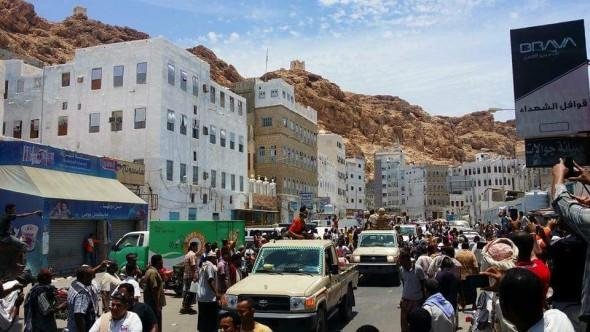
Historical background
The city of Mukalla entered an exceptional phase on April 2, 2015, when Al-Qaeda in the Arabian Peninsula exploited the security collapse accompanying the expansion of the war in Yemen and managed to take control of the city after government forces withdrew from key positions.
The group seized government institutions and military and security facilities, stormed the central prison and released a large number of prisoners, including members and leaders affiliated with it. It also seized money from a branch of the Central Bank and military equipment.
Over the following months, the group expanded its influence in parts of the Hadramout coast, benefiting from ports and local revenues, and managed some of the city's affairs through fronts and local councils under its influence.
Its control continued until April 2016, when a military and security operation began as part of the Arab Coalition, with the aim of retaking Mukalla and ending the group's presence as the authority controlling the city.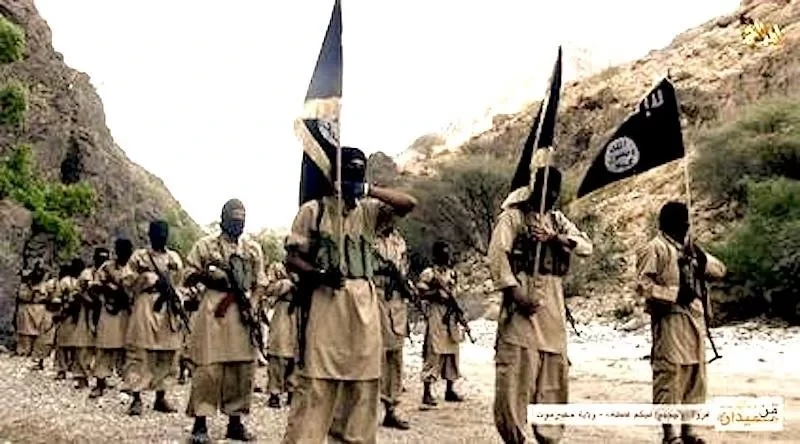
Details
April 2015: Mukalla Falls to the Group
On April 2, 2015, Al-Qaeda gunmen entered the city of Mukalla and took control of government and security positions amid weak military resistance and the retreat of state institutions.
The group stormed the central prison and released hundreds of prisoners, then seized weapons, equipment and money from financial and military institutions.
As it consolidated its control, Mukalla became the most important urban center under the group's control in Yemen at that time, and a source of revenue that helped it finance its activities and expand its influence.
Estimates by the International Crisis Group indicate that the money the group obtained from the Central Bank branch in Mukalla amounted to about 24 billion Yemeni rials, equivalent at the time to approximately $111 million.
A Year Under Control: Governing the City and the Decline of State Authority
From April 2015 to April 2016, the group imposed its influence over security and administrative life in Mukalla, relying on local arrangements to manage services and some institutions.
During this period, the group imposed social and security restrictions in the city, while exploiting financial and commercial resources, including fees levied on activities connected to the ports.
At the same time, some services and facilities continued operating through local administrations, in an effort to prevent daily life from collapsing completely.
As the months passed, public resentment of the group's practices grew, and local protests against its rule were recorded amid continued security concerns and the declining authority of official institutions.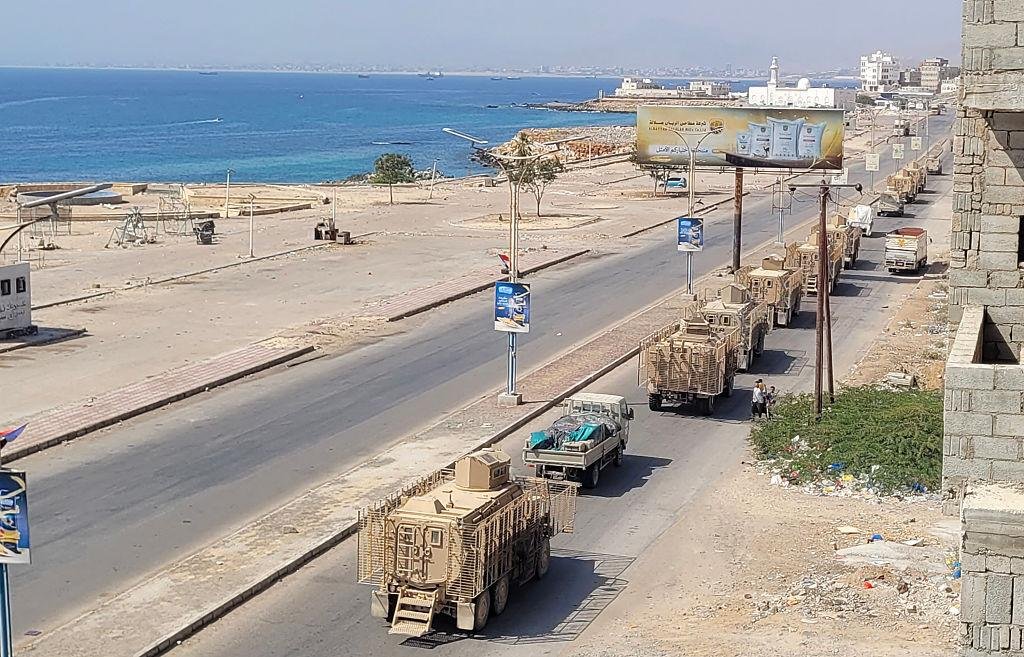
Formation of the Hadrami Elite and Preparations to Retake the City
In the months preceding the operation, local forces made up of people from Hadramout were prepared and trained to form the first core of the Hadrami Elite Forces.
According to a study published by the Sana’a Center for Strategic Studies, the force prepared in its initial phase numbered about three thousand fighters, alongside military and political arrangements aimed at ending the group's control of Mukalla.
The preparations included coordination between the local forces and the entities supporting them, with a focus on securing entrances, vital facilities and military positions.
April 24, 2016: The Recapture of Mukalla
On April 24, 2016, government forces backed by the Arab Coalition began entering Mukalla, while airstrikes targeted Al-Qaeda positions and facilities used by the group.
The Hadrami Elite Forces and supporting forces advanced toward the city and managed to retake vital positions, including the port, the airport, and government and security headquarters.
The operation saw a large-scale withdrawal of the group's members from Mukalla, with clashes and airstrikes reported in some areas. Local accounts said that the forces encountered limited resistance as they entered large parts of the city.
The Arab Coalition announced at the time that more than 800 members of the group had been killed during the operation. However, this figure remained widely disputed and was not confirmed by independent field evidence.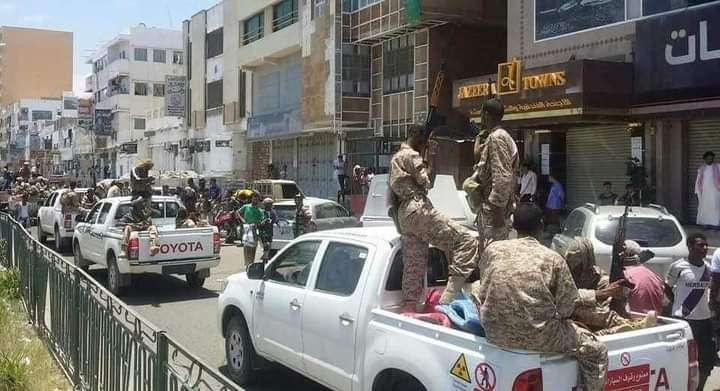
The Group's Withdrawal: Differing Accounts of How Its Control Ended
The circumstances surrounding Al-Qaeda's departure from Mukalla prompted extensive debate, particularly given the limited ground fighting in some areas of the city.
While the coalition portrayed the operation as a military victory over the group, subsequent journalistic investigations and studies revealed that arrangements and communications had preceded the withdrawal, including, according to those sources, permission for members of the group to leave the city.
The Sana’a Center for Strategic Studies concluded that the group's withdrawal took place in the context of local understandings, while other reports indicated that its members moved toward the governorates of Shabwa and Abyan.
These facts confirm that the recapture of Mukalla ended the group's control of the city, but did not mean the complete elimination of its capabilities or its presence in other parts of Yemen.
After the Recapture: Rebuilding Security Institutions
Following the entry of government forces into Mukalla, measures began to secure public facilities, roads and entrances, and to redeploy security and military forces.
The Hadrami Elite Forces played a leading role in securing areas along the Hadramout coast, while the local authorities began working to restore institutions and services affected during the period of the group's control.
Despite the end of Al-Qaeda's rule over the city, security challenges persisted, and areas in and around Mukalla saw attacks and attempts to target government forces in the following months.
In May 2016, government forces announced operations against armed members outside Mukalla, indicating that security risks continued after the city was retaken.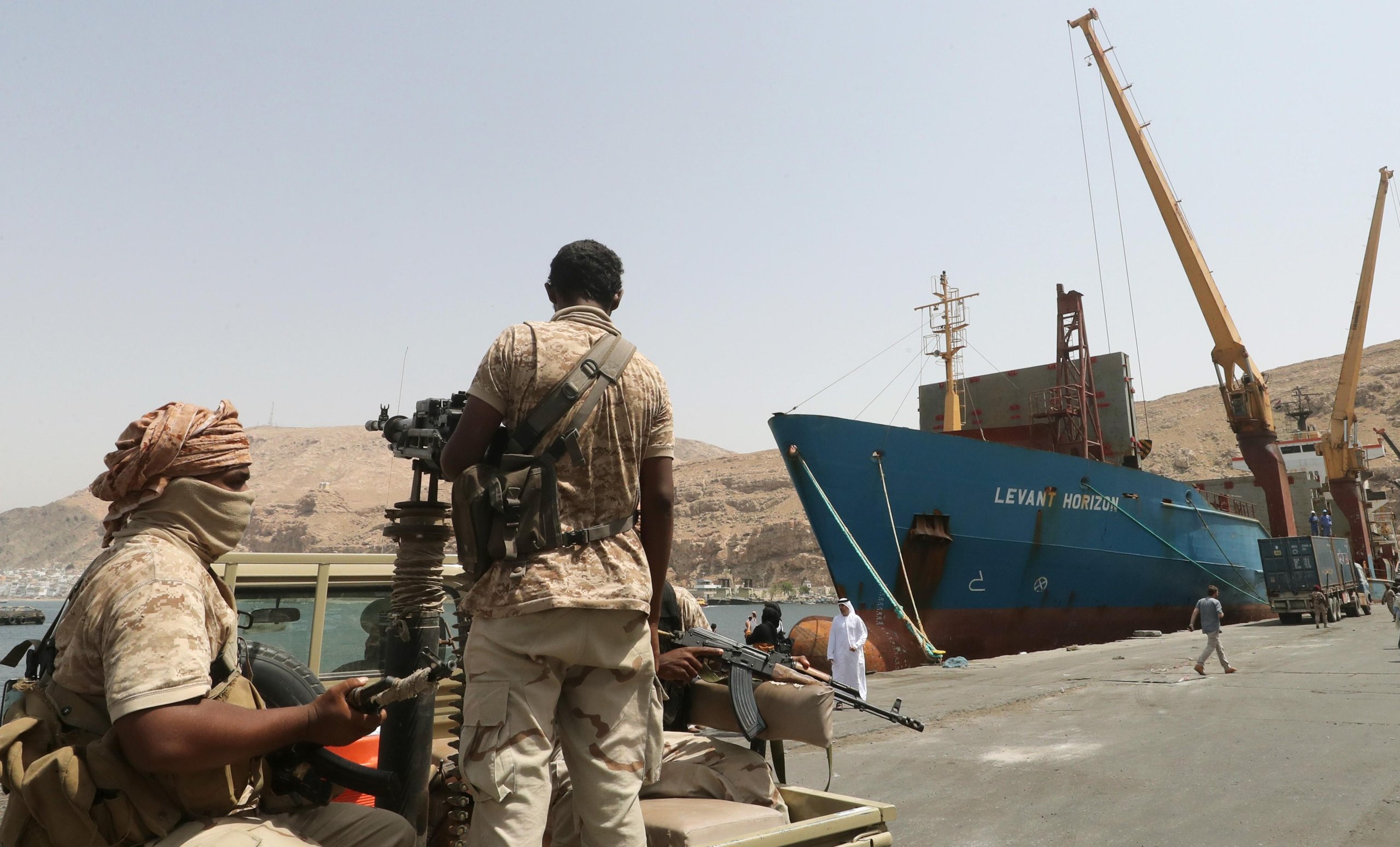
Historical impact
The recapture of Mukalla in April 2016 represented a pivotal turning point in Hadramout's recent security history, ending Al-Qaeda's control of the governorate's capital and one of its most important ports.
The event helped restore the presence of government institutions, opened the way for reorganizing the security and military agencies, and saw the emergence of the Hadrami Elite Forces as a leading local force along the governorate's coast.
The loss of Mukalla also dealt Al-Qaeda an economic blow, depriving it of an important source of revenue and resources, although its activities continued in other areas.
April 24 remained a notable date in Hadrami memory, associated with the end of a period of security turmoil and the beginning of a new phase that brought opportunities to restore stability, alongside security and political challenges that continued afterward.