
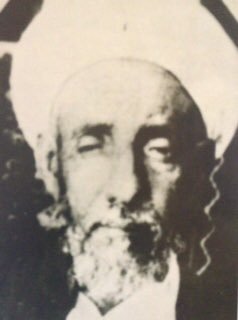
Sheikh Abu Bakr bin Salim al-Alawi
Scholar Born: 1513, Tarim – Hadramout Died: 1584 Tarim
Sheikh Abu Bakr bin Salim al-Alawi, known by the title “Pride of Existence,” was one of Hadramout’s most prominent scholars in the 10th century AH. He was born in the city of Tarim in 919 AH and became known for his scholarship, teaching, and religious guidance. He made the city of Aynat the center of his scholarly and social activities. His name became associated with establishing Aynat’s scholarly standing, and his life story remained part of Hadrami religious heritage after his death in 992 AH.
Biography
Birth and Early Life
Sheikh Abu Bakr bin Salim bin Abdullah bin Abdulrahman al-Saqqaf al-Alawi was born in the city of Tarim in Hadramout in 919 AH, corresponding to 1513 AD. He grew up in a family known for its interest in Islamic jurisprudence and religious education.
He received his early education in Tarim, memorized the Holy Quran, and studied jurisprudence, Hadith, Arabic, and Sufism under a number of scholars of his era.
Education and Scholarly Formation
He studied under a number of scholars, including Abdullah bin Muhammad Baqashir, Umar bin Abdullah Bamakhromah, and Ma'ruf bin Abdullah Bajammal.
He took an interest in Islamic sciences and spiritual education, and became a prominent figure in the traditions of Hadrami Sufism associated with the Al Ba Alawi school.
Move to Aynat
He moved from Tarim to the village of Al-Lisk, then settled in the area of Aynat, east of Tarim.
Local sources credit him with founding New Aynat around 946 AH and building a mosque there, helping transform it into a center for education and religious and social activity.
Scholarly and Social Activities
Students of knowledge and disciples from Hadramout and beyond gathered around him, and he held sessions for teaching and guidance.
He was also known for his social activities. Biographical books mention his interest in feeding the poor, honoring guests, and helping those in need.
Standing in Hadrami Society
He gained broad religious and social standing and became a reference for a number of students of knowledge and followers of the Hadrami Sufi school.
His influence extended to other areas outside Hadramout. Historical studies indicate that he had ties with scholars and notable figures in Yafa and contributed to guiding some religious figures there.
Writing and Poetry
He left works and treatises on Sufism and spiritual education, the best known of which are “Mi'raj al-Arwah,” “Miftah al-Sara'ir,” and “Fath Bab al-Mawahib.”
He was also credited with Sufi poems addressing themes of love, purification, and religious conduct.
Death and Historical Legacy
Sheikh Abu Bakr bin Salim died in 992 AH, corresponding to 1584 AD, in the town of Aynat in Hadramout, where he was buried.
Aynat remained associated with his name, and he became one of the most prominent figures covered in Hadrami biographical and hagiographical books. His descendants also became known as the family of Al Sheikh Abu Bakr bin Salim.
Works
1. Founding New Aynat Historical and local sources credit him with founding the town of New Aynat and developing it into a residential and scholarly center in Wadi Hadramout. 2. Building a Mosque in Aynat He established a mosque associated with his educational and religious activities, helping attract students of knowledge to the area. 3. Spreading Islamic Sciences He held sessions for teaching and guidance, and taught religious sciences and spiritual education to a number of students. 4. Writing on Sufism He authored works on religious conduct and purification, among the most prominent of which are “Mi'raj al-Arwah” and “Miftah al-Sara'ir.” 5. Contributing to Social Life He was known for his interest in charitable work, honoring guests, and helping the poor, according to biographical books. 6. Strengthening Aynat’s Scholarly Standing His activities helped establish Aynat’s presence among Hadramout’s well-known religious centers. 7. Influence in Areas Outside Hadramout His scholarly and social ties extended to Yafa, and historical studies indicate his role in guiding some religious figures there. 8. Leaving a Literary and Spiritual Legacy He left poems and religious treatises that continued to circulate as part of Hadrami Sufi heritage.