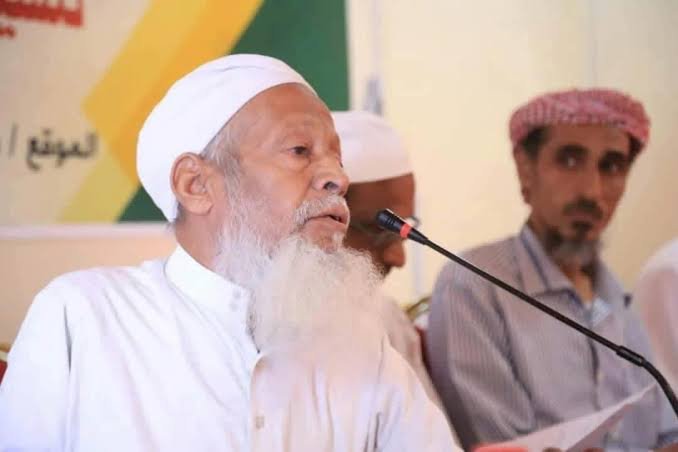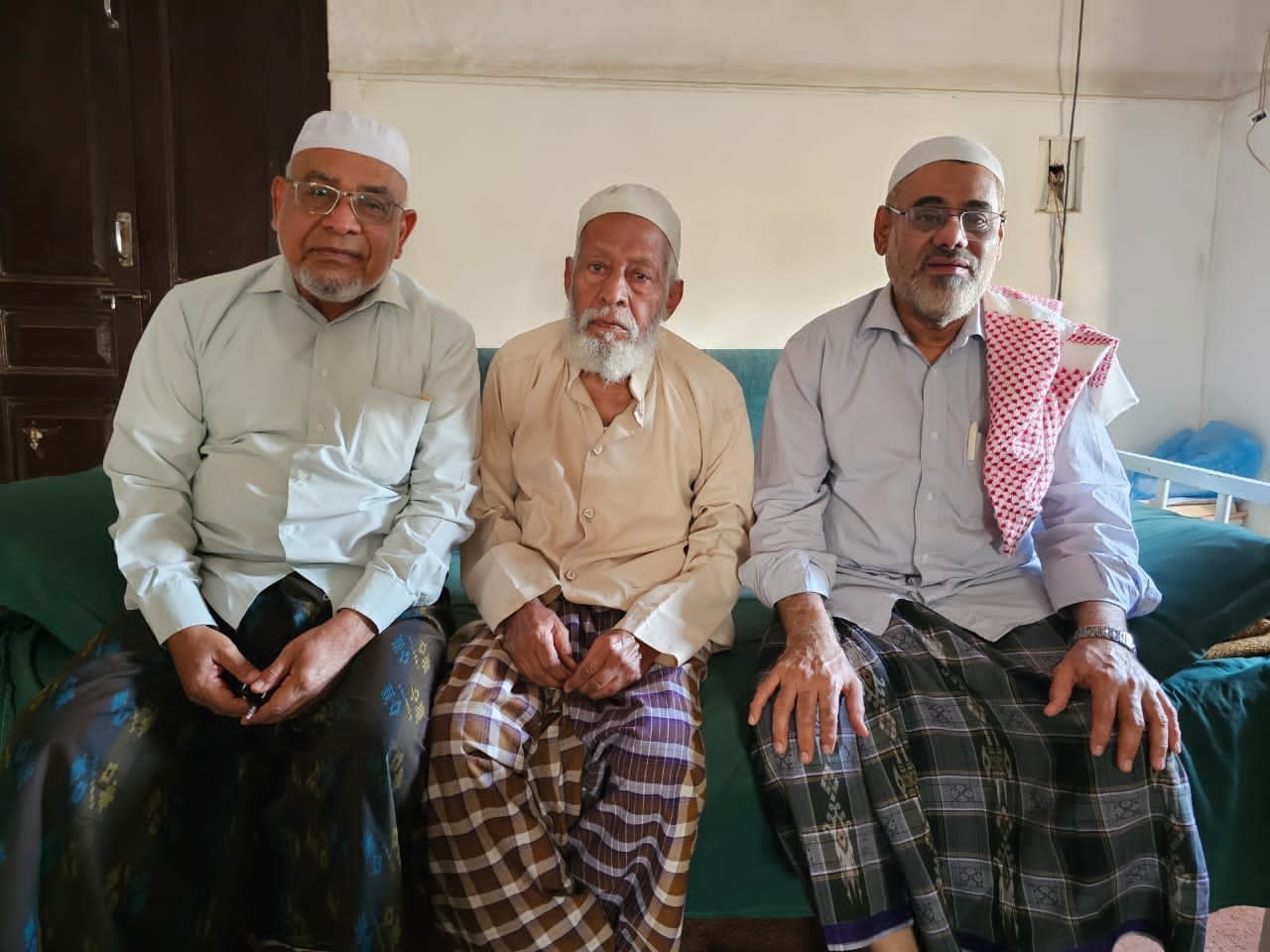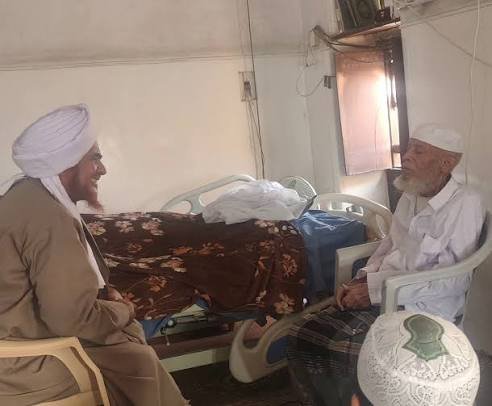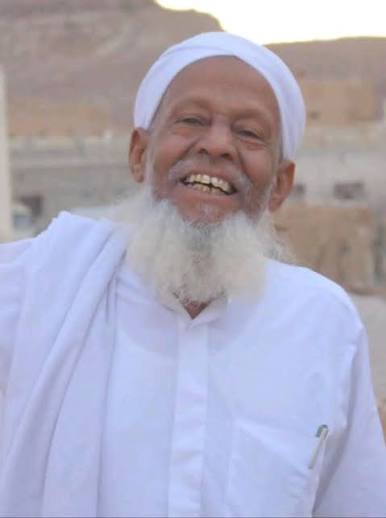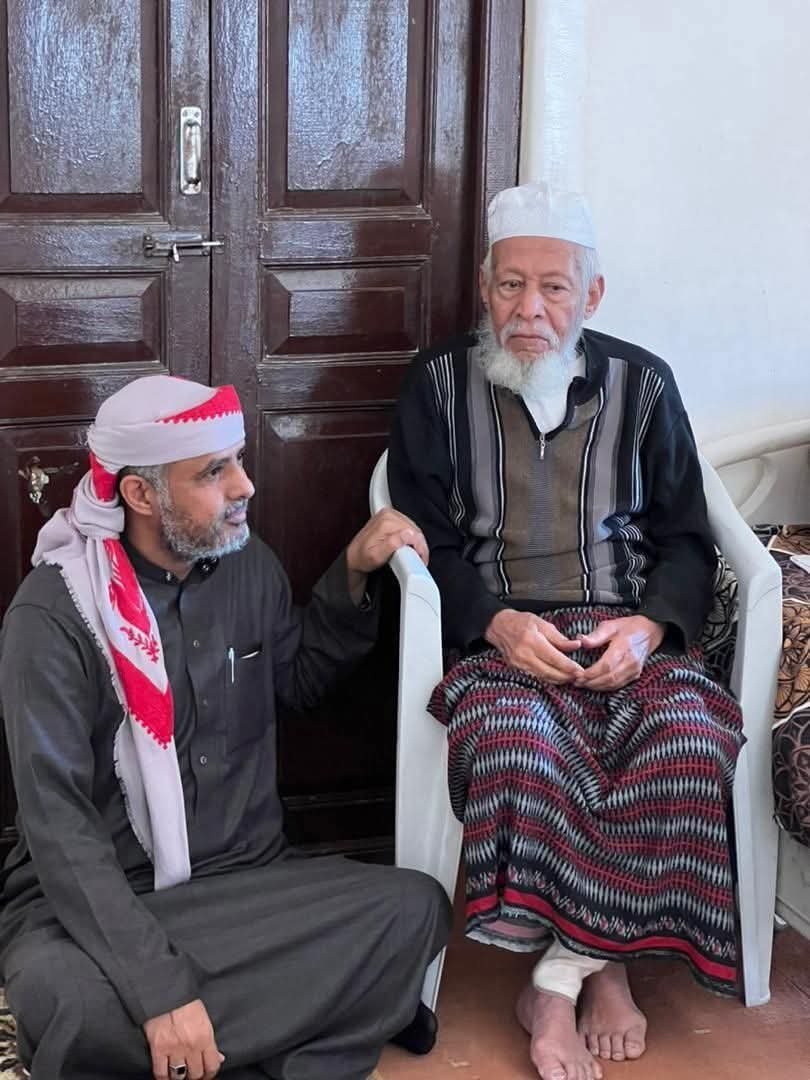
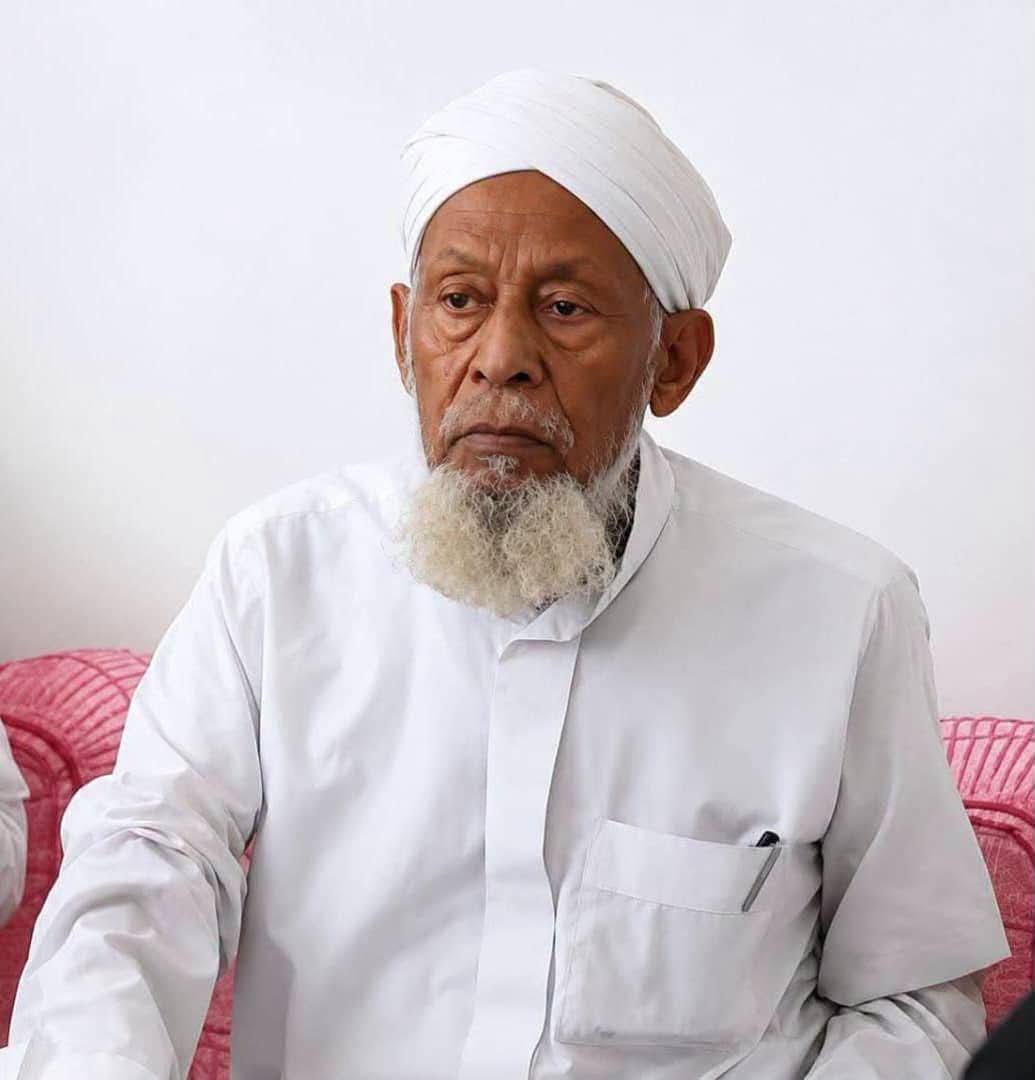
Sheikh Ali bin Salem Saeed Bakir Baghithan
Scholar Born: 23 December 1942, Tarim, Hadramout Died: 14 July 2026
Sheikh and scholar Ali bin Salem bin Saeed Bakir Baghithan was a Hadrami scholar, jurist and preacher, and one of Yemen’s scholarly authorities in Shafi‘i jurisprudence and the laws of inheritance. He was born in the city of Tarim, Hadramout Governorate, in 1942, and grew up in a family known for its scholarship and jurisprudence. He devoted his life to education, issuing religious rulings, preaching and preserving Islamic heritage. He held a number of scholarly and religious responsibilities, most notably chairing the Hadramout Fatwa Council and the Wadi Hadramout Council of Scholars, and serving as a member of the Yemeni Council of Scholars and the Shura Council, in addition to his contributions to the management of the Al-Ahqaaf Library for Manuscripts in the city of Tarim. His scholarly career spanned more than six decades, during which he combined teaching, authorship, guidance and social work, until
Biography
Birth and upbringing
Sheikh Ali bin Salem bin Saeed Bakir Baghithan was born on the fifteenth of Dhul-Hijjah, 1361 AH, corresponding to December 23, 1942, in the historic city of Tarim in Wadi Hadramout. He grew up in a scholarly and religious environment that helped shape his character and direct his early interest toward seeking religious knowledge.
His father, Sheikh Salem bin Saeed Bakir Baghithan, was a scholar of Shafi‘i jurisprudence in Tarim. He taught him the fundamentals of religious sciences, as well as reading and writing, with a number of the city’s sheikhs.
Education and scholarly formation
The Sheikh enrolled at the Tarim religious institute and continued his studies under the scholars and jurists of Hadramout, deepening his knowledge of Shafi‘i jurisprudence and its principles, inheritance laws, grammar and other religious sciences.
This period helped establish his scholarly standing. From a young age, he was involved in study circles and jurisprudential gatherings, and devoted himself to studying religious texts and their commentaries.
Scholarly and preaching career
Sheikh Baghithan began teaching at an early age, at around twenty, and continued for decades to teach religious sciences in mosques, institutes and scholarly gatherings in the city of Tarim.
He became known for teaching Shafi‘i jurisprudence and the laws of inheritance, and a large number of students of knowledge graduated under his tutelage, benefiting from his lessons and scholarly gatherings.
He also served as imam and preacher at Al-Noor Mosque in the Aidid area of Tarim, using its pulpit and his lessons to spread religious knowledge, guidance and community awareness.
Fatwas and jurisprudential authority
The Sheikh held a scholarly standing in Hadramout’s religious circles. He chaired the Governorate’s Fatwa Council, in addition to chairing the Wadi Hadramout Council of Scholars and serving as a member of the Yemeni Council of Scholars.
Issuing fatwas and teaching Islamic law formed a central part of his career, particularly in matters related to Shafi‘i jurisprudence, worship, transactions and inheritance.
Service to heritage and manuscripts
Sheikh Baghithan’s name was closely associated with the Al-Ahqaaf Library for Manuscripts in the city of Tarim, where he held management responsibilities. He contributed to preserving and cataloguing manuscripts and heritage books, and to serving researchers and those interested in Islamic heritage.
The library was one of the most prominent centers of his scholarly and cultural activity, given its collection of manuscripts and works that represent an important part of the history of scholarly activity in Hadramout.
Social and national engagement
Alongside his scholarly and religious activities, the Sheikh participated in social and national life and contributed to efforts to reconcile people and resolve community disputes.
He also served as a member of the Yemeni Shura Council, was among the founding figures of the Yemeni Congregation for Reform in Hadramout Governorate, and participated in a number of political and intellectual meetings and activities.
Death and scholarly legacy
Sheikh and scholar Ali bin Salem bin Saeed Bakir Baghithan died on Tuesday, July 14, 2026, in the city of Tarim, after a long career in teaching, issuing fatwas, preaching, authorship and community service.
His body was carried in a funeral procession on Wednesday, July 15, 2026, with wide official and public participation. The funeral prayer was held at Tarim’s Jibana before he was laid to rest in Al-Furait Cemetery.
The Sheikh left a scholarly legacy in his books, lessons, fatwas and students, as well as his efforts to serve manuscripts and Islamic heritage. His name will remain present in the scholarly memory of the city of Tarim and Hadramout.
Works
1. Teaching Shafi‘i jurisprudence and religious sciences For more than six decades, he devoted himself to teaching Shafi‘i jurisprudence, the laws of inheritance and other religious sciences, helping prepare generations of students of knowledge in the city of Tarim and Wadi Hadramout. 2. Fatwas and religious authority He chaired the Hadramout Fatwa Council and served as a scholarly authority on jurisprudential and religious matters, in addition to his membership in local and national scholarly bodies. 3. Service to the Al-Ahqaaf Library for Manuscripts He served as custodian of the historic Al-Ahqaaf Library in the city of Tarim, contributing to the preservation and cataloguing of its manuscripts, caring for Hadrami scholarly heritage and making it accessible to those wishing to benefit from it. 4. Leading prayers and preaching at Al-Noor Mosque He served as preacher at Al-Noor Mosque in the Aidid area of the city of Tarim, delivering scholarly and religious lessons and lectures that helped spread religious knowledge. 5. Service to Quranic education He chaired the Wadi Hadramout branch of the Charitable Society for Teaching the Holy Quran from its establishment until 1999, contributing to the support of Quranic education and related activities. 6. Writing and scholarly research He left a number of books, studies and commentaries on jurisprudence and history. Among the most prominent are the book “History of Tarim Mosque,” the book “Men and Books,” and commentaries on Shafi‘i jurisprudence, including a commentary on the text of Abu Shuja‘. 7. Participation in conferences and scholarly journeys He took part in scholarly and cultural seminars and conferences inside and outside Yemen, and traveled to India to search for Yemeni manuscripts. He also participated in Arab cultural and scholarly events. 8. Social reconciliation He contributed to efforts to reconcile people and settle community disputes, and was active in social councils and bodies in the city of Tarim. 9. National and political work He served as a member of the Yemeni Shura Council, was among the founders of the Yemeni Congregation for Reform in Hadramout, and held responsibilities in its consultative bodies, in addition to participating in public life. Prominent scholarly works: History of Tarim Mosque (The Comprehensive History of the Mosque) Men and Books Commentary on the text of Abu Shuja‘ Commentaries and annotations on books of jurisprudence
Photos