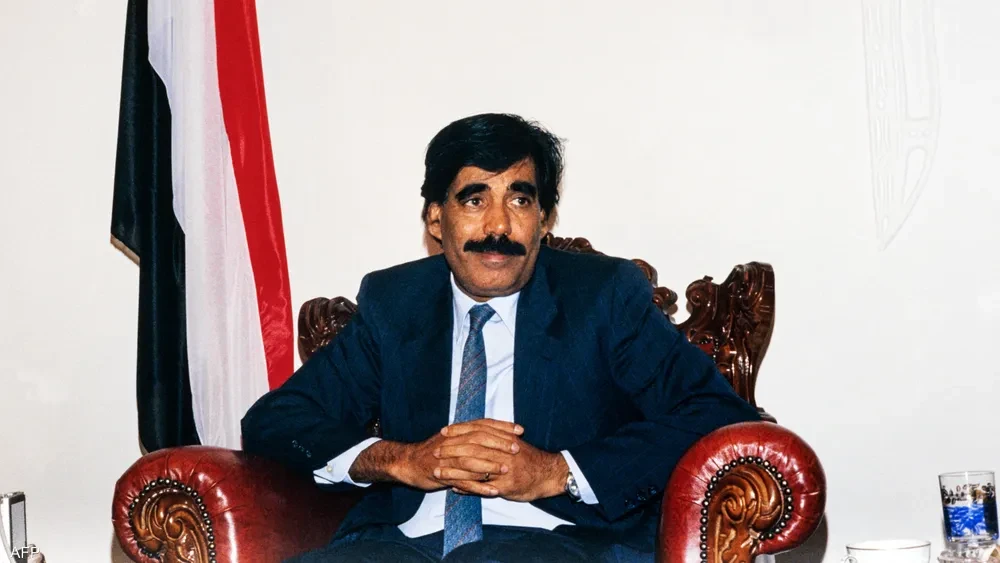
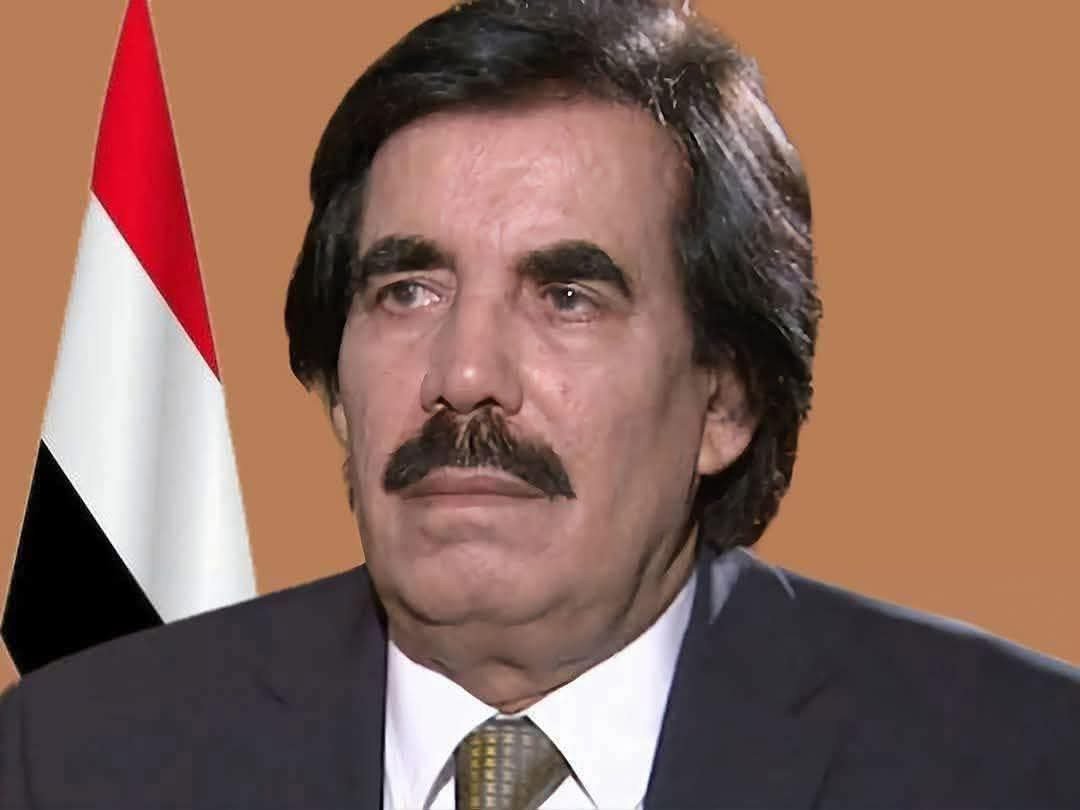
Ali Salem al-Beidh
Politician Born: 10 February 1939, Ar Raydah wa Qussay'ar – Hadramout Died: 17 January 2026 Ar Raydah wa Qussay'ar
Biography
Birth and Early Life
Ali Salem al-Beidh was born on February 10, 1939. Most biographical accounts indicate that his birthplace was the village of Ma'bar in Ar Raydah wa Qussay'ar District, Hadramout Governorate.
He received his primary and intermediate education in Ghayl Ba Wazir, before moving to Aden in 1956 to continue his secondary education, at a time when anti-British colonial national activity was growing.
Education and Political Formation
His student activism came to prominence during his studies in Aden, and in 1959 he became president of the Hadrami Students' Union.
In 1963, he moved to Cairo to study at the Faculty of Engineering and took part in the activities of the Yemeni Students' Union, while also becoming involved in nationalist movements that were influential in Arab political life at the time.
Participation in the National Movement
Al-Beidh joined the Arab Nationalist Movement and was among the figures associated with the National Front, which took part in the struggle against the British presence in South Yemen.
Following the independence of the south on November 30, 1967, he entered government service and became defense minister in the new state, then held other ministerial and executive posts.
Government and Party Positions
Al-Beidh rose through the ranks of the People's Democratic Republic of Yemen, serving as minister of foreign affairs and presidential affairs, as well as holding other responsibilities in local government and planning.
He was one of the prominent leaders of the Yemeni Socialist Party, which was founded in 1978 and became the ruling party in the south.
January 1986 Events
The clashes that broke out within the Yemeni Socialist Party on January 13, 1986, marked a decisive turning point in his political career.
Al-Beidh survived those events, which resulted in a large number of casualties and President Ali Nasser Mohammed's departure from power.
After the clashes ended, Al-Beidh became secretary-general of the Yemeni Socialist Party and the leading political figure in the leadership of South Yemen.
His Role in Achieving Yemeni Unity
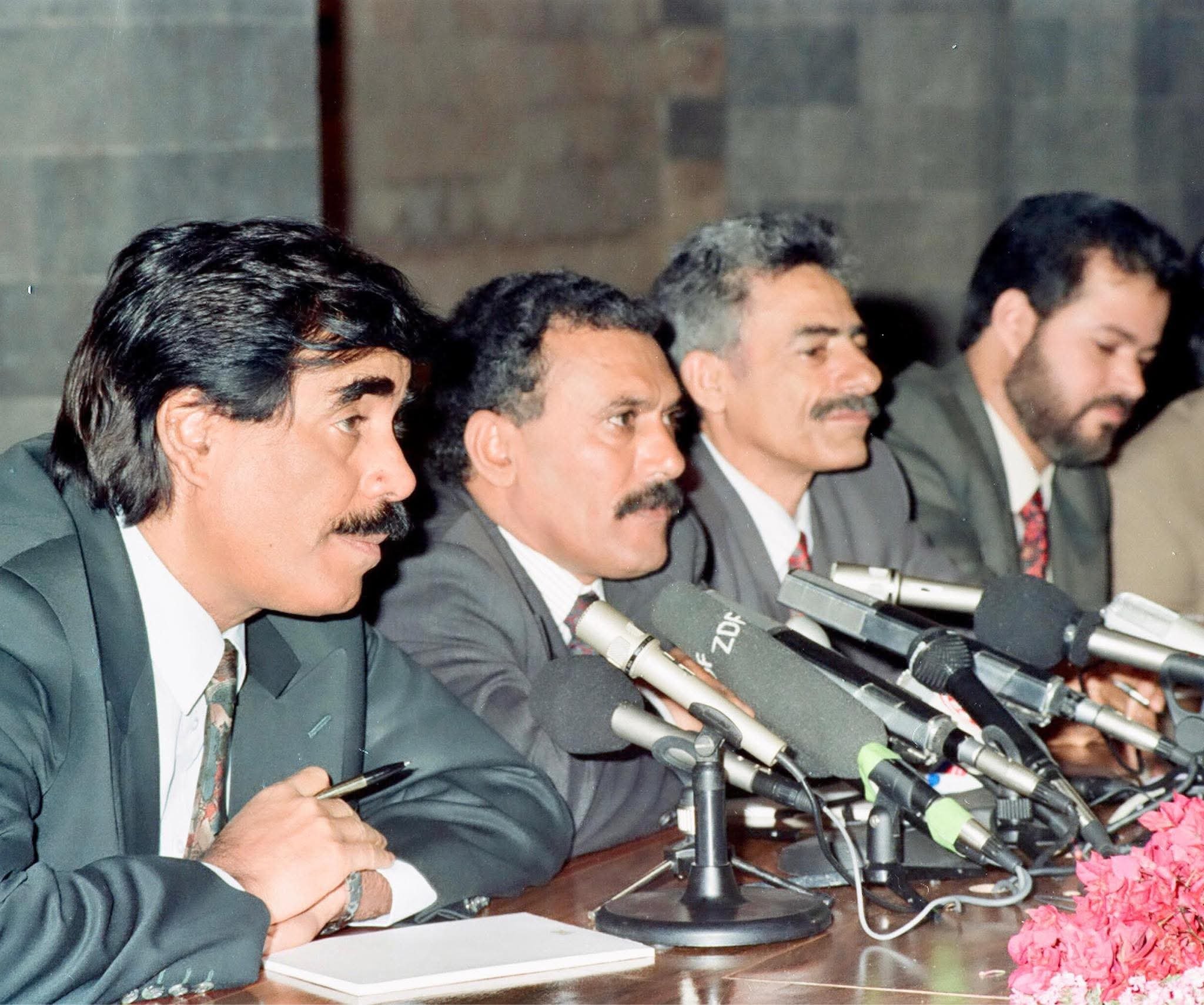
Al-Beidh took part in the negotiations that preceded the announcement of unity between the Yemen Arab Republic and the People's Democratic Republic of Yemen.
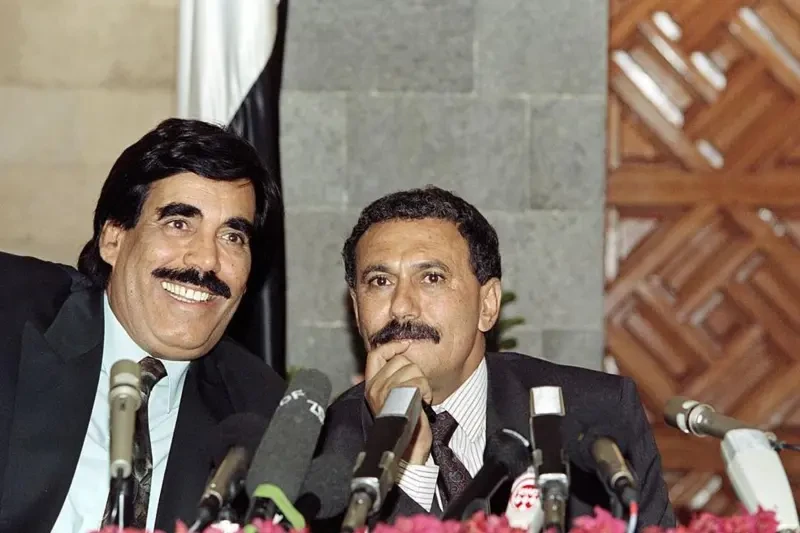
On November 30, 1989, he signed an agreement with President Ali Abdullah Saleh paving the way for the establishment of a unified state.
On May 22, 1990, the Republic of Yemen was declared, and Ali Salem al-Beidh became vice president of the Presidential Council, while Ali Abdullah Saleh became president of the council.
Political Crisis After Unity
The following years saw growing disagreements between the partners in unity, the General People's Congress and the Yemeni Socialist Party, over state administration, the distribution of power, and security and military affairs.
The crisis worsened after the 1993 parliamentary elections, despite attempts to reach a political settlement, most notably the Document of Pledge and Accord, signed in Amman in February 1994.
The 1994 Summer War
War broke out between forces aligned with the authorities in Sana'a and forces loyal to Yemeni Socialist Party leaders in May 1994.
On May 21 of that year, Al-Beidh unilaterally declared the establishment of the “Democratic Republic of Yemen,” a move that constituted a political declaration of disengagement between the north and south.
The war ended on July 7, 1994, with Yemeni government forces taking control of Aden, and Al-Beidh leaving for the Sultanate of Oman.
Political Activity Abroad
Al-Beidh lived outside Yemen for many years before returning to public political life in May 2009, announcing his support for the Southern Movement's demands to restore the southern state.
He became one of the most prominent figures of the separatist current and continued his political and media activity from abroad.
Death and Political Legacy
Ali Salem al-Beidh died on Saturday, January 17, 2026, in the UAE capital, Abu Dhabi, at the age of 86.
His body was returned to Hadramout, where he was buried in his birthplace.
Al-Beidh's political career was associated with three main stages in modern Yemeni history: leading the state in the south, participating in the establishment of the Republic of Yemen, and then calling for disengagement after the 1994 war.
Works
1. Participation in the national movement against colonialism He took part in nationalist and political activity opposing the British presence in South Yemen and joined the National Front, one of the main forces during the period leading to independence. 2. Appointment as defense minister after independence He was appointed defense minister following South Yemen's independence in November 1967, as part of the new state's first government formations. 3. Holding several ministerial portfolios He held positions in the ministries of foreign affairs, presidential affairs, planning, and local government, as well as leadership posts in the ruling party. 4. Leadership of the Yemeni Socialist Party He became secretary-general of the Yemeni Socialist Party in 1986, following the bloody events in Aden. 5. Leading South Yemen before unity He held the highest political leadership position in the People's Democratic Republic of Yemen from 1986 to 1990. 6. Participation in the Yemeni unity agreement He was among the leading signatories to the agreements that led to the declaration of the Republic of Yemen on May 22, 1990. 7. Serving as vice president of the Presidential Council He served as vice president of the Presidential Council of the Republic of Yemen from 1990 to 1994. 8. Participation in negotiations during the political crisis He was a principal party to the political disputes and negotiations that took place in the country between 1993 and 1994. 9. Declaration of disengagement in 1994 He unilaterally declared the establishment of the Democratic Republic of Yemen during the 1994 summer war, before the war ended with government forces taking control of Aden. 10. Return to political activity in 2009 From outside Yemen, he announced his support for the Southern Movement's demands to restore the state and continued to feature in political discussions related to the southern issue.
Photos