
Severe Fuel Shortage Forces Wadi Hadramout Electricity to Reduce Generation Amid Widening Deficit
On May 15, 2026, the Public Electricity Corporation in Wadi Hadramout revealed a sharp decline in fuel supplies allocated to generation plants, with the average incoming amount falling to 116,000 liters per day, compared with an operating requirement of about 200,000 liters. The shortage forced the corporation to scale back plant operations and increase outage hours to preserve emergency stocks and prevent a complete shutdown of the system.
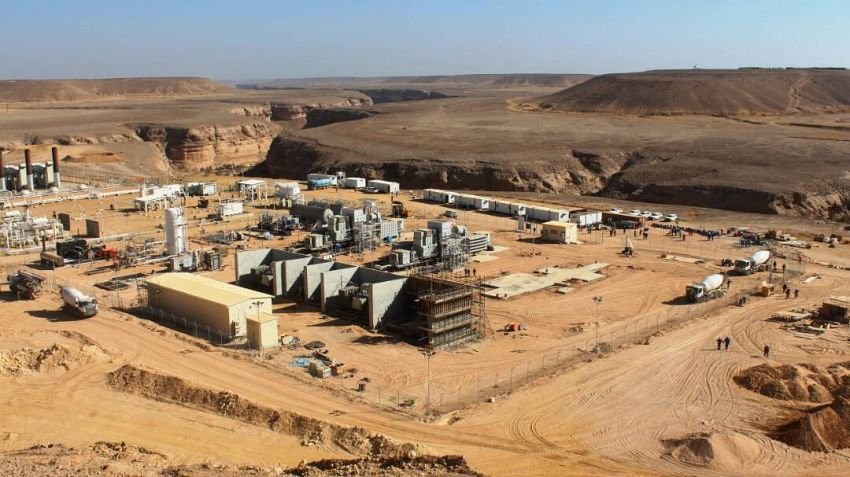
The electricity crisis in Wadi Hadramout and the Desert entered a more complicated phase during May 2026, after the Public Electricity Corporation revealed a continued decline in the quantities of fuel supplied to generation plants. This forced it to reduce output and reorganize operating schedules in an effort to maintain service continuity and prevent the plants from shutting down completely.
On May 15, the corporation issued a clarification on the reasons for the deterioration in electricity supply during the preceding period. It showed that the daily requirement to operate the available capacity was about 200,000 liters of fuel, while the quantities reaching the plants no longer covered this need.
According to the corporation’s data, average daily supplies were about 130,000 liters during February and March, before falling to 118,000 liters in April and then declining to about 116,000 liters per day from the beginning of May through May 14.
These figures showed that the electricity system had gradually lost a significant portion of the supplies needed to operate its available capacity, widening the gap between the energy that could technically be generated and the energy that available fuel quantities actually allowed it to produce.
In response to this decline, the corporation took exceptional operating measures, including reducing daily fuel consumption to about 100,000 liters by cutting the operating hours of some generating units and regulating plant operations in line with the available quantities.
This measure did not reflect a decline in residents’ electricity needs, but rather an attempt to manage the fuel shortage and maintain the minimum possible level of service, instead of rapidly consuming the available quantities and risking a broader shutdown of the generation system.
The corporation said its operating plan included retaining a reserve stock sufficient for three days at the plants, in addition to an extra reserve sufficient for one week at a nearby plant, to address any sudden interruption in supplies or emergency operating conditions.
The corporation also revealed that it was following up on the reasons for the decline in incoming quantities, noting that the cancellation of some fuel shipments allocated to Wadi Hadramout had disrupted regular operations and increased pressure on the electricity system.
The crisis coincided with a major electricity generation deficit in the first days of May. The operating report for Monday, May 4, showed that evening demand reached 208.9 megawatts, while actual production did not exceed 83.6 megawatts, leaving a deficit of 125.3 megawatts.
On the evening of Tuesday, May 5, demand reached 210.4 megawatts, compared with production of 85.2 megawatts, recording a deficit of 125.2 megawatts. This reflected the extent of the pressure facing the system before the official clarification was issued.
Qaryu Plant also recorded zero production during some morning periods, while Al-Ghuraf Plant’s contribution remained limited. The system relied mainly on the output of the PetroMasila gas-fired plant, alongside Al Jazeera Plant and the purchased-power generators in Badra.
These data do not necessarily mean that the fuel shortage was the sole reason for lower output at every plant, as multiple technical and operational factors affect production levels. However, they show the scale of the deficit that coincided with the supply crisis.
On May 7, the leadership of the local authority in Wadi Hadramout discussed generation challenges and fuel provision with electricity corporation officials, as well as following up on the project for the two new plants with a capacity of 100 megawatts, for which the foundation stone was laid in April, as one of the projects expected to boost production capacity.
This development showed that expanding generation projects, despite their importance, cannot by itself resolve the problem of service stability unless accompanied by securing fuel, developing operational infrastructure and ensuring regular supplies.
The May crisis also exposed the difficulty of balancing residents’ daily needs with preserving emergency stocks, as the corporation faced two options, both of which affected service: increasing operations and rapidly consuming fuel, or reducing production to keep the plants running for as long as possible.
The announcement of May 15, 2026, was one of the notable milestones in the history of the electricity crisis in Wadi Hadramout because it provided detailed figures explaining some of the reasons for the decline in service. It showed that the deficit was not caused solely by a shortage of generating units, but also by the unavailability of the fuel needed to make use of existing capacity.
The event has particular documentary significance in the record of the electricity crisis in Hadramout, as it records a phase in which the corporation was forced to deliberately reduce operations to preserve stocks and prevent a complete collapse, amid an ongoing need for financial, logistical and operational solutions to ensure that fuel arrives in the required quantities.