
Hadramout Begins Restructuring Security and Securing Its Oil Facilities After Mukalla’s Recapture
Hadramout Governorate entered a new phase of security and military arrangements on Monday, January 5, 2026, following government forces’ recapture of control over the cities of the valley and coast. The Nation’s Shield Forces continued their deployment to secure military camps and vital facilities, while Governor Salem Ahmed al-Khanbashi returned to Mukalla and announced that rebuilding the security services, restoring services and protecting oil facilities would be priorities, amid measures to counter looting and arms smuggling that accompanied the military shifts.
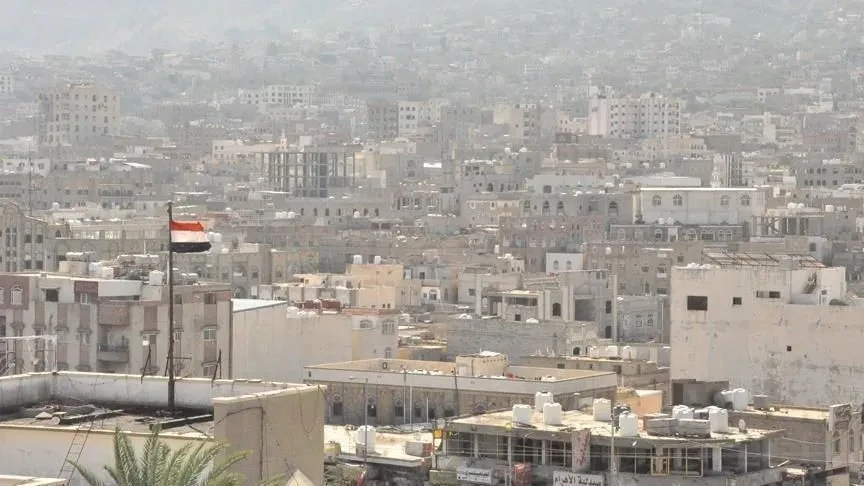
Hadramout Moves from Military Operations to Consolidating Stability
Hadramout Governorate began a new phase of security and military developments on Monday, January 5, 2026, following the completion of the main phase of the “Taking Over the Military Camps” operation, carried out by the Nation’s Shield Forces in the preceding days.
This phase followed the recapture of control over the 37th Armored Brigade camp in Al-Khash'ah, then the city of Seiyun and its international airport, culminating in the entry of the Nation’s Shield Forces into Mukalla and their deployment at Riyan Airport and vital sites along the coast.
As forces affiliated with the Southern Transitional Council withdrew from their prominent military positions, the local authority’s stated priorities shifted from retaking military camps to consolidating control, resuming the work of institutions and organizing the security deployment.
The governorate faced interconnected challenges, foremost among them protecting government facilities, preventing the seizure of weapons and military equipment, and restoring regular public services, particularly electricity and air transport.
January 5 marked a clearer beginning to the phase of managing the fallout from the military confrontations, rather than continuing to focus solely on combat operations.
Governor Returns to Mukalla and Announces a New Phase
Hadramout Governor Salem Ahmed al-Khanbashi arrived in Mukalla on Monday, January 5, after government control over the city and its main facilities had been restored.
In remarks to Al Jazeera, he said the next phase would include meetings with the various political and social groups in the governorate, with the aim of uniting efforts and preserving security and stability.
He also announced that Hadramout was entering a new phase requiring the overcoming of divisions and the rebuilding of state institutions, amid the security and administrative challenges left by the military developments.
The governor’s return to Mukalla came at an important time, as the city is the governorate’s capital and the center of its executive and economic institutions.
The move signaled a shift in management of the new phase from monitoring field military operations to direct oversight of the reorganization of institutions and security services along the coast.
Rebuilding the Security Institution
Rebuilding the security services emerged as one of the local authority’s foremost priorities on January 5.
In remarks to Al Arabiya and Al Hadath, Governor al-Khanbashi said the next task was to rebuild the security institution and restore the authority’s damaged agencies so they could resume their duties.
He noted that the measures included combating sabotage and smuggling, apprehending outlaws, and restoring government institutions’ ability to operate regularly.
These remarks came amid a need to reorganize responsibilities between the Nation’s Shield Forces and the Hadrami military and security formations present along the coast and in the valley.
The preceding developments had involved multiple forces in taking over and securing positions, making the organization of command and the definition of responsibilities important issues for the next phase.
No announcement was made that day that the restructuring of all security services had been completed; rather, work was beginning to address the effects of the crisis and rebuild damaged institutions.
Nation’s Shield Forces Deploy Across Coastal Districts
The Nation’s Shield Forces continued their deployment across the districts of the Hadramout coast on Monday, January 5, as part of the phase following the “Taking Over the Military Camps” operation.
The movements included taking over sovereign and vital facilities and strengthening the security presence at sites where forces affiliated with the Southern Transitional Council had withdrawn.
According to Al Jazeera’s coverage, the deployments took place as part of efforts to restore order after a number of facilities were subjected to looting and robbery during the period of military shifts.
Security agencies also began resuming their activities, alongside efforts to restore regular operations at government institutions.
The main challenge was to prevent a security vacuum following the withdrawal of the previous formations and ensure that abandoned camps and sites did not become sources of weapons or disorder.
Accordingly, the continuation of the military deployment took on significance beyond consolidating control on the ground, extending to protecting public property and ensuring institutions returned to work.
Hadramout Protection Forces Join Efforts to Secure Mukalla
Alongside the deployment of the Nation’s Shield Forces, the Hadramout Protection Forces announced field operations to secure government headquarters and vital facilities in Mukalla, with support from members of the Hadramout Tribal Alliance.
Brigadier General Ahmed al-Qahoom al-Alyee, deputy commander of the Mukalla liberation mission, said the movements aimed to strengthen stability and protect public and private property.
According to published statements, the operation was conducted under the supervision of Hadramout Governor Salem al-Khanbashi and Hadramout Tribal Alliance chief Amr bin Habrish.
The participating forces said they would deal with attempts to commit sabotage and attack property in accordance with legal procedures.
This deployment reflects the continued participation of local Hadrami formations in managing the security situation, alongside the Nation’s Shield Forces.
It also highlights that the phase following Mukalla’s recapture was not limited to a single military force, but relied on coordination among several formations to secure facilities and installations.
Protecting Oil Facilities Tops the Priorities
Oil facilities featured prominently in the new security arrangements, given the importance of the oil sector to the local economy and state revenues.
On Monday, January 5, Governor al-Khanbashi met with Brigadier General Ahmed al-Maari, commander of the Oil Companies Protection Force in the Hadramout Plateau, to discuss efforts to secure oil fields and facilities.
The governor affirmed the local authority’s support for the forces tasked with protecting oil companies and its commitment to strengthening their role in safeguarding facilities and economic interests.
The meeting followed weeks of tensions in oil-producing areas, particularly the Masila fields, accompanied by military movements, mediation efforts and de-escalation agreements that did not all hold.
Protecting the fields carries added importance because the oil sector is linked to energy supplies and basic services, including electricity.
However, the commitment to protecting the facilities does not mean that all production or export operations had returned to normal levels on January 5, as that requires separate operational data.
Countering the Looting of Weapons and Military Equipment
The issue of missing or looted weapons and military equipment emerged among the security challenges facing the local authority after control over the military camps was restored.
In media remarks on January 5, Governor al-Khanbashi said some equipment had been looted at Riyan and Seiyun airports, and that security forces had apprehended people accused of attempting to smuggle weapons.
He affirmed that the Nation’s Shield Forces were working to apprehend violators and prevent the transfer of weapons outside official channels.
These remarks reflect the scale of the challenges that can accompany a transfer of military control, particularly when forces withdraw from camps containing equipment, vehicles and ammunition.
No final list of missing or seized equipment, nor a final judicial tally concerning the accused, was published in the statements reviewed; these incidents therefore remain limited to what the local authority announced.
Resuming Operations at Seiyun and Riyan Airports
Resuming airport operations was one of the important service-related issues during the new phase.
Governor al-Khanbashi announced that work was under way to resume flights at Seiyun and Riyan airports, following disruptions associated with the military developments during December 2025 and early January 2026.
Flights at Seiyun Airport had been suspended, affecting passenger traffic, particularly for patients, students and expatriates who rely on air transport.
The facilities and equipment at both airports also needed technical and security assessments before operations could resume.
The governor affirmed that rehabilitating facilities and restoring services were priorities for the local authority, but his remarks did not set January 5 as a final date for the resumption of all flights.
For the chronological record, it is important to distinguish between the announcement of plans to resume operations and the actual resumption of flights, as these are two different events.
Integrating Hadrami Elite Forces and Addressing the Fallout from the Confrontations
The new arrangements included an announced plan to integrate the Hadrami Elite Forces, which had been deployed along the governorate’s coast, as part of efforts to reorganize the military and security landscape.
The governor also ordered the formation of a committee to assess damage to public and private property during the recent developments, while emphasizing the need to care for the families of those killed and the wounded.
These measures are particularly important given the number of military formations that took part in the events and the resulting need to address the circumstances of personnel and military sites.
However, the announcement of integration and the formation of the committee do not mean implementation was completed that same day; assessing the results requires follow-up on subsequent decisions and measures.
These issues formed part of an effort to move from managing the military confrontation to addressing its institutional and social consequences.
Efforts to Bring Political and Social Groups Together
Alongside the military arrangements, Governor al-Khanbashi announced his intention to hold meetings with the various political and social groups in Hadramout, with the aim of strengthening consensus and preventing a renewed conflict.
He also inaugurated the headquarters of the Hadramout National Council in Seiyun, in a move with political significance related to the new phase.
The governor spoke of the importance of uniting the Hadrami ranks and rebuilding institutions on the basis of cooperation among local groups.
These moves came amid continuing disagreements over the future of political and military arrangements in southern Yemen and differing positions among local forces on the recent developments.
Thus, the restoration of military control over the governorate did not mark the end of political divisions, but the beginning of a new phase of debate over the management of security and institutions and the representation of Hadrami forces.
The Military and Political Significance of the Event
The developments of Monday, January 5, 2026, marked a shift in the nature of the Hadramout crisis, as the governorate moved from a phase of battles and military withdrawals to one of rebuilding the security services and consolidating control over vital facilities.
The announced measures highlighted three main issues: organizing the deployment of forces, protecting oil facilities and sovereign installations, and addressing the effects of looting and disruption that affected some institutions.
The participation of the Nation’s Shield Forces, the Hadramout Protection Forces and local security formations also showed that restoring stability requires ongoing coordination among the various military and security bodies.
Accordingly, January 5, 2026, is recorded as the beginning of a phase of consolidating security and rebuilding institutions in Hadramout, after control over the most prominent sites in the valley and along the coast had been restored in the preceding days.