District in The Valley and Desert · Hadramout Governorate
Al Abr
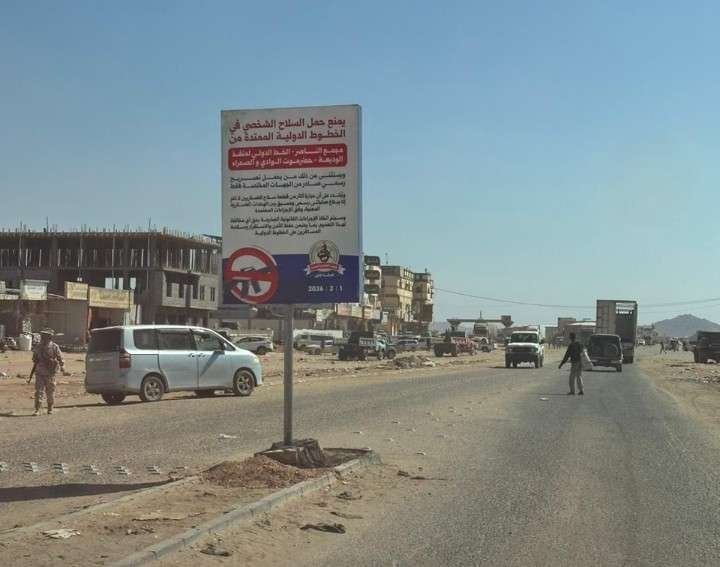
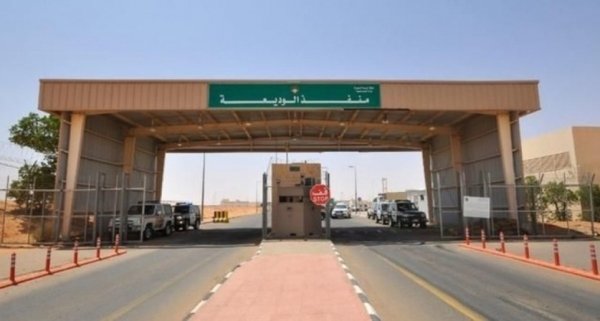
Al Abr District is one of the districts of Wadi and Desert Hadramout. It lies in the western part of the governorate and is distinguished by its vast desert area and strategic location on roads linking Yemeni governorates with the Kingdom of Saudi Arabia. The district has economic and commercial importance as the home of the Al-Wadiah land crossing, one of Yemen’s most prominent border crossings, as well as for its role in the movement of transport, passengers and goods.
- Region
- The Valley and Desert
- Approximate area
- 7,840 km²
- Population
- The population is estimated at around 21,139 thousand people in 2024.
Known for
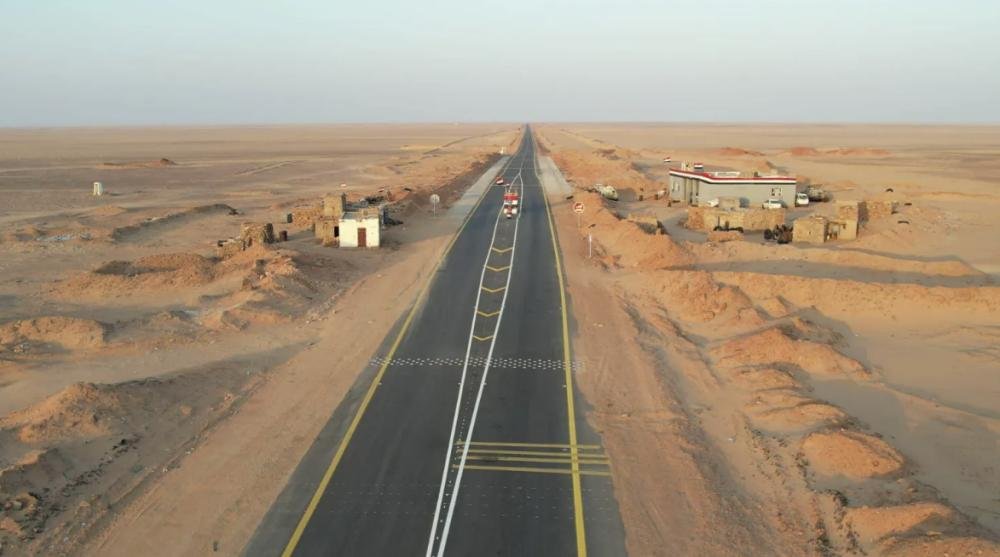
Al Abr District is known for its role as Hadramout’s land gateway to the Kingdom of Saudi Arabia and for its location on one of Yemen’s most important transport and travel routes. Among its most notable features: - Al-Wadiah land crossing: One of the most important border crossings between Yemen and Saudi Arabia. - Al Abr–Al-Wadiah Road: A major artery for passenger and goods traffic. - Al Abr City: A center for commercial services, transport stations and rest stops. - Strategic location: A crossroads between Wadi Hadramout, Shabwah and the Saudi border. - Herding and camel raising: Activities associated with local heritage.
Location
Al Abr District is located in western Hadramout Governorate, within the desert belt extending toward the Yemeni-Saudi border. Al Abr City serves as its administrative center.
History
Al Abr and the Ancient Caravan Routes
Historically, the Al Abr region has been associated with the desert environment and routes of movement between Wadi Hadramout and the inland areas of the Arabian Peninsula.
The desert corridors in western Hadramout formed part of networks used by people and trading caravans throughout the ages, making use of routes linking oases and inhabited areas with grazing lands and routes extending northward.
However, there is not enough published archaeological evidence to determine when Al Abr City was founded or to link it to any particular ancient commercial center.
Bedouin Life and Settlement
Residents of the desert areas around Al Abr relied on herding, movement and trade. Raising camels, sheep and goats was among the activities suited to the nature of the region.
Water sources, wells and rest stops were important factors in the movement of residents and travelers before the expansion of modern road networks.
With the development of transport, settlements in Al Abr became increasingly important as points serving travelers and transporting goods between different parts of Yemen.
Al Abr During the Construction of Modern Roads
The region underwent an important transformation with the development of the road linking Al Abr and Al-Wadiah, which strengthened Hadramout’s connection with the Kingdom of Saudi Arabia.
An archival press account published in July 2026 indicates that construction of the road and border-crossing facilities made significant progress during 2003 and 2004, and that the Yemeni and Saudi crossings were inaugurated in September 2003.
The project marked a turning point in Al Abr’s economic standing, as it became part of a major land corridor for passengers and goods.
Expansion of Services and Urban Development Projects
In subsequent years, Al Abr saw increased attention to infrastructure projects and basic services.
Previous official reports document the follow-up of Al Abr electricity and drinking-water projects and road expansion, as well as plans to establish residential areas and service facilities.
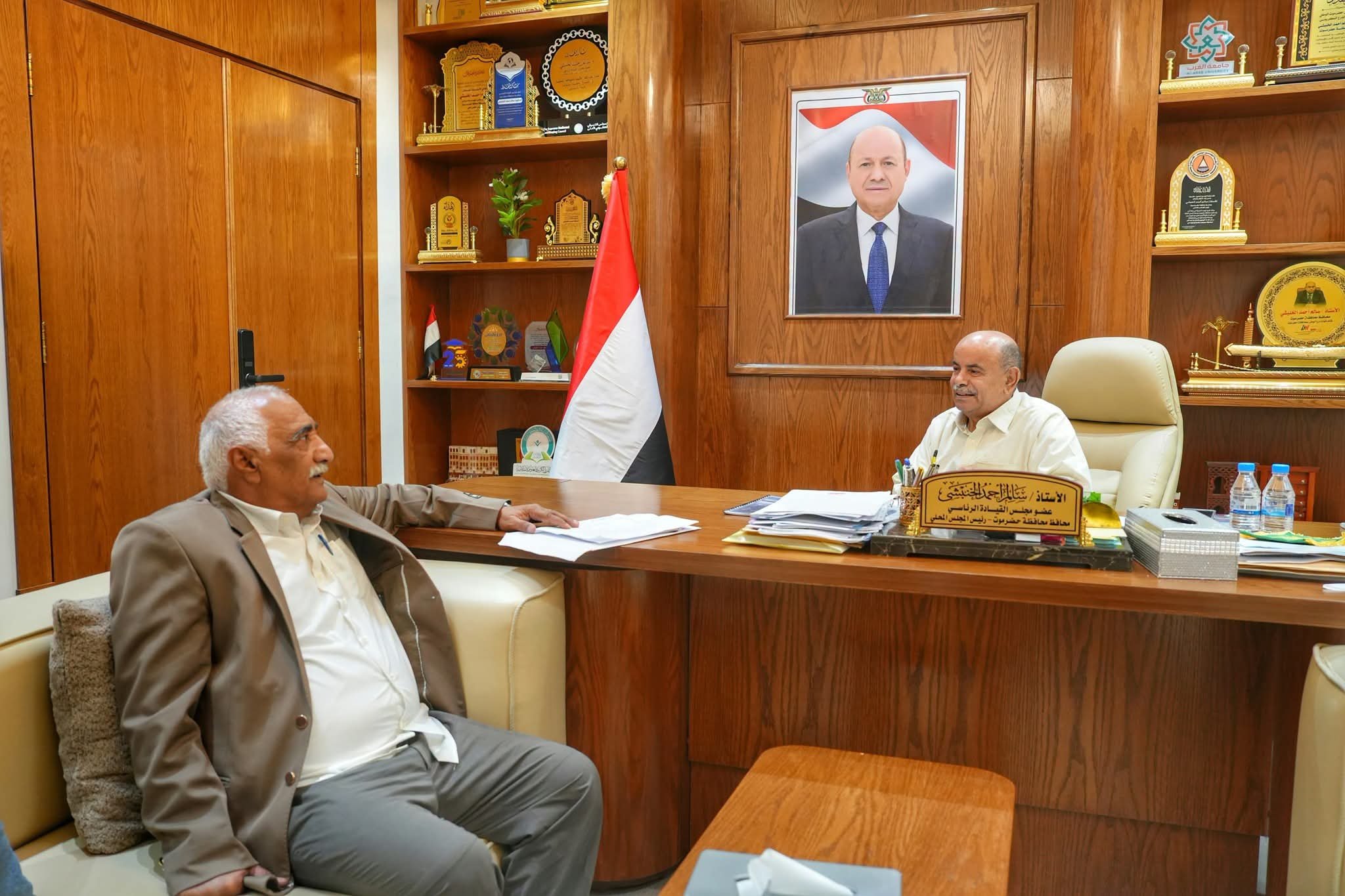
During one official visit, the Prince Amiriya residential city project was discussed. It included a plan for thousands of units, in addition to projects related to water, electricity and roads. This does not necessarily mean that all these projects were completed.
Al-Wadiah Crossing in the Modern Era
The administrative and economic importance of Al Abr District increased as travel and trade through the Al-Wadiah crossing expanded.
In September 2023, work was inaugurated at new facilities at the crossing, alongside an announcement that the local authority in Hadramout had assumed administrative and security responsibilities at the land port.
The development work included facilities related to customs and passports and the organization of crossing traffic, as part of efforts to improve services for travelers and commercial transport.
The district today
Culture
Al Abr District is distinguished by a desert heritage that reflects the Bedouin way of life in western Hadramout.
Camels hold a prominent place in local heritage as an ancient means of transport, a source of livelihood and a symbol of desert life, alongside residents’ connection to livestock raising and their knowledge of overland routes and water sites.
Social gatherings, folk poetry, chants, and customs associated with hospitality and generosity are also part of the local culture.
Desert heritage is also reflected in the skills of following routes and understanding terrain, stars and weather conditions—knowledge acquired by pastoral communities through their way of life and movement.
People and society
Al Abr’s society is characterized by close family ties and social and tribal bonds, with both settled population centers and communities connected to pastoral activities in the desert areas.
Social life has been affected by the expansion of transport and trade, as the region has become a destination for travelers, workers and truck drivers from various Yemeni governorates.
Markets, service facilities, fuel stations and rest stops contribute to daily activity, alongside schools, health facilities and public services.
Local families maintain traditions of hospitality, mutual support and social occasions, while the long distances between population centers pose a challenge to providing services evenly.
The economy of Al Abr District is based primarily on land transport, trade and border services, in addition to herding and some other local activities.
The district benefits from its location on the road leading to the Al-Wadiah crossing, where trucks and vehicles transporting passengers and goods are active.
The main economic activities include:
Transport, freight and passenger services.
Fuel stations and vehicle maintenance.
Restaurants, rest stops and shops.
Services related to customs, clearance and commercial transport.
Raising camels, sheep and goats in pastoral areas.
Al Abr also has opportunities to expand logistics services, storage areas and commercial projects connected to the international road, provided that infrastructure is developed and services and road safety are improved.
Al Abr news
Files about Al Abr
File
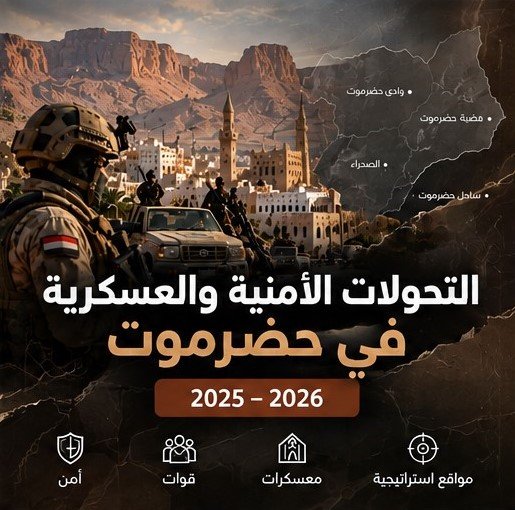
Security and Military Shifts in Hadramout (2025–2026)
A documentary file tracking the most significant security and military shifts witnessed in Hadramout Governorate from late 2025 through 2026, including field movements, changes in control and deployment positions, developments related to camps and strategic facilities, and military and security decisions. It documents pivotal events and their repercussions in chronological order and on the basis of reliable sources.
26 events
2025–2026
Last updated 13 hours ago
Events in Al Abr
Targeting Verified
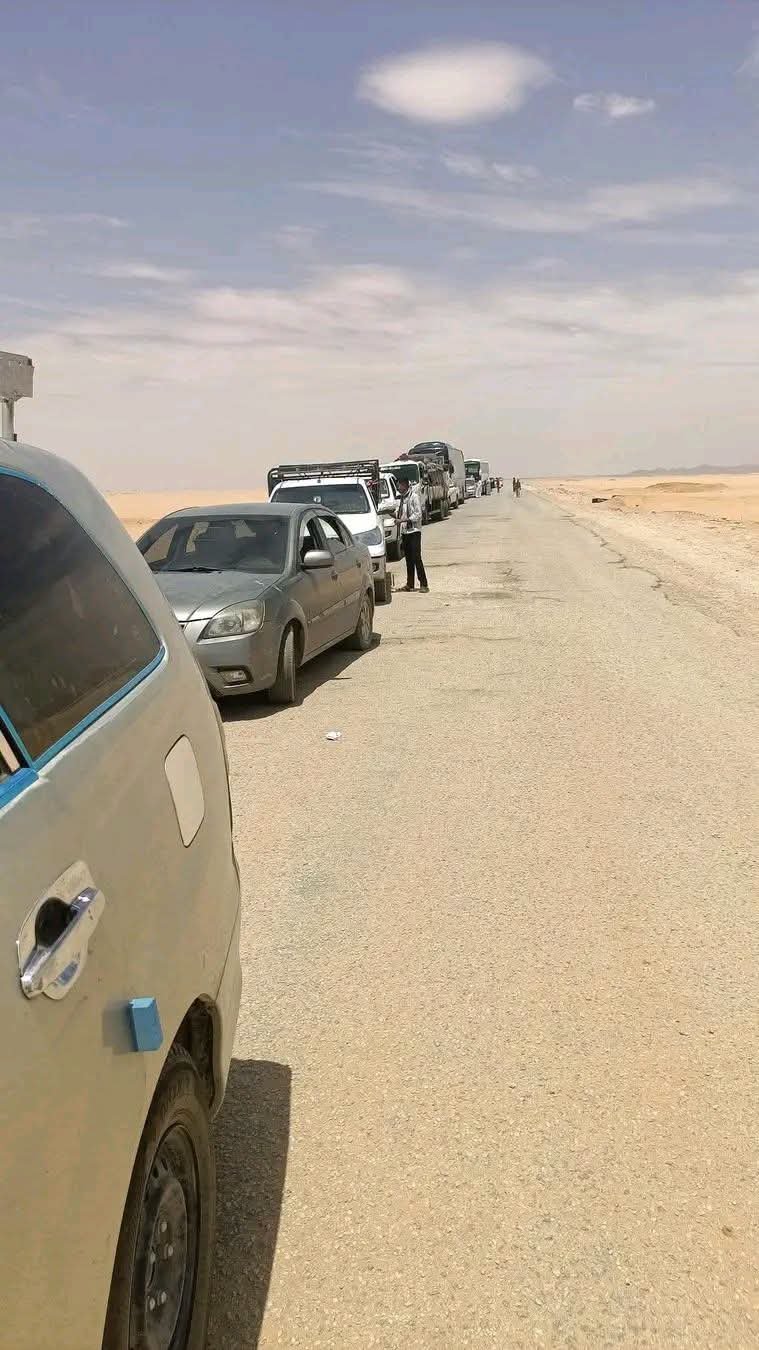
Three soldiers killed in attack on military convoy on Al Abr road amid conflicting accounts of nature of attack
Three soldiers were killed and others wounded on Tuesday, September 15, 2026, when an explosion targeted a military vehicle accompanying a convoy traveling along Al Abr road in Hadramout Governorate, disrupting traffic toward the Al-Wadiah border crossing. While initial reports described a drone attack attributed to the Houthi group, Aden Al-Ghad newspaper later quoted a military source as saying the explosion was caused by an improvised explosive device, without identifying those responsible. The incident renewed concerns over the security of military and border roads in the Hadramout desert.
Al Abr
Targeting Verified
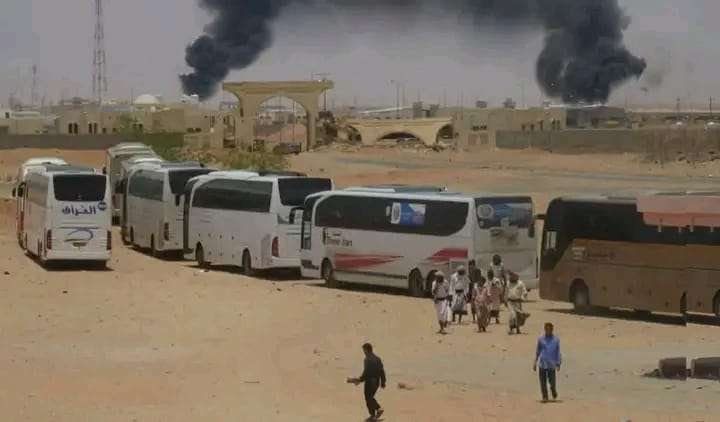
Houthi Missile and Drone Attacks Target Al Abr, Al Wadi'ah and Al Kana'is in Hadramout Desert
The desert and border areas of Hadramout Governorate witnessed a notable military escalation on Monday, August 24, 2026, after the Houthi group announced carrying out two attacks using ballistic missiles and drones against military sites and movements that it said belonged to Saudi forces in Al Abr, Al Wadi'ah and Al Kana'is. The group claimed to have destroyed more than ten trucks loaded with weapons and inflicted human and material losses, while local reports said the area around the Al Wadi'ah crossing had been targeted and vehicles had caught fire. No independent toll confirming all the losses announced by the group was available.
Al Abr
Move Verified
Military build-up in Al Abr and Al-Wadi'ah heightens tensions on the outskirts of Wadi Hadramout
The areas of Al Abr and Al-Wadi'ah in the Hadramout desert witnessed extensive movements and military reinforcements by Homeland Shield Forces from December 15 to 17, 2025, alongside reports of fighters arriving from various Yemeni governorates. The build-up was concentrated around the 23rd Mechanized Brigade camp and the international road leading to the Al-Wadi'ah border crossing, amid fears of a confrontation with forces affiliated with the Southern Transitional Council, which controlled Seiyun and parts of the valley.
Al Abr
Move Verified
National Shield Forces Take Over 23rd Mechanized Brigade in Al Abr and Expand Deployment on Strategic Roads
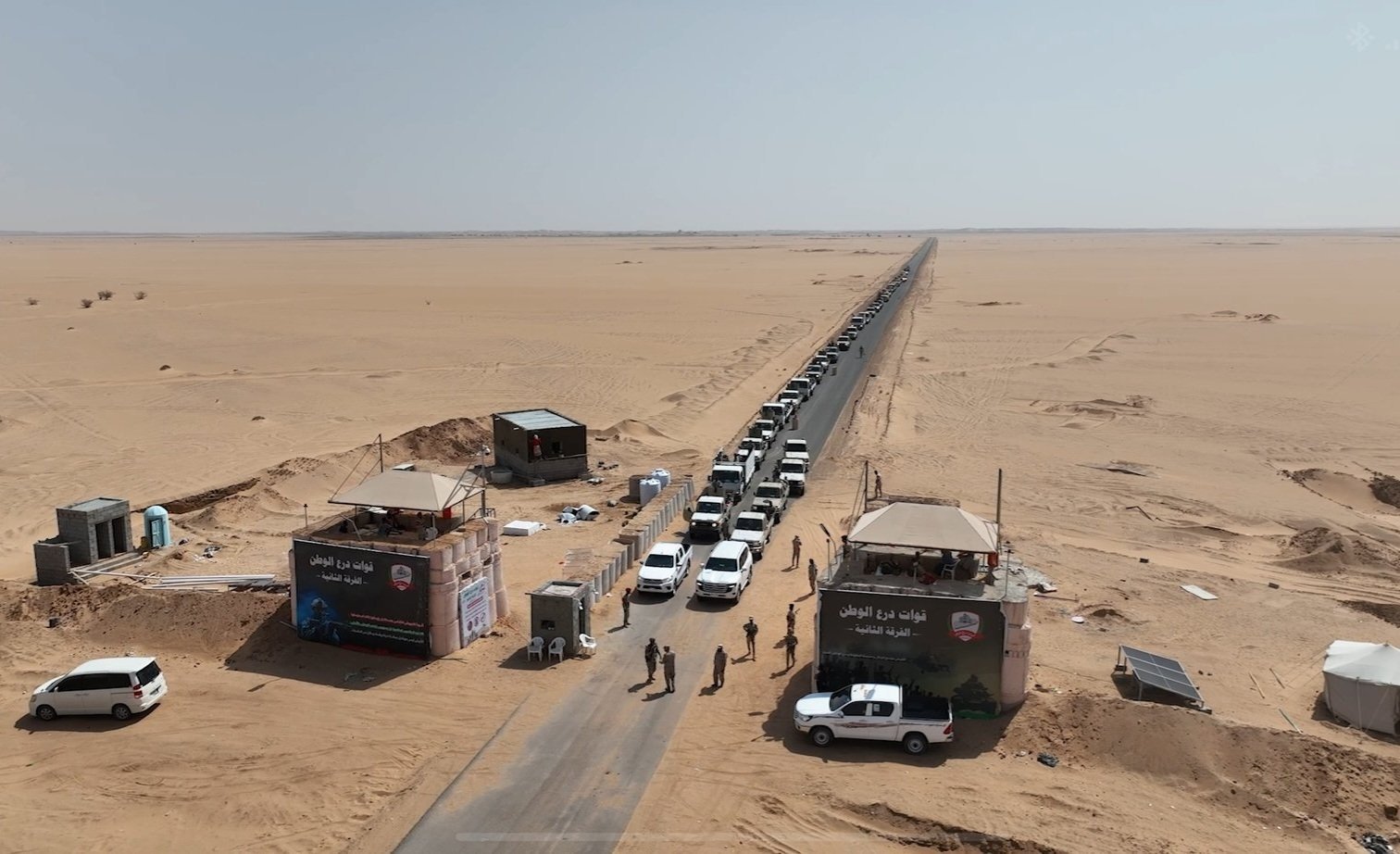
On the evening of Thursday, December 4, 2025, the National Shield Forces announced that they had taken over the duties of the 23rd Mechanized Brigade and its military sites in Al Abr District, Hadramout Governorate, as part of arrangements to redeploy military forces. This was followed by an announcement that the Al Abr–Al Khash'ah and Al Abr–Al Wadi'ah roads had been secured, in a move that strengthened the forces’ presence on strategic land routes amid changes in military control in Wadi Hadramout.
Al Abr
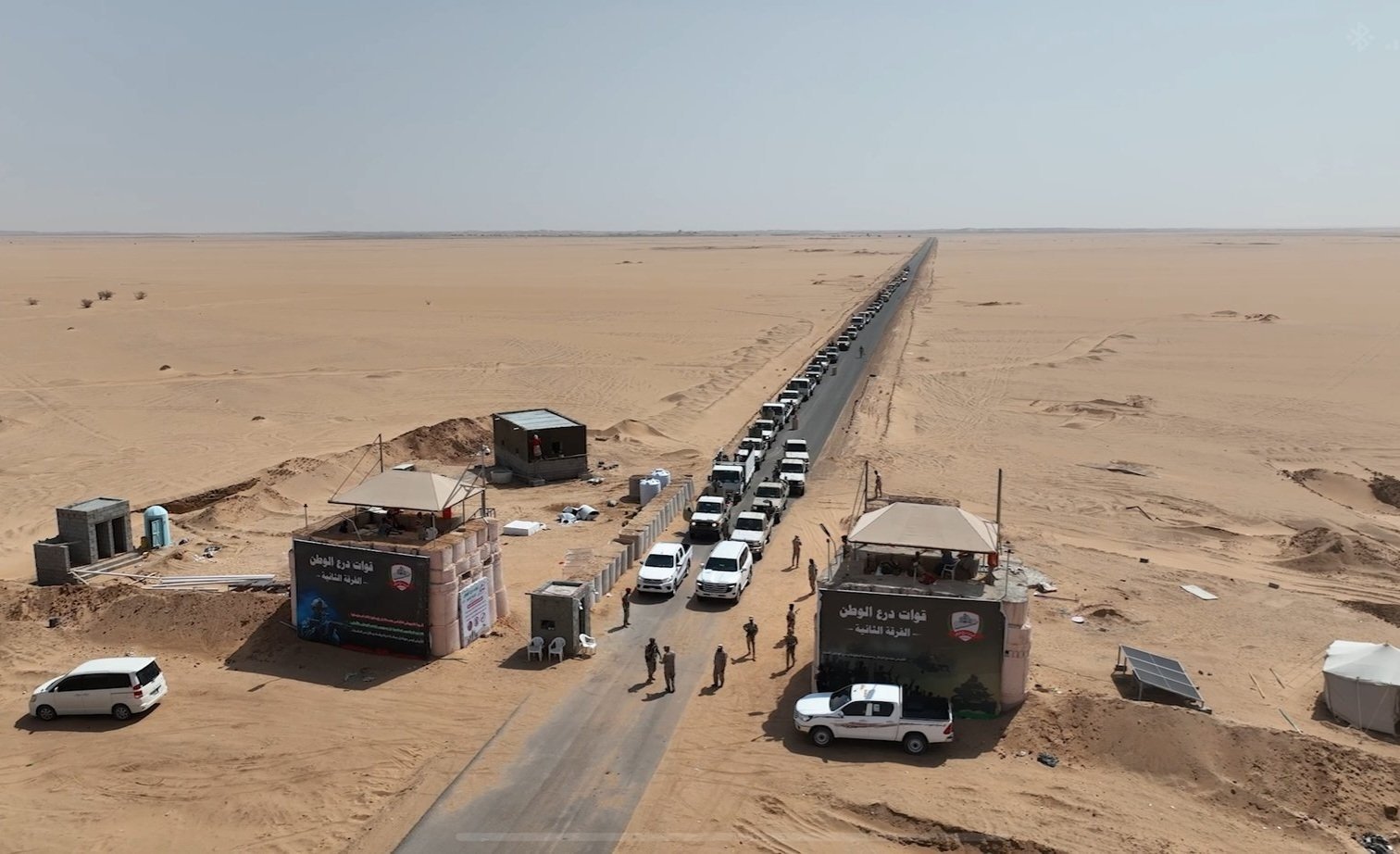
Photo gallery