District in The Valley and Desert · Hadramout Governorate
Al Qatn
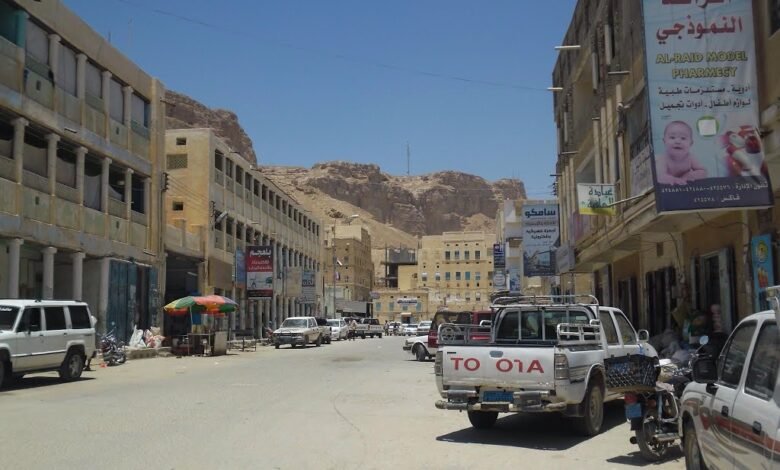
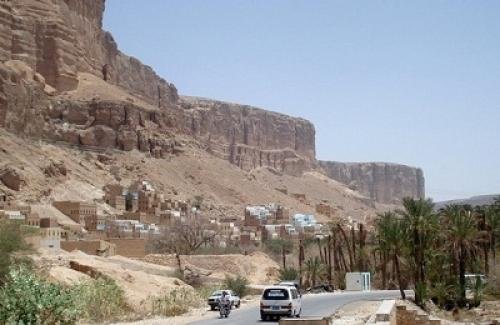
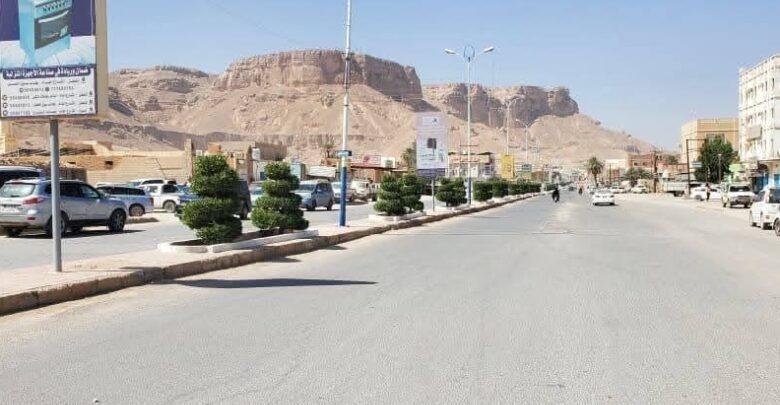
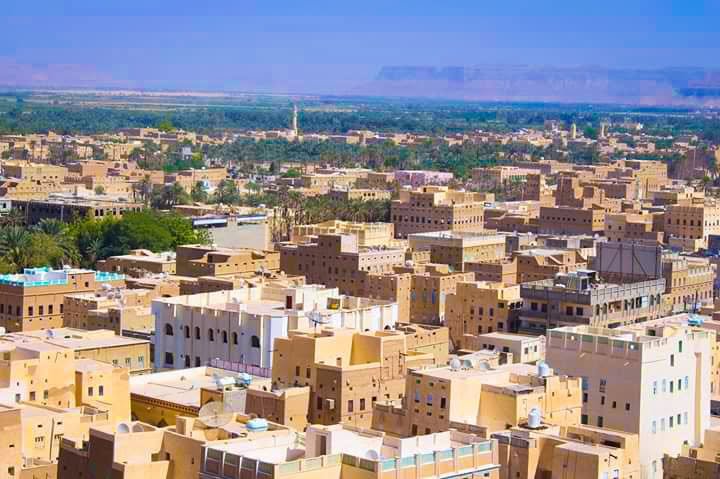
Al-Qatn District is one of the important districts in Wadi and Desert Hadramout, with Al-Qatn City as its administrative center. It is distinguished by its commercial and agricultural standing and includes villages, valleys and historical sites, most notably Al Ajlaniyah, Hawrah and Haynen. It is known for its local markets and date-palm and grain farms, and for serving as a service and economic center for residents of the western part of Wadi Hadramout.
- Region
- The Valley and Desert
- Approximate area
- 2,916 km²
- Population
- The population is estimated at approximately 112,681 thousand people for 2025.
Known for
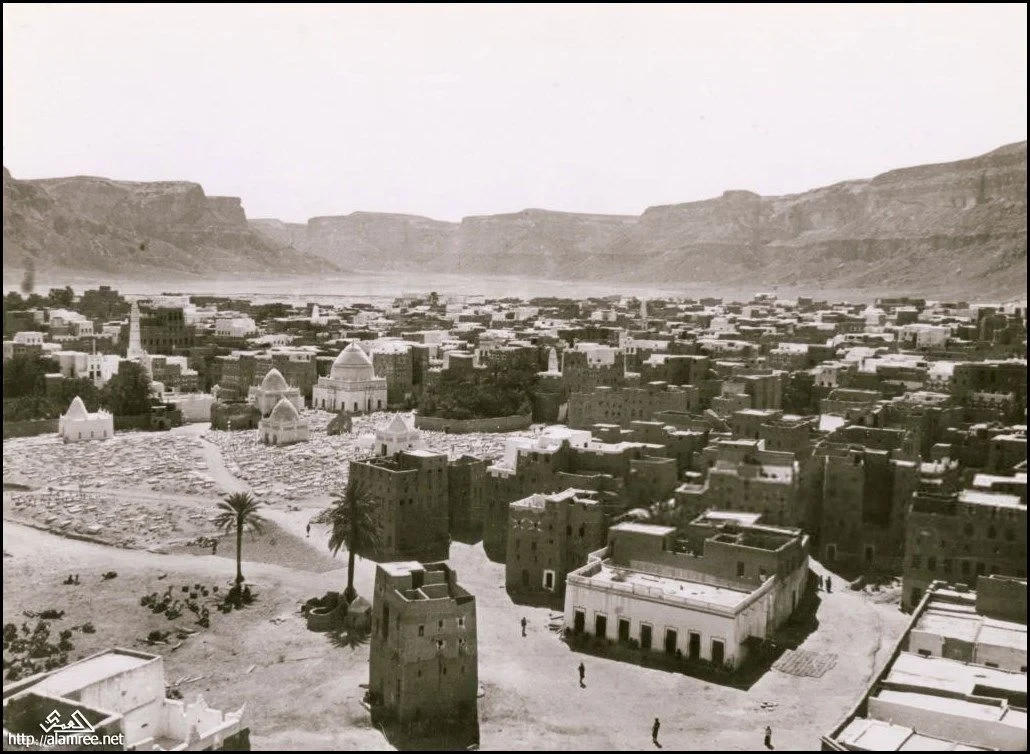
Al-Qatn District is known for its commercial markets, which serve wide areas of western Wadi Hadramout, and for cultivating date palms, dates and grains, as well as for its historic areas such as Al Ajlaniyah, Hawrah and Haynen. It is also known for its agricultural valleys and mud-brick architectural heritage, and for its location, which has made it a link between the cities of the valley and the neighboring villages and rural areas.
Location
Al-Qatn District is located west of Seiyun City, in the western part of Wadi Hadramout. Al-Qatn City is about 42 from Seiyun.
History
The history of Al-Qatn is linked to the history of agricultural and commercial settlement in Wadi Hadramout, where population centers emerged along fertile lands and valley channels, benefiting from floodwaters, caravan routes and commercial exchange.
Some areas of the district came to prominence during the era of the Kathiri Sultanate, particularly Al Ajlaniyah, which was associated with Sultan Badr Abu Tuwairiq in the 16th century AD. He used it as a center for some of his political and military activities, and the remains of a historic fort dating back to that period are still mentioned there.
Hawrah also saw the development of traditional irrigation systems, and its residents relied on dams and channels to direct floodwaters to agricultural lands.
Over time, Al-Qatn City gained increasing commercial importance, and its markets became a center for exchanging crops and goods among the villages of the valley. In the modern era, the city expanded and strengthened its role in trade, education and services.
The district today
Culture
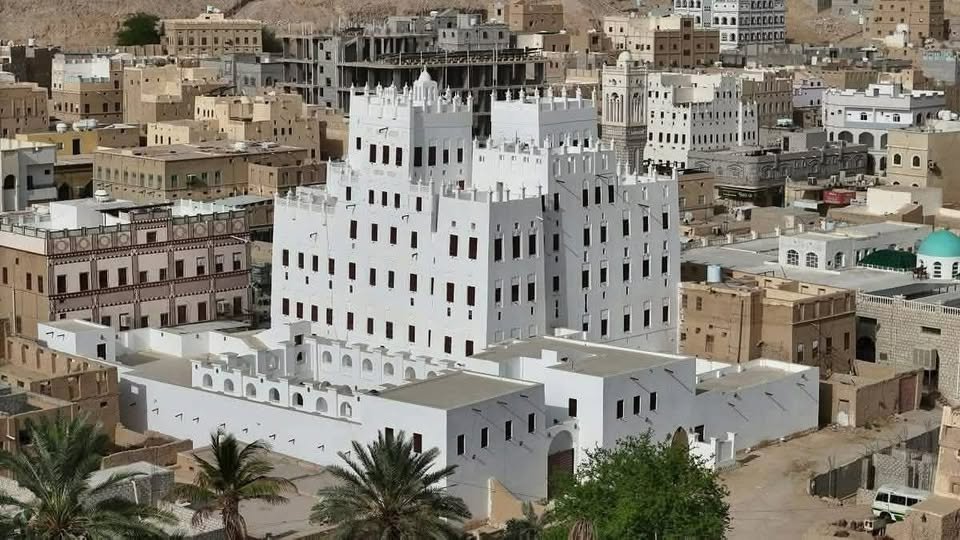
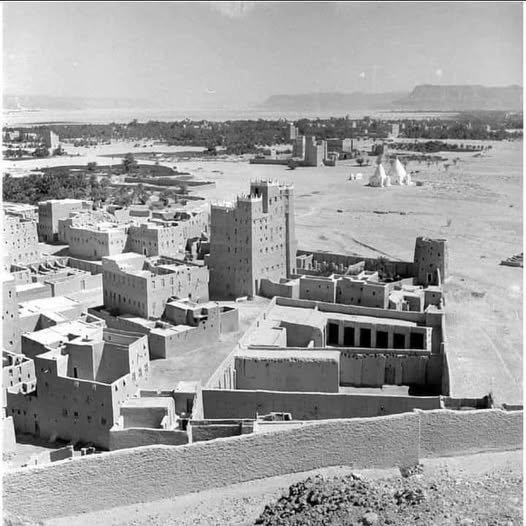
Al-Qatn District preserves a cultural and social heritage that reflects the authenticity of Hadrami life, seen in its old mud-brick architecture, forts, mosques and traditional markets.
Dan music, chants and folk dances are among the features of local heritage, alongside customs associated with weddings, social occasions and hospitality.
The old villages are also distinguished by building methods using mud, lime and local wood, while the agricultural areas preserve traditional practices for organizing irrigation water and cooperation among farmers.
People and society
Al-Qatn’s community is characterized by close family ties, social solidarity and adherence to Hadrami customs and traditions.
Population centers are spread across Al-Qatn City and the surrounding villages and areas, including Al Anin, Al Hasy, Al Ajlaniyah, Hawrah and Haynen.
Social gatherings, religious occasions, weddings and youth activities are part of daily life, while educational and civil society institutions help strengthen ties among residents.
Al-Qatn is an important commercial and agricultural center in western Wadi Hadramout. Its economic activities include trade, agriculture, livestock raising and services.
The district is known for cultivating date palms and producing dates, as well as wheat, some grains and seasonal crops. The markets of Al-Qatn City receive agricultural and livestock products from nearby areas.
Shops, repair workshops, transport and construction businesses, and service providers also offer job opportunities. The district has the potential to develop food industries, agricultural activities and small-scale projects.
Al Qatn news
No news about this district yet
People from Al Qatn
Photo gallery