Exchange rates US Dollar Buy 1,564 Sell 1,577 Saudi Riyal Buy 412 Sell 413 Last updated: Currency converter

District in The Valley and Desert · Hadramout Governorate

Shibam

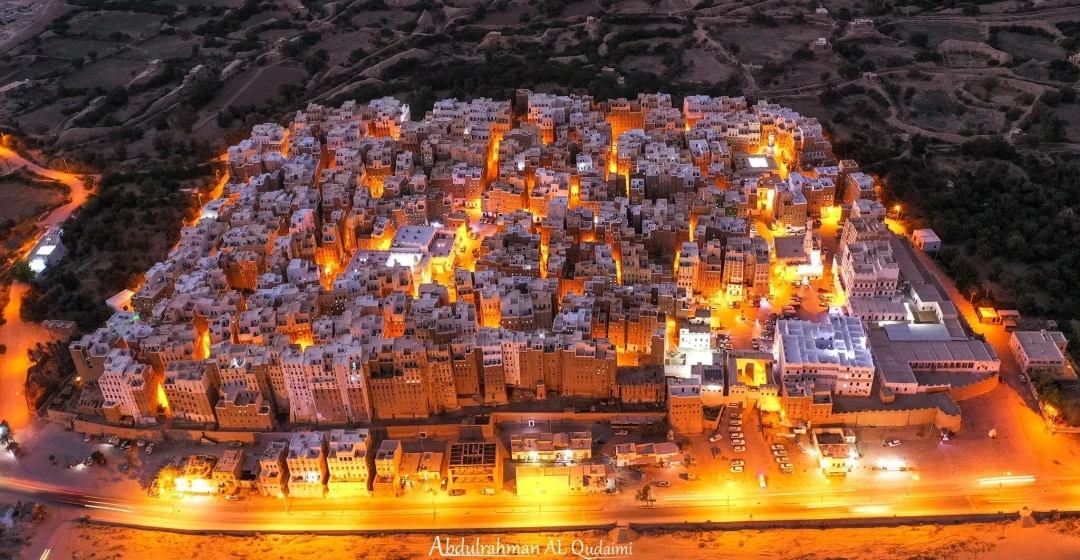
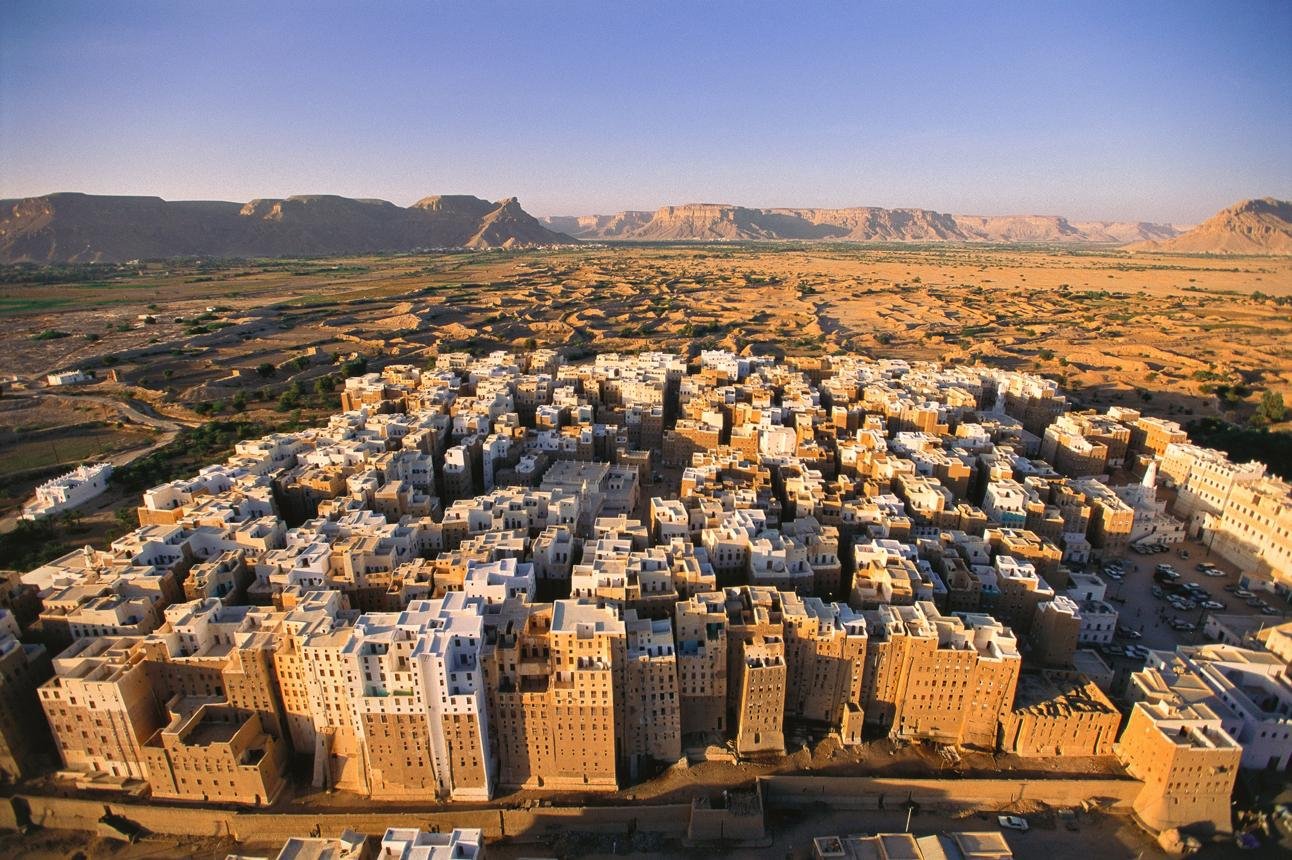
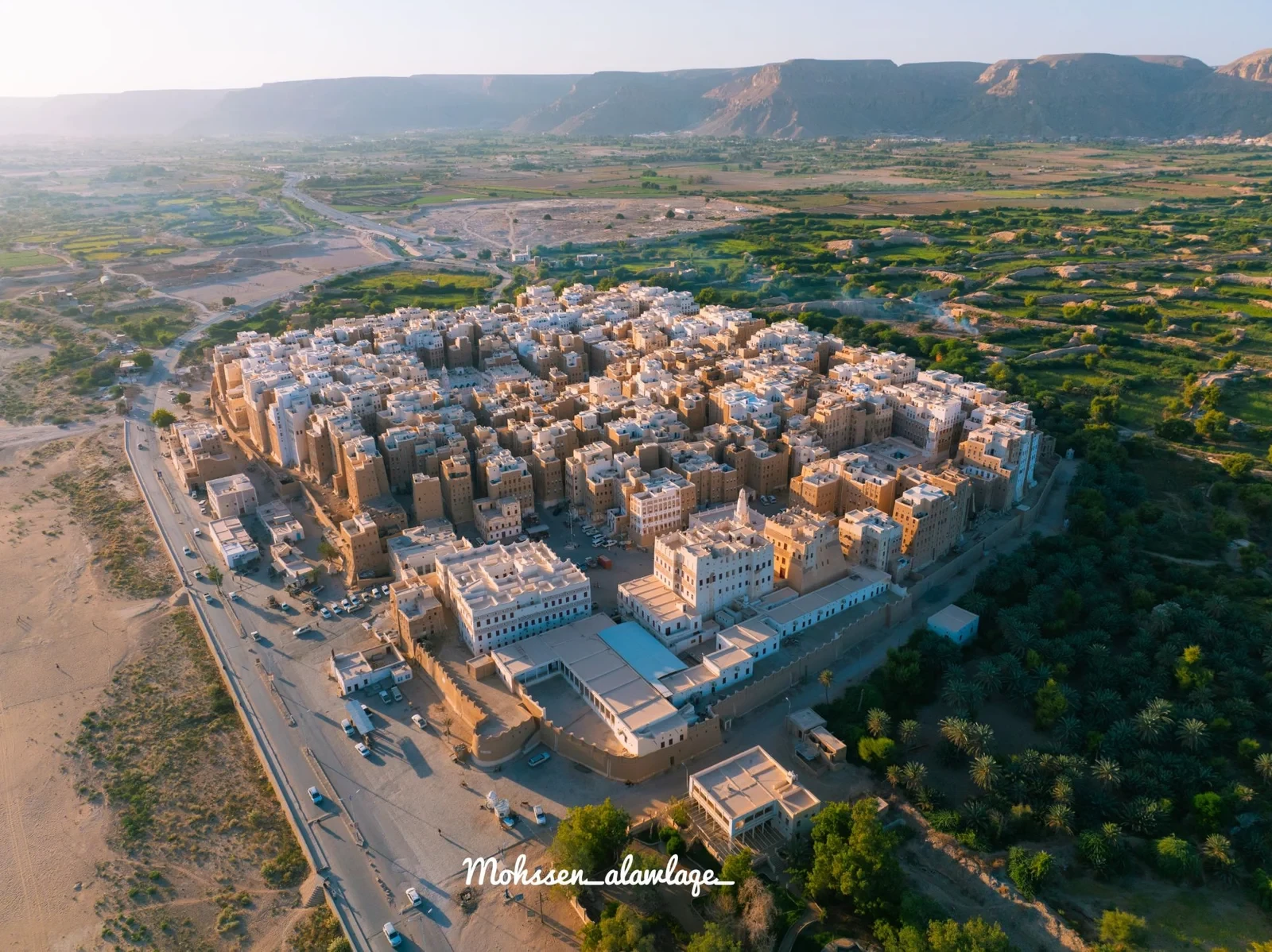
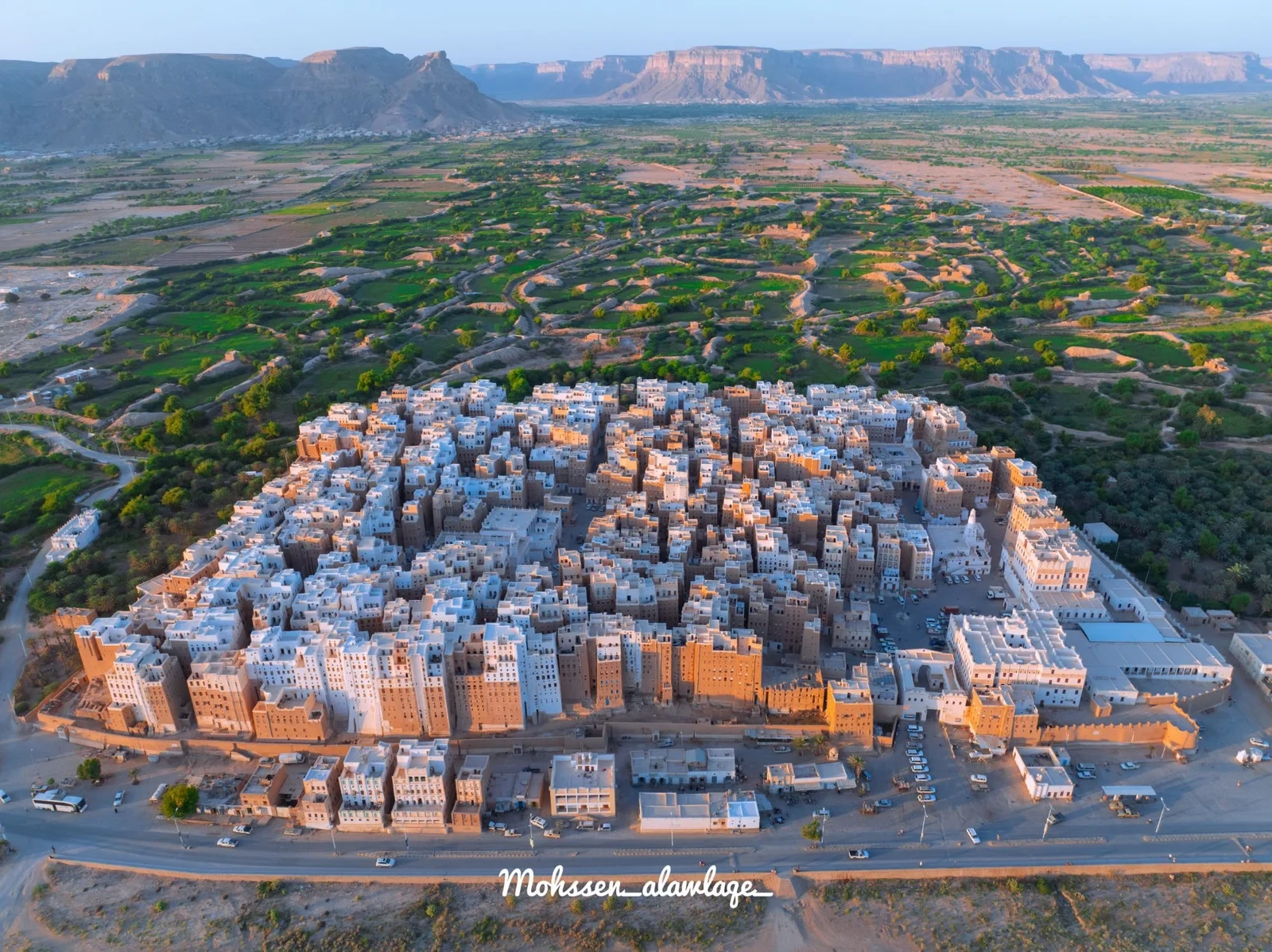
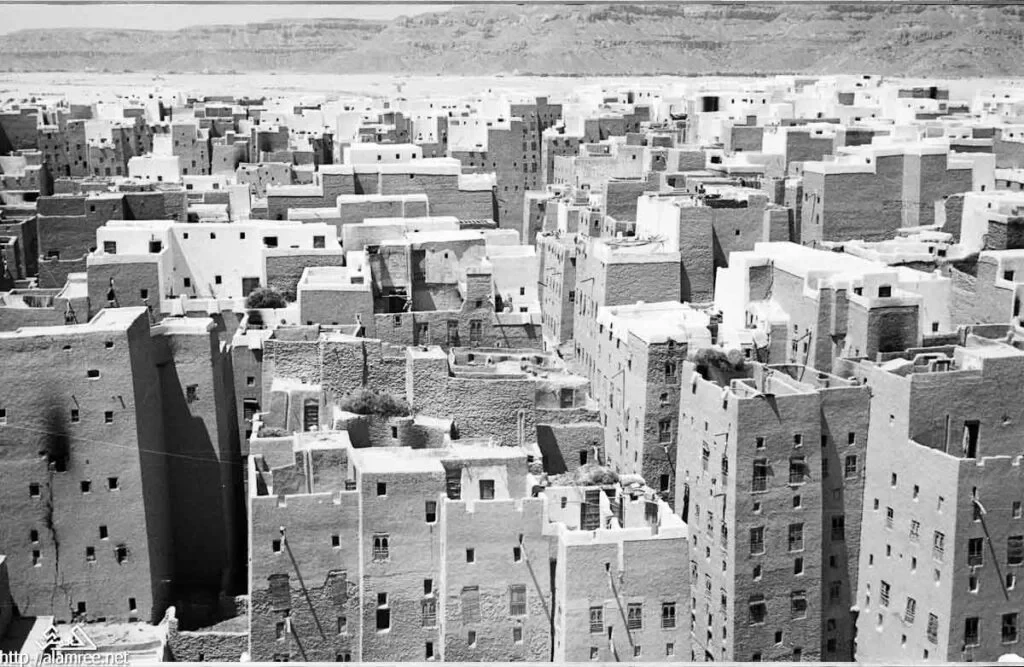
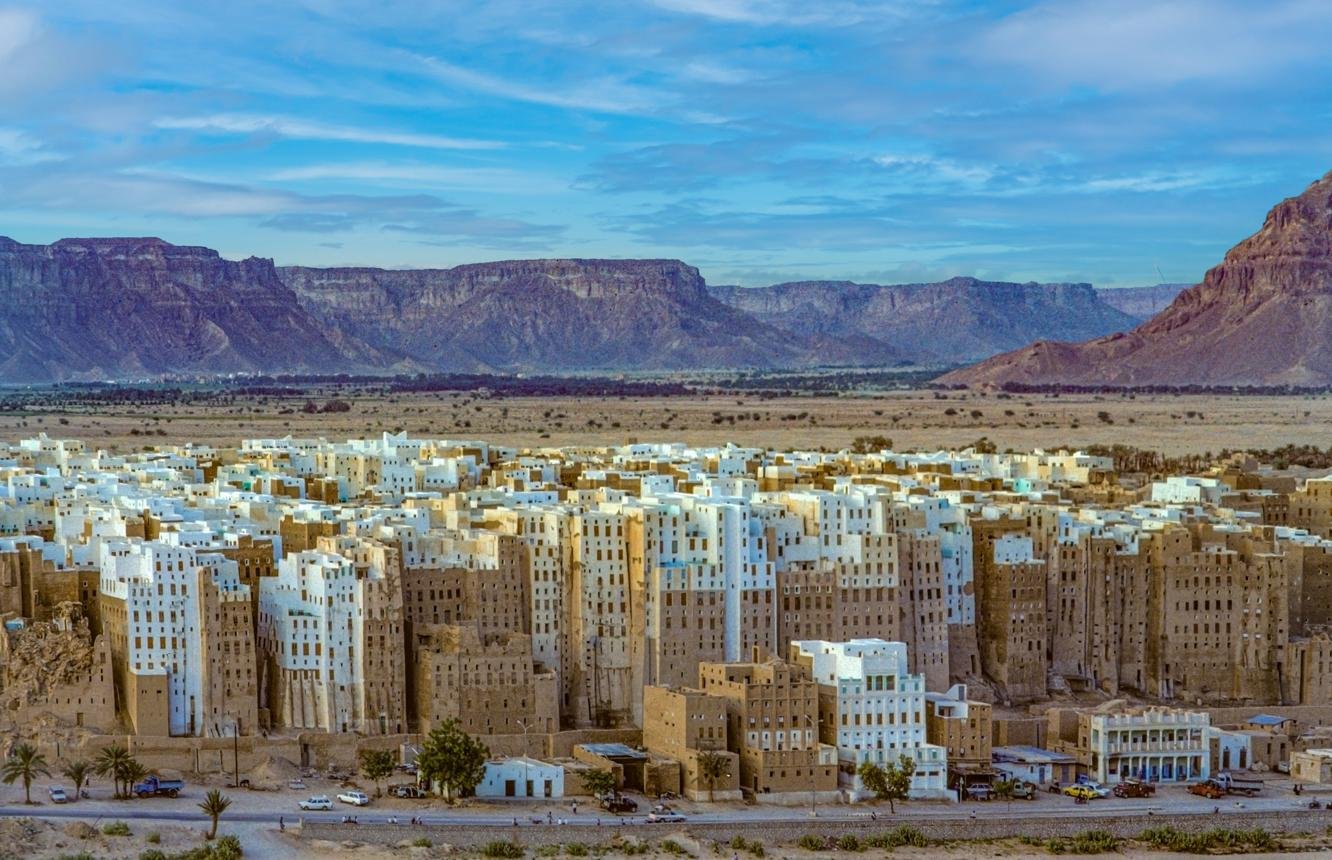
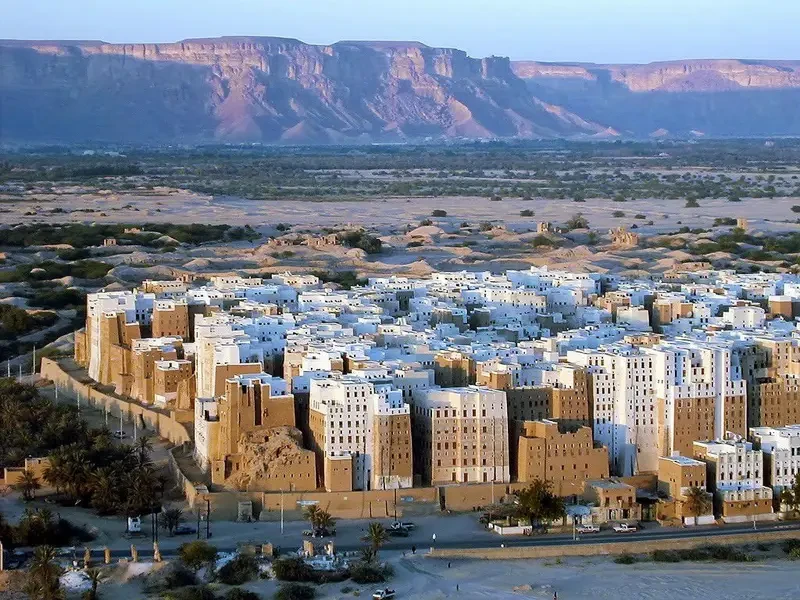
Shibam District is one of the historic districts of Hadramout Governorate. It lies in the heart of Wadi Hadramout, with the city of Shibam as its administrative center. The district has gained global cultural significance thanks to its old walled city, which is considered one of the oldest and most prominent examples of urban planning based on multi-story vertical construction. Shibam is famous for its towering mud-brick buildings, rising above one another in a unique architectural scene. This has earned it the nickname “Manhattan of the Desert,” referring to the visual similarity between its mud-brick towers and modern skyscrapers. The Old City of Shibam and its wall were added to UNESCO’s World Heritage List in 1982, in recognition of their historical and urban value, the...

Approximate area
1,088 km²
Population
Estimated at approximately 48,829 thousand people in 2004.

Known for

Shibam District is famous for a number of features that have made it one of the best-known historic areas in Yemen and the world, foremost among them: - Mud-brick skyscrapers: Historic multi-story buildings representing an early example of vertical construction. - The nickname “Manhattan of the Desert”: An internationally known name associated with the city’s unique urban form. - World Heritage: The Old City of Shibam and its wall have been on UNESCO’s list since 1982. - Traditional Hadrami architecture: The use of mud, lime plaster and local timber in construction and decoration. - The historic wall and old alleys: A complete model of a city

Location

Shibam District is located in the west-central part of Wadi Hadramout, west of Seiyun and east of the areas extending toward Al-Qatn, within the broad plain formed by the course of Wadi Hadramout.

History

Shibam in Ancient Times

The historical roots of settlement in Shibam date back to pre-Islamic times, and the city was connected to the ancient cultural and trading centers in Wadi Hadramout.

UNESCO notes that Shibam became an important political center in Hadramout after the decline of the ancient city of Shabwa around the third century AD, benefiting from its location on the caravan routes that carried incense, spices and goods across southern Arabia.

This location contributed to the development of commercial activity and strengthened the city’s position as an important stop between agricultural areas and desert routes.

Shibam in the Islamic Era

Shibam continued to develop during the Islamic eras, witnessing the construction of mosques, defensive structures, homes and markets.

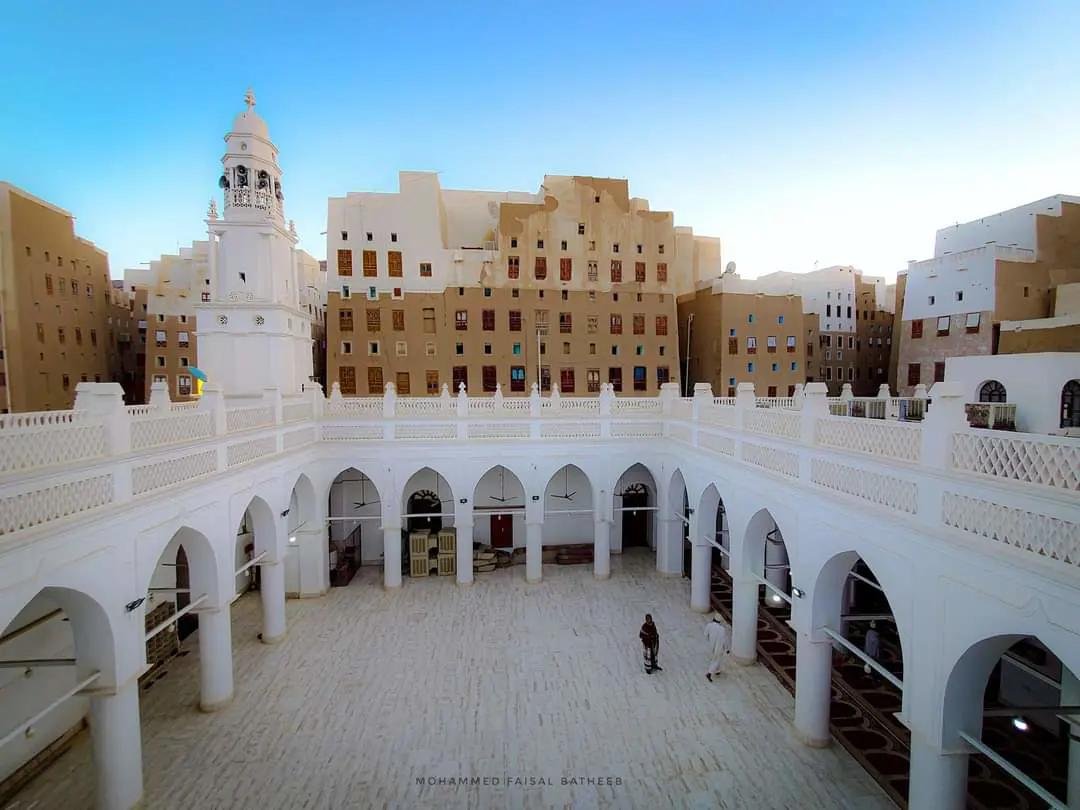
Part of the history of the city’s Grand Mosque dates back to the ninth and tenth centuries AD, while some of its defensive structures date to the thirteenth century, according to the historical studies cited by UNESCO.

As political stages succeeded one another in Hadramout, Shibam retained its architectural and commercial importance, and became an example of a fortified city that brought its residents together within a single wall.

Floods and the Rebuilding of the City

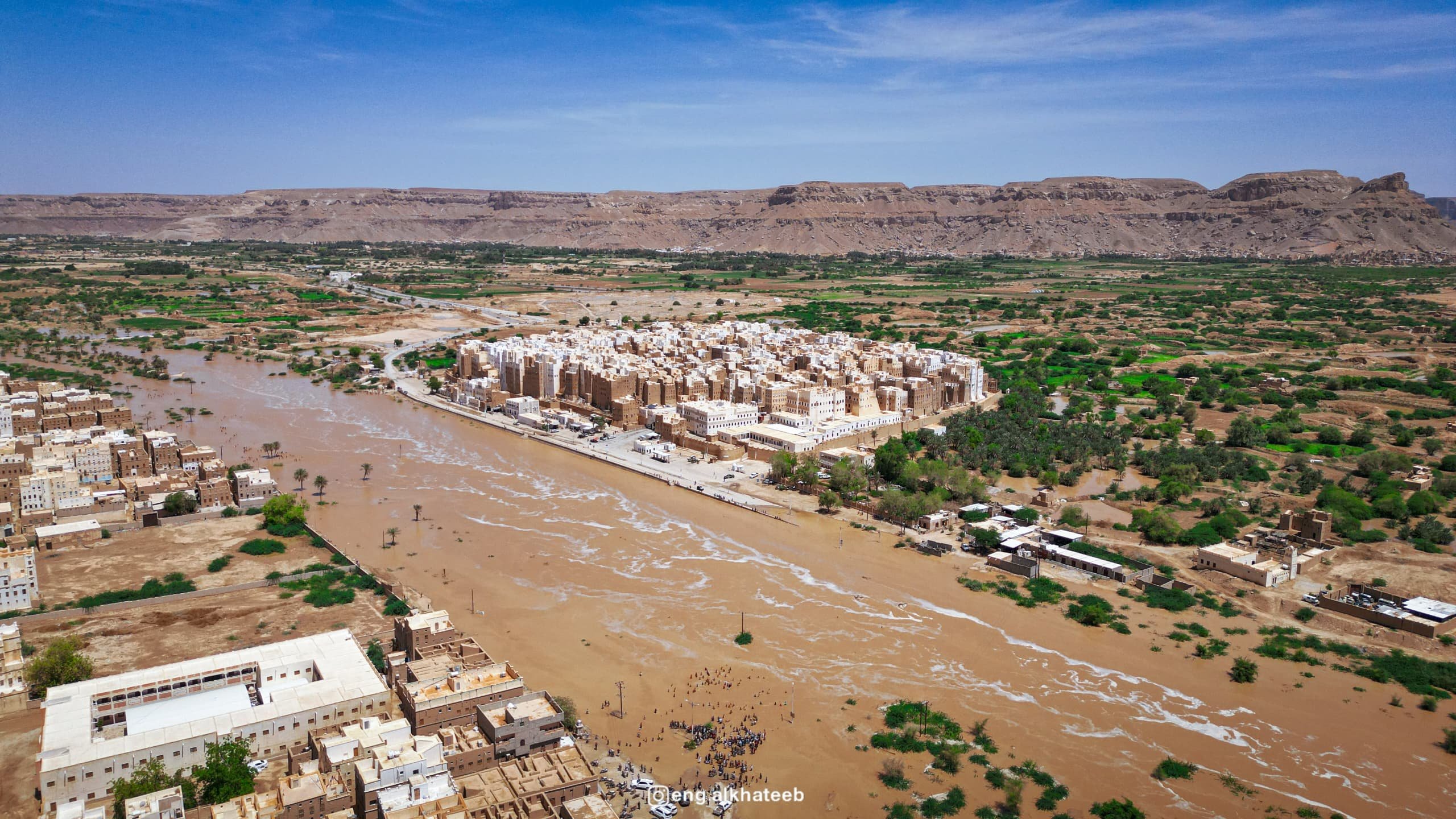
Throughout its history, Shibam experienced floods that affected its old urban fabric. Among the most significant was the major flood that occurred in 1532–1533, damaging parts of the previous settlement.

The city subsequently underwent phases of rebuilding and expansion within its fortified boundaries, and the main features of the urban fabric known today date back to the sixteenth century and later.

The limited space within the wall encouraged vertical construction, with houses built over several floors to accommodate families, provide protection and make use of the available land.

Shibam in the Nineteenth and Twentieth Centuries

In the late nineteenth century, the city saw construction activity associated with Hadrami merchants returning from areas of migration in Asia. The money and expertise they had acquired contributed to the renovation of a number of buildings and the improvement of some facilities.

As economic and social life developed, settlements expanded beyond the historic wall, and neighboring residential areas emerged, including Suhayl Shibam.

In 1982, Shibam gained global recognition when its Old City was added to the World Heritage List, making it one of the most prominent Yemeni cultural sites recognized internationally.

Shibam in the Modern Era

In recent decades, Shibam has faced growing challenges, including the deterioration of some mud-brick buildings, the effects of rain and floods, sewage problems, inadequate maintenance, and the repercussions of the conflict in Yemen.

In 2015, the city was added to the List of World Heritage in Danger, with the aim of strengthening international efforts to protect its architectural heritage.

Despite these challenges, Shibam remains inhabited, and its residents continue to preserve aspects of traditional life in the Old City and its surroundings.

The district today

Culture

Shibam is one of the most prominent centers of architectural heritage in Hadramout, with its cultural identity closely tied to the art of mud-brick construction and traditional urban planning.

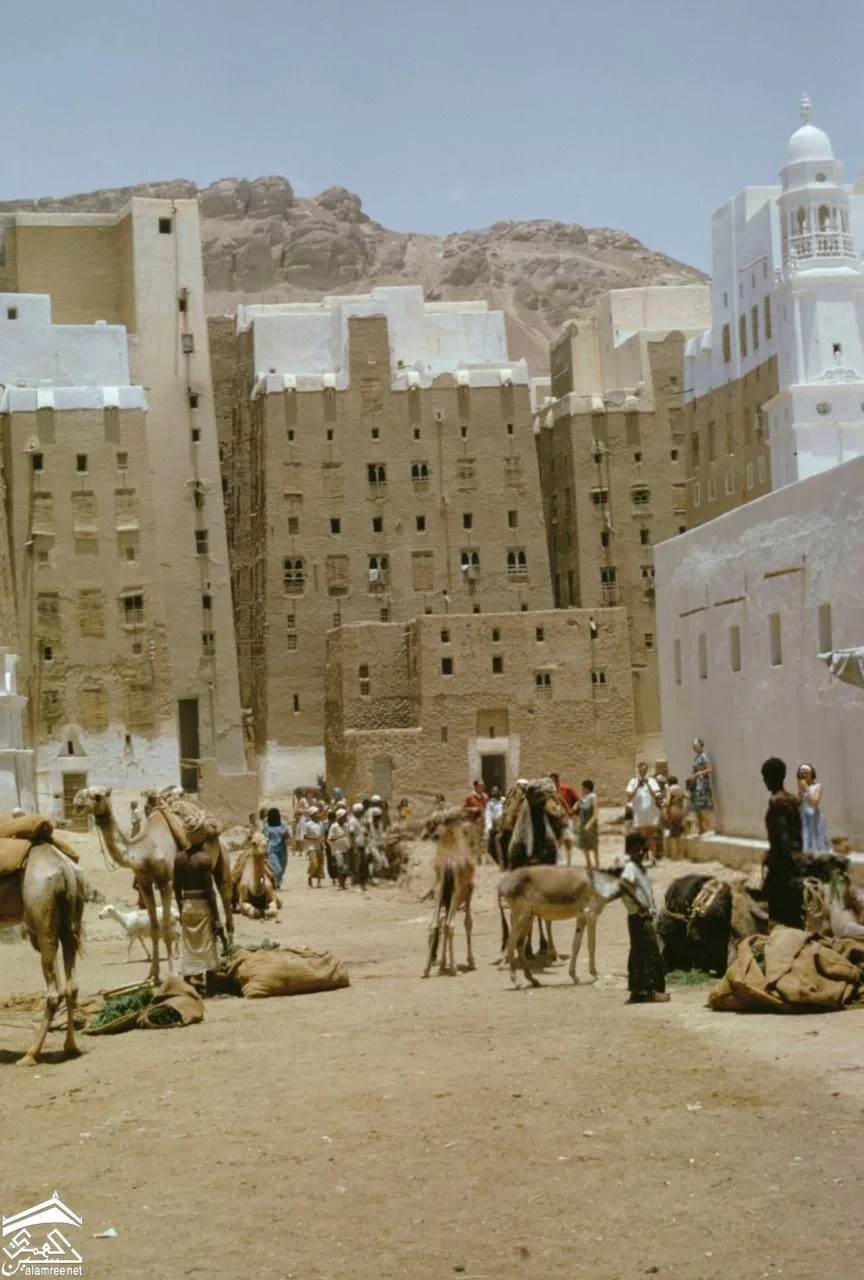
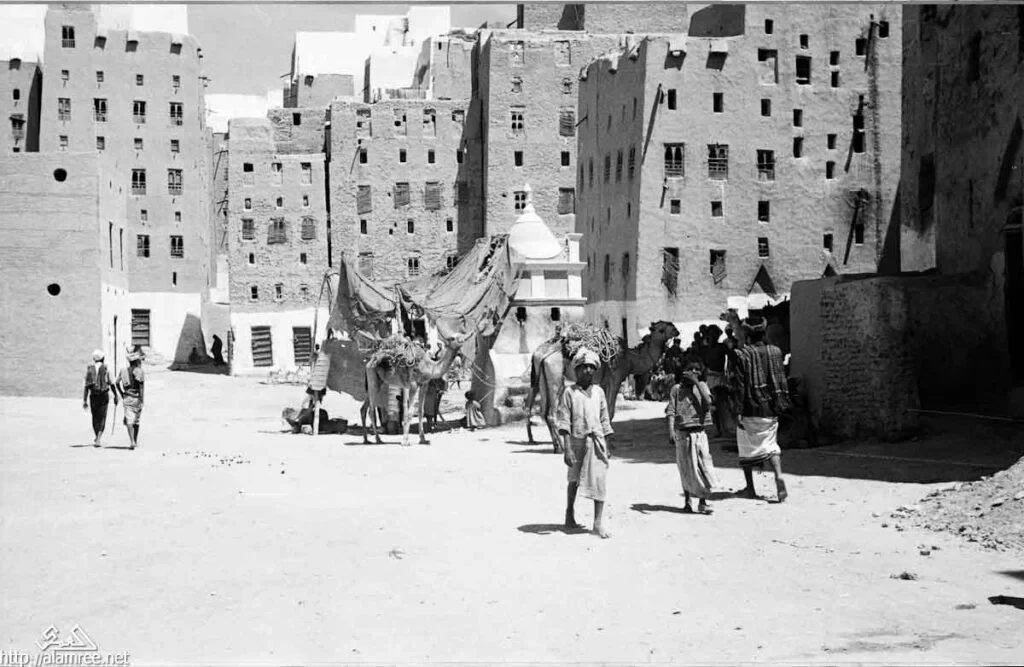
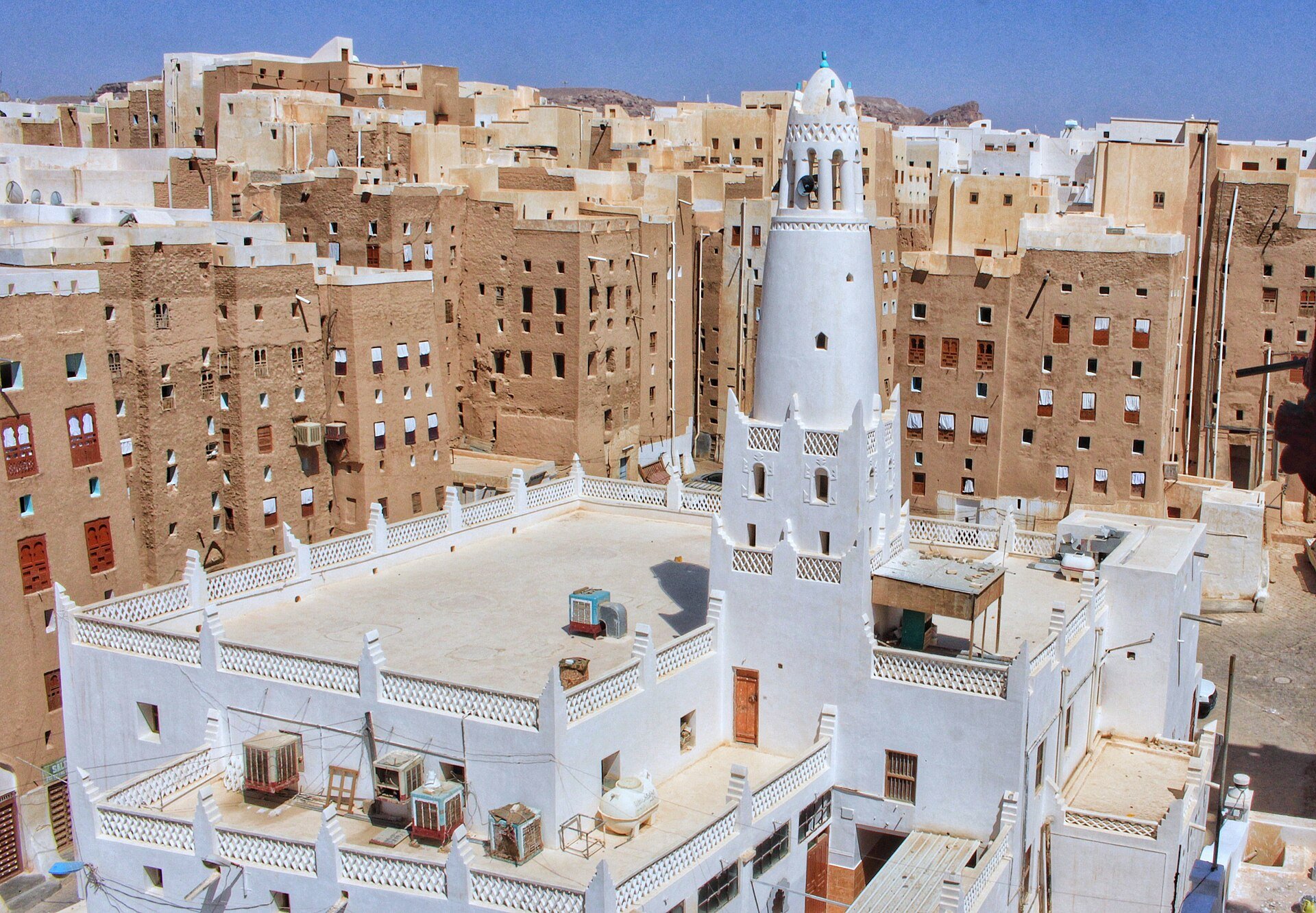
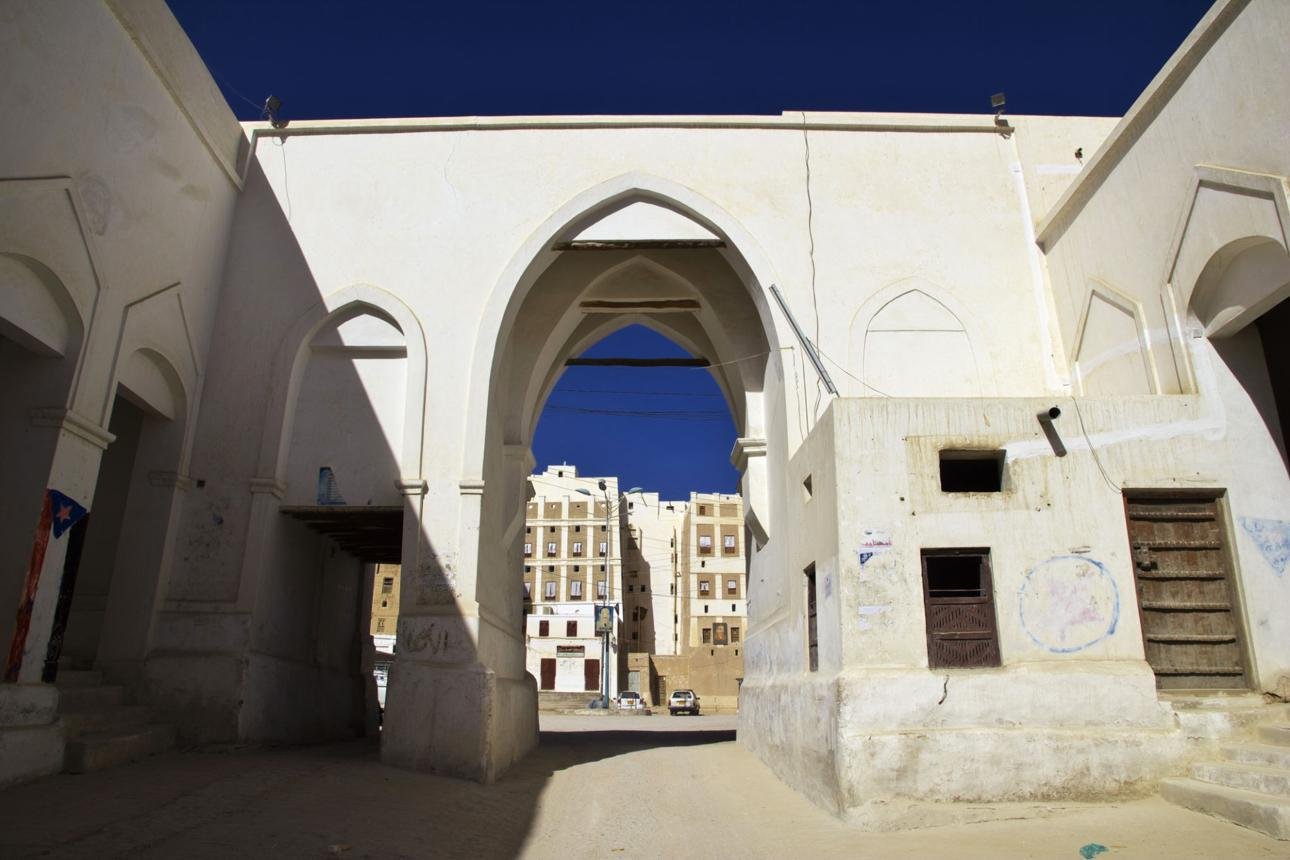
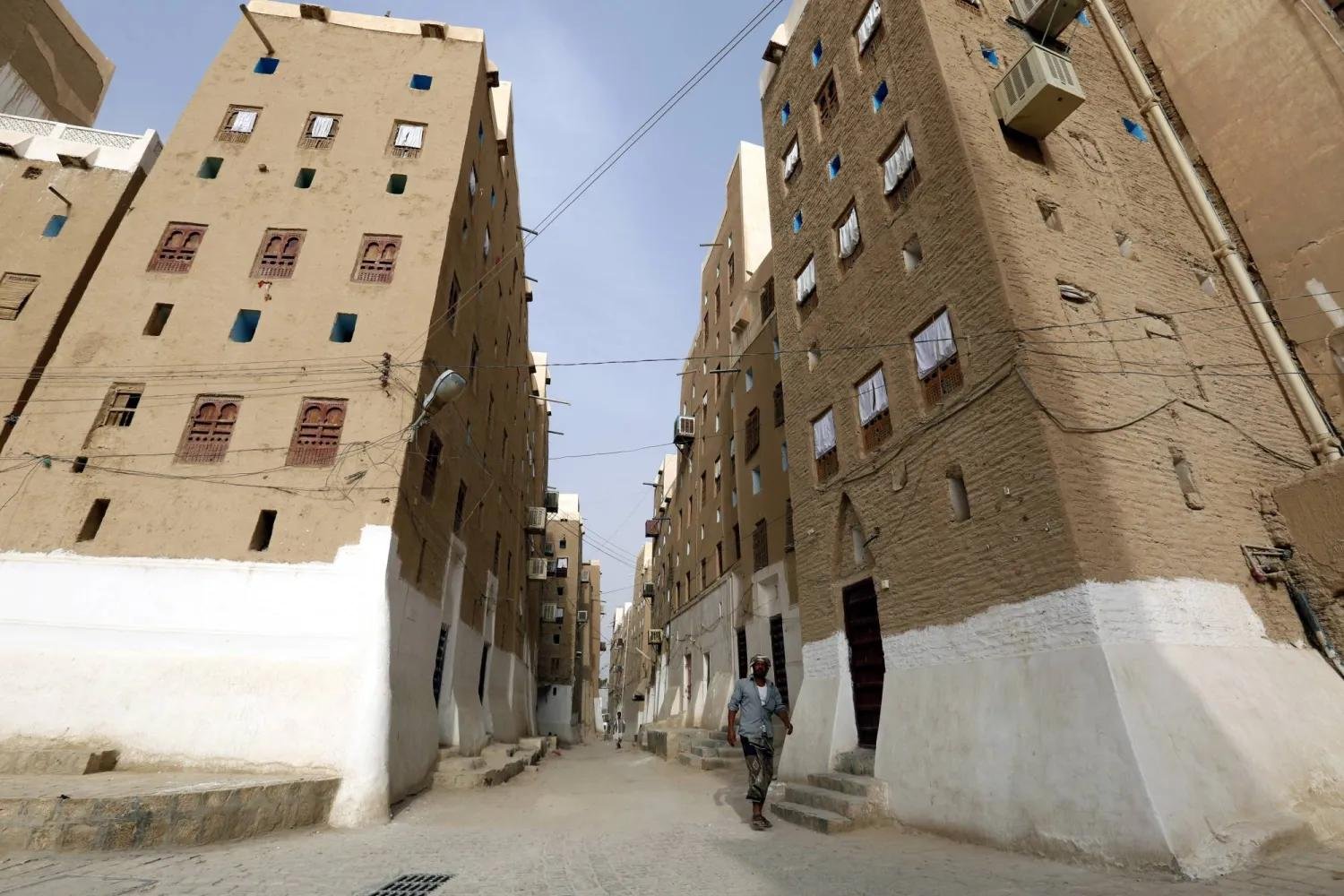
The city is distinguished by its tower houses, built using sun-dried mud bricks, with timber and local materials used for roofs, doors and windows, and some façades coated with lime plaster to protect them and improve their appearance.

The historic buildings reflect the skills of Hadrami builders, who were able to erect tall structures using natural materials while meeting the requirements of housing, privacy and protection.

Shibam also preserves inherited social customs, including hospitality, family solidarity and participation in religious occasions and weddings, as well as Hadrami folk arts and chants.

The alleys, squares, markets and mosques form part of the city’s cultural memory, having been closely connected to residents’ daily lives for centuries.

The continued use of the old houses as homes is one of the most important elements of Shibam’s heritage value. It is not merely an archaeological site, but a living historic city.

People and society

The community of Shibam District is characterized by close family ties and a commitment to Hadrami traditions, with a range of activities and occupations among residents of the Old City and surrounding areas.

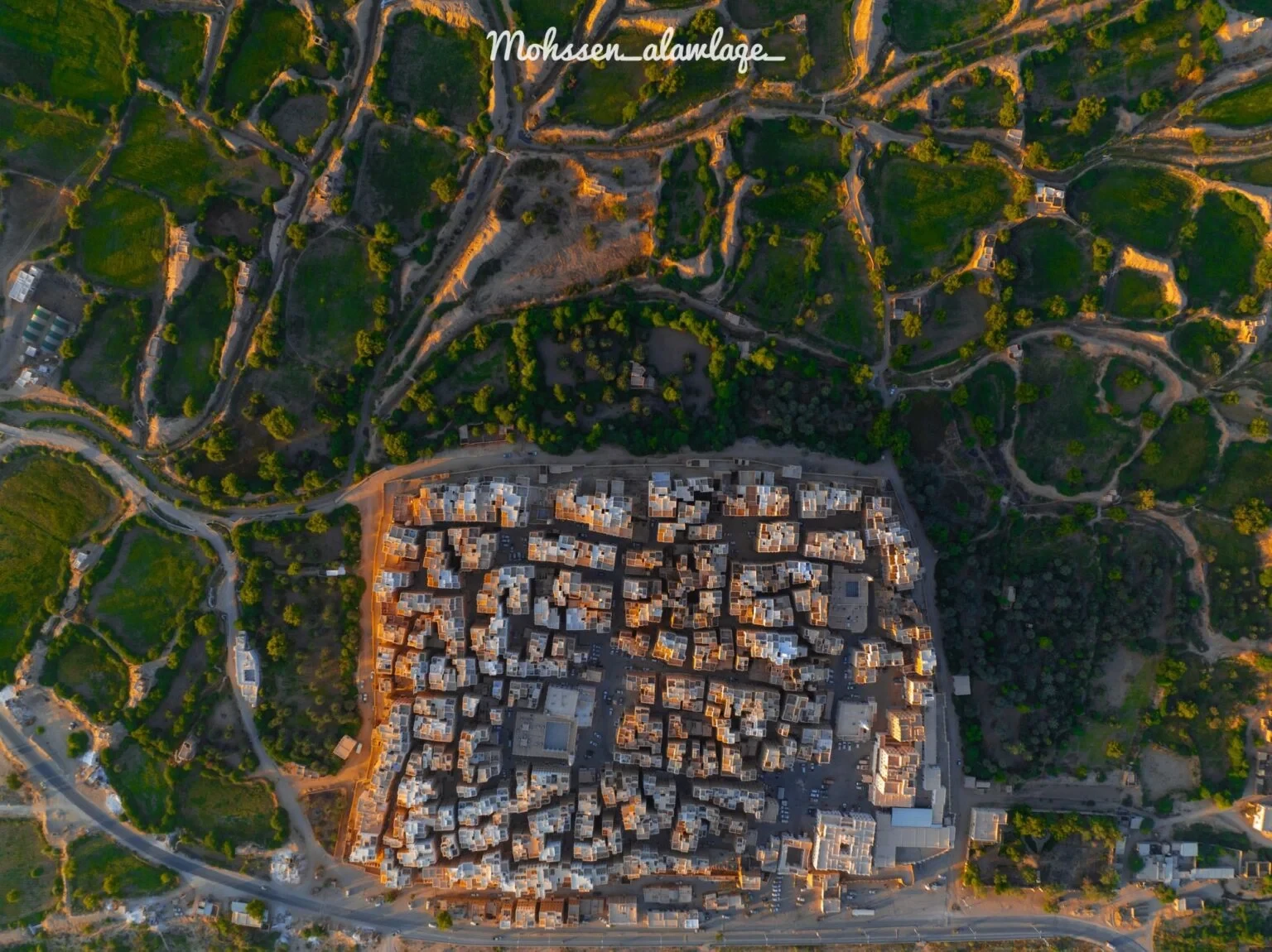
Social life within walled Shibam is marked by closely spaced houses and intertwined alleys, which have historically helped strengthen daily relationships among families and neighbors.

The district includes settlements outside the Old City, including Al Hawtah, Al Hazm, Suhayl Shibam and Qaryu, where activities include trade, agriculture, education, services and crafts.

Local communities also maintain social and economic ties with other cities in Wadi Hadramout, especially Seiyun and Al-Qatn.

Educational institutions, community initiatives and cultural activities contribute to preserving local identity, alongside residents’ and artisans’ efforts to maintain historic buildings.

The economy of Shibam District depends on trade, services, agriculture and traditional crafts, as well as jobs and economic activities linked to the cities of Wadi Hadramout.

The district has markets and shops serving residents and neighboring areas, while agriculture is an important activity on the lands surrounding the city, particularly date palm cultivation and some seasonal crops.

Shibam’s traditional economic system was linked to agriculture dependent on floodwater, with residents making use of silt deposited in the valley to grow crops and produce mud-brick building materials.

Mud-brick construction and the maintenance of old houses are also important crafts. Preserving historic buildings requires specialized expertise in brickmaking, restoration and protection from damp.

Shibam has exceptional tourism assets thanks to its World Heritage status, offering opportunities in tour guiding, hospitality, handicrafts and cultural services, provided that suitable security and service conditions are available.

UNESCO notes that the relationship between the agricultural lands surrounding the city and mud-brick building materials forms an essential part of the site’s heritage and economic value.

Main landmarks

Historic City of Shibam

The historic city of Shibam, located in Wadi Hadramout in eastern Yemen, is considered one of the world’s most prominent archaeological cities and one of the oldest urban models based on vertical construction using mud bricks. The city is renowned for its towering residential buildings, historic walls and distinctive urban layout, earning it the title “Manhattan of the Desert.” Shibam stands as a living testament to the ingenuity of Hadrami people in architecture and urban planning. UNESCO included it on the World Heritage List in 1982, in recognition of its exceptional historical and architectural value.
Shibam news

No news about this district yet

Contact Alhadarmia News Agency

Do you have news, a photo or information from your area? Message us directly at 775925520

Contact us on WhatsApp