
Old Hadrami Journalism: The Story of the First Word, from Manuscript Newspapers to the Printing Era
Journalism emerged in Hadramout in the early 20th century, when manuscript newspapers and magazines appeared covering community affairs, education, reform and culture, before developing into printed publications in Mukalla, Tarim and Seiyun. Journalistic activity reached a notable peak during the 1950s and 1960s, with the emergence of political and cultural newspapers that helped shape public awareness and document historical changes.
- Date
- 1913
- Place
- Not specified
- Ago
- 113 years ago
Historical background
The emergence of Hadrami journalism was linked to the educational and cultural and social reform movement that Hadramout witnessed in the late 19th and early 20th centuries, as well as the influence of Hadrami migration to East Asia.
Hadrami migrants had become familiar with Arabic newspapers and magazines published in their countries of migration, and some contributed to establishing publications that addressed Hadramout’s affairs and the circumstances of Arab communities.
When a number of migrants and intellectuals returned to Hadramout, they brought with them their experience of journalism and publishing. However, the limited availability of printing presses and financial resources led pioneers to produce handwritten newspapers, which were then copied and distributed among readers.
At the time, Hadramout was divided between the Qu'aiti and Kathiri sultanates, and discussions were taking place about education, reform, administration and political relations, providing subject matter for the emerging press.
Details
The Early 20th Century: Journalism Is Born Abroad
Hadrami journalistic ventures abroad preceded a number of local ones, particularly in Singapore and Indonesia, where Hadrami communities were active in publishing Arabic newspapers.
Among the earliest publications was the newspaper “Al-Imam,” which appeared in Singapore in 1906. Other newspapers and magazines followed, addressing education, reform and social affairs.
In 1923, the newspaper “Hadramout” appeared in Surabaya, Indonesia. It was edited by Mohammed bin Hashim, and copies reached Hadramout and other areas through postal and maritime networks.
These publications helped connect Hadramis living abroad with their homeland and carry ideas and cultural and political discussions between the two shores of the Indian Ocean.
Manuscript Newspapers: The Word Before the Printing Press
In the first decades of the 20th century, manuscript newspapers and magazines appeared in Hadramout. Their editors wrote the material by hand, then copied the issues for circulation among interested readers.
Historical studies mention the newspaper “Al-Sayl,” associated with Mohammed Aqil bin Yahya. Accounts differ over its year of publication, placing it between 1911 and 1913, while the name “Al-Sabil” appears in some sources.
In 1917, the handwritten newspaper “Hadramout” appeared in Tarim, published by Sheikh bin Abdulrahman Al-Saqqaf with the participation of a number of people interested in cultural affairs.
Despite their limited circulation and the short lifespan of some, these newspapers represented an early attempt to express opinions and publish ideas outside the framework of traditional manuscripts and letters.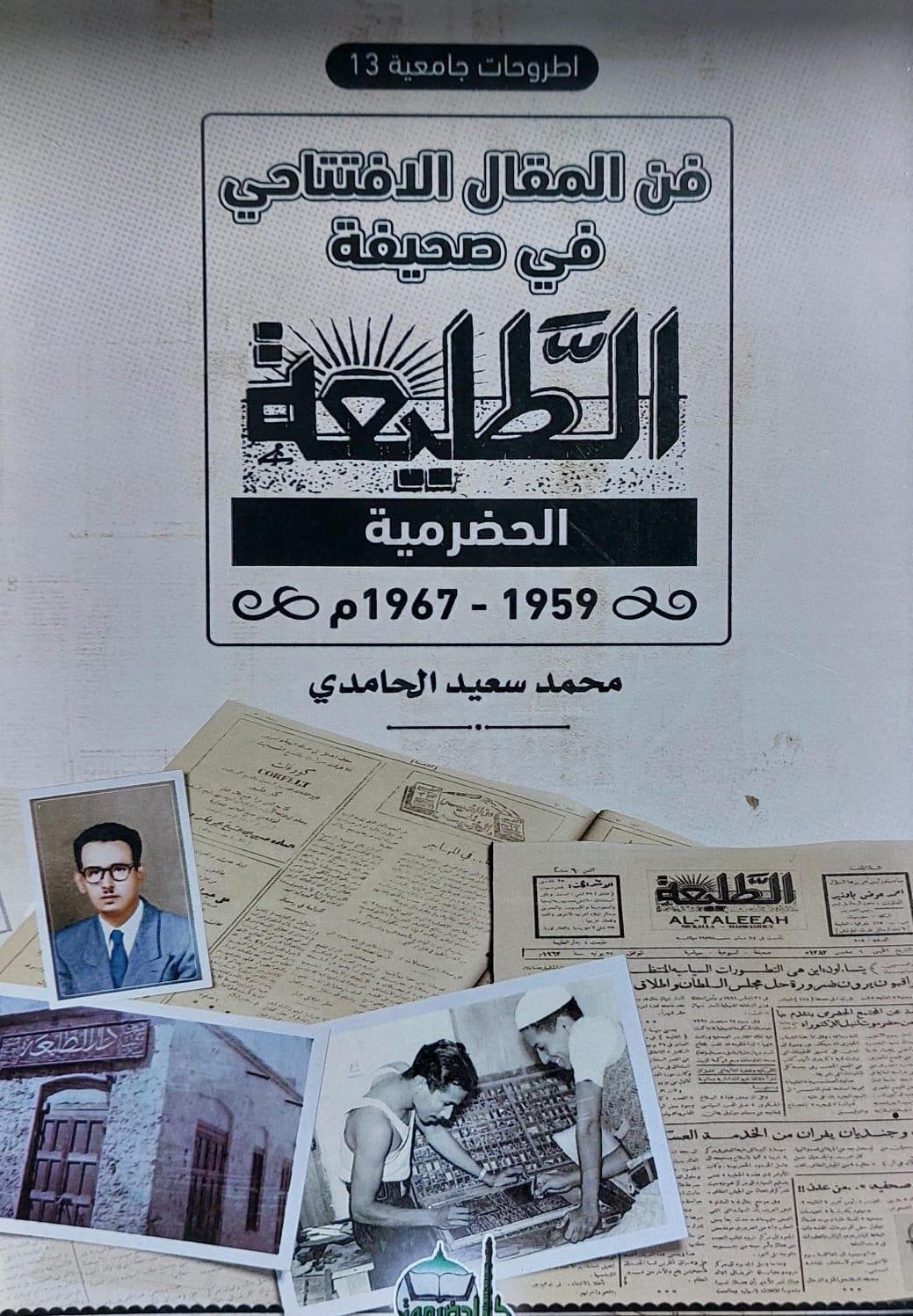
Seiyun: Literary Journalism and the Enlightenment Movement
In the late 1920s, Seiyun emerged as a center of literary and journalistic activity, with the appearance of manuscript magazines focused on culture and social reform.
Among the most prominent was the magazine “Al-Tahdhib,” associated with the writer Ali Ahmed Bakathir and Mohammed bin Hassan Baraja, which appeared around 1929.
The magazine focused on literature, science and ethics, and called for the development of education and resistance to intellectual stagnation.
The magazine “Okaz,” associated with Abdullah bin Ahmed bin Yahya, also appeared among cultural ventures reflecting the activity of educated young people in Wadi Hadramout.
These publications had limited resources, but helped bring literary and intellectual figures to prominence, some of whom later gained a wide presence.
Mukalla: The Beginnings of Printed Journalism
Mukalla saw early attempts to publish printed newspapers, linked to the development of the Sultanate’s printing press and the city’s cultural life.
A study published by the Hadramout Center for Historical Studies refers to publications by Mahfouz Yislam bin Abdu, including the newspaper “Al-Ahqaf,” which the researcher dates to as early as 1898, followed by different phases of the newspaper “Al-Nahda Al-Hadramiyah.”
In 1927, “Al-Nahda Al-Hadramiyah” appeared in an edition associated with the Hadrami Reform Conference, with the writer Al-Tayyib Al-Sasi among its contributors. However, the venture did not last long for political reasons.
In the late 1930s, the newspaper “Al-Minbar” emerged in Mukalla. In a lecture he delivered in 1945, historian Mohammed bin Ahmed Al-Shatiri noted its role among the early printed newspapers.
These ventures show that the history of printed journalism in Hadramout did not begin with a single continuous publication, but with scattered attempts that faced political, technical and financial challenges.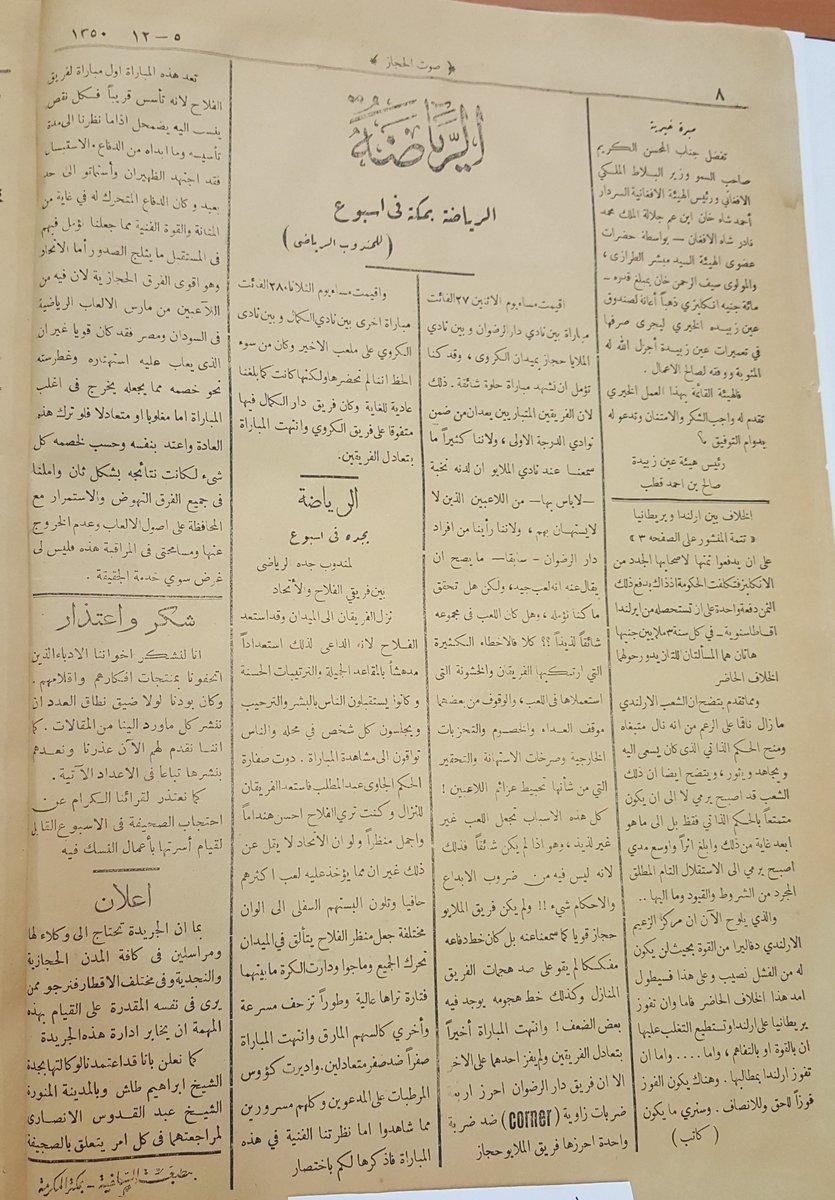
Tarim: Al-Ikha Magazine and Association Journalism
In 1938, the Brotherhood and Cooperation Association in Tarim published the magazine “Al-Ikha,” which began as a handwritten publication before a manual printing press was used.
The magazine focused on education, social reform and culture, and a number of association members and intellectuals contributed to its editing.
It continued for nearly two years before stopping amid circumstances linked to World War II, but it left an important mark on the history of voluntary association journalism in Hadramout.
“Al-Ikha” represented an example of journalism’s connection with the educational and social initiatives that the region witnessed at the time.
The 1950s and 1960s: The Golden Age of Hadrami Journalism
In the late 1950s and during the 1960s, journalistic activity in Mukalla expanded noticeably, and newspapers emerged that became among the most important sources documenting political, social and cultural life before the end of sultanate rule.
Among the most important of these newspapers were:
Al-Tali'ah (1959–1967): Published by Ahmed Awadh Ba Wazir, it covered political, reform and cultural issues and the future of Hadramout.
Al-Ra'id (1960–1964): Published by the writer and poet Hussein Mohammed Al-Barr, it focused on cultural and social affairs.
Al-Ra'i Al-Aam (1963–1967): Published by Ali Abdulrahman Bafaqih, it discussed social, political and educational issues.
This period saw a variety of articles, investigations and literary material. Newspapers also became a forum for discussion about political changes and the future of rule in Hadramout.
Historical studies have described the 1960s as one of the most prominent periods of flourishing for Hadrami journalism.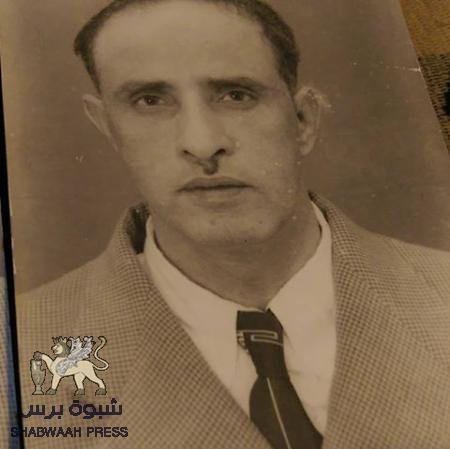
Hadrami Women: An Early Presence in Newspaper Pages
Journalistic activity was not limited to men. During the 1960s, Hadrami journalism saw the emergence of women’s voices addressing education, social participation and women’s rights.
Among the most prominent was the writer Salama Abdulqader Bamatarf, who published articles under the pseudonym “S. A. B.” in the newspapers “Al-Ra'id” and “Al-Ra'i Al-Aam.”
Her writing addressed the importance of women’s education, cultural development and participation in society, at a time when these issues were subjects of social discussion.
This presence is important evidence of Hadrami women’s participation in intellectual and journalistic life before 1967.
After 1967: Journalism Amid Political Changes
The end of sultanate rule in 1967 brought wide-ranging changes to media institutions, and the newspapers published during the previous period ceased publication.
In the following years, the newspaper “Al-Shararah,” associated with the ruling political organization, came to prominence and became one of the leading local newspapers in Hadramout.
After Yemeni unity in 1990, other newspapers appeared in the governorate, including “Hadramout,” followed at different stages by publications such as “Al-Masilah” and “Shibam.”
With the spread of the internet in the following decades, news websites and digital platforms began to occupy an increasing share of the media landscape, while print journalism declined amid economic, technological and political challenges.