
Hadramout under the Qaitid and Kathiri Sultanates: A History of Rule and Political Transformations
Hadramout witnessed centuries of political transformations, during which the Kathiri State and then the Qaitid Sultanate emerged, sharing influence across the valley and coastal areas. They helped shape administration, trade and political relations before sultanic rule ended in 1967, and Hadramout entered a new phase within the independent state in South Yemen.
- Date
- 17 September 1967
- Place
- Mukalla, Al-Shihr, Seiyun and Tarim
- Ago
- 59 years ago
Historical background
Throughout its history, Hadramout had various local systems of rule, linked to the influence of tribes, ruling families, and commercial and scholarly centers. During the 15th century AD, the Kathiri State emerged as one of the region’s main political powers, with cities in Wadi Hadramout serving as important centers of its influence.
In the 19th century, the Qaitid Sultanate rose in Hadramout and managed to extend its influence over wide areas of the coast and parts of the interior, drawing on its financial resources and its commercial and military ties with India.
Competition between the two sultanates reshaped Hadramout’s political map, before agreements and British intervention helped regulate relations between them during the final decades of sultanic rule.
Details
The Kathiri State: Roots of Rule in Wadi Hadramout
The Kathiri State emerged during the 15th century AD, and its history was linked to the cities of Seiyun and Tarim and several areas of Wadi Hadramout. Its rule went through multiple phases of expansion and decline as a result of internal conflicts and competition with local powers.
With the rise of the Qaitid Sultanate during the 19th century, Kathiri influence gradually diminished, becoming concentrated mainly in the valley areas, while the Kathiri Sultanate retained its political entity and local administration.
The Qaitid Sultanate: From Military Influence to the Establishment of a State
The modern Qaitid Sultanate dates back to the 19th century, with the emergence of Omar bin Awadh al-Qaiti, whose name was associated with the founding of the Qaitid political entity.
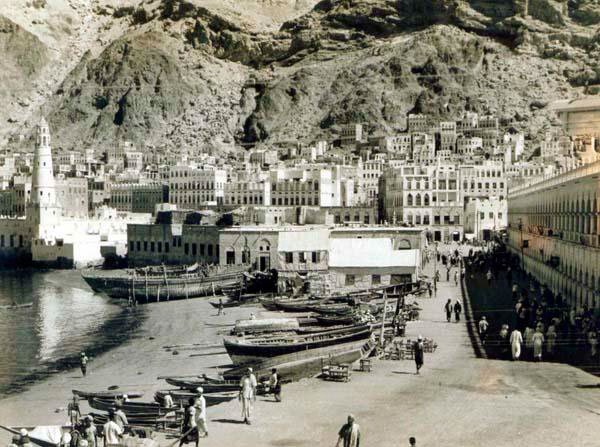
The sultanate underwent significant expansion with its takeover of Al-Shihr in 1866, followed by Mukalla in 1881, after conflicts and alliances with local powers. The two cities became among the most prominent centers of Qaitid rule.
The sultanate relied on military power, agreements and tribal alliances to expand its influence, alongside financial resources linked to its founders’ ties with India.
Hadramout University Journal of Humanities+1
British Influence and the Regulation of Relations Between the Two Sultanates
The year 1888 marked an important milestone in the history of the Qaitid Sultanate, when it entered into a protection agreement with Britain, strengthening the British role in the sultanate’s foreign relations.
In June 1918, an agreement between the Qaitid and Kathiri sultanates was concluded in Aden with British participation. It aimed to regulate political relations and establish arrangements for the distribution of influence between the two sides.
The agreement provided for the continuation of the two sultanates as separate entities in their internal affairs, within broader political arrangements linked to British protection, while regulating foreign relations and resolving disputes between them.
Political and Economic Life During the Sultanic Era
During that period, Hadramout was characterized by multiple centers of local authority and influence, with administrative and economic conditions varying between the coastal and valley areas.
Coastal ports, foremost among them Mukalla and Al-Shihr, were important outlets for maritime trade, while the economy of the valley areas was linked to agriculture, local markets and commercial exchange.
Hadrami migration abroad, particularly to India and Southeast Asia, also remained a prominent feature of Hadrami society, helping create cross-border economic, social and cultural ties.
1967: The End of Sultanic Rule
Hadramout underwent rapid political transformations during September 1967, culminating in the fall of the sultanic system of rule and the transfer of power to the Supreme People’s Committee, affiliated with the National Front for the Liberation of Occupied South Yemen.
The new administration began on 17 September 1967 and continued until South Yemen declared independence on 30 November of the same year, when Hadramout became a governorate within the People’s Democratic Republic of South Yemen.
Thus ended a historical period during which the Qaitid and Kathiri sultanates had been the most prominent ruling political entities in Hadramout in the modern era.
Historical impact
The Qaitid and Kathiri sultanates left a clear imprint on Hadramout’s political and urban history and helped shape local administrative systems and political and commercial relations during an important period in the region’s history.
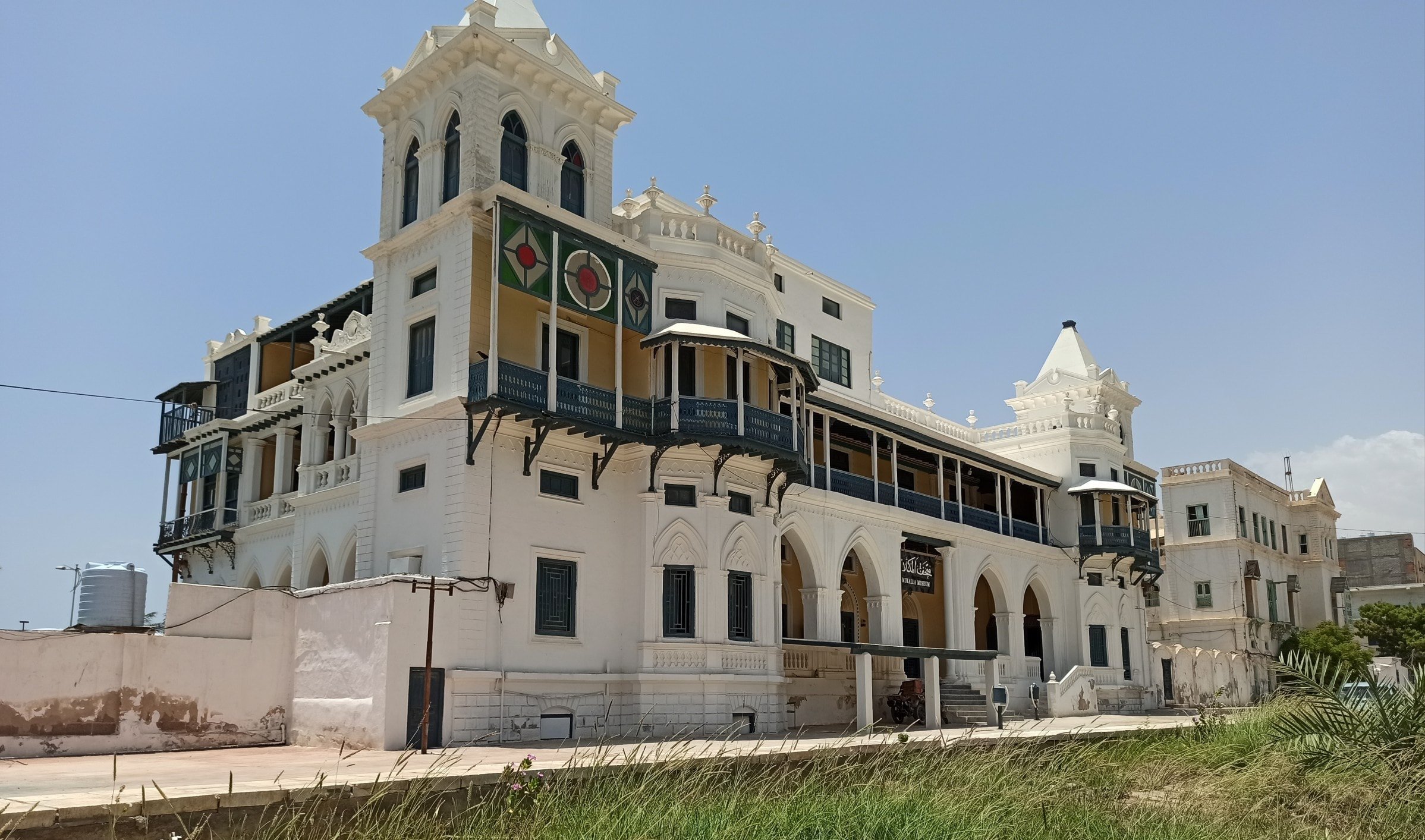
Palaces, historic buildings, official documents and political correspondence associated with that era remain evidence of the nature and transformations of sultanic rule.
The end of sultanic rule in 1967 was also a pivotal turning point, as Hadramout moved from having multiple local political entities to a new administrative system within the state of South Yemen, before Yemeni unity was established on 22 May 1990.
Photos and documents


Sources
- Newspaper or magazine صحيفة 14 اكتوبر