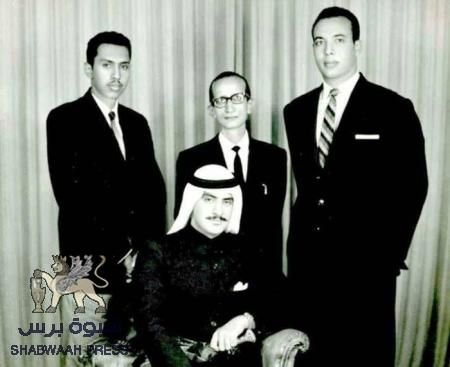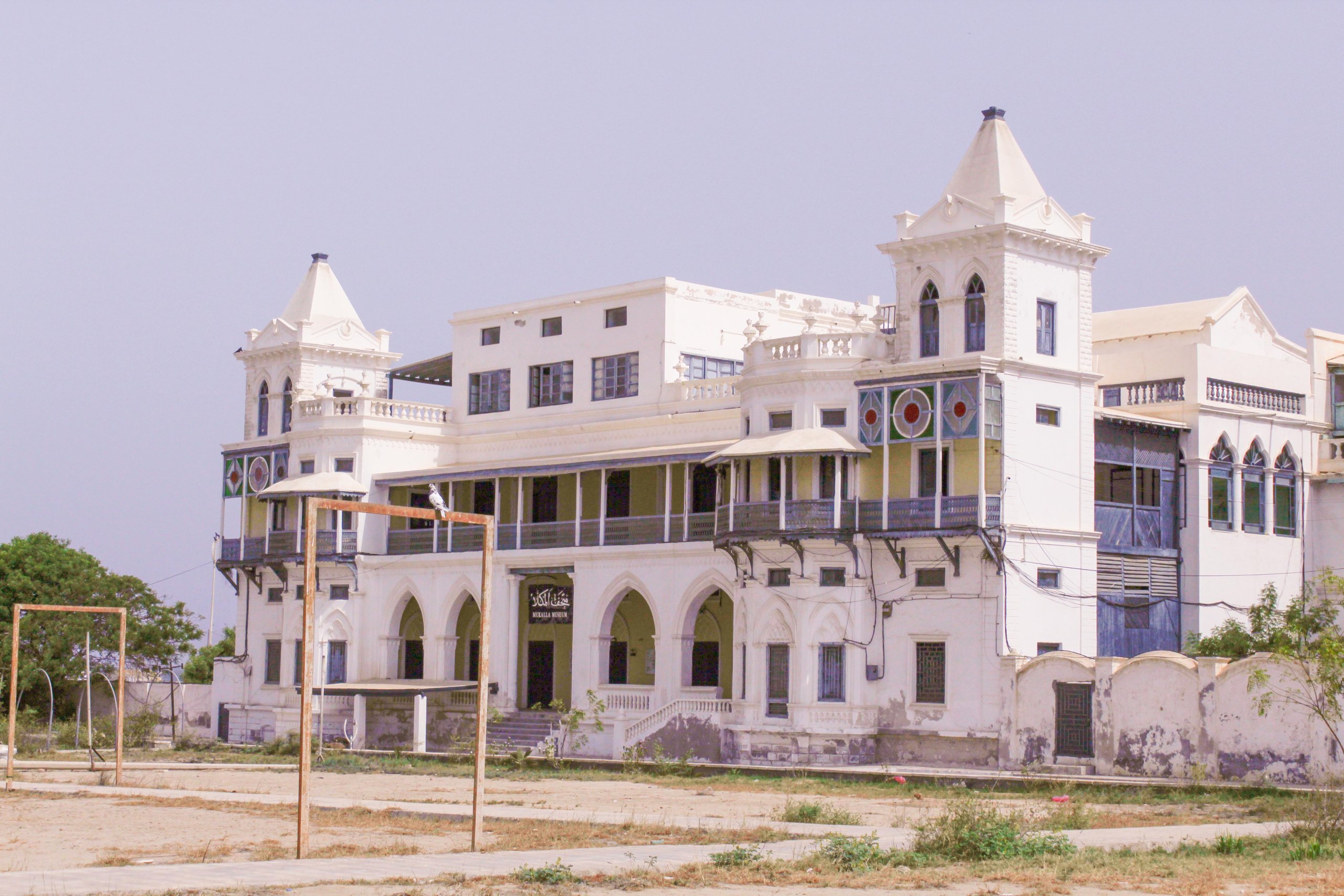
September 17, 1967: The End of Sultanate Rule and the Beginning of a New Era in Hadramout
On September 17, 1967, Hadramout underwent a pivotal political transformation, as Qaiti Sultanate rule collapsed and power passed to forces associated with the National Front, amid the changes that preceded the independence of South Yemen. The event marked the end of a long historical era and the beginning of a new political and administrative system that changed the nature of governance in Hadramout.
- Date
- 17 September 1967
- Place
- Mukalla Port, Brum, Hajar bin Daghar, Ghayl Ba Wazir and Shuhayr, Al Mukalla City
- Ago
- 59 years ago
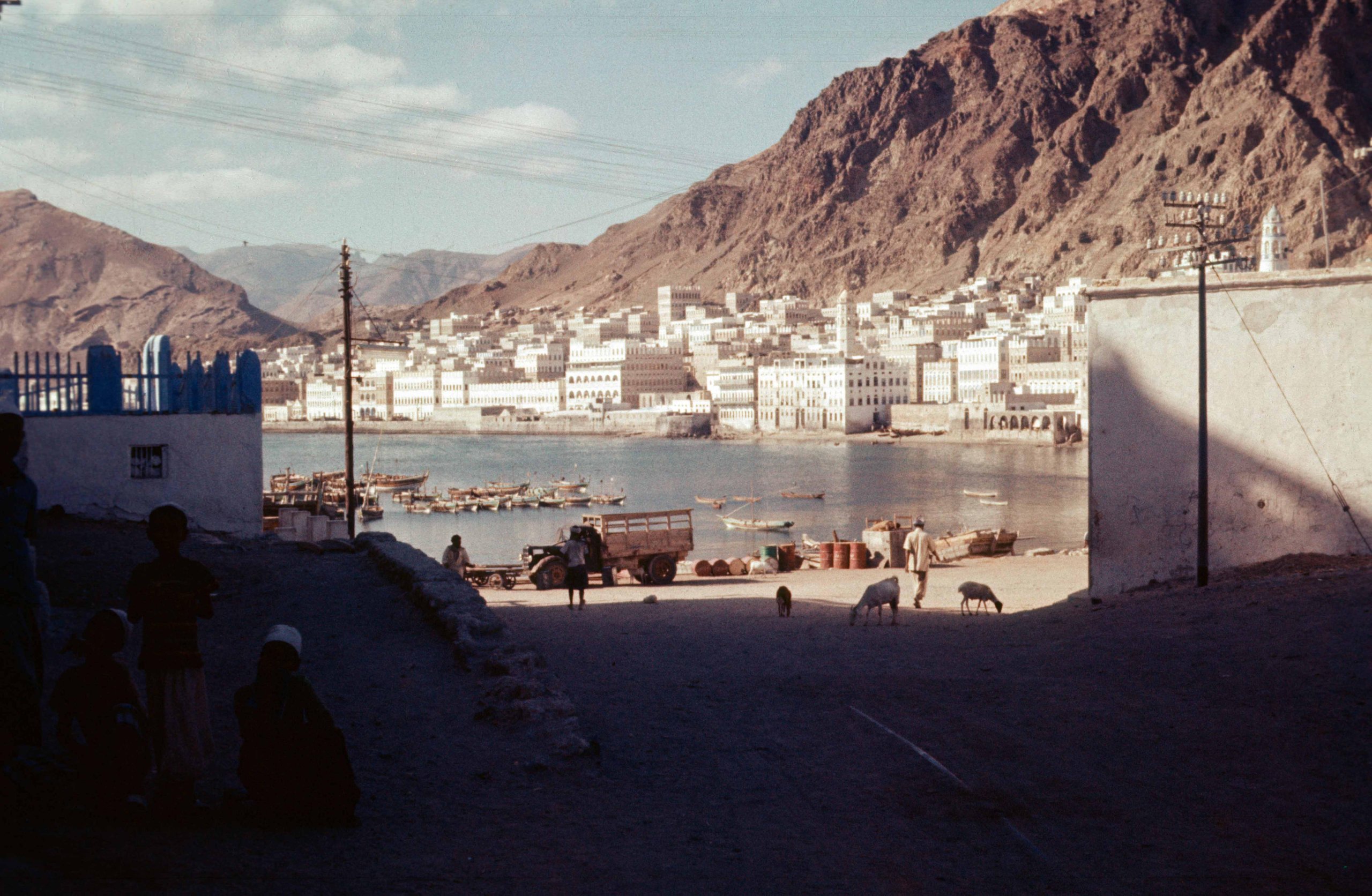
Historical background
During the 19th century and the first half of the 20th century, large areas of Hadramout were under the rule of the Qaiti and Kathiri sultanates, which retained their local administrations under British protectorate arrangements.
As national liberation movements in South Yemen gained momentum during the 1960s, the region saw rapid political and military changes, alongside the decline of British influence and the growing activity of anti-colonial organizations, foremost among them the National Front and the Front for the Liberation of Occupied South Yemen.
Amid these developments, the sultanate regimes faced mounting challenges as anti-government political activity expanded and their ability to maintain power declined with the approaching date of the British withdrawal.
By September 1967, Hadramout was entering a decisive period that ended with the fall of sultanate rule and the transfer of power to a new political leadership.
Details
The Days Before the Fall of the Sultanate
During the first half of September 1967, the National Front moved to expand its influence in Hadramout, drawing on its ties within some of the military and security formations affiliated with the Qaiti Sultanate.
On September 15, forces associated with the National Front took control of the Hajar bin Daghar area, then advanced toward Brum, west of Mukalla, in a move that paved the way for the transfer of power in the sultanate's capital.
Historical accounts indicate that contacts were made with military and security leaders to avoid armed clashes inside the city, helping to prepare the ground for the anticipated political transition.
Morning of September 17: Mukalla Faces a New Reality
In the early hours of Sunday, September 17, 1967, the National Front began taking steps to seize control of government and military institutions in Mukalla, with the cooperation of army and police units.
These developments coincided with the arrival of a ship carrying several sultans of the region off the port of Mukalla. Among them was Sultan Ghalib bin Awad al-Qaiti, who found himself facing a political reality different from the one that existed when he had departed.
According to accounts by participants and witnesses of that period, representatives of the National Front boarded the ship and informed the sultans that power had been transferred and that they would not be allowed to disembark in the city, before the ship later departed.
Several historical sources agree that the transfer of power in Mukalla took place without a major battle or bloodshed during the takeover of the city, despite differences among some accounts over the details of the negotiations that preceded the ship's departure.
Announcing the New Authority and Forming the Supreme Popular Committee
That same day, the National Front began consolidating its authority through a popular committee that took charge of government and security affairs.
An official document dated September 17, 1967, published by the Hadramout Center for Historical Studies, reveals that the new administration notified the Qa'im al-Dawla in Ghayl Ba Wazir and Shuhayr that the National Front had taken power that morning with the cooperation of the armed forces, and that conditions in Mukalla were calm.
On September 20, another letter was issued in the name of the Supreme Popular Committee, confirming the transfer of power and calling on local officials to cooperate with representatives of the National Front and maintain security and order.
These letters are particularly significant because they document the first administrative measures accompanying the end of Qaiti rule and the transfer of the institutions of power to the new administration.
The Changes Extend to Wadi Hadramout
The events of September 17 did not immediately bring an end to all the sultanate entities in Hadramout; the changes continued over the following weeks.
While Qaiti rule ended in Mukalla and the coastal areas during September, control in the Kathiri Sultanate in Wadi Hadramout passed to the National Front in early October 1967, according to historical sources that describe the sequence in which the two sultanates fell.
Thus, the end of sultanate rule was completed in Hadramout's most prominent political centers, before the official declaration of South Yemen's independence.
From September to the Independence of South Yemen
The Supreme Popular Committee administered Hadramout during the transitional period from September 17 to November 30, 1967, a period lasting 74 days, according to the documentary study published by the Hadramout Center for Historical Studies.
With the declaration of South Yemen's independence on November 30, Hadramout became part of the People's Democratic Republic of South Yemen, bringing to an end the separate transitional administration that had followed the fall of the two sultanates.
This transition represented a change in the structure of power, from a system of sultanate rule and British protection to the institutions of the new state.
Historical impact
The events of September 17, 1967, marked a major turning point in Hadramout's modern political history. Their effects included the end of Qaiti rule, the completion of the transfer of power in the valley, and the transformation of the administrative and political system that had governed the region for decades.
The events also paved the way for Hadramout's integration into the independent state in South Yemen and reshaped the relationship between its local institutions and the central authority.
This period has remained the subject of differing historical interpretations. Some participants in the national movement view it as a milestone in the process of ending colonialism and sultanate rule, while other interpretations focus on Hadramout's loss of its local political entities and the changes that followed.
Original documents and the testimonies of contemporaries remain essential sources for understanding the event without the influence of preconceived political judgments.
Photos and documents