Domestic Gas Crisis in Tarim: Allocated Quota Does Not Arrive Regularly, and Needs Exceed the Allocation
Special Report
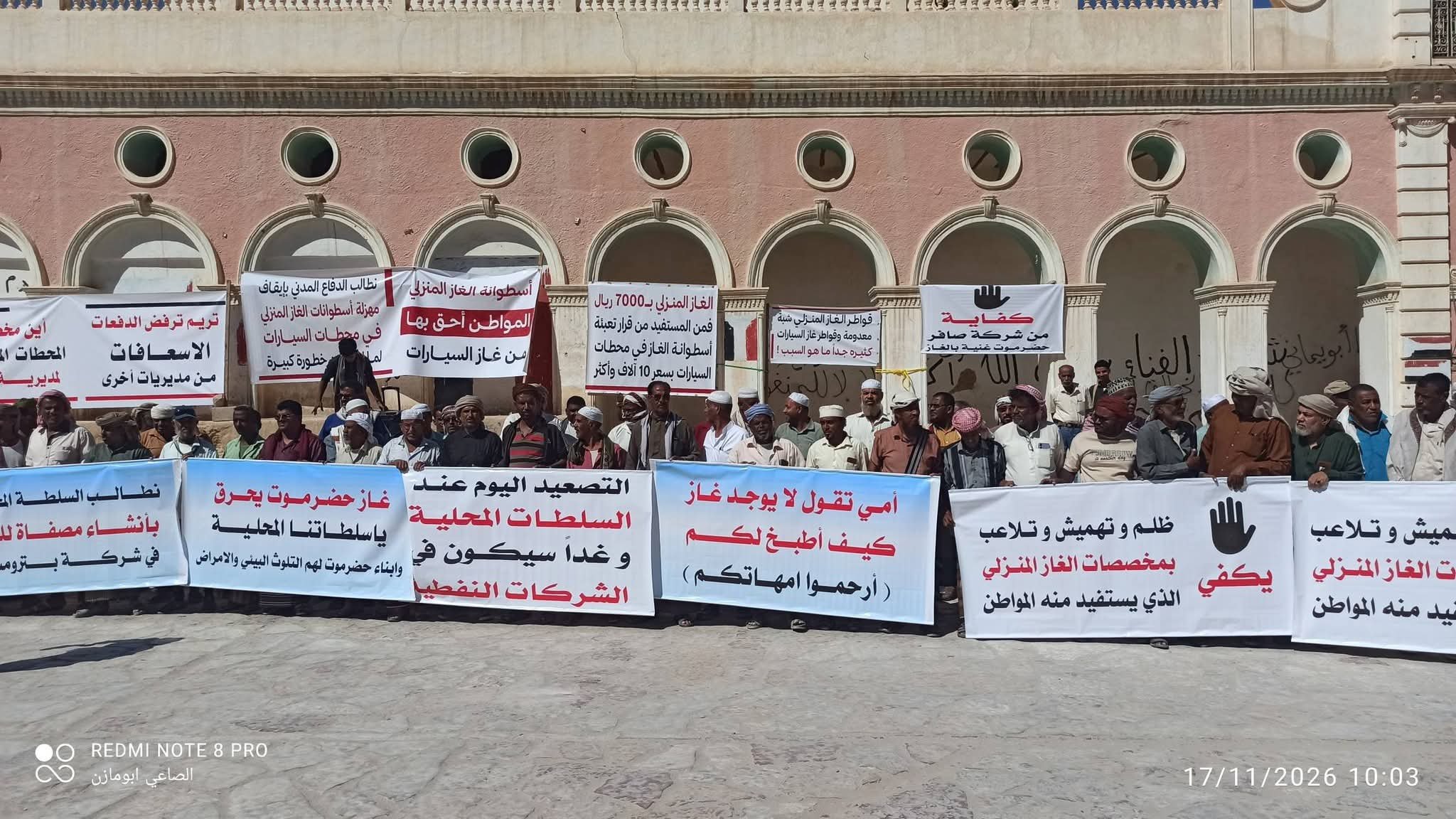
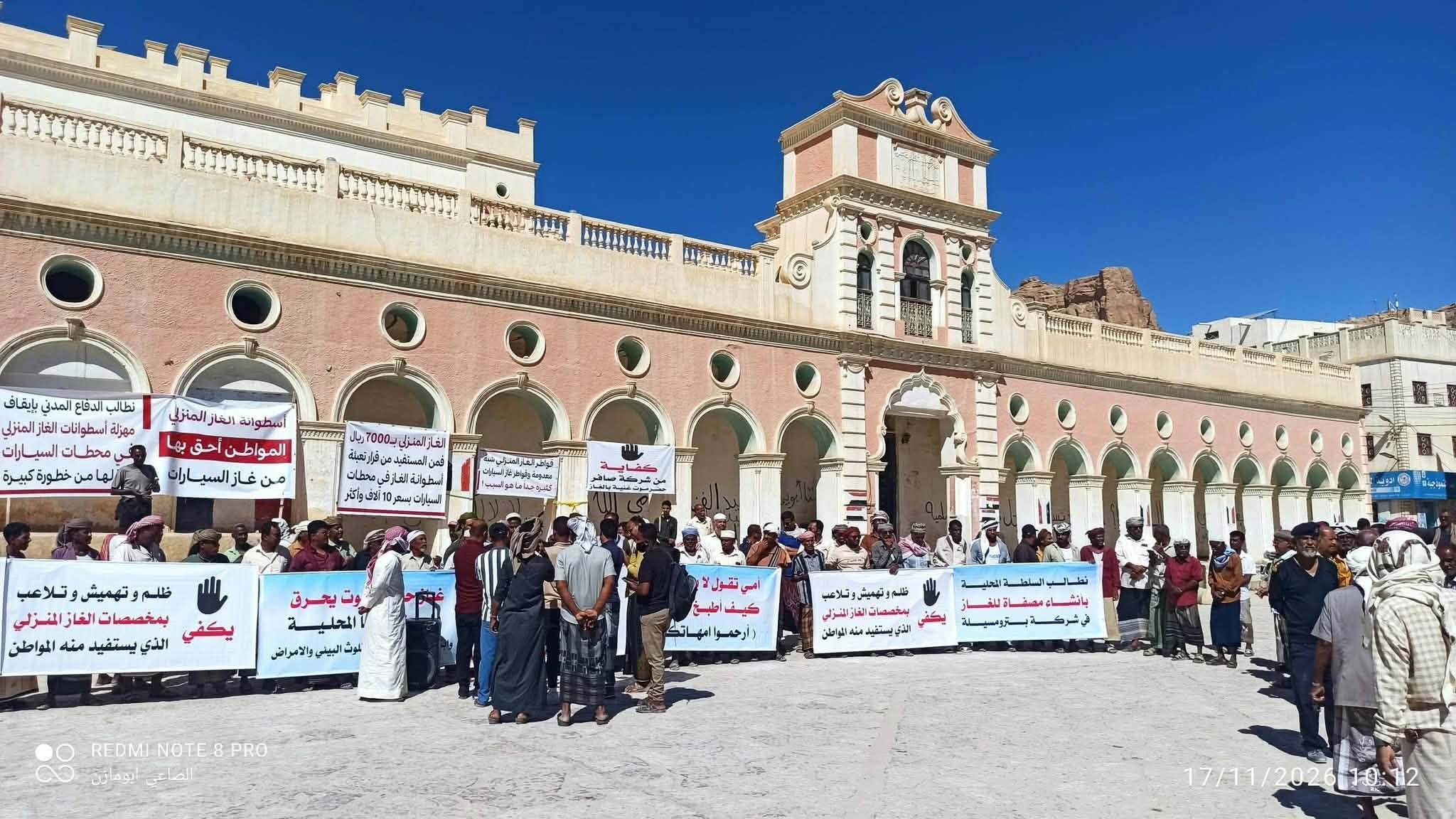
A protest staged by residents in Tarim District last Tuesday once again drew attention to the domestic gas crisis, amid complaints about delays in the arrival of cylinders and rising prices at some sales outlets, and calls for regular supplies and an end to gas sales at prices exceeding the official rate.
Statements from residents, the local authority and the gas company’s representative reveal a gap between the district’s actual needs and the quantities allocated to it, as well as irregular arrivals of supplies from the source. However, these statements have not yet provided a clear timeline for resolving the crisis or any guarantee that the allocated quantities will arrive in full and regularly.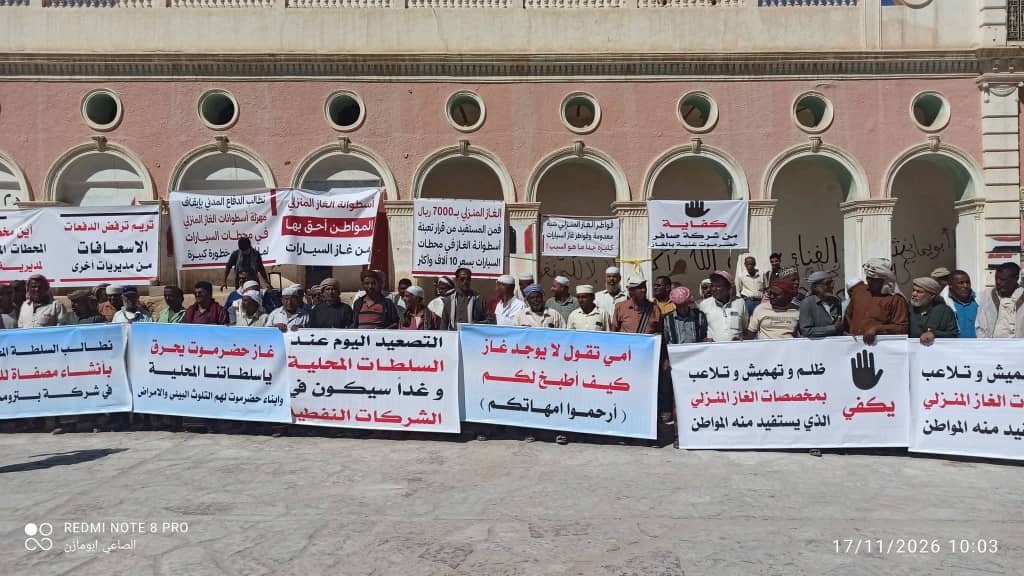
Delayed supplies… and problems with collection times
Mohammed Awad Hamdoun, head of the Al-Suhayl neighborhood and one of the participants in the protest, said the main problem residents face is the delay in the arrival of the neighborhood’s allocation, with no fixed arrival time. He added that some families miss their allocated delivery because their members are busy or have not seen the announcement about collecting cylinders in the WhatsApp group.
Hamdoun explained that the allocation reaching the neighborhood is distributed in full, and that distribution proceeds, he said, in an organized and smooth manner, with each family receiving its share. He added that families with more than six members receive an additional cylinder, noting that the interval between deliveries may exceed two months.
According to Hamdoun, residents’ demands focus on keeping the price of a cylinder at no more than 7,000 rials, ensuring a continuous supply of gas, preventing its sale at car fuel stations at prices above the official rate, and establishing central stations in the valley similar to those on the Hadramout coast.
He also called for gas to be sourced from the PetroMasila Company fields located in the Hadramout Plateau instead of being brought from Marib.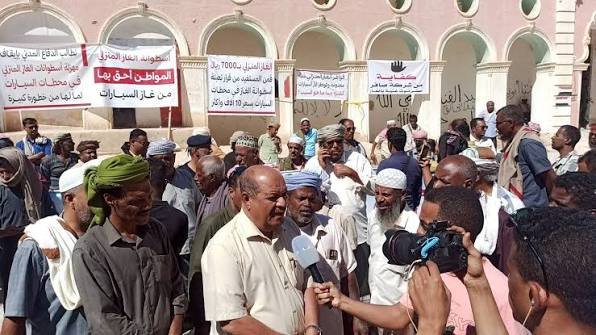
The allocation does not meet demand
For his part, Tarim District Director General Abdulkarim Babattat said the main reason for the crisis is the shortage of supplies coming from the source. He explained that supplies of vehicle gas have been relatively stable, although tanker deliveries are sometimes disrupted by tribal blockades.
Babattat added that the scarcity of available gas drives some residents, under the pressure of need, to pay additional amounts above the official price, which fuels the black market, while the local authority is working to combat it.
According to Babattat, the district’s monthly allocation is 24 tanker loads, distributed among three stations: 12 tanker loads for Taribah Station, 8 for Wahaj Station and 4 for As Sawm Station. However, in his estimation, the district’s actual needs are no fewer than 45 tanker loads, while no more than one-third of the allocation reaches the district, and the quantities that do arrive are irregular.
He said the district’s local authority had contacted the leadership of the local authority in the valley after receiving a letter from Wahaj Station reporting a decrease in the quantity arriving as part of the district’s allocation. He added that the local authority leadership had instructed the Gas Company to increase Tarim’s allocation and ensure its regular delivery, expressing hope that this would have an impact in the coming days.
However, Babattat linked resolving the crisis to the source’s commitment to the agreements reached with the local authorities in the governorate and the valley, both in terms of the size of the allocations and the regularity of their dispatch.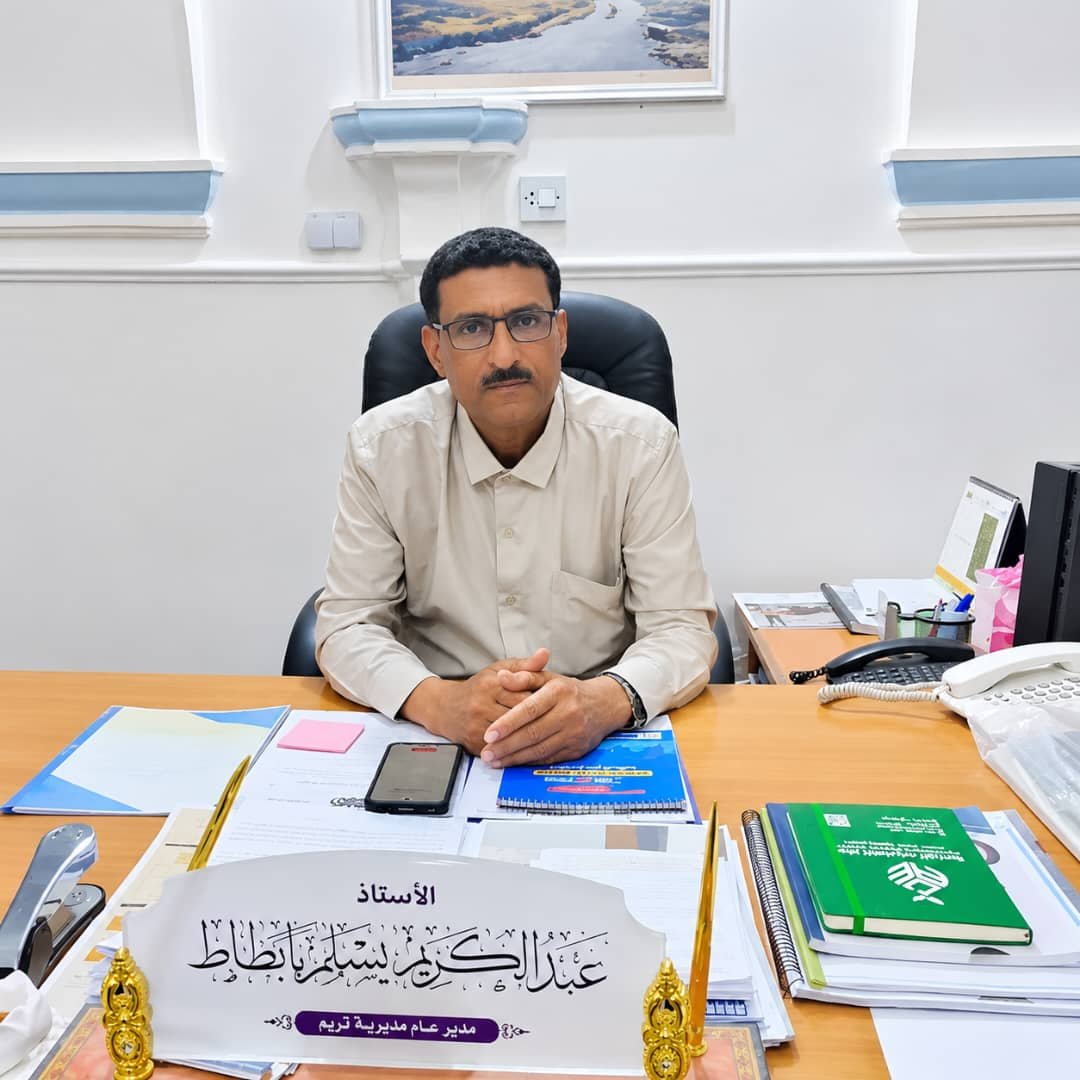
Company attributes crisis to supply shortages
For his part, engineer Mohammed Al-Saqqaf, the representative of the Yemen Gas Company in Wadi Hadramout and the Desert, attributed the gas crisis that affected the valley and the desert in recent months to a shortage in the quantities arriving from the Safer facilities, confirming that they had not met the area’s needs for liquefied petroleum gas.
He said the efforts of the Yemen Gas Company and the local authority, along with the completion of maintenance work at the Safer facilities, had helped resume the delivery of gas to central stations and improve supplies. He expected the situation to ease in the coming weeks if tanker deliveries from the Safer facilities continue.
This statement frames the anticipated easing of the crisis as conditional: according to the representative, it depends on the continued flow of tankers. The statement does not specify the quantities that will reach the valley or a date for supplies to return to a level that meets the needs of Tarim, one of the 16 districts of Wadi Hadramout and the Desert.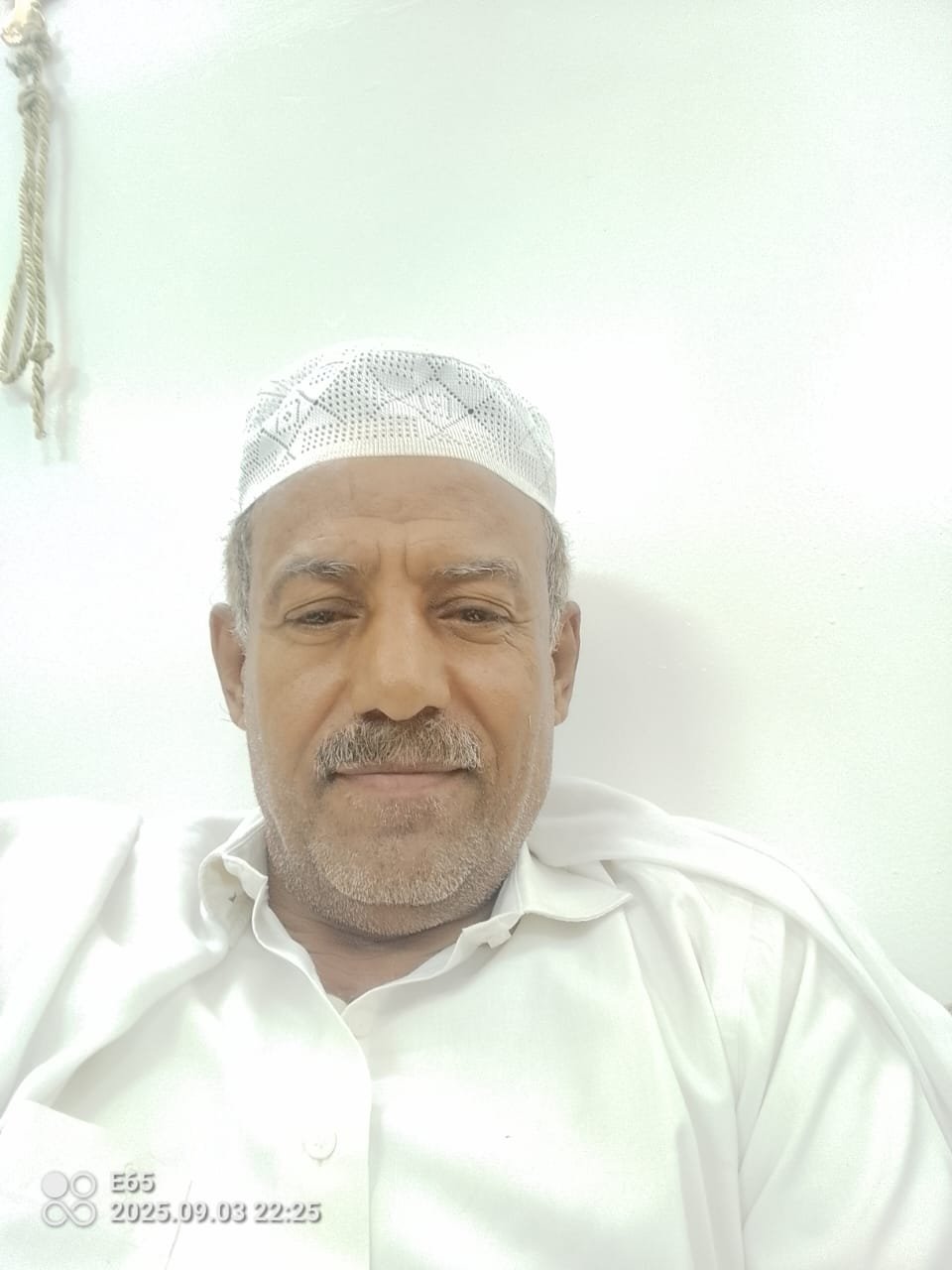
Between regular distribution and supply shortages
The statements distinguish between two problems: supply shortages across the district, as explained by the Tarim director general, and delays in deliveries reaching neighborhoods, as described by the head of the Al-Suhayl neighborhood. Hamdoun, meanwhile, said distribution within his neighborhood proceeds in an organized manner whenever its allocation arrives, indicating that regular local distribution alone does not address the shortage of quantities or delays in their arrival from the source.
For now, hopes rest on a near-term easing of the crisis, conditional on continued supplies from Safer, while residents are calling for more sustainable solutions that include increasing the allocation, ensuring its regular arrival, regulating prices and expanding supply sources. As families wait for deliveries, the measure of whether the crisis has ended remains the arrival of gas at the official price, in quantities and on a schedule residents can rely on.
Read also