
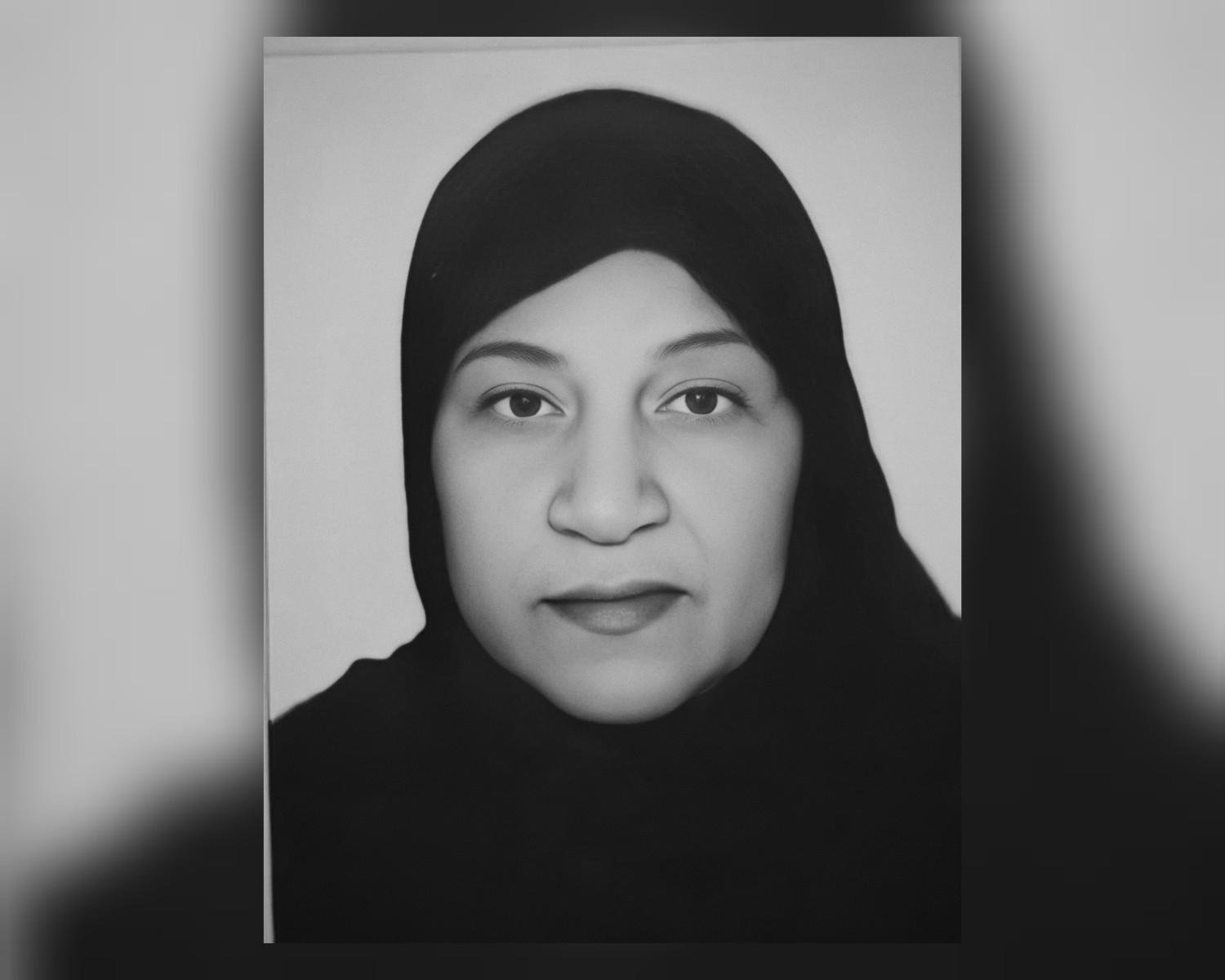
Salumah Saeed Al-Hayqi Al-Sibani
Educator Born: 1940, Ghayl Ba Wazir District Died: 20 April 2021 Ghayl Bawazir
Salumah Saeed Al-Hayqi Al-Sibani was a Hadrami educator and one of the pioneers of girls’ education. She was born around 1940 in the Sibban areas of the Hadramout plateau. She grew up in difficult social and economic circumstances and enrolled at the Badia Girls’ School in Mukalla, later becoming one of the first Hadrami women teachers to work in formal education. She worked at schools in Seiyun, Al-Shihr, Mukalla and other areas, contributing to girls’ education and women’s literacy, and served as principal of a girls’ school in Al-Shihr. She retired in 1990 and died on April 20, 2021, leaving a notable mark on the history of women’s education in Hadramout.
Biography
Birth and upbringing in the Hadramout plateau
Salumah Saeed Al-Hayqi Al-Sibani was born around 1940 in the areas inhabited by the Sibban tribes in the Hadramout plateau. Published accounts differ about her birthplace: some sources point to the Katiba area, while an obituary statement issued by the Hadramout Inclusive Conference identifies Ras Huwairah in the Sibban region.
She grew up during a period when Hadramout faced harsh economic and social conditions, coinciding with World War II and waves of drought and famine that affected people’s lives, particularly in rural and nomadic communities.
She lost her father when she was a young child, and her mother took responsibility for raising and caring for her amid limited resources and difficult living conditions.
At the time, educational opportunities for girls were limited, particularly in rural and nomadic areas, where economic and social conditions and the distance from schools prevented many girls from receiving an education.
Moving to Mukalla
Salumah Al-Sibani moved with her family to Mukalla, where educational initiatives for girls began to emerge during the 1940s.
Her move came at a time when the authorities of the Qu'aiti Sultanate, with the participation of the British advisory administration, were working to develop some educational and charitable institutions.
Mukalla became a pivotal place in her life, giving her the opportunity to receive formal education, which later enabled her to enter the teaching profession.
Enrolling at the Badia Girls’ School
Salumah’s education was closely associated with the Badia Girls’ School, established in the Dees area of Mukalla in 1943.
The school’s establishment was part of efforts to provide care and education for girls from rural and nomadic areas, particularly orphans and those affected by difficult economic conditions.
The initiative is associated with the name of Doreen Ingrams, wife of British adviser Harold Ingrams, who took part in supporting the project alongside a number of local and women’s figures, most notably Al-Sa’d Al-Amiriyah.
The school provided girls with an educational and residential environment that helped them overcome some social and living difficulties.
Salumah Saeed Al-Sibani was among the students who benefited from this experience, along with a group of girls who later became pioneers in education and social work in Hadramout.
Middle-school education
After completing the first stage of her education, Salumah continued her studies through the middle-school programs made available to students at the Badia Girls’ School.
She was taught by a number of prominent teachers in Hadramout, including Saeed Al-Qaddal, Abdullah Al-Nakhibi, Salem Yaqoub Ba Wazir, and Omar Bahashwan.
The curriculum included reading, writing, arithmetic and general knowledge, as well as subjects that prepared students for work in education.
According to a historical report published by Al-Ayyam newspaper in April 2021, Salumah completed her studies with a group of students in 1955, before moving on to teaching.
The graduation of that group was an important milestone in Hadrami education, as it helped provide local female staff to work in schools at a time when the number of women teachers was limited.
Beginning her teaching career
Salumah Saeed Al-Sibani began her professional career in education during the 1950s, and sources state that she was appointed as a teacher in 1955.
Her appointment was part of a group of graduates of the Badia Girls’ School, by decision of the Education Department of the Qu'aiti Sultanate, during the period when Omar Bahashwan was responsible for the education administration.
The entry of these graduates into the teaching profession marked an important stage in the development of girls’ education, as the presence of women teachers made it possible to open more classes and enroll students in several areas.
Salumah advanced in her educational work and became one of the figures associated with educating generations of girls in Hadramout.
Working in schools in Seiyun
The city of Seiyun was one of the most significant professional stops in Salumah Al-Sibani’s life.
One published account states that she was appointed to a government girls’ school in Seiyun, where she worked for about four years.
During this period, she took part in teaching students at a time when girls’ education faced social and institutional challenges.
The efforts of Hadrami women teachers helped families become more accepting of the idea of educating their daughters, as schools continued to expand gradually.
Moving to Al-Shihr
Salumah Al-Sibani later moved to Al-Shihr, where she served as principal of a girls’ school, according to an obituary statement issued by the Hadramout Inclusive Conference.
She worked in Al-Shihr for about ten years, combining teaching and administration with overseeing the affairs of students and teachers.
Her responsibilities included organizing the educational process, communicating with parents and contributing to addressing the challenges facing girls who wished to continue their studies.
This position enabled her to take part in developing the school environment and strengthening the role of Hadrami women in educational administration.
Her participation in literacy and mothers’ education
One of the most notable social aspects of Salumah Al-Sibani’s career was her participation in educating women outside formal schools.
While working in Al-Shihr, she volunteered to teach girls and mothers in classes opened by the city branch of the Women’s Union.
These efforts targeted women who had not had the opportunity to attend school in childhood, at a time when illiteracy was widespread among some groups.
This experience combined school education with voluntary community work and helped provide learning opportunities for women of different ages.
Working in several Hadrami cities and areas
During her career, Salumah Al-Sibani worked at schools in Seiyun, Al-Shihr, Shuhayr, Al-Hami and Mukalla.
This movement helped transfer her educational and administrative experience between coastal and valley areas.
She worked with successive generations of students and witnessed the transformations in Hadrami education during the periods of the Qu'aiti and Kathiri Sultanates, and then after South Yemen’s independence in 1967.
She continued working amid successive changes in education systems and school administration, remaining committed to the profession with which she began her working life.
Family life
Salumah Saeed Al-Sibani married Abdullah Salameen Baslum, who served in the Hadrami Badia Army.
She had four daughters and one son, and took an interest in her children’s education; they completed university studies, according to published accounts of her life.
Throughout her life, she combined family responsibilities with educational work and social activity.
Retirement after a long teaching career
Salumah Al-Sibani retired in 1990, after a career spanning several decades.
Some sources state that she spent 35 years in education, which is consistent with her beginning work in 1955.
During those years, she witnessed major changes in women’s education, from a period when girls’ schools were few to the expansion of government educational institutions.
Her experience became one of the examples associated with the first generation of Hadrami women teachers.
Recognition and appreciation
Salumah Al-Sibani received recognition from educational and civil institutions in acknowledgment of her contribution to girls’ education and service to the community.
In 2014, the National Committee for Women in Hadramout Governorate honored her as an ideal mother.
She also received certificates and shields of recognition from institutions and civil society organizations.
These honors recognized her educational and social efforts, particularly her contribution to educating girls and helping women acquire reading and writing skills.
Death and educational legacy
Salumah Saeed Al-Hayqi Al-Sibani died on Tuesday, April 20, 2021, after suffering from an illness.
The Ministry of Education and the education sector in Hadramout mourned her, along with the Hadramout Inclusive Conference and the National Committee for Women in the governorate.
The obituaries affirmed her role in educating generations and her contribution to establishing a place for women in educational institutions.
Her name continued to be commemorated after her death: an educational facility in the Fuwah area of Mukalla was named “Pioneer Salumah Al-Sibani Secondary School for Girls.”
This tribute extends the memory of one of the teachers who helped move girls’ education in Hadramout from limited initiatives to institutional education.
Her life story remains part of the history of women’s education and the memory of women who faced economic and social hardships, then helped make educational opportunities available to later generations.
Works
Key Works and Achievements 1. Contributing to the formation of a generation of Hadrami women teachers: She was among the graduates of the Badia Girls’ School who entered the teaching profession. 2. Educating girls in Seiyun: She worked in government girls’ schools and helped provide educational opportunities for students. 3. Managing a girls’ school in Al-Shihr: She undertook school administration and teaching responsibilities for about ten years, according to one published account. 4. Participating in literacy programs: She volunteered to teach girls and mothers in cooperation with the Al-Shihr branch of the Women’s Union. 5. Working in several areas: She served education in Al-Shihr, Seiyun, Shuhayr, Al-Hami and Mukalla. 6. Contributing to the advancement of girls’ education: Alongside her generation of women teachers, she helped expand girls’ presence in formal schools. 7. Honored as an ideal mother in 2014: In recognition of her family, educational and social role. 8. Commemorated in the name of an educational institution: A girls’ secondary school in the Fuwah area of Mukalla was named after her in recognition of her career.