
Saudi Arabia Rejects Southern Transitional Council’s Military Expansion, Calls for Its Withdrawal from Hadramout and Al Mahrah
On Thursday, December 25, 2025, the Kingdom of Saudi Arabia announced its rejection of the military moves carried out by the Southern Transitional Council in Hadramout and Al Mahrah, saying they had taken place without the approval of the Presidential Leadership Council or coordination with the coalition. It disclosed Saudi-Emirati arrangements to return the forces to their previous positions and hand over the camps to the Nation’s Shield Forces and local authorities, calling for an immediate withdrawal and urging that escalation be avoided.
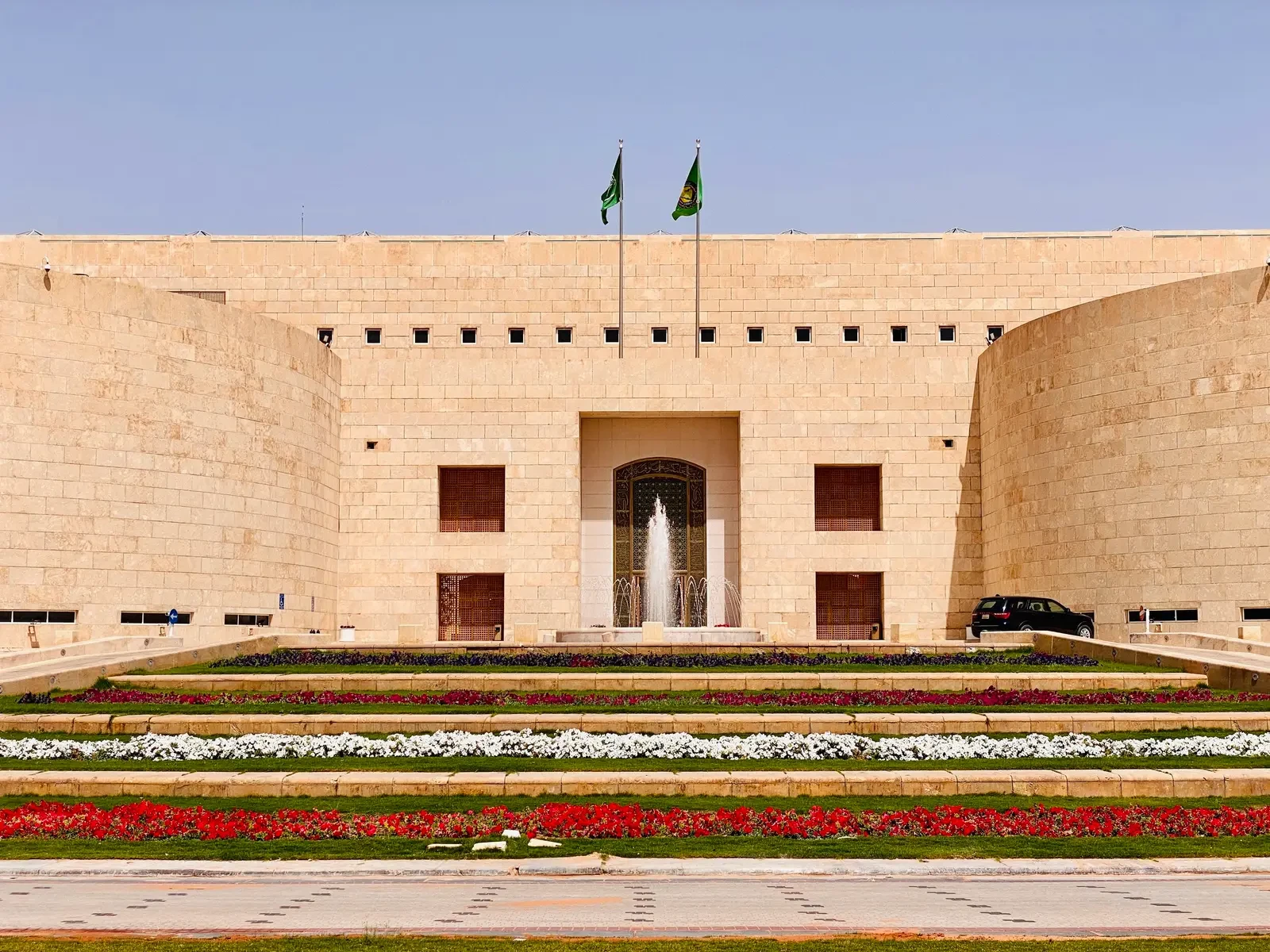
The security and military crisis in Hadramout saw a major political development on Thursday, December 25, 2025, after the Saudi Ministry of Foreign Affairs issued an official statement on the Southern Transitional Council’s military moves in the governorates of Hadramout and Al Mahrah, calling for an end to the escalation and the withdrawal of forces from the two governorates.
The statement came more than three weeks after the field developments in Hadramout in early December, when forces affiliated with the Southern Transitional Council advanced into Wadi Hadramout and took control of the city of Seiyun and positions belonging to the First Military Region, alongside military changes around oil facilities on the plateau.
In the preceding weeks, Saudi Arabia had pushed for arrangements to redeploy the forces. However, the continued presence of Southern Transitional Council formations at the positions they had entered kept the crisis open to further tensions.
Official Saudi Objection to the Military Moves
The Saudi Ministry of Foreign Affairs considered that the military moves carried out by the Southern Transitional Council in Hadramout and Al Mahrah had been unilateral, without the approval of Yemen’s Presidential Leadership Council or coordination with the coalition command.
The Kingdom said these steps had led to unjustified escalation that harmed the interests of Yemenis and the political and military efforts aimed at achieving stability.
The statement marked a shift in Saudi Arabia’s position from statements by delegations and field meetings to an official announcement issued by the Ministry of Foreign Affairs, giving it greater political and diplomatic significance.
It also showed that the dispute was no longer limited to how to manage the camps in Seiyun or the oil facilities in Al Masila, but had become linked to the legitimacy of military moves and decision-making mechanisms within the anti-Houthi camp.
Disclosure of Saudi-Emirati Arrangements
The statement disclosed that Saudi Arabia had worked in coordination with the United Arab Emirates, the President of the Presidential Leadership Council, and the Yemeni government to contain the crisis.
It said that a joint Saudi-Emirati military team had been sent to Aden to discuss with the Southern Transitional Council the arrangements needed to return its forces to their previous positions outside Hadramout and Al Mahrah.
The proposed arrangements included handing over the military camps and positions to the Nation’s Shield Forces and local authorities, in accordance with organized procedures and under the supervision of coalition forces.
This was one of the statement’s key points: Saudi Arabia did not merely call for the forces to withdraw, but also set out an alternative framework for managing the positions after they were vacated.
However, the statement did not announce that a final agreement had been reached and implemented by all parties, nor did it confirm that the handover process had been completed by that date.
Call for Immediate Withdrawal from the Two Governorates
Riyadh called on the Southern Transitional Council to end the escalation and withdraw from Hadramout and Al Mahrah promptly and peacefully.
It affirmed that its efforts to restore the situation to what it had been before the military moves would continue, stressing the importance of prioritizing the public interest and preventing the two governorates from sliding into new clashes.
This came amid growing concerns about the possibility of a military confrontation between the forces deployed in Wadi Hadramout and the formations that had redeployed in the desert and border areas, particularly along the Al Abr and Al-Wadi'ah axes.
In this context, the Saudi call took on additional significance because it came at a time when withdrawal arrangements were in dispute, amid continued military tensions on the ground.
Saudi Arabia’s Position on the Southern Cause
The statement addressed not only the military developments but also the Southern Cause, affirming recognition of its historical and social dimensions.
Saudi Arabia stressed that this issue should be addressed through dialogue among the Yemeni parties as part of a comprehensive political settlement.
This position had an important political dimension: Riyadh sought to distinguish between recognizing the existence of a southern political cause and accepting unilateral military moves as a means of resolving it.
It also affirmed its support for the President of the Presidential Leadership Council and the Yemeni government in their efforts to achieve security, stability, development, and peace.
Thus, the statement combined opposition to military expansion with a call to address political disputes through institutions and dialogue.
Yemeni Government Welcomes the Statement
On the same day, the Yemeni government welcomed the Saudi statement, describing it as a position supportive of efforts to contain the escalation and protect stability in the eastern governorates.
The government affirmed its rejection of military and security measures taken outside the state’s constitutional and institutional frameworks, or without coordination with the Presidential Leadership Council, the government, and local authorities.
It also announced its support for Saudi efforts to restore the situation to what it had been, while stressing the importance of protecting the social fabric in Hadramout and Al Mahrah.
The government’s welcome reflected a clear convergence between the official Yemeni and Saudi positions on the need to end unilateral military moves and reorganize security responsibilities.
Regional and International Reactions
The statement drew the attention of Arab and international media, which covered it as an indicator of growing divisions among forces opposed to the Houthi group.
The Associated Press noted that Saudi Arabia’s call for the Southern Transitional Council’s forces to withdraw came amid growing tensions between parties that had been operating within the anti-Houthi coalition.
Coverage also highlighted the sensitivity of Hadramout and Al Mahrah to regional security, given their geographical location and military and economic importance.
However, these interpretations are analyses of the context of the crisis and do not mean that the Saudi statement was an announcement of the start of a direct military confrontation.
Political and Military Significance of the Event
The statement of December 25, 2025, marked a pivotal point in the development of the crisis because it set out a clear official Saudi position on the military changes in Hadramout and Al Mahrah.
It also revealed a negotiating track for redistributing military responsibilities, based on the withdrawal of Southern Transitional Council forces and the handover of the camps to the Nation’s Shield Forces and local authorities.
The timing also underscored the event’s significance: it came after a period of military buildups and diplomatic moves that had failed to resolve the dispute over positions taken by forces affiliated with the Southern Transitional Council.
The statement did not mark the end of the crisis; rather, it represented an escalation in political and diplomatic pressure to reorganize the military landscape.
The following days saw more serious developments, culminating in the events of December 30, when the crisis took on new military and regional dimensions.
Thus, December 25, 2025, is recorded as one of the most important dates in the file of security and military changes in Hadramout, marking the Saudi position’s shift to an official announcement and an urgent call to end the military expansion and return the camps to new security arrangements.