Exchange rates US Dollar Buy 1,564 Sell 1,577 Saudi Riyal Buy 412 Sell 413 Last updated: Currency converter

District in The Coast · Hadramout Governorate

Daw'an

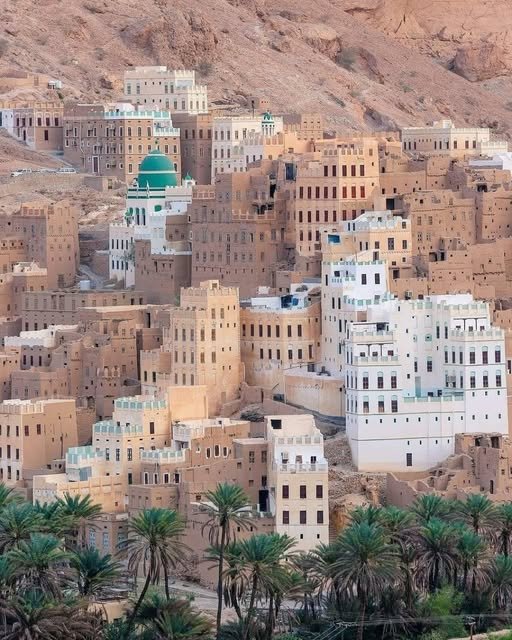
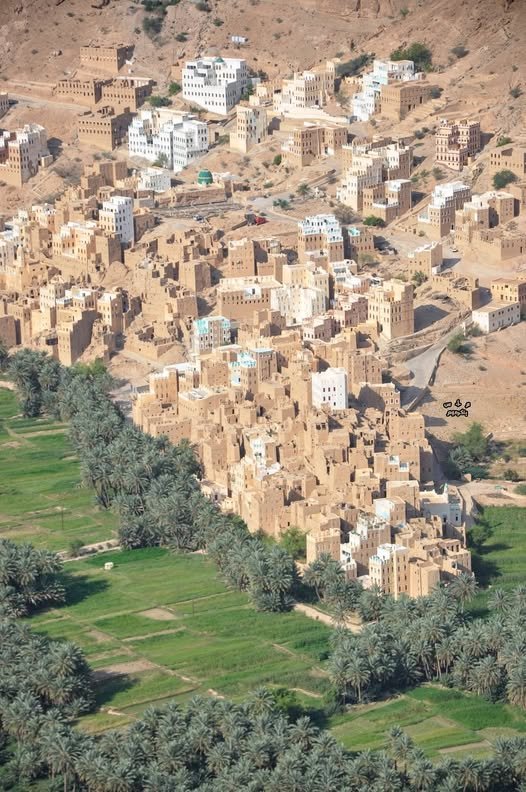
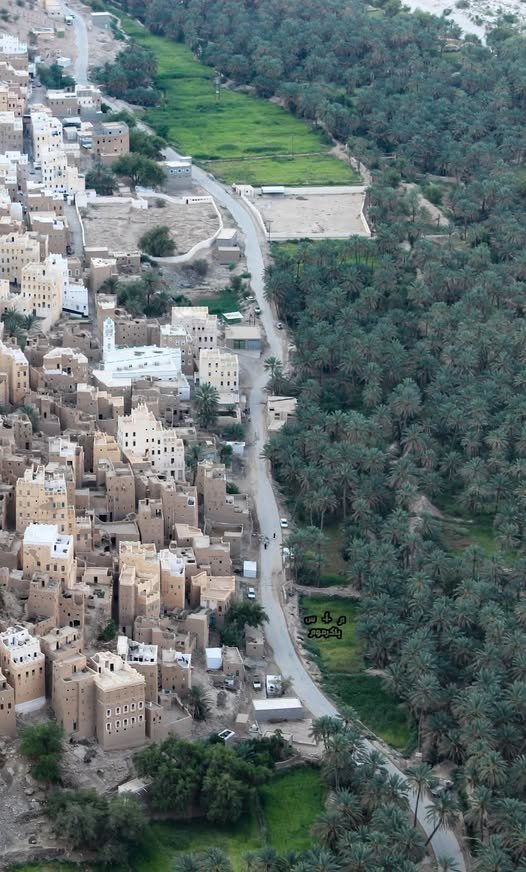
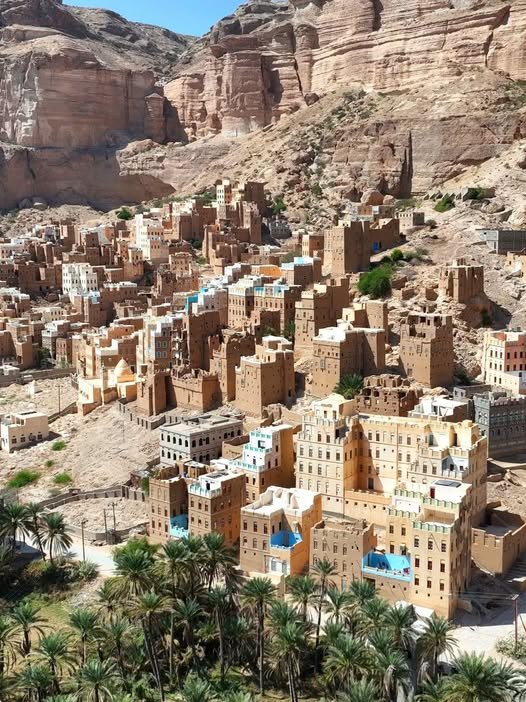
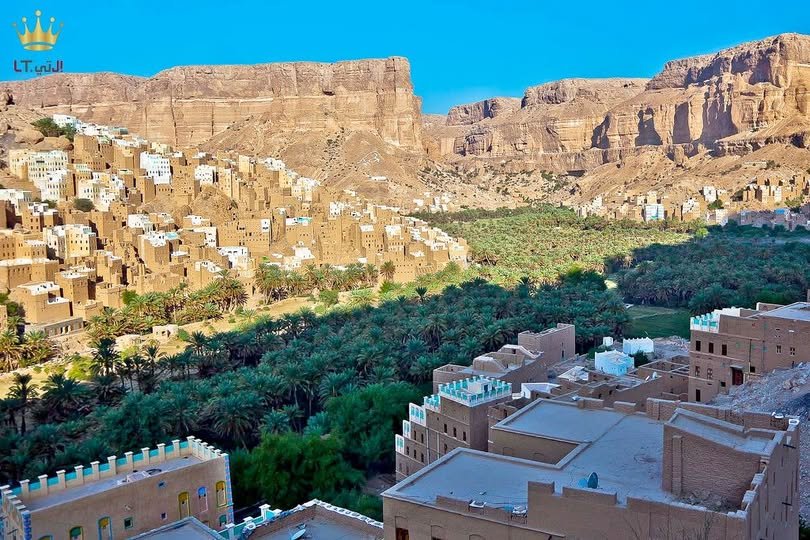
Daw'an District is one of the most prominent historical and tourist districts in Hadramout Governorate. It is distinguished by its famous valley, along which villages and towns with authentic mud-brick architecture are spread amid towering mountains and palm groves. The district is renowned for Daw'ani honey, particularly sidr honey, and is home to prominent historical and architectural landmarks, including the city of Al-Hajjarayn, Baqshan Palace and the village of Hayd al-Jazil. Daw'an is a distinctive example of Hadrami heritage, with its ancient history, cultural and social legacy, and beautiful natural surroundings.

Region
The Coast
Approximate area
3,446 km²
Population
The population is estimated at about 76,756 thousand people for 2025.

Known for

Daw'an is renowned for a number of landmarks, products and features that have made it one of Hadramout's most prominent historical and tourist areas: - Daw'ani honey: One of the district's best-known products, particularly sidr honey. - The city of Al-Hajjarayn: One of the most prominent historic cities with mud-brick architecture. - Hayd al-Jazil: An elevated village distinguished by its natural setting and views over the valley. - Baqshan Palace: One of Hadramout's best-known colorful architectural buildings. - The city of Sayf: The district's administrative center and one of its historic towns. - Al-Khuraybah, Qaydun and Baddah: Well-known towns in the valley.

Location

Daw'an District is located in the western part of Hadramout Governorate, among the valleys and plateaus extending between the governorate's coast and Wadi Hadramout.

History

Daw'an in Hadrami History

Wadi Daw'an has an ancient history associated with the establishment of population settlements along the banks of valleys and on mountain slopes. Agricultural land and water sources helped villages emerge and sustain life across successive generations.

The valley formed part of Hadramout's cultural sphere and was associated with trade, agriculture, and scholarly and religious life. Its location also facilitated communication with neighboring areas in Wadi Hadramout and along the governorate's coast.

The old towns of Daw'an retain traditional buildings, mosques and schools that reflect different periods in the region's history.

Al-Hajjarayn: The Historic City

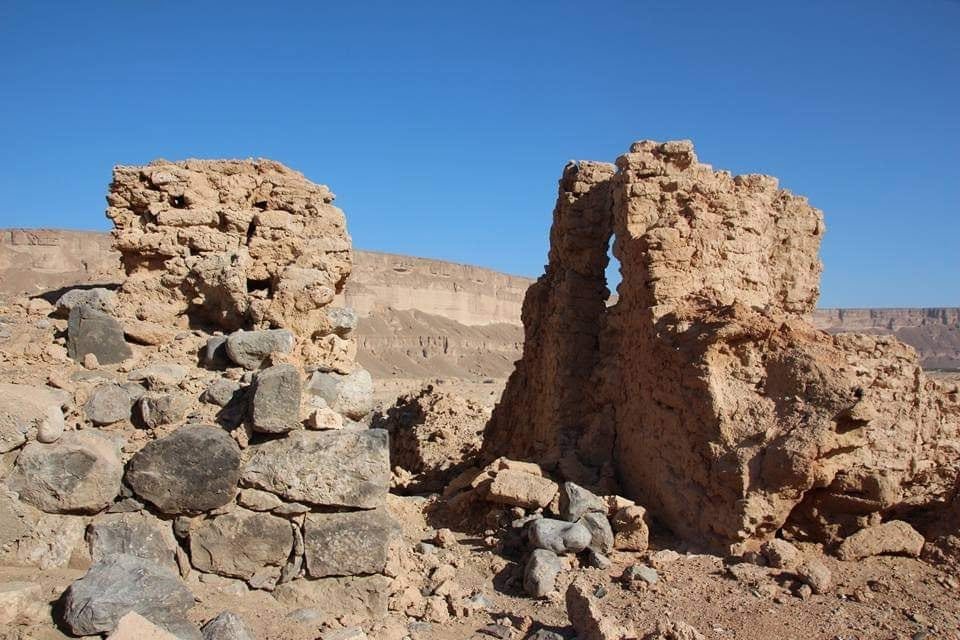
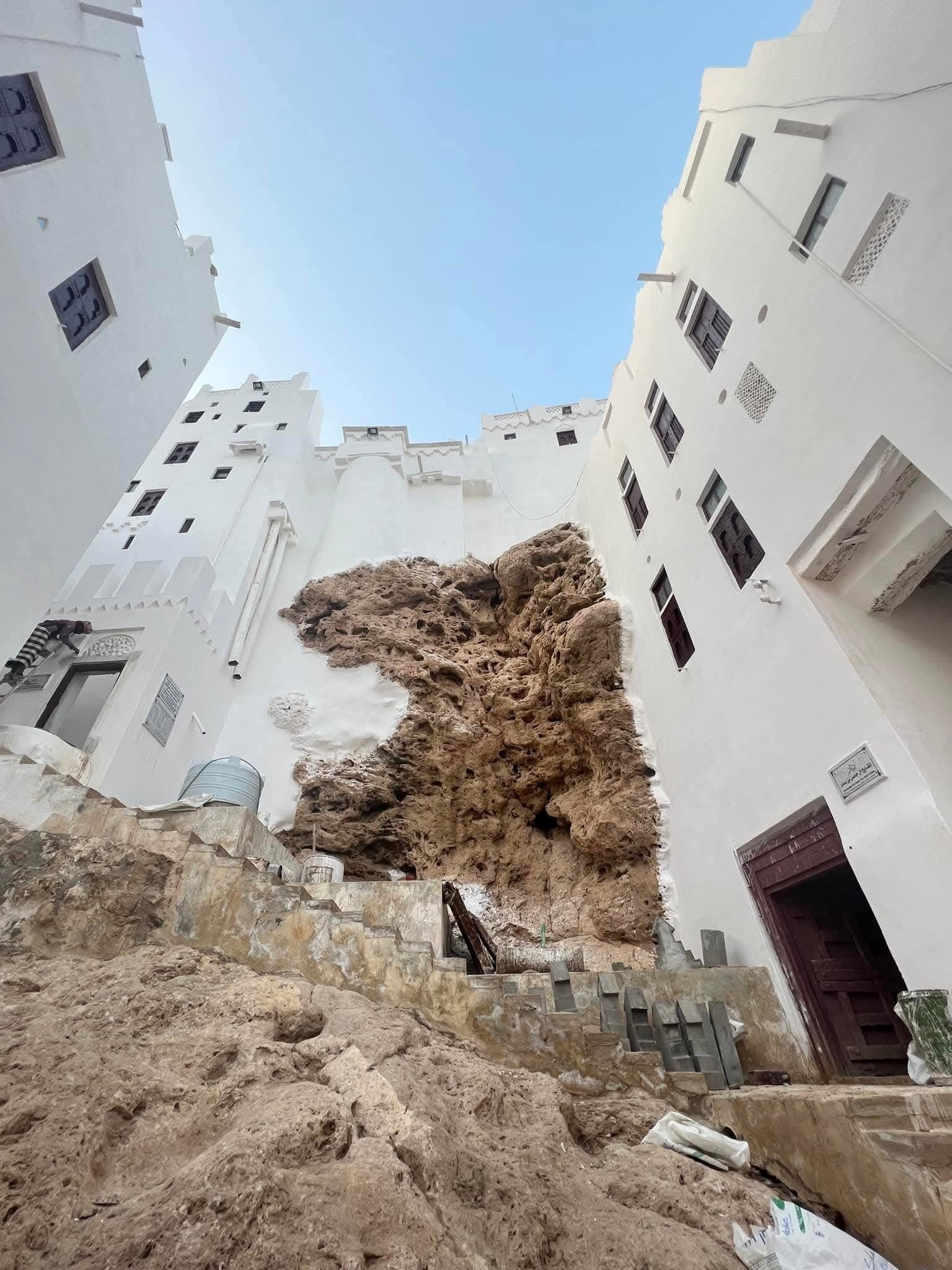
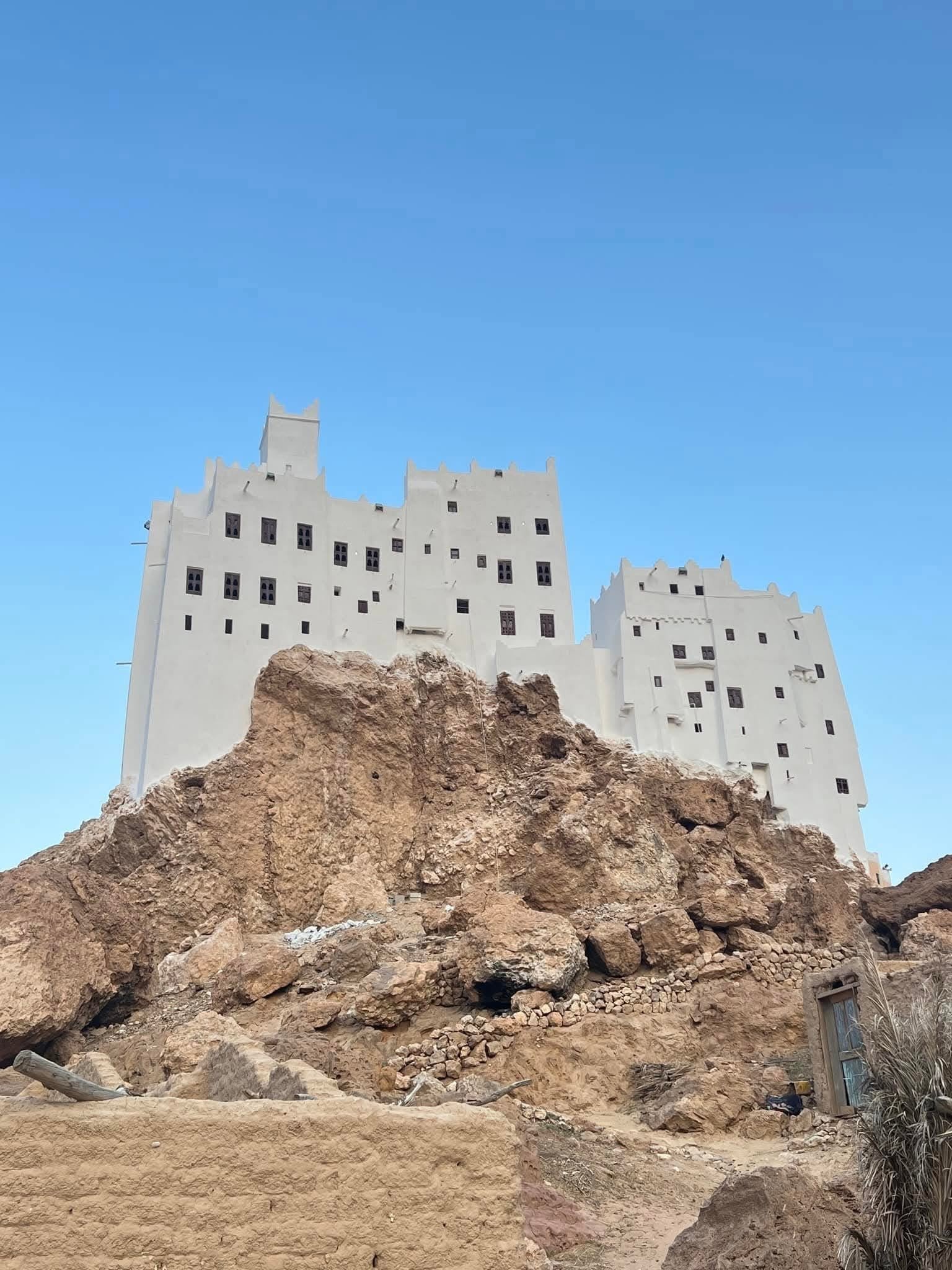
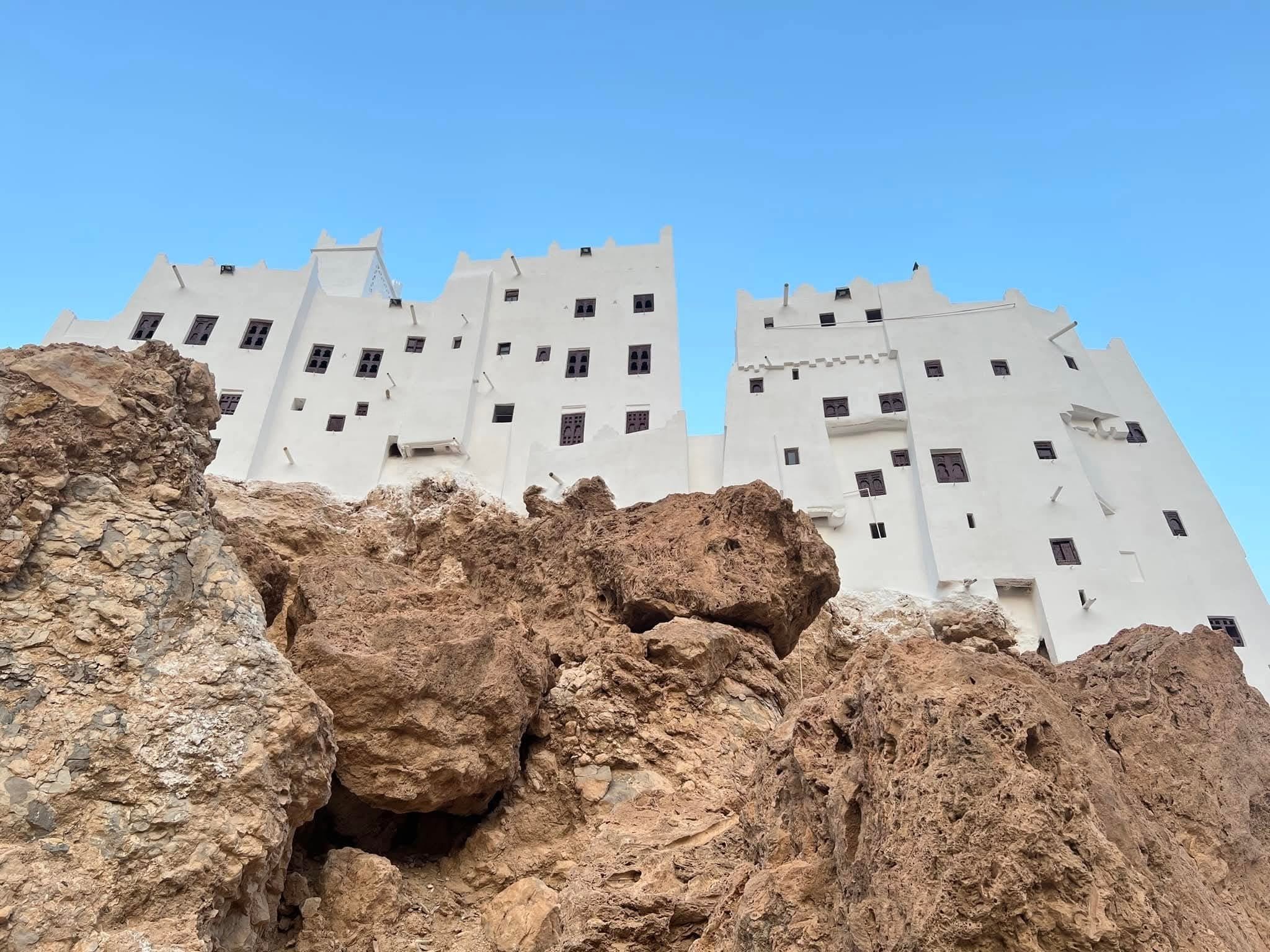
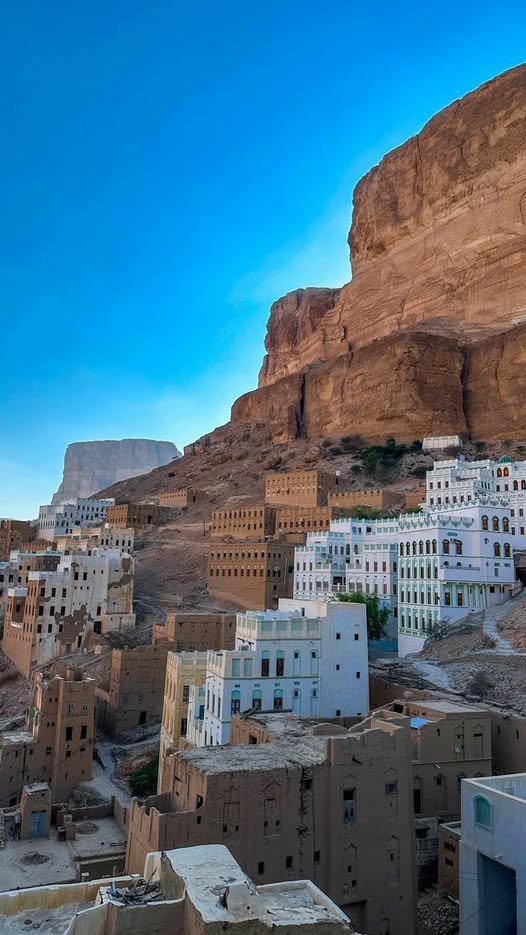
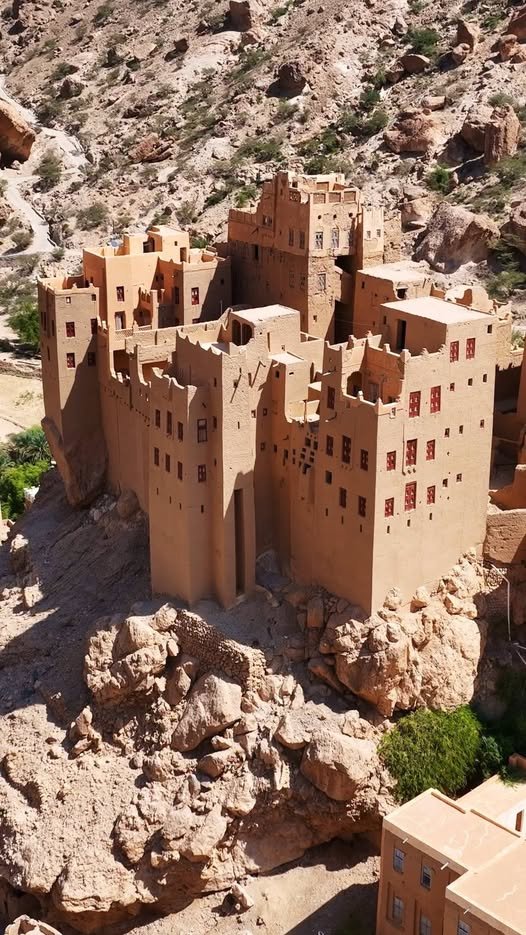
The city of Al-Hajjarayn is one of the most prominent historical sites in Daw'an. It is distinguished by its elevated location atop a rocky formation and its closely clustered mud-brick buildings overlooking the valley.

The city acquired historical and architectural significance and has remained one of the landmarks that reflect the skill of the Hadrami people in choosing settlement sites and constructing buildings suited to the terrain.

Al-Hajjarayn retains its alleyways, traditional buildings and mosques, and is among the most important sites for which programs to protect, restore and promote its heritage value could be developed.

Daw'an During the Qu'aiti Sultanate

Daw'an underwent various administrative arrangements during the Qu'aiti Sultanate, with Sayf serving as one of the valley's important administrative centers.

A study published by the Hadramout Center for Historical Studies indicates that Sayf was part of the Daw'an district during the Qu'aiti era and continued to play an administrative role after 1967.

Administrative Changes After Independence

Daw'an saw changes in the centers of local administration in the decades following the independence of South Yemen.

In 1972, Sayf became the capital of Daw'an District. Four years later, the administrative center moved to Haridah, before Sayf again became the district center in 1998, according to the same historical study.

These changes demonstrate Sayf's importance as an administrative and service center, in addition to its historical standing in the life of the valley.

European Travelers and Wadi Daw'an

Daw'an attracted the interest of some European travelers during the 19th century.

A historical study documents the traveler Adolf von Wrede's passage through the city of Sayf in 1843, followed by traveler Leo Hirsch's visit to the area in 1883. The latter was interested in recording his observations of antiquities, inscriptions and local life.

These journeys are among the sources that can be used to study Daw'an's history, while ensuring that travelers' accounts are read in their historical context and compared with local sources.

Daw'an in the Modern Era

In recent decades, the district has seen the expansion of education, road, water and public-facility projects, with contributions from the state, the private sector and expatriates.

Daw'an residents living outside Yemen have helped fund a number of schools, educational complexes and charitable projects, reflecting the strength of the Hadrami community's ties to its places of origin.

Despite this, some areas continue to face challenges related to roads and basic services, particularly settlements far from the main centers.

The district today

Culture

Daw'an is distinguished by a rich Hadrami heritage that brings together mud-brick architecture, folk arts, social customs and traditional crafts.

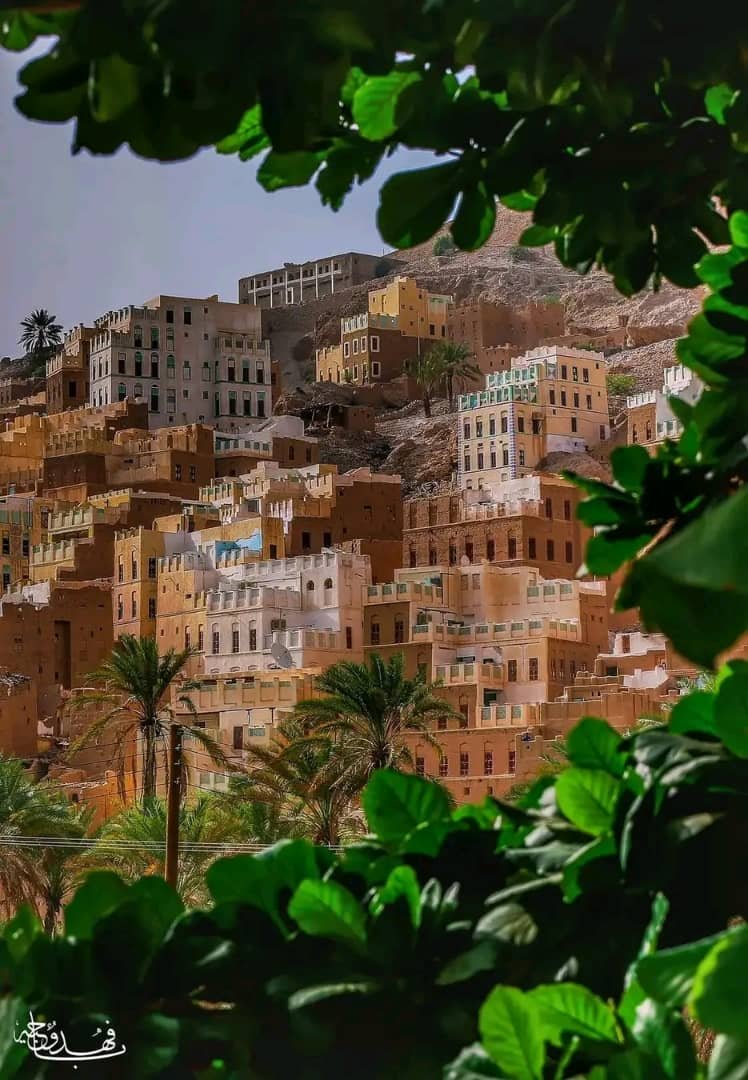
Architecture is one of the district's most prominent expressions of cultural identity. Multi-story mud-brick houses are widespread in its villages and towns, distinguished by their windows and decorations and their harmony with the mountain slopes.

Daw'an is also renowned for folk poetry, chants and traditional celebrations, as well as social gatherings that preserve local narratives and historical memory.

Local culture is also connected to palm trees, agriculture and beekeeping, activities that have helped shape daily customs and social occasions.

Preserving historic buildings and traditional crafts is among the foremost cultural priorities, given their civilizational and tourism value.

People and society

Daw'an's community is characterized by strong family ties and social solidarity, with population settlements spread along the valley, in the highlands and in neighboring areas.

The villages and towns preserve customs of hospitality and cooperation, as well as religious and social occasions, alongside residents' interest in education, work and trade.

Migration and expatriation are prominent in Daw'an and are linked to Hadramout's history. Expatriates have supported their families and funded educational, charitable and development projects.

The district is also characterized by diverse livelihoods, including agriculture, beekeeping, trade, employment and crafts, with traditional occupations still practiced in some areas.

The economy of Daw'an District is based on agriculture, honey production, trade, services and heritage tourism, in addition to remittances from expatriates.

The district is known for growing palm trees and some local crops, with agricultural land benefiting from valleys and available water sources.

Honey production holds a special place in Daw'an's economy, particularly honey produced from sidr trees, which enjoys a strong reputation in Yemeni and international markets.

Local trade, shops, markets and services also provide job opportunities, alongside activities related to transport, restaurants and rest houses.

Daw'an has significant tourism potential, given its historic towns, natural scenery and unique mud-brick buildings. However, making economic use of these assets requires improving roads and services and protecting heritage sites.

Main landmarks

Buqshan Palace

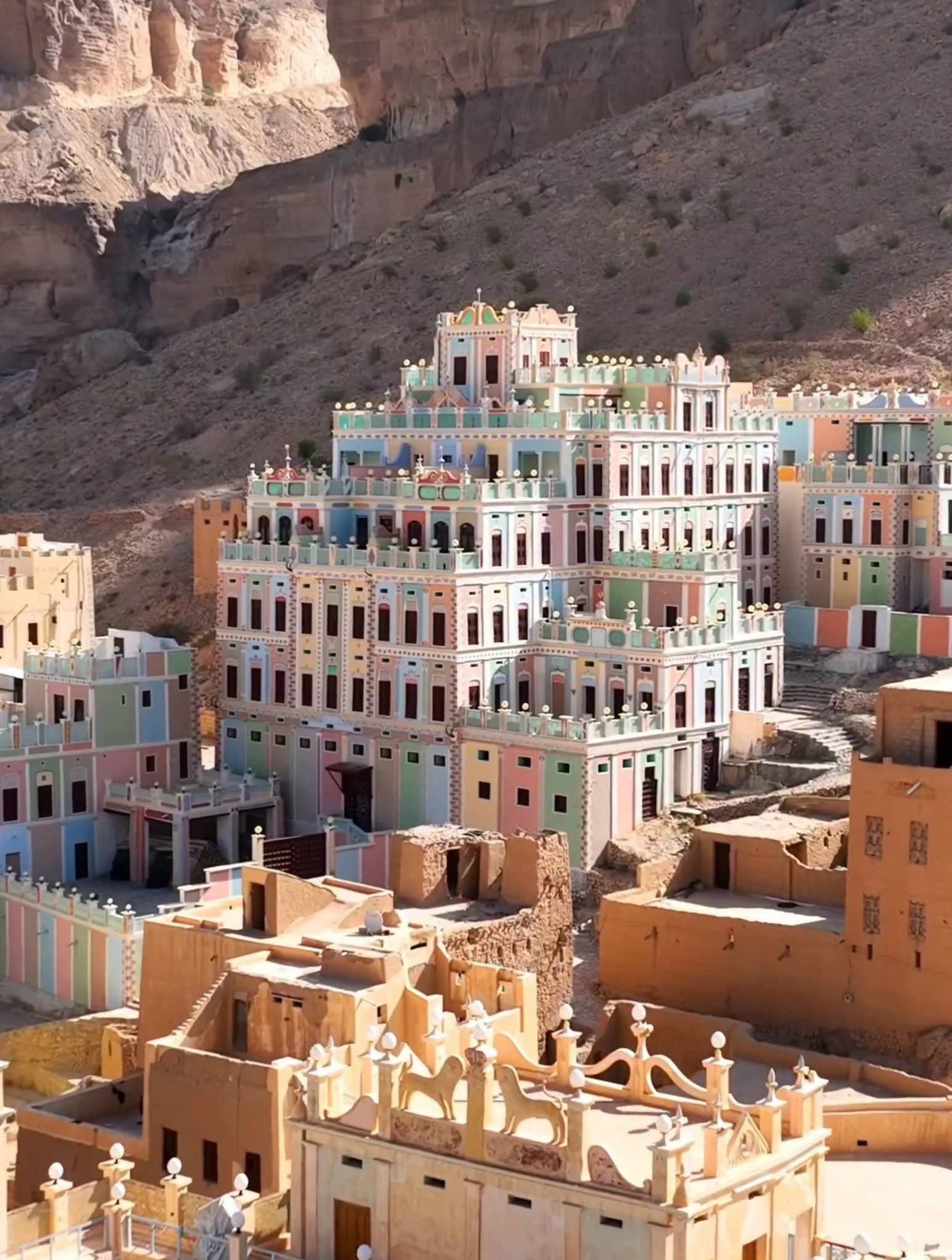
Buqshan Palace, in the Khaylah Buqshan area of Wadi Daw'an in Hadramout Governorate, is one of the most prominent architectural landmarks reflecting the beauty and development of Hadrami architecture. The palace is distinguished by its multicolored facades and harmonious geometric and decorative details, which combine traditional building elements with modern architectural influences. It stands amid a natural setting surrounded by mountains, historic villages and farms, giving it a unique visual presence. The palace has become one of the best-known architectural and tourist symbols of Wadi Daw'an and a testament to the Hadrami people's connection to the arts of building and architectural beauty.
The Historic City of Al-Hajrain

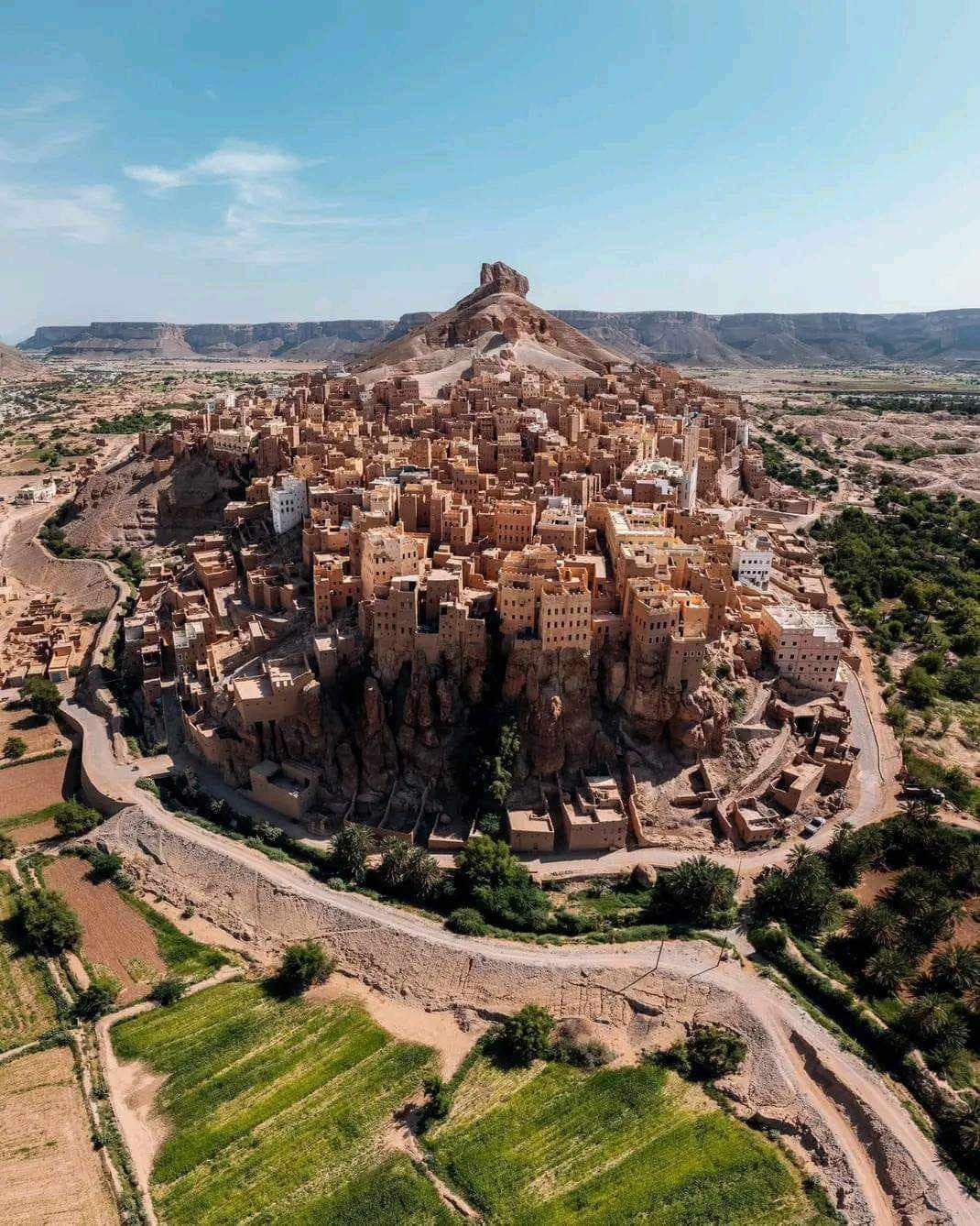
The historic city of Al-Hajrain is one of the most prominent ancient urban centers in Hadramout Governorate. It lies at the entrance to Wadi Daw'an, atop a rocky rise that gives it a distinctive view of the surrounding valleys and farms. The city is renowned for its closely clustered mud-brick and stone houses, traditional alleyways, and terraced urban layout, which reflect the ingenuity of the Hadrami people in adapting to the mountainous landscape. Al-Hajrain has been linked to Hadramout's social, scientific, and commercial history and has remained over the centuries a model of the traditional Hadrami city, combining historical value, architectural beauty, and an authentic cultural identity.

Historic Hayd al-Jazil Village

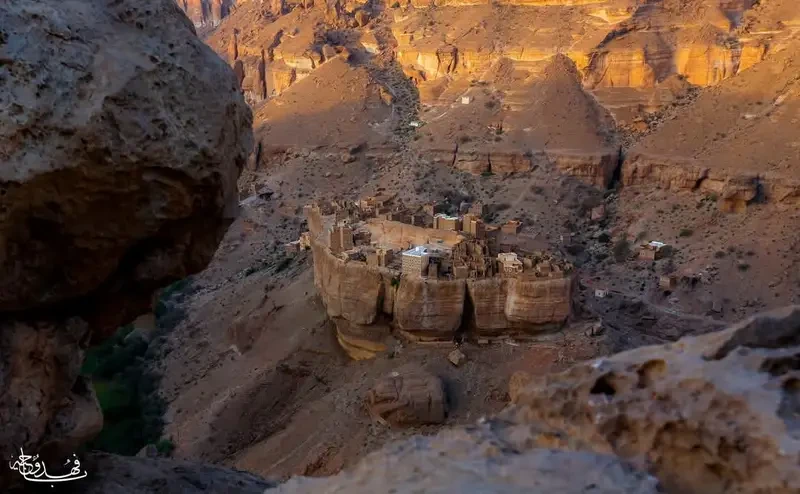
The historic village of Hayd al-Jazil, located in Wadi Daw'an in Hadramout Governorate, is one of Yemen’s most prominent architectural and natural landmarks. Its traditional mud-brick houses perch on the edge of a towering rocky outcrop overlooking the valley and palm groves. The village is distinguished by its unique urban layout, which reflects the Hadrami people’s ability to adapt to mountainous terrain and use local building materials to construct homes in harmony with the environment. Hayd al-Jazil has gained widespread renown for its exceptional natural setting and has become a symbol of the beauty of traditional Hadrami architecture and one of the most prominent heritage and tourist sites in Wadi Daw'an.

Raybun Archaeological City

Raybun Archaeological City, located below Wadi Daw'an in Hadramout Governorate, is one of the most prominent historical sites associated with the ancient Kingdom of Hadramout. Its settlement dates back to the late second millennium BC, and it saw agricultural and religious flourishing during the first millennium BC. Archaeological excavations have uncovered remains of temples, dwellings, inscriptions and pottery, as well as an advanced network of irrigation canals and water installations. Raybun bears witness to the development of economic and urban life and religious beliefs in Hadramout before Islam, and is an important source for the study of the history of southern Arabia.

Daw'an news

Files about Daw'an

File

The Electricity Crisis in Hadramout

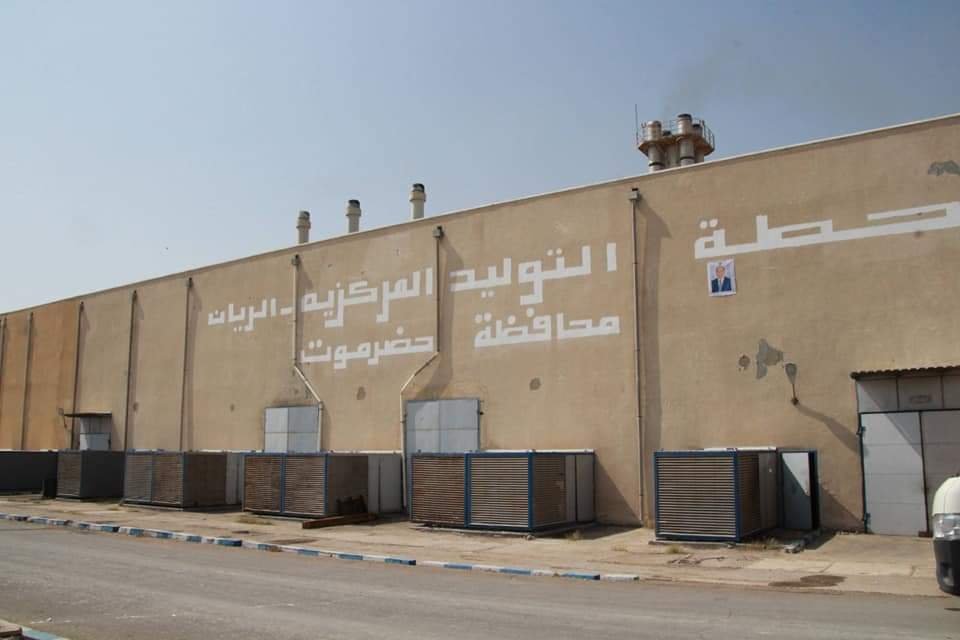
This file documents the electricity crisis in Hadramout Governorate, one of the most prominent service-related issues to affect residents’ lives and the stability of economic and commercial activities and public institutions, amid mounting challenges related to generation capacity, fuel supplies, the efficiency of transmission and distribution networks, and maintenance and operations. The file traces the most significant developments in the electricity sector along the coast, in the valley and in the desert areas of Hadramout, including recurring outages, generating plants going offline, public protests, government decisions, local and external interventions, and announced projects to improve the energy system. The file also follows these developments through a documented timeline.

20 events 2018–2026 Last updated 12 hours ago

Events in Daw'an

Announcement Verified

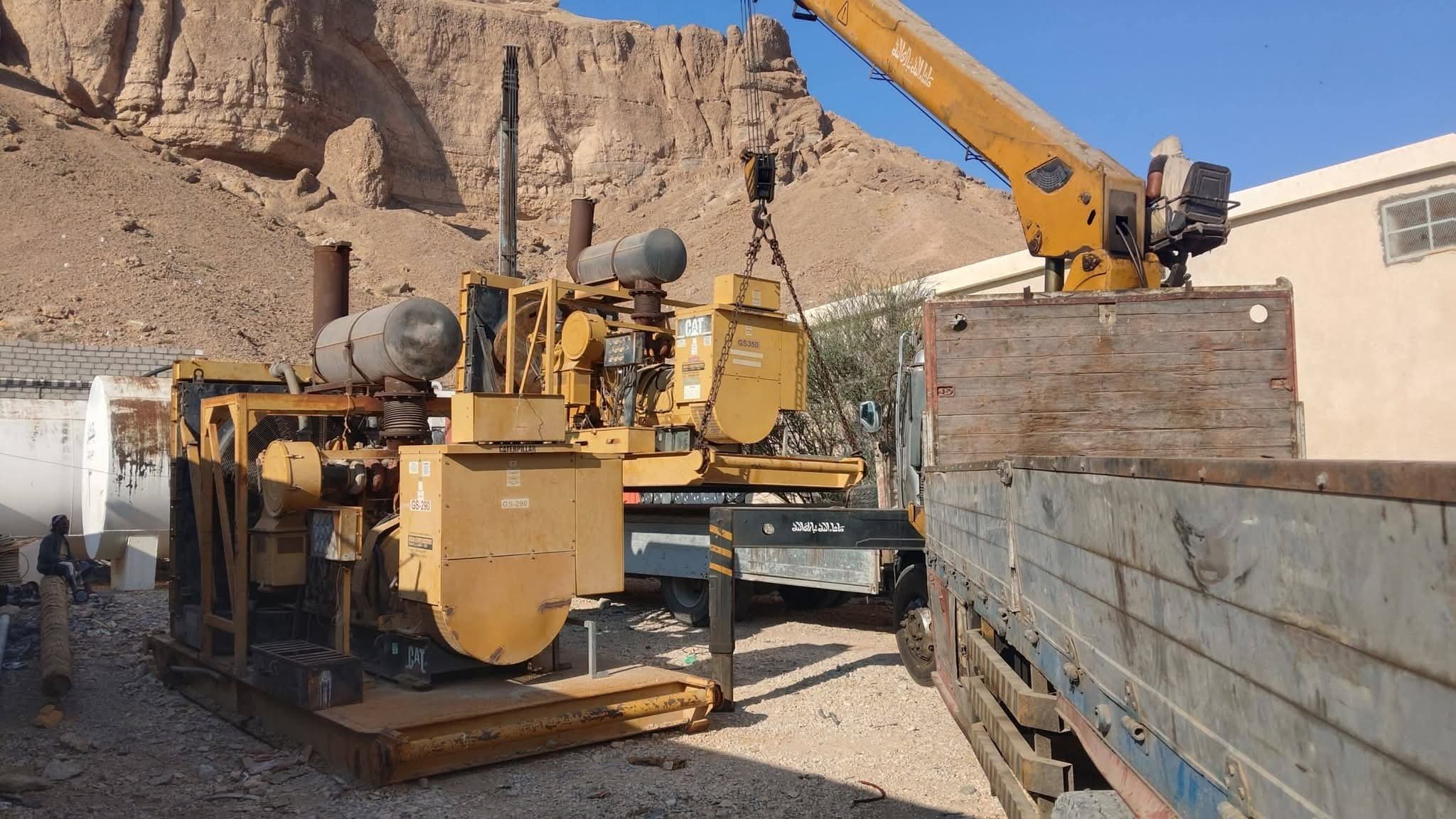
Daw'an Receives New 800-Kilowatt Generator to Boost Power Generation

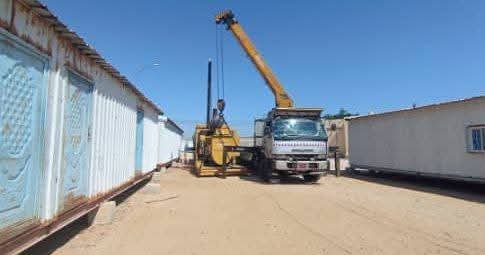
A new 800-kilowatt generator arrived in Daw'an District, Hadramout Governorate, on Thursday, November 5, 2026, in a step aimed at boosting generation capacity, improving the stability of electricity service, reducing recurring outages, and preparing for increased energy demand during the summer.

Daw'an

People from Daw'an

Contact Alhadarmia News Agency

Do you have news, a photo or information from your area? Message us directly at 775925520

Contact us on WhatsApp