
Fuel Shortage at Power Stations Takes 36 Megawatts Offline, Threatening to Plunge Hadramout’s Coast into Darkness
Hadramout’s coastal electricity system faced a severe operational crisis after mazut ran out at Al-Rayan and Al-Harshiyat stations, causing Al-Harshiyat station to shut down and taking about 36 megawatts offline. The Electricity Corporation issued an urgent distress call for fuel, warning of a possible collapse of the system and a total blackout across the coastal districts.
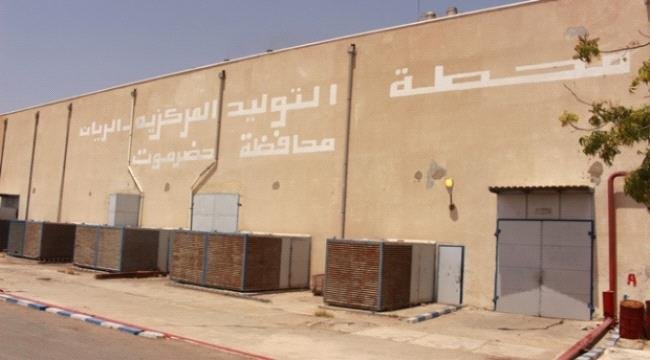
On Sunday, November 8, 2020, the electricity sector on Hadramout’s coast faced a severe fuel-supply crisis, prompting the Public Electricity Corporation to issue an urgent distress call after Al-Harshiyat station stopped operating and about 36 megawatts of generating capacity went offline, amid a shortage of the mazut needed to run power stations.
The development came as fuel stocks at Al-Rayan Central and Al-Harshiyat stations declined, directly affecting the amount of power available to the grid and increasing outage hours in several coastal districts, amid fears that the deficit could worsen and reach the point of a complete blackout.
In an official statement, the corporation said Al-Harshiyat station had stopped operating because sufficient quantities of mazut were unavailable. It noted that delays in the arrival of oil shipments had doubled the generation deficit and weakened the stations’ ability to meet consumers’ needs.
The corporation disclosed that, in previous days, mazut supplies had been limited to the arrival of two tankers from the Marib refineries, whose arrival was delayed because of the long distance. This made it more difficult to maintain operating reserves sufficient to ensure continued electricity generation.
In response, the Electricity Department took emergency measures to prevent the entire system from going offline. These included operating some generators at Al-Rayan and Al-Harshiyat stations on diesel instead of mazut, by redirecting quantities that had been allocated to generators supplying purchased power belonging to Al-Ahram Company.
These measures were intended to maintain the minimum level of electricity generation and prevent outages from spreading to a point that could lead to a complete service shutdown in coastal areas.
Meanwhile, the corporation’s leadership continued its contacts with government bodies, the local authority, and the Oil Company, calling for the procedures to provide fuel to be expedited and supply-related obstacles to be removed. It also pointed to efforts underway to secure the quantities needed to keep the stations running.
The November crisis was an extension of a series of disruptions affecting electricity on Hadramout’s coast during 2020. In August, the corporation had announced the adoption of a schedule providing for two hours of power followed by two hours of outages, due to the depletion of mazut stocks and the scarcity of diesel, in an effort to avoid a complete collapse of the system.
That same year, Mukalla City also saw repeated protests over deteriorating electricity service. Among the most prominent were demonstrations on June 29 and August 25, which included the closure of main roads and the burning of tires, amid public anger over long outage hours and high temperatures.
The November crisis exposed the electricity system’s vulnerability to disruptions in fuel supply chains and its dependence on the regular arrival of shipments to maintain service, as well as the limited operating reserves available to deal with delays or sudden interruptions.
The loss of 36 megawatts was one of the most significant operational developments in the electricity sector on Hadramout’s coast in 2020. It revealed the scale of the challenges involved in securing fuel and managing generating capacity, amid the continuing need for solutions that ensure stable production and reduce reliance on repeated emergency measures.