
Fuel Shortage Shuts Down Al-Shihr Power Station, Plunging Wide Areas of Hadramout Coast into Darkness
The electricity crisis on the Hadramout Coast worsened after Al-Saqtari Station in Al-Shihr went out of service because it ran out of mazut fuel, cutting electricity to Al-Shihr and neighboring areas. This coincided with a decline in power generation in Mukalla and worsening hardships for residents during the summer.
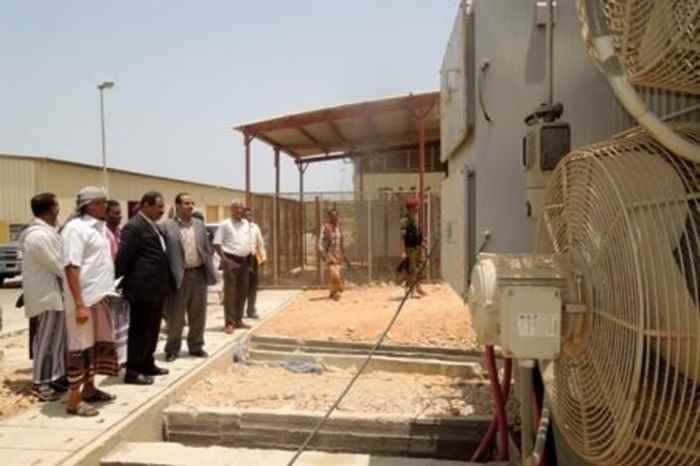
The electricity sector on the Hadramout Coast saw a serious development on Sunday, June 19, 2022, when Al-Saqtari power station in Al-Shihr went out of service after running out of the mazut needed to operate it. This came as the governorate’s electricity system was facing a growing production deficit and a marked increase in hours of outages.
Sources in the electricity sector said the station’s shutdown cut power to Al-Shihr and several neighboring areas that rely on its output, including Shahir, Ghayl Ba Wazir and Al-Hami. They warned that the outage would continue unless urgent quantities of fuel were supplied to restart the generating units.
The station’s shutdown came amid a broader crisis affecting supplies of petroleum products allocated to power stations on the Hadramout Coast, with fuel stocks declining and insufficient quantities available to ensure continuous operation, leaving a number of stations at risk of going out of service.
In Mukalla, the crisis coincided with longer periods of power outages. Residents spoke of limited operating schedules compared with long hours without electricity, amid high temperatures and humidity and increased demand for power during the summer.
Residents’ hardships had already reached severe levels before Al-Shihr station shut down. Press reports on June 13 documented outages in Mukalla lasting more than 18 hours a day, disrupting professional and commercial activities and increasing the financial burden on families who were forced to rely on private generators.
On June 22, residents confirmed that the service continued to deteriorate, saying that in some areas the electricity schedule had reached three hours of outage for every hour of operation. The Hadramout Coast Electricity Corporation attributed the worsening crisis to the depletion of mazut and the shutdown of several generators.
The public repercussions of the crisis escalated in the following days. On the evening of Friday, June 24, angry protests took place in Al-Shihr, including the closure of main roads and the burning of tires, in protest against deteriorating electricity and living conditions, while discontent spread to other areas along the governorate’s coast.
As the crisis worsened, the Executive Office of Hadramout Governorate held an extraordinary meeting in Mukalla on June 26, chaired by First Deputy Governor Amr bin Habreish, to discuss the ongoing outages and seek urgent solutions to the electricity situation.
The meeting discussed available options for alleviating residents’ hardships, stressing the need to address the generation deficit and provide fuel, and to develop future solutions that include upgrading power stations and transmission and distribution networks.
The shutdown of Al-Shihr station revealed the direct impact of fuel crises on the stability of the electricity system. The problem was not simply a technical failure in the generating units; the stations were unable to continue producing power because essential operating supplies were unavailable.
The incident also showed that the crisis extended beyond Mukalla to other coastal cities and areas that rely on a limited number of generating stations, making a fuel shortage at one station enough to disrupt service for multiple population centers.
The June 2022 crisis was one of the most significant episodes in the deterioration of electricity on the Hadramout Coast. The fuel crisis, generation deficit and public protests converged, renewing calls for strategic projects capable of ensuring stable supplies and reducing reliance on repeated emergency measures.