
Financial and Contractual Disputes Threaten to Shut Down Al Harshiyat Station and Disconnect It from Hadramout Coast Electricity
Hadramout Investment Company for Electric Power Generation announced its intention to shut down Al Harshiyat Station and disconnect it from the public grid on April 22, 2021, due to disputes over renewing the operating contract, financial dues and maintenance. It warned of declining generator readiness and continued delays in meeting operational obligations.
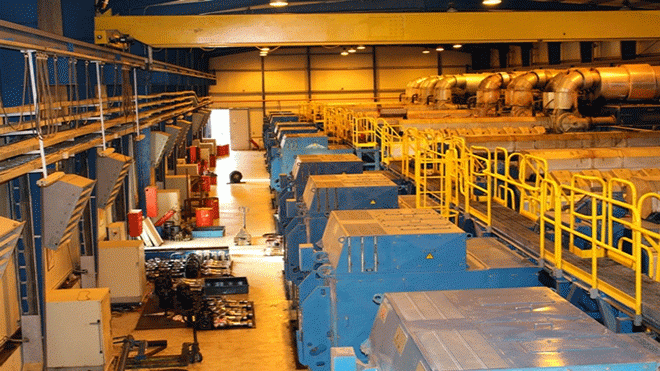
Hadramout Coast’s electricity sector entered a new phase of tension in April 2021, following the announcement by Hadramout Investment Company for Electric Power Generation that it had decided to shut down Al Harshiyat Station and disconnect it from the public grid, amid financial and contractual disputes with the relevant authorities. The development raised fears of a worsening blackout crisis during Ramadan and with the approach of summer.
The announcement came on Monday, April 19, 2021, after the company sent an official letter to the management of the Public Electricity Corporation in the Hadramout Coast area, informing it of its board’s decision to halt the station’s operation and disconnect it from the grid effective at midnight on April 22.
The company attributed its decision to the continued operation of the station without renewing the contract, which expired on April 22, 2020, after covering the period from April 2019 through April 2020. It explained that it had continued providing the service throughout the following year, in consideration of the governorate’s electricity needs.
According to the letter, the company had previously contacted the local authority and the Electricity Corporation to demand renewal of the contract and settlement of its financial dues. However, those demands had not been addressed in a manner that would ensure the station’s continued operation and the maintenance of its generating units.
The company disclosed a significant decline in the station’s technical readiness, noting that most of the generators had successively gone out of service, leaving only one operating generator, amid difficulties in funding the maintenance and repairs needed to return the out-of-service units to operation.
It also pointed to outstanding dues related to the wages and salaries of local employees, saying that continued delays in meeting financial obligations had affected its ability to manage the station and maintain its operational readiness.
The company asked the Electricity Corporation to appoint representatives to attend the station’s disconnection procedures and document electricity meter readings and fuel levels in the tanks at the scheduled shutdown time, to ensure the station’s operational and financial status was recorded.
This development came as the districts of Hadramout Coast were experiencing recurring power outages, amid rising demand for electricity and growing public pressure to improve the service, particularly during Ramadan, which coincided with the start of the hot season.
Coastal cities had previously witnessed popular protests demanding action to address the deterioration of electricity services, making the announcement of the possible removal of another station from the grid a source of concern about the continuity of electricity supply.
The dispute revealed an important aspect of the challenges facing Hadramout’s electricity sector, extending beyond fuel problems and technical faults to the nature of contractual relations between government entities and private generation companies, and the regularity of payments and funding for maintenance work.
Hadramout Investment Company’s announcement marked a significant moment in the history of the electricity crisis in 2021, showing how financial and administrative disputes could threaten continuity of production, even when generation facilities and equipment were available.
This event is significant in the chronology of the issue as an indicator of the complexities surrounding purchased power, and of the need for stable contractual and financial arrangements to ensure continued operation and maintenance, and to limit the impact of disputes between the relevant authorities on the electricity service provided to citizens.