
Resumption of Masila oil exports through Al-Dhabba Port in 2016 after a halt lasting more than a year
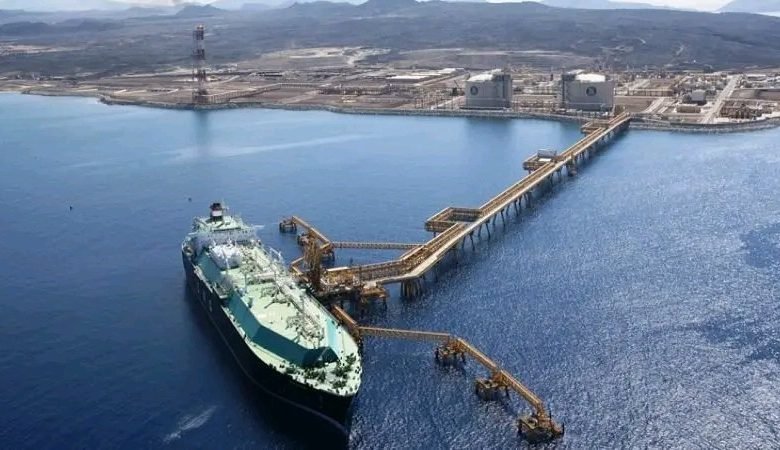
Al-Shihr oil terminal, “Al-Dhabba Port,” in Hadramout Governorate resumed crude oil export operations on August 2, 2016, after a halt that had lasted since March 2015 due to the war and security disruptions in Yemen. The terminal loaded the oil tanker “Sea Prince” with a shipment of Masila crude, as part of a deal to export about three million barrels to global trading company “Glencore.” The move reopened one of Yemen’s most important export outlets and paved the way for a gradual resumption of oil production after a prolonged shutdown.
More than a year of halted exports
Since March 2015, commercial operations at Al-Dhabba oil port had been suspended as a result of the repercussions of the war in Yemen, disrupting tanker traffic and exports of crude produced in the Masila basin.
This coincided with the withdrawal of several foreign companies and a decline in oil production across the country, leading to a drop in government revenues and the loss of one of the most important sources of foreign currency.
In April 2015, Al-Qaeda took control of Mukalla and parts of the Hadramout coast, further complicating the security environment surrounding export facilities.
Al-Shihr terminal remained closed in the following months, until conditions began to change after government forces, backed by the coalition, regained control of Mukalla and coastal areas in April 2016.
Government arrangements to reopen Al-Dhabba Port
After regaining control of the Hadramout coast, the Yemeni government moved to resume operations at the export outlet and make use of the crude stored in the terminal’s tanks.
In July 2016, the Ministry of Oil and Minerals announced the completion of a deal to sell about three million barrels of Masila crude to Swiss company “Glencore,” after the volume was offered in an international tender.
According to Argus, an agency specializing in energy markets, 29 foreign companies were invited to participate in the tender, but only three companies submitted bids before Glencore’s offer was selected.
The deal represented a key step toward resuming maritime shipping and freeing up storage capacity to allow some production operations at the fields to resume.
August 2: First tanker resumes exports
Marine services company “GAC” confirmed that Al-Shihr oil terminal resumed activity on August 2, 2016, with the arrival of a tanker to load a shipment of Masila crude.
Shipping reports said the tanker “Sea Prince” (Seaprince) loaded about 130,000 tonnes of crude, equivalent to nearly one million barrels, and left the terminal after completing loading.
Arrangements followed to load a second tanker named “Ataka” (Ataka) as part of the three-million-barrel deal.
This was the port’s first major commercial export operation since it was shut down during the war, but it did not mark a full return to pre-2015 production and export levels.
The difference between resuming exports and restoring production
It is important to distinguish between resuming shipments of oil stored at the port and the actual return of production from the fields.
Specialist reports explained that the first shipments in August 2016 included crude that had been stored at Al-Shihr terminal during the shutdown.
Disposing of these volumes helped free up storage capacity, allowing some production operations in eastern Yemen to resume.
On August 11, 2016, the Yemeni government officially announced the resumption of oil production and exports from the Masila fields after an interruption lasting more than a year, and said it was working to restore activity at the other oil fields and ports.
Accordingly, August 2, 2016, is recognized as the date of the actual resumption of exports, while August 11 is the date of the government announcement of the resumption of production and exports.
Oil revenues and projects in Hadramout
The resumption of exports was accompanied by government promises to allocate part of the oil revenues to support development and service projects in Hadramout.
On August 11, 2016, the then Minister of Oil and Minerals, Saif Mohsen Al-Sharif, announced that presidential directives called for allocating part of the proceeds from crude sales through Al-Dhabba Port to projects in the governorate, including the purchase of a 25-megawatt power plant.
He also spoke of directives to allocate one million barrels of crude oil to Aden refineries, with the aim of refining it and providing petroleum products for power stations in Aden and Hadramout.
This information is recorded as government directives and plans announced at that time, and does not by itself constitute evidence that all projects were implemented or that all announced volumes were delivered.
Limited return amid ongoing challenges
Despite the importance of the resumption of exports, Yemen’s oil sector continued to face major operational, financial, and security challenges.
Shipments resumed on a limited scale, while several oil fields and facilities in other governorates remained out of operation.
In October 2016, the government approved measures to support the reopening of PetroMasila’s fields in Hadramout, including transferring $30 million to the company’s account to help with rehabilitation and increase production levels.
This shows that the return of shipments in August was the beginning of a gradual recovery process, not the end of the oil sector’s crisis.
Economic and historical impact
The resumption of exports through Al-Dhabba Port in 2016 marked the first major economic breakthrough in the export shutdown crisis that followed the outbreak of the war.
The event reconnected Masila crude with foreign markets and enabled the government to recover part of its oil revenues, while highlighting the importance of preserving production, transportation, and export facilities.
It also affirmed Hadramout’s strategic role in Yemen’s economy, as its oil facilities were among the first to resume export activity after the outbreak of the war.
August 2, 2016, marked a turning point between a period of near-total suspension of exports and a period of limited resumption, which continued amid unstable security and economic conditions.