Hadramout’s Share of Oil Revenues: From the Approval of a 20% Allocation to Renewed Calls for Guarantees
Hadramout’s share of oil revenues has been one of the governorate’s most prominent economic and administrative issues since the resumption of Masila crude oil exports in 2016 and the accompanying arrangements to allocate a percentage of revenues for local development and services. With oil exports halted since October 2022, resources linked to exports declined, bringing the issue back to the forefront in 2026 alongside government moves to resume shipments through Al-Dhabba Port. Local demands focused on guaranteeing the governorate’s 20% share under the announced arrangements and clarifying how it is calculated, transferred and spent. This issue represents an important aspect of the relationship between oil wealth and local development. It also shows that resuming exports alone will not end debate over how revenues are distributed and used.
2016: Allocation of a Share of Oil Revenues to the Governorate Approved
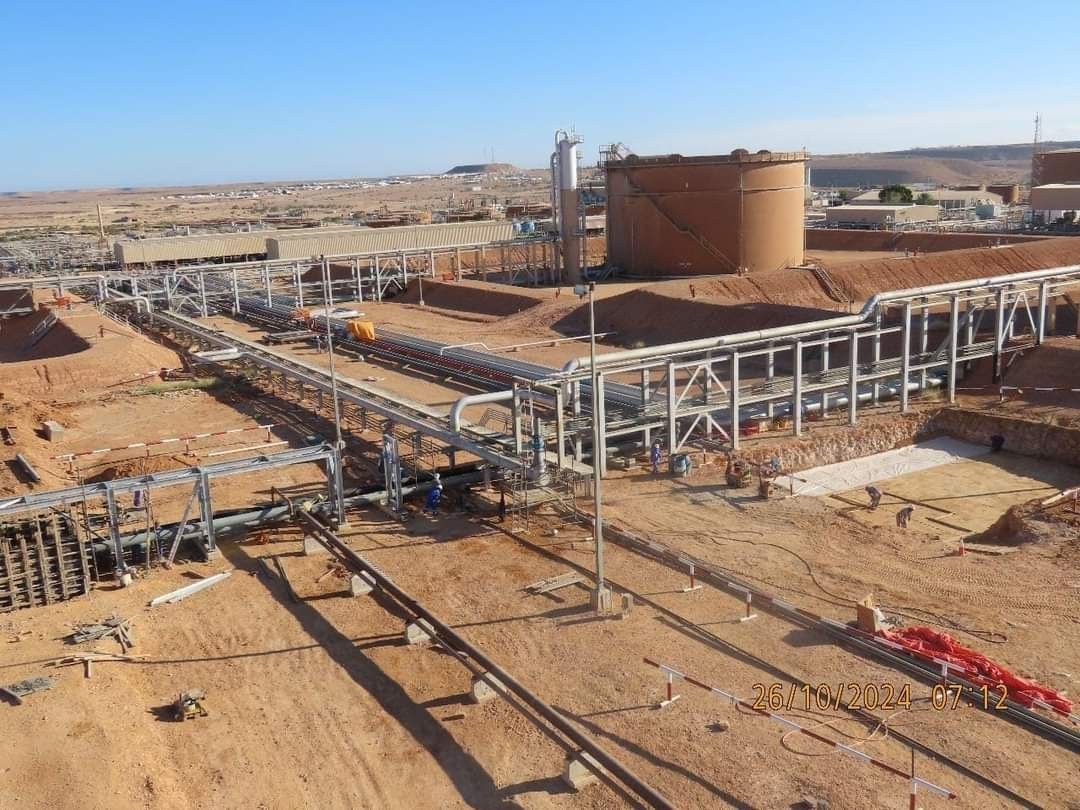
With the resumption of Masila crude oil exports through Al-Dhabba Port in August 2016, government arrangements emerged to allocate a percentage of oil revenues to Hadramout Governorate.
The announced share settled at 20% of oil revenues from exports from the governorate’s blocks, with the aim of enabling the local authority to fund development projects and improve basic services.
This approach came amid a decline in central financial transfers and growing reliance by local authorities on resources available within oil-producing governorates.
The Sana’a Center for Strategic Studies documented the reliance of producing governorates, including Hadramout, on shares of natural-resource revenues during the war years.
December 2017: First Transfer to the Governorate’s Account Announced
On December 2, 2017, the governor of Hadramout at the time, Faraj Salmin Al-Bahsani, announced that the government had transferred the governorate’s 20% share of oil revenues to its account at the Central Bank in Aden for the first time.
He explained that the funds would be allocated to development projects, in a step that marked a transition from approving the share to announcing that transfers had actually begun.
This milestone is important to the historical timeline: approval of the percentage following the resumption of exports in 2016 should be distinguished from the announcement of the first transfer in December 2017.
2018: Resources Allocated for Development in the Coast and the Valley
In January 2018, the local authority announced that it had received a payment from its oil share, confirming that the resources would be directed to development projects in the districts of the coast, the valley and the desert.
This step came at a time when the governorate was facing growing needs in electricity, water, roads and public services.
According to studies on local governance, the oil share became an important source of funding for services, maintenance and investment projects in Hadramout following a decline in central support.
September 2019: Ministry of Finance Announces Transfer of $194 Million
On September 22, 2019, the Yemeni Ministry of Finance announced that the government had deposited $194 million into the account of the local authority in Hadramout since the resumption of export operations.
The ministry affirmed its continued commitment to paying the governorate’s 20% share, based on presidential directives concerning oil-producing governorates.
This figure is the cumulative total announced by the ministry up to that date; it is not a single transfer or the total amount received by Hadramout throughout the years of exports.
January 2022: Calls to Raise the Share to 30%
As protests and economic demands in Hadramout escalated, Governor Faraj Al-Bahsani sent a letter to the prime minister in January 2022, calling for the governorate’s share of crude oil sales to be raised from 20% to 30%.
The demands also included implementing electricity projects, settling financial obligations related to energy, and providing additional quantities of fuel.
This development showed that the debate was no longer limited to ensuring regular transfers of the allocated share, but had expanded to include calls for an increase to meet the governorate’s needs.
Submitting a request to raise the percentage to 30% does not mean that the government approved the increase or began implementing it.
2022: The Oil Share in Figures
A diagnostic study of the local economy in Hadramout, based on data obtained by the research team from the Finance Office in the Hadramout Coast, showed that revenues collected in the coast during 2022 amounted to about 85 billion Yemeni rials.
Of this total, about 80.7 billion rials came from the governorate’s 20% share of oil and gas sales.
The study also highlighted the disparity in available financial resources between the coast and the valley, raising the issue of how the governorate’s revenues are distributed among its different areas.
These figures concern resources recorded in the Hadramout Coast during 2022 and do not necessarily represent the total oil resources of the governorate across all its areas.
Late 2022: Export Halt Threatens Local Revenue
Following Houthi attacks on Al-Dhabba Port in October and November 2022, crude oil exports were disrupted, affecting government revenues and the governorate’s share linked to sales.
As the disruption continued in subsequent years, resuming exports became a matter of restoring both central and local resources.
However, the 20% share does not necessarily mean that fixed amounts continued to flow during the period when sales were halted; its actual value depends on production that is exported and sold, and on how revenues are calculated and transferred.
July 2026: Hadramout Demands Guarantees of Its Rights Before Exports Resume
The issue returned to the forefront in July 2026, following the government’s announcement of moves to resume crude oil exports.
In a statement by the local authority in Hadramout, the governorate affirmed its insistence on its 20% share of crude oil produced, exported and sold from its oil blocks.
The local authority considered this percentage an acquired right that should not be diminished and stressed the need to preserve the governorate’s financial entitlements under any new export arrangements.
The position showed that restoring oil activity is also linked to trust between the central government and the local authority, and to ensuring clarity on financial obligations before shipments resume.
Historical Impact of the Event
Allocating a share of oil revenues to Hadramout marked a shift in the management of public resources during the war years, providing the local authority with an important source of funding for some services and projects.
It also opened an ongoing debate about whether the percentage is sufficient, the regularity of transfers, the fair distribution of resources between the coast, the valley and the desert, and spending transparency.
The historical significance of this issue lies in the evolution of Hadramout’s demands: from obtaining a share of its oil wealth to seeking guarantees for that share, an increase in it, and management that delivers a tangible developmental impact.
Key Figures Related to the Issue
Approved oil share
20%Of oil revenues under the announced government arrangements.
Percentage sought in January 2022
30%A local demand, not a percentage confirmed as approved.
Transfers announced by the Ministry of Finance through September 2019
$194 millionCumulative total announced since the resumption of exports.
Oil and gas share recorded in the Hadramout Coast in 2022
80.7 billion rialsAccording to a study based on data from the Finance Office on the coast.