
The Halt in Hadramout Oil Exports During 2023–2025 Deepens the Revenue and Services Crisis
Hadramout’s oil sector entered a prolonged period of halted exports during 2023–2025, following Houthi attacks on the Al-Dhabba oil port in October and November 2022. This deprived the Yemeni government of one of its most important sources of revenue and foreign currency. The continued halt in exports affected public finances and the government’s ability to fund essential services, particularly electricity and salaries, amid mounting pressure on the currency and the economy. International reports showed that the crisis had extended beyond the oil sector, becoming one of the most significant factors behind economic deterioration in areas under government control.
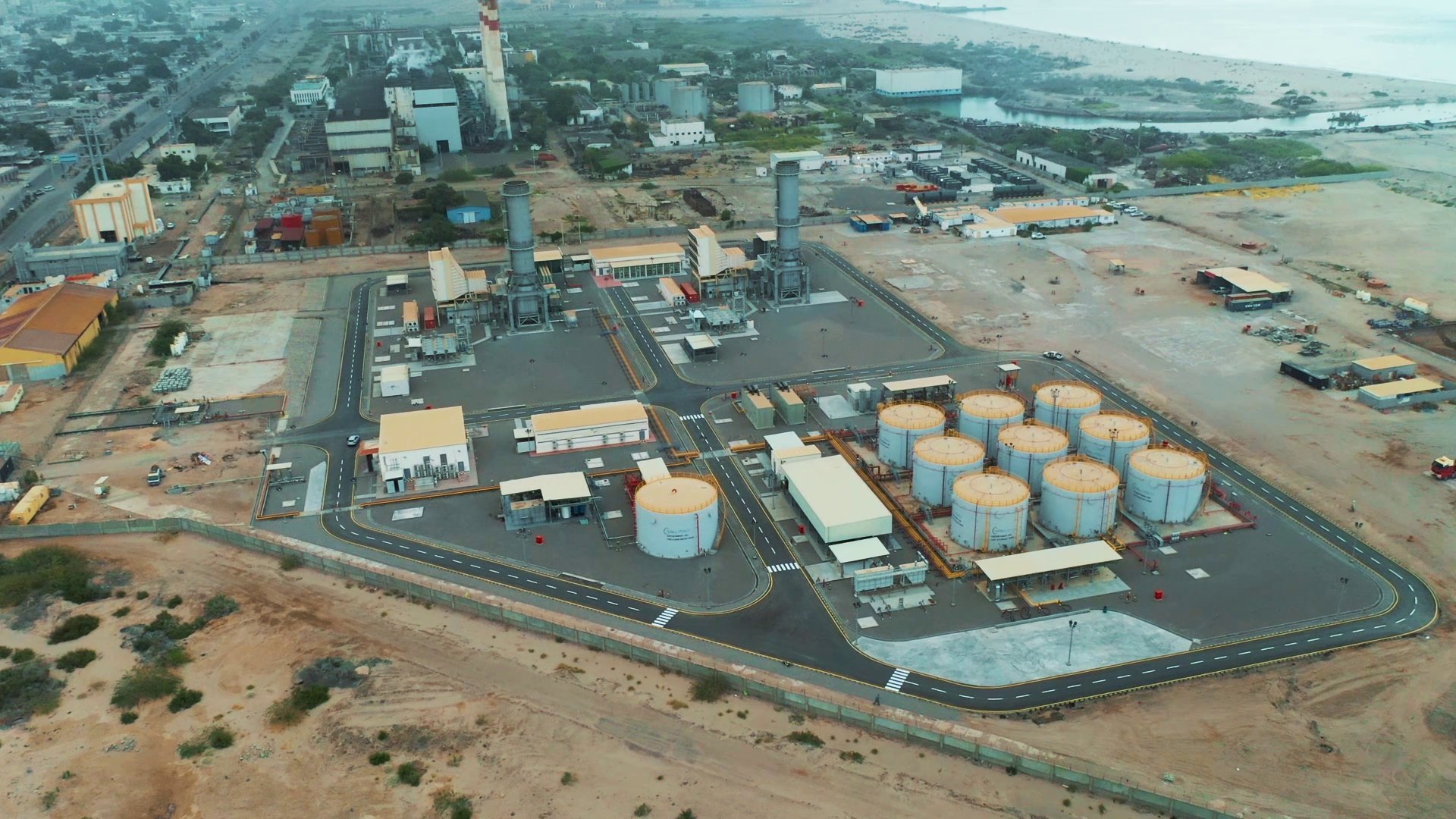
From the Al-Dhabba Attack to a Prolonged Export Crisis
Following the Houthi attack on Al-Dhabba port on October 21, 2022, and repeated targeting in November, shipments of crude oil from Hadramout to foreign markets were disrupted.
The problem was not limited to direct damage to facilities; it was also linked to the risks facing oil tankers, shipping companies, and insurers when entering the targeted ports.
By the beginning of 2023, crude oil exports had come to an almost complete halt, despite parts of the oil infrastructure remaining intact and technically capable of operating.
The International Monetary Fund confirms that Yemen’s oil exports have remained suspended since January 2023 as a result of attacks on export facilities in Hadramout and Shabwah.
2023: Collapse in Oil Export Revenues
2023 was the first almost full year without regular oil exports, directly affecting the public budget.
According to data from Yemen’s Ministry of Finance cited by the Organisation for Economic Co-operation and Development, revenue from crude oil export sales fell from about 1.104 trillion Yemeni rials in 2022 to 38.5 billion rials in 2023, a decline of nearly 97%.
Total government revenues also fell from about 2.774 trillion rials to 1.903 trillion rials over the same period.
These figures show the scale of the financial shock that followed the halt in exports, but they concern Yemeni government revenues, not Hadramout’s revenues alone.
Production Declines as Export Outlet Disappears
The impact of the halt in maritime shipments extended to producing fields, including sectors linked to the Masila system.
When crude exports are disrupted, the capacity to maintain commercial production becomes limited because of full storage tanks and the costs of storage and operations.
According to the International Monetary Fund, Yemen’s crude oil production fell from an estimated average of about 46,000 barrels per day in 2021–2022 to 22,000 barrels per day in 2023, and then to 19,000 barrels per day in 2024.
These figures cover Yemeni production nationally and do not represent production from the Masila sector alone.
The decline in production also does not mean that all technical operations have stopped; maintenance and the protection of wells and facilities, as well as some activities linked to domestic consumption, may continue.
2024: Lower Revenues and a Worsening Services Crisis
The crisis continued in 2024, with export revenues absent and pressure on public finances mounting.
On October 31, 2024, the World Bank announced that the revenues of Yemen’s internationally recognized government had fallen by 42% during the first half of the year, noting that the continued halt in oil exports was one of the main reasons for the decline.
The contraction in resources weakened the government’s ability to fund public services, at a time when wide areas were experiencing power disruptions, rising prices, and declining purchasing power.
Not every service crisis in Hadramout can be attributed solely to the halt in oil exports, as fuel, infrastructure, management, and financing problems also play a part. However, the loss of oil revenues narrowed the state’s ability to address those crises.
Pressure on the Currency and Purchasing Power
The loss of oil exports reduced one of the main sources of foreign currency, increasing monetary fragility in areas under government control.
According to the World Bank, the Yemeni rial fell in the Aden market from about 1,619 rials per dollar in January 2024 to 1,917 rials by the end of August that year.
This decline resulted from a combination of factors, including the halt in exports, heavy reliance on imports, weak public resources, and economic and monetary fragmentation.
As import costs rose, pressure on the prices of goods and services increased, making the effects of the oil crisis felt beyond the fields and ports.
2025: Continued Disruption and Spending Cuts
In 2025, regular crude oil exports did not resume, and the government continued to grapple with a large financial gap.
According to the International Monetary Fund’s 2025 consultation report, the loss of oil revenues led to sharp cuts in government spending.
During the first half of 2025, expenditure was about 30% below the budgeted level, with cuts affecting capital investment, goods and services, and electricity subsidies.
This shows how the impact of the export halt shifted from the direct loss of revenue to long-term constraints on the state’s ability to invest and provide services.
Implications of the Crisis for Hadramout
For Hadramout, the continued halt in exports presented a clear economic paradox: the governorate is home to strategic oil fields and facilities, yet it continued to face major challenges in electricity, services, and employment opportunities.
The disruption also prompted growing questions about the future operation of the fields, the sustainability of jobs and services linked to oil activity, and the authorities’ ability to benefit from local resources.
However, estimating the direct financial losses incurred by Hadramout during 2023–2025 requires detailed data on the quantities of crude not exported, sale prices, production costs, and revenue distribution mechanisms.
Therefore, total losses incurred by the Yemeni government should not be treated as losses specific to Hadramout Governorate.
Historical Impact of the Event
The 2023–2025 crisis exposed the vulnerability of relying on oil exports as a major source of public budget funding, and the link between oil revenues and the security of ports and maritime routes.
It also highlighted the limited financial alternatives available to the government when exports are halted, and the importance of diversifying revenues, developing infrastructure, and improving resource management.
These years mark a period in which the halt in Hadramout’s oil exports shifted from an emergency security crisis to a prolonged economic crisis, affecting public finances, services, and the future of the oil sector.