
Efforts to Resume Hadramout Oil Exports in 2026 Face Security and Economic Challenges
The resumption of crude oil exports from Hadramout in 2026 remained one of the most prominent economic challenges facing the Yemeni government, amid the continuing repercussions of Houthi attacks on export ports since October 2022 and the ensuing security and operational disruptions in production areas. Efforts to restore oil activity have focused on rehabilitating facilities, securing fields, pipelines and ports, and providing the conditions necessary for commercial tankers to return. However, a regular resumption of exports requires addressing interrelated security, financial and technical challenges; the fields’ ability to produce alone is not enough to resume exports.
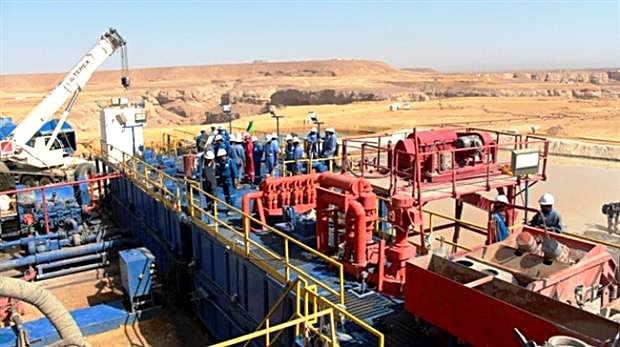
2026: Export resumption returns to the forefront of government decisions
With oil exports having been halted for a fourth year, efforts to restart the crude export system intensified during the first half of 2026.
These efforts came amid mounting financial pressure on the government and its need to restore the revenues that oil exports had provided to fund salaries and basic services.
In a report published on May 21, 2026, the World Bank confirmed that oil exports remained disrupted and projected that Yemen’s economy would contract by 0.5% during the year, following a contraction of 1.5% in 2025.
July 20: Government decision to resume exports
July 20, 2026, was the most prominent official milestone in efforts to resume exports, when the National Defense Council issued a decision to work toward restoring crude oil exports.
This was followed by a meeting of the Supreme Committee for Crude Oil Marketing in Aden on July 21 to discuss the technical, administrative and logistical requirements for resuming shipment operations.
According to a report by the Sana’a Center for Strategic Studies, the decision did not set a specific date for exports to resume, definitively identify the ports to be used, or specify the security arrangements needed to protect tankers and facilities.
Initial plan targets 60,000 barrels per day
In July 2026, the Ministry of Oil and Minerals announced that resumption plans aimed to reach an initial export capacity of about 60,000 barrels per day, based on production from several oil blocks.
The blocks mentioned in government statements included the PetroMasila, Al-Aqla, Jannah Hunt, Safer and Calvalley fields.
The Ministry also said it had instructed companies to prepare plans to increase production, with a target of raising it by up to 25% during the first month after exports resumed.
These figures, however, were announced government targets, not volumes that had actually been exported or revenues already generated.
Hadramout insists on its rights to oil revenues
On July 24, 2026, the local authority in Hadramout Governorate announced its support for efforts to resume oil exports, but tied this to guarantees of the governorate’s financial rights and fulfillment of the commitments announced to it.
The local authority stressed the need to preserve Hadramout’s 20% share of crude oil produced, exported and sold from the governorate’s blocks, in accordance with arrangements it said had been approved after exports resumed in August 2016.
It also called for the commitments related to the plan to respond to Hadramout’s demands to be fulfilled.
This position highlighted an additional dimension of the crisis: disagreement over the distribution of revenues, alongside the security and technical challenges associated with resuming exports.
August 4: Technical activity at Al-Dhabba Port
On August 4, 2026, the official website of Hadramout Governorate announced the arrival of a team from a U.S. company tasked with preparations to resume oil exports from the tanks at Al-Dhabba Port.
According to a source in the local authority, the team began initial technical and logistical preparations at the site, without announcing an official date for the start of export operations.
The team’s arrival marked a shift from government statements to field preparations, but it was not evidence that a tanker had been loaded or that an actual sale and export operation had taken place.
Technical and security obstacles to restarting operations
Restoring exports was not a matter that could be resolved by a government decision alone; the fields and ports faced accumulated challenges after years of inactivity.
These challenges include inspecting wells, pipelines, pumping stations and tanks; restoring operational capacity; and protecting facilities and tankers from attacks.
According to the Sana’a Center, preparing the infrastructure needed to resume exports could take between six months and a year, with the estimate remaining contingent on the condition of the facilities and security circumstances.
The possibility of renewed Houthi attacks also remained one of the main risks facing shipping companies, insurers and buyers.
October 2026: Resumption had not resulted in confirmed exports
Despite the decisions and preparations made during the year, reliable economic reports available by late October 2026 did not show a regular and confirmed resumption of crude oil exports.
In a report published on October 21, 2026, the International Monetary Fund noted that oil exports had remained suspended since late 2022, resulting in financial and economic pressures.
A report published by Al Majalla on October 13 also discussed the continuing security and technical obstacles to the return of shipments.
Accordingly, the most accurate historical description of 2026 is that it was a period of decisions and preparations to resume exports, not a year in which the regular return of commercial exports was established.
The historical significance of the event
The year 2026 marked an important shift in how the Yemeni oil crisis was addressed, as the government moved from waiting for conditions to become favorable to announcing an official decision to restore exports and beginning some technical arrangements.
But developments showed that the success of this step depended on three interconnected factors: the technical readiness of the facilities, the security of ports and tankers, and agreement on the management and distribution of revenues.
July 20, 2026, is the most significant date associated with this event, as the day the government decision to resume exports was issued, while it is important not to confuse the decision with actual implementation.