Exchange rates US Dollar Buy 1,564 Sell 1,577 Saudi Riyal Buy 412 Sell 413 Last updated: Currency converter

District in The Valley and Desert · Hadramout Governorate

Sayun

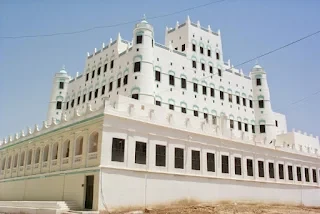
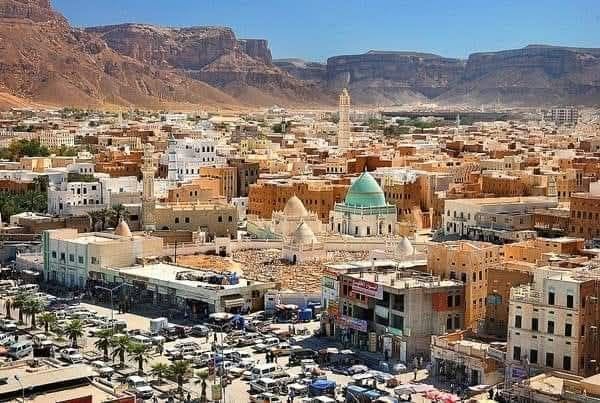
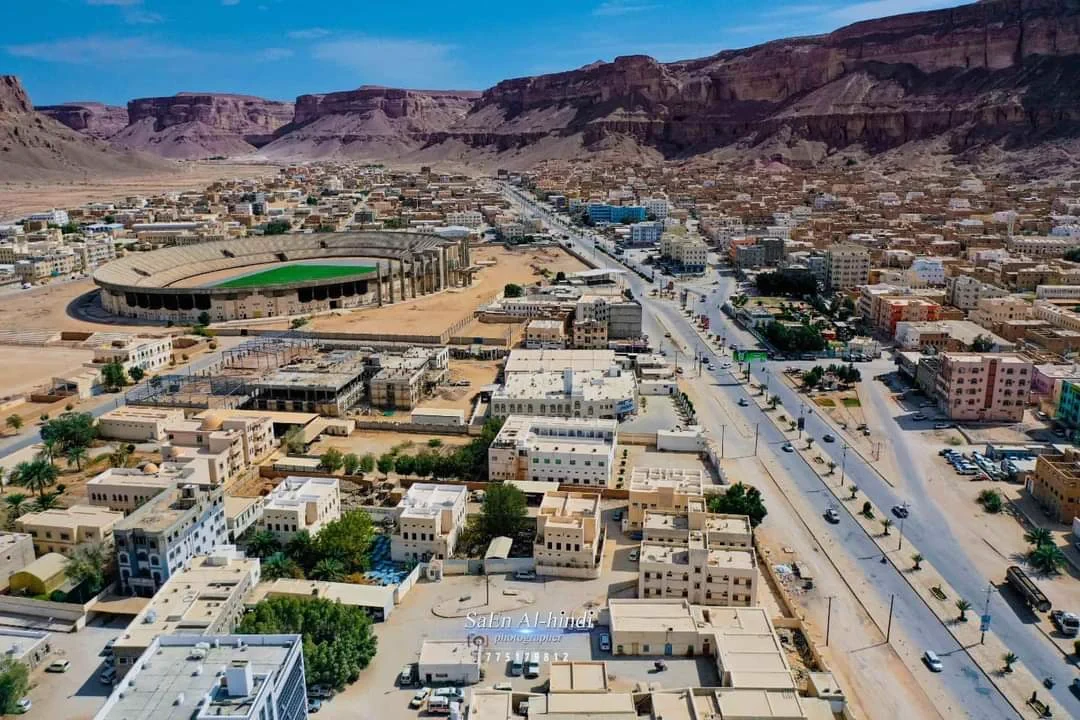
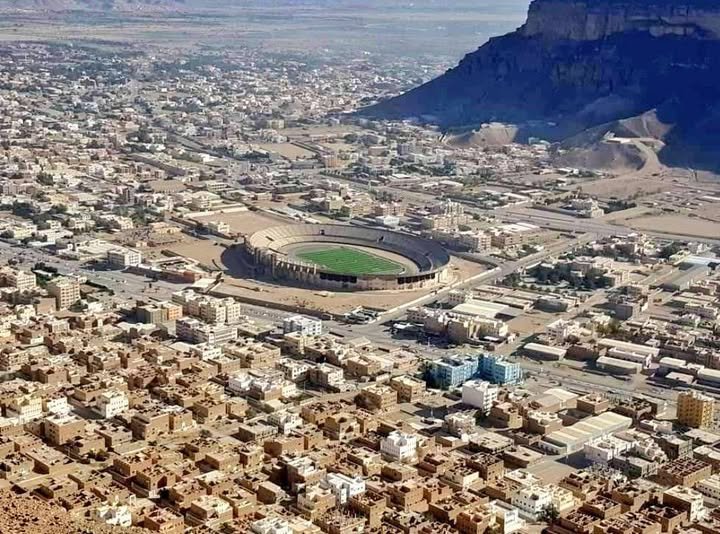
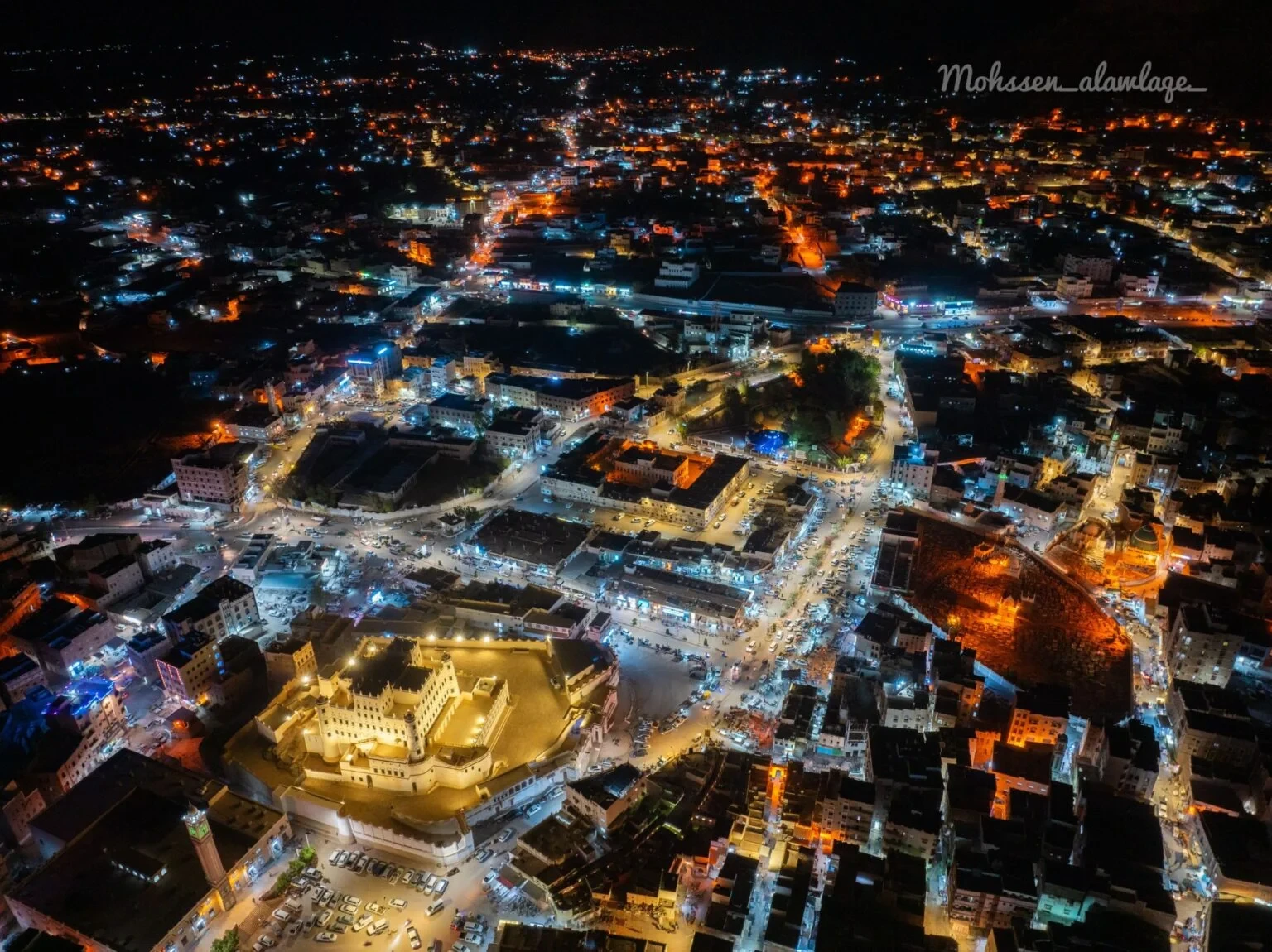
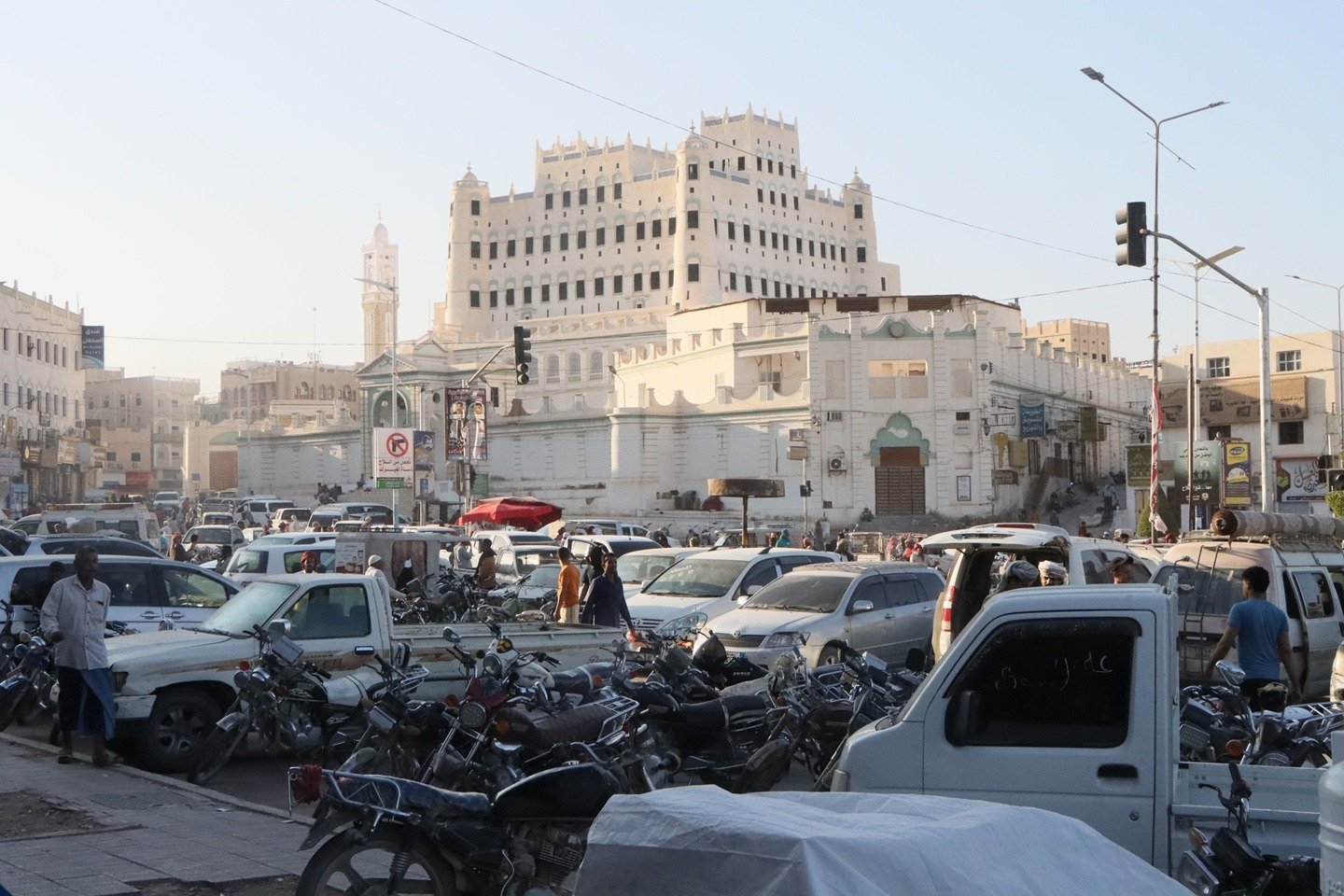
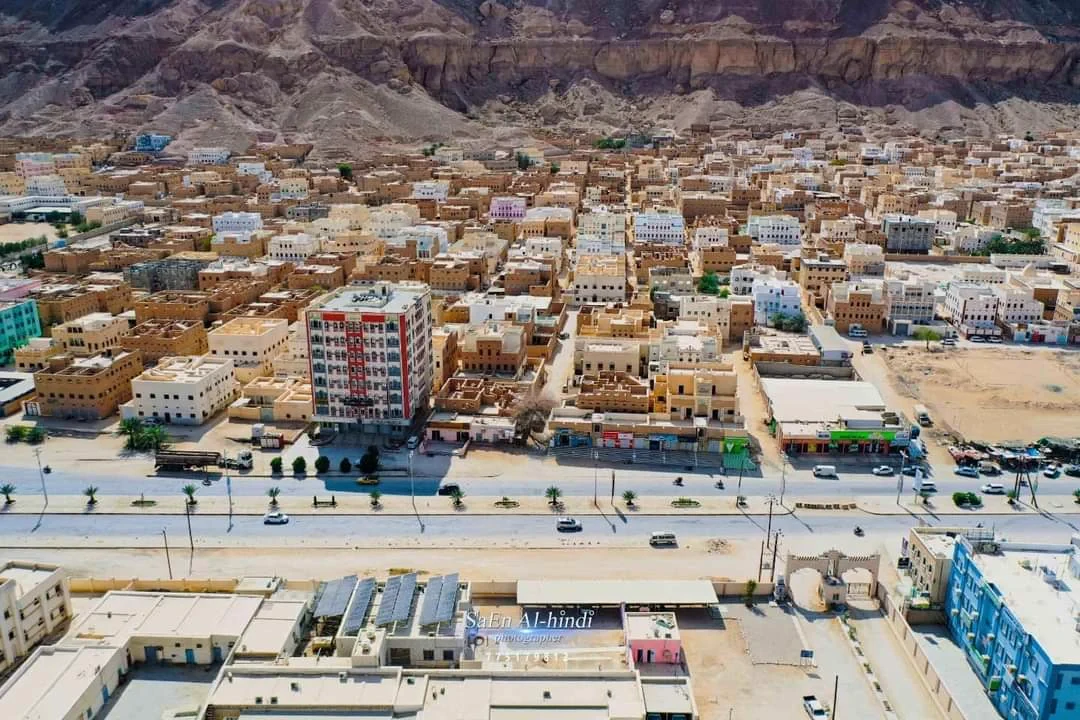
Seiyun District is one of the most important urban and historic districts in Hadramout Governorate. Seiyun city is its administrative center and the capital of Wadi Hadramout and the Hadramout Desert. The city is distinguished by its cultural, educational and commercial standing, and by its history linked to the Kathiri Sultanate, which made it a center of rule during periods of Hadramout’s history. Seiyun is renowned for its historic palaces and distinctive mud-brick architecture, foremost among them the Kathiri Sultan’s Palace, one of Yemen’s most prominent architectural landmarks. The city is also home to educational and cultural institutions, commercial markets, and government and service facilities, making it a key center of economic and administrative life in Wadi Hadramout.

Approximate area
926 km²
Population
Estimated at around 102,409 thousand people in 2004.

Known for

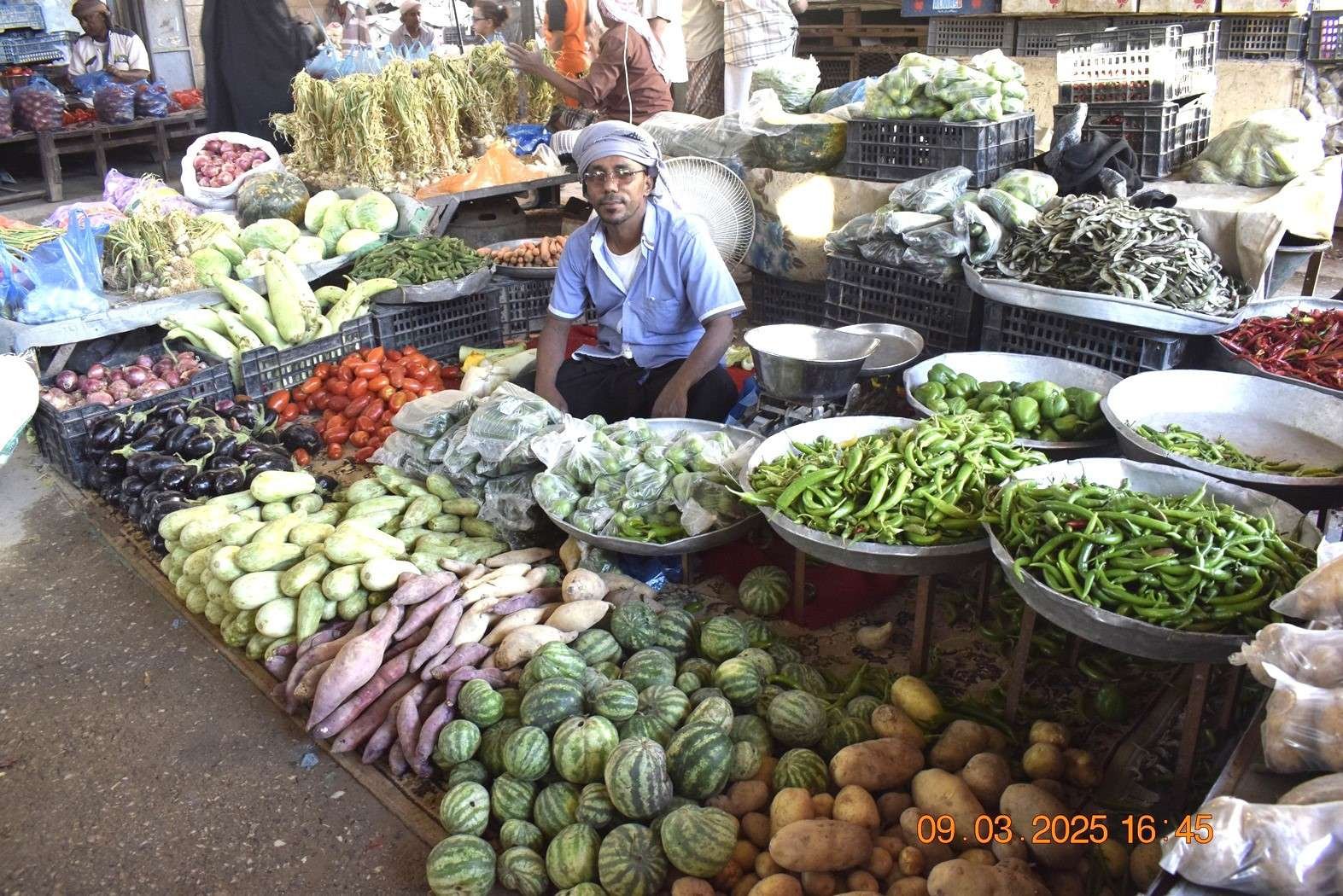
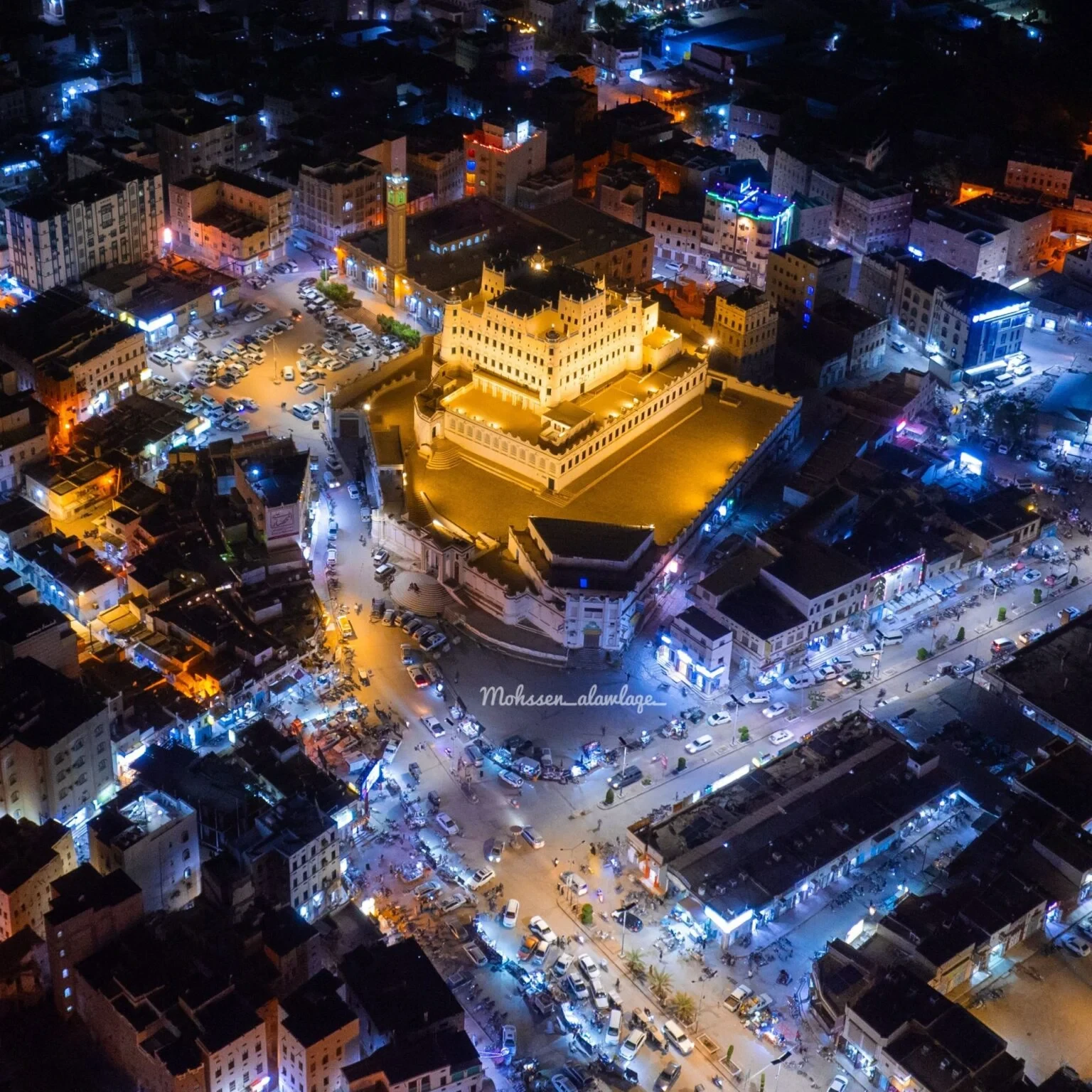
Seiyun is renowned for the Kathiri Sultan’s Palace, which stands in the center of the city and is considered an architectural and historical symbol of Hadramout. It is also known for its mud-brick architecture, traditional markets and old mosques. The city is distinguished by its role as an administrative and commercial center for Wadi Hadramout and the Hadramout Desert, and by its hosting of Seiyun International Airport and a number of educational and cultural institutions. It is also known for its date palm groves and dates, Hadrami folk arts, traditional crafts, and history linked to the Kathiri Sultanate and Hadrami trade and migration.

Location

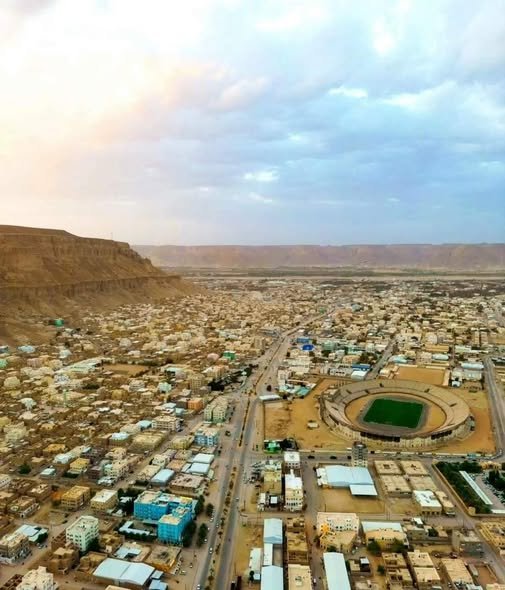
Seiyun District is located in the central part of Wadi Hadramout, within the inland area of Hadramout Governorate. Seiyun city is about 320 kilometers from Mukalla city by road, depending on the route taken.

History

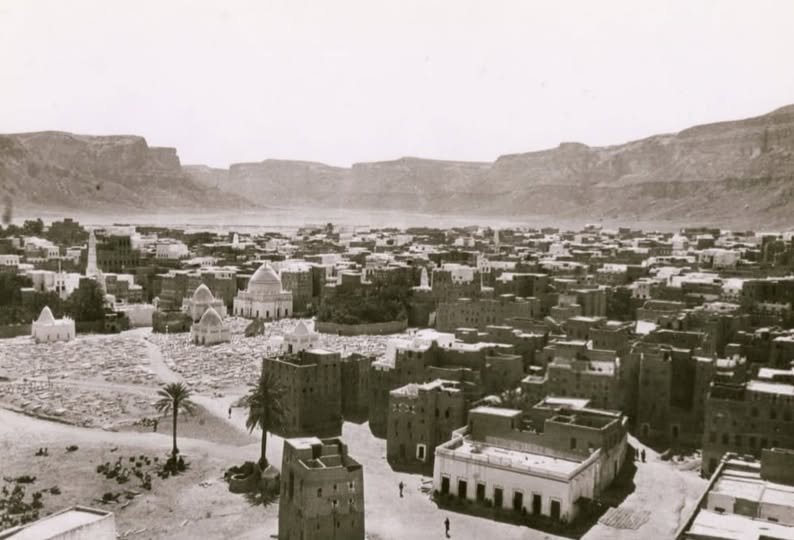
Seiyun city has a rich civilizational history. Historical sources indicate that it existed in ancient times, and its founding was linked to human settlement in Wadi Hadramout, which served as a center for agriculture, trade and social life for centuries.

During the Islamic era, Seiyun developed from a settlement into a city of growing political and economic importance, before becoming the capital of the Kathiri state in the 16th century AD, during the reign of Sultan Badr bin Abdullah Al Kathiri, known as Abu Tuwairiq.

Under the Kathiris, the city underwent urban expansion and commercial prosperity. Palaces, forts, mosques and markets were built, and the Kathiri Sultan’s Palace became the seat of rule and administration.

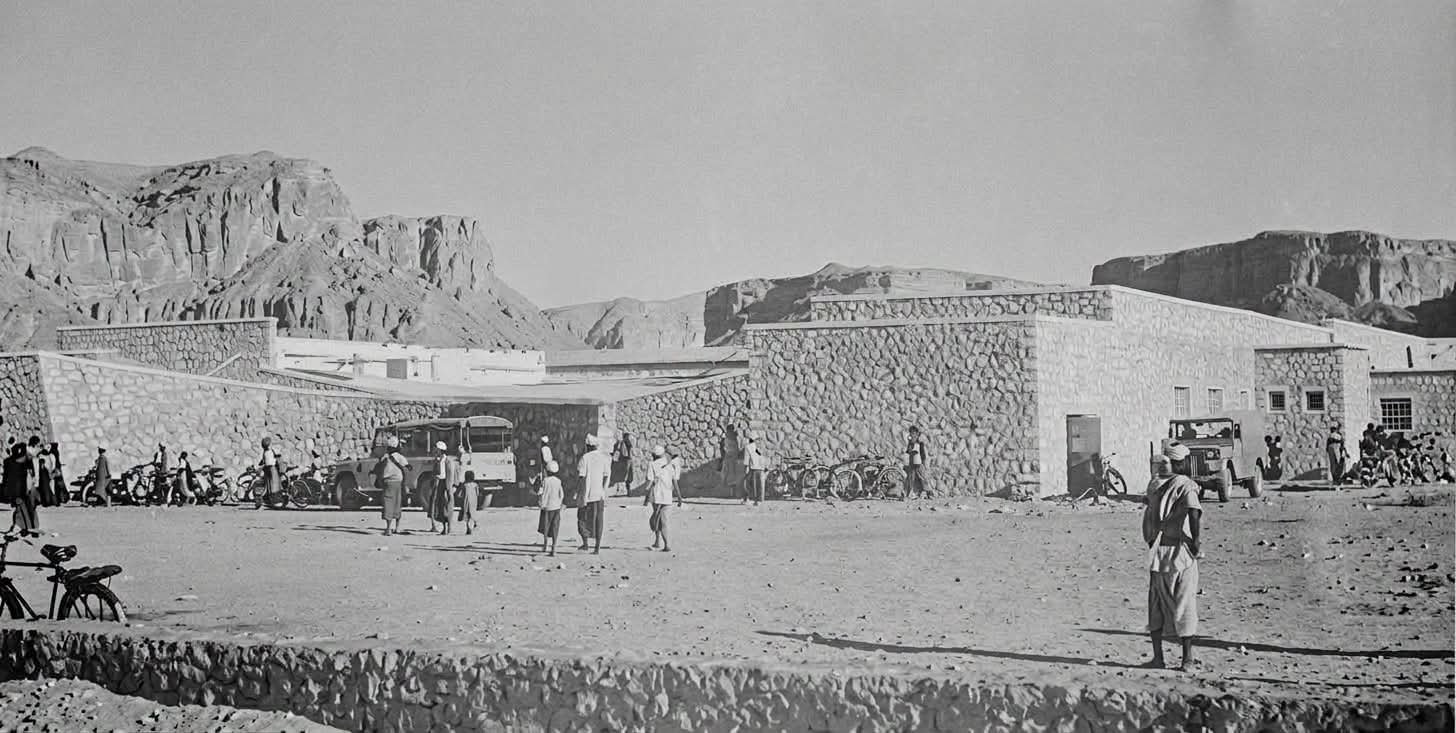
Seiyun remained a center of the Kathiri Sultanate until 1967, when sultanic rule in southern Yemen came to an end. The city subsequently retained its administrative importance and developed into the main center for managing the affairs of Wadi Hadramout and the Hadramout Desert.

The district today

Culture

Seiyun has a rich cultural heritage that reflects its historic and educational standing in Wadi Hadramout. It is known for traditional mud-brick architecture, folk arts, poetry, religious chanting and inherited social customs.

Hadrami dan is one of the most prominent art forms associated with the region’s cultural identity, alongside zarbadi and folk dances and chants performed at weddings and other occasions.

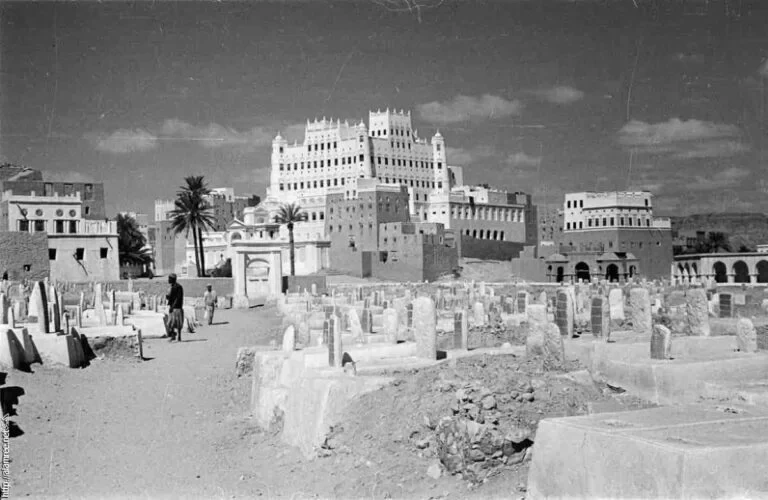
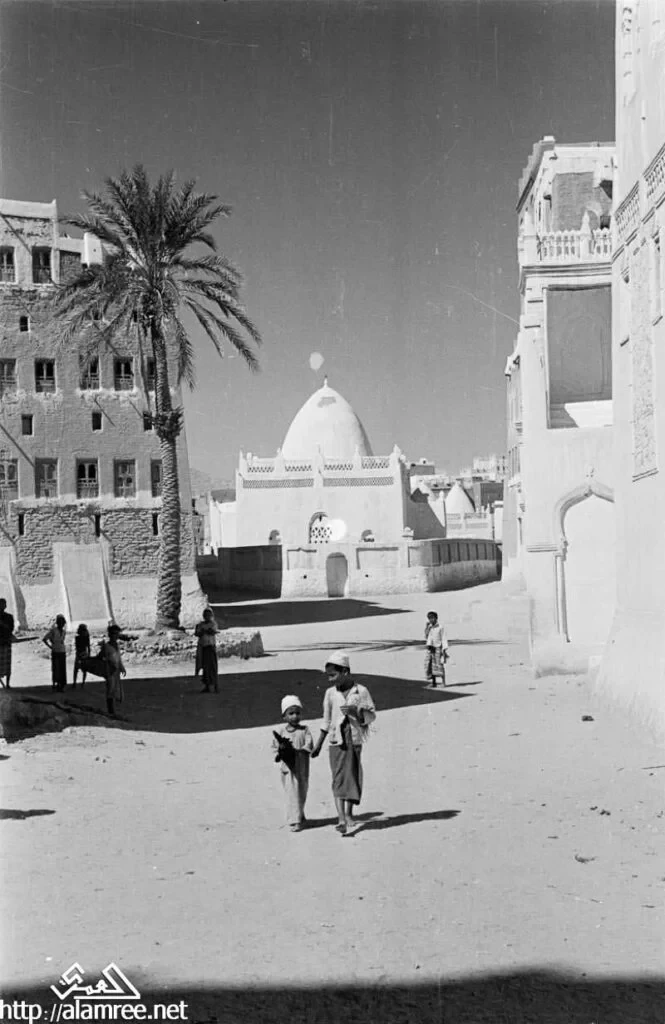
The city also preserves a distinctive architectural heritage, including mud-brick palaces and old houses with plaster decorations and traditional wooden doors, as well as mosques and religious schools that contributed to the flourishing of scholarship.

Seiyun is also known for its traditional Hadrami cuisine, which includes famous dishes such as mandi, madhbi, asida and harees, as well as local sweets and baked goods.

People and society

Seiyun’s community is characterized by strong family ties, social solidarity and adherence to Hadrami customs and traditions. Religious and social occasions are among the most prominent features of community life in the city.

The district includes old and newer residential neighborhoods, as well as surrounding villages and agricultural settlements. Its administrative, educational and commercial standing has attracted residents from across Wadi Hadramout.

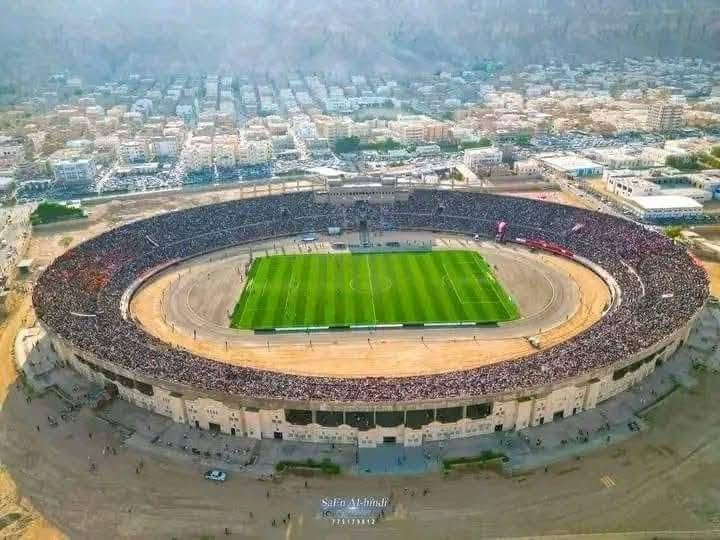
Educational, cultural and sporting activities have a notable presence in the community through schools, universities, clubs, civil society institutions and youth initiatives.

Seiyun’s community is also connected to the history of Hadrami migration to the Gulf states, Southeast Asia and East Africa, which helped strengthen cultural and commercial exchange with communities abroad.

Seiyun city is one of the most important economic and commercial centers in Wadi Hadramout and the Hadramout Desert. Its economic activities rely on trade, services, transport, agriculture and the private sector.

The city is home to commercial markets, financial institutions, and government and service facilities, as well as companies and institutions operating in transport, contracting and general trade.

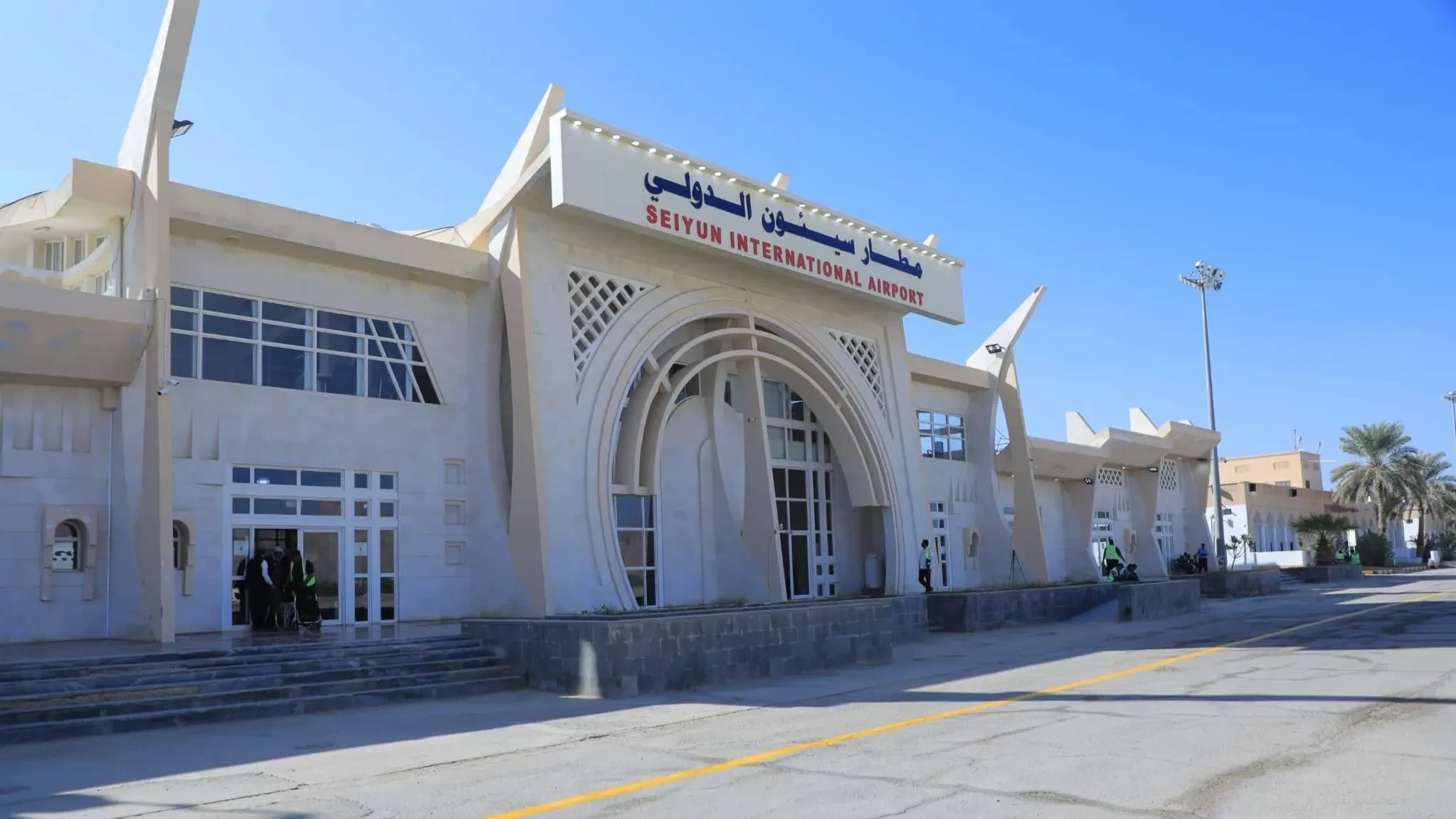
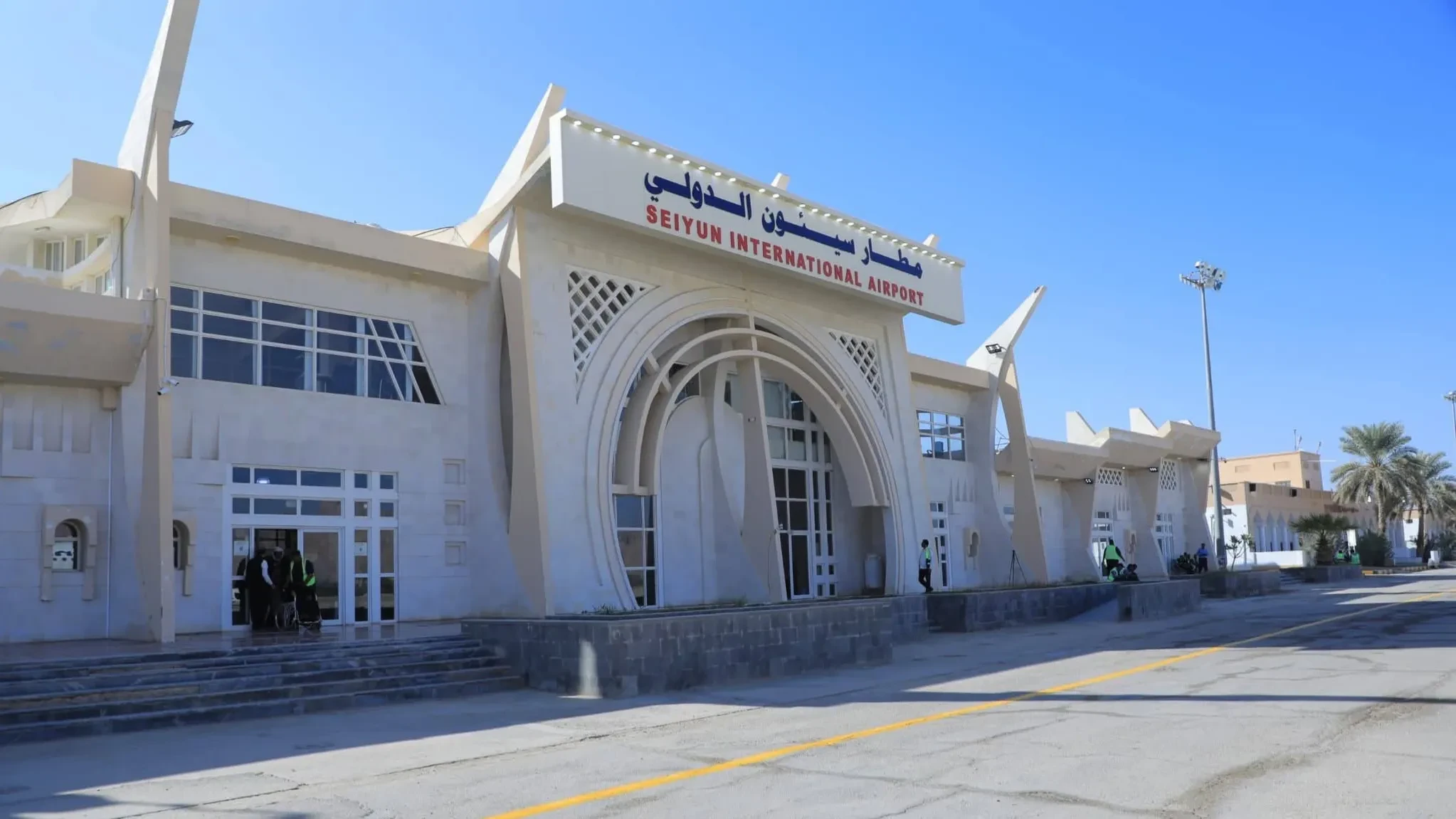
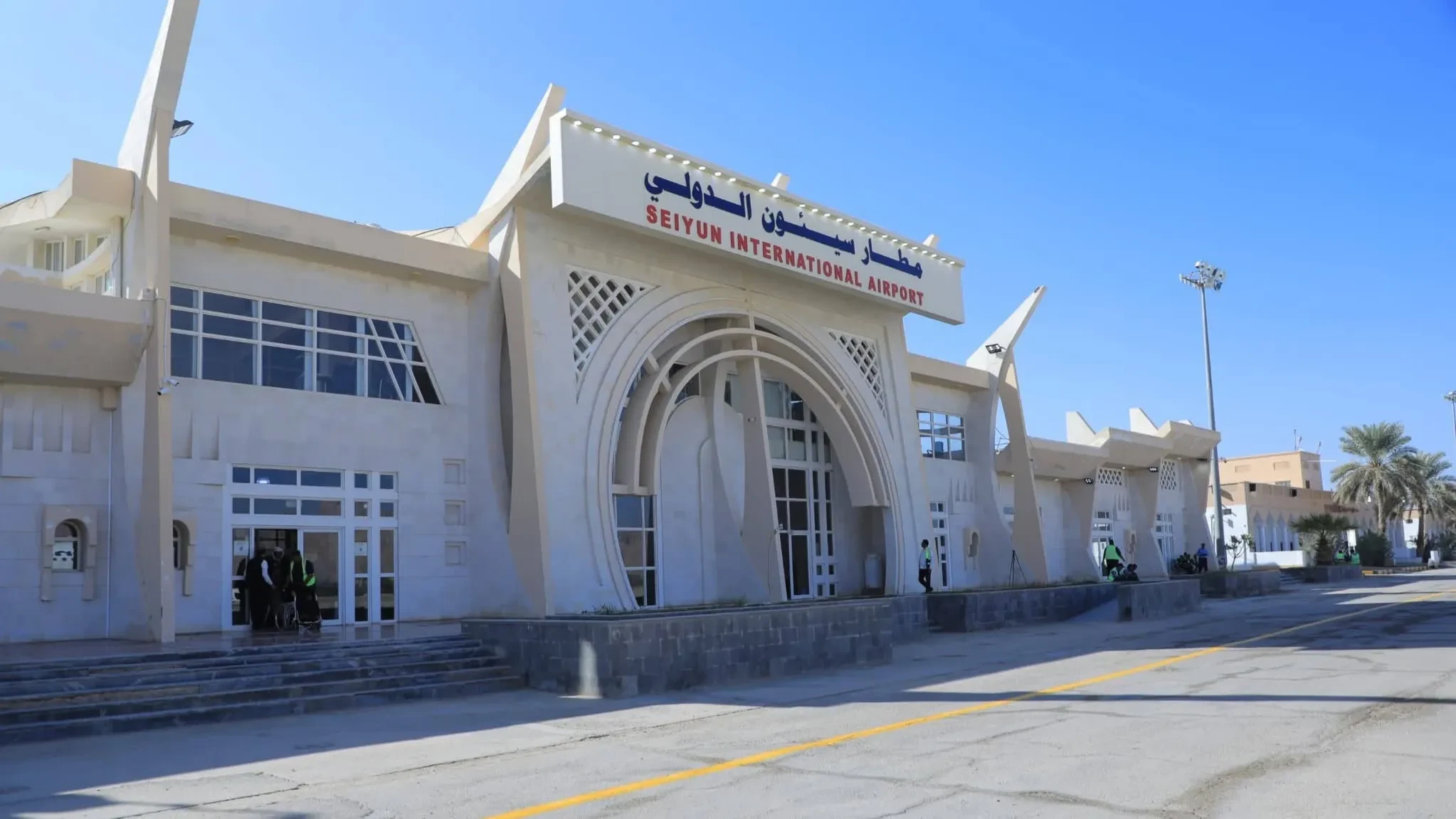
Seiyun International Airport is one of the region’s most prominent transport facilities, playing an important role in connecting Wadi Hadramout with other areas and international destinations, depending on available flight schedules.

Agriculture is also a traditional economic activity in areas around the city, particularly date palm cultivation, date production and seasonal crops, alongside activities related to marketing agricultural products.

Seiyun has significant economic and tourism potential, benefiting from its geographical location, historic landmarks, and administrative and commercial presence.

Main landmarks

Historic Seiyun Palace (Palace of the Sultan al-Kathiri)

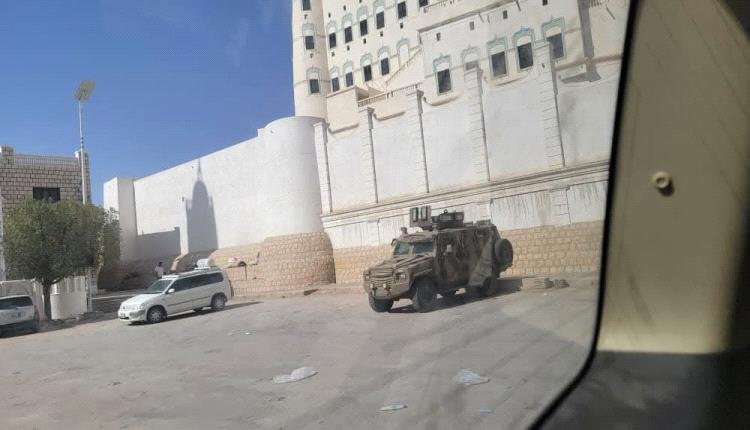
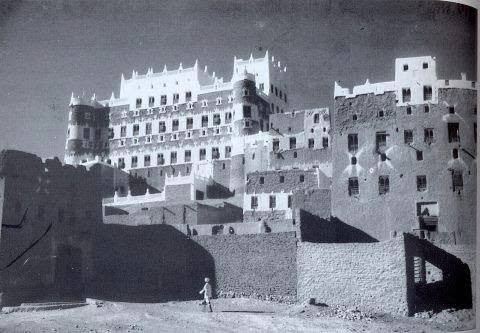
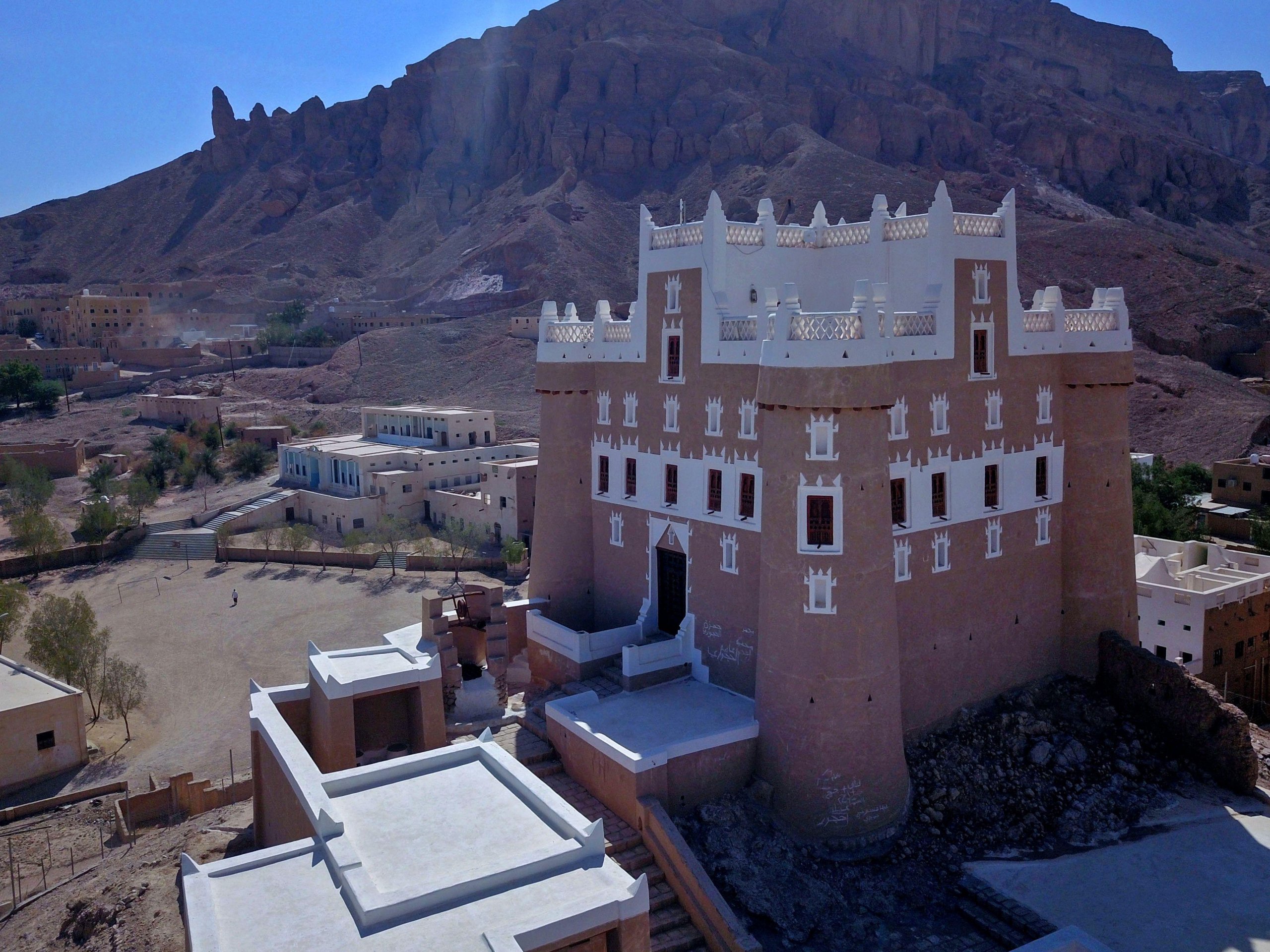
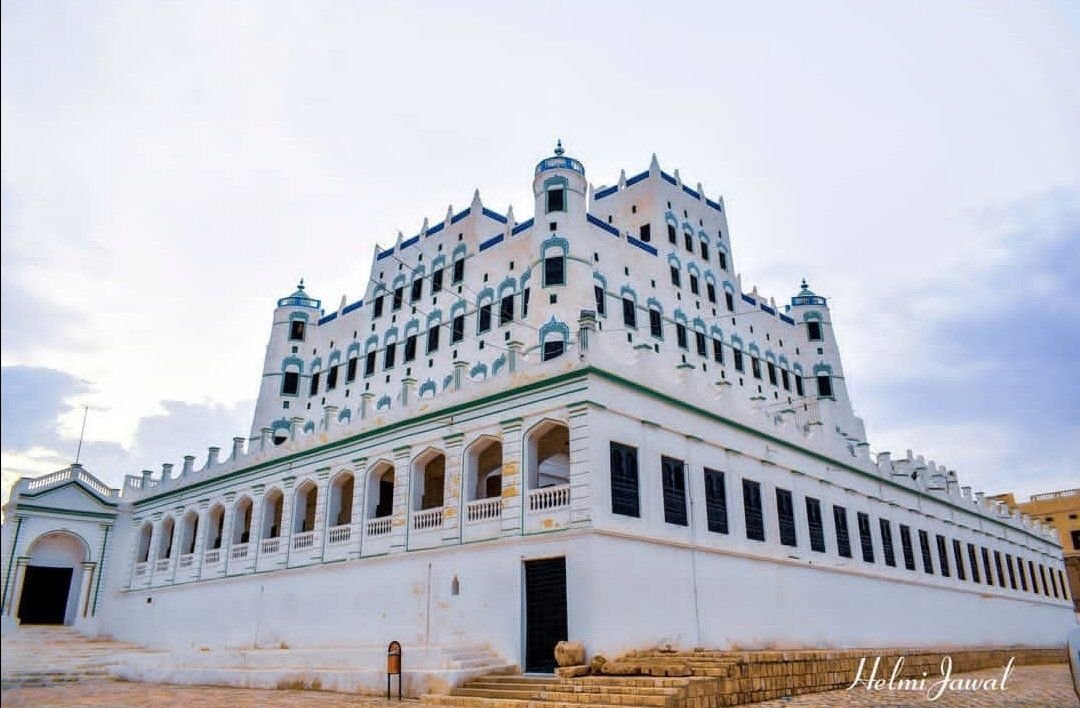
The historic Seiyun Palace, known as the Palace of the Sultan al-Kathiri, is one of the most prominent archaeological and architectural landmarks in Hadramout Governorate and a notable symbol of Seiyun’s historical identity. Standing at the center of the city, with its seven floors and distinctive white façades, the palace embodies the ingenuity of Hadrami mud-brick architecture. For centuries, it was linked to the history of the Kathiri State, serving as a seat of government and a residence for the sultans before becoming a museum landmark preserving an important part of the cultural and historical heritage of Wadi Hadramout.
Historic Al-Falis Fortress

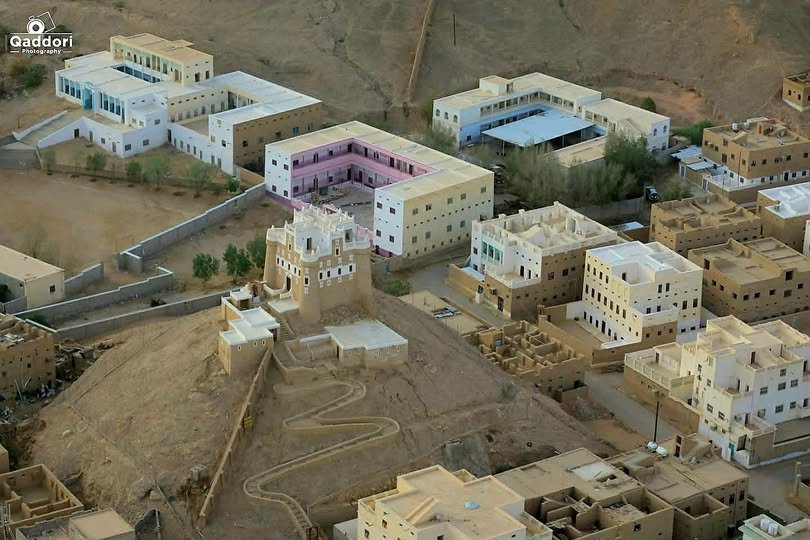
The historic Al-Falis Fortress is one of the most prominent defensive landmarks in Seiyun, Hadramout Governorate. It stands atop a rocky hill in the Al-Qarn neighborhood, east of the city. According to historical estimates, it was built in the 10th century AH, during the reign of Sultan Kathiri Badr Abu Tuwairiq or in the period that followed. The fortress served as an advanced military position to protect Seiyun and monitor its entrances, and was linked to the old city walls. Restoration and archaeological excavation works uncovered architectural remains and historical artifacts. It remains a testament to the history of military fortifications and mud-brick architecture in Wadi Hadramout.
Sayun news

No news about this district yet

Files about Sayun

File

The Electricity Crisis in Hadramout

This file documents the electricity crisis in Hadramout Governorate, one of the most prominent service-related issues to affect residents’ lives and the stability of economic and commercial activities and public institutions, amid mounting challenges related to generation capacity, fuel supplies, the efficiency of transmission and distribution networks, and maintenance and operations. The file traces the most significant developments in the electricity sector along the coast, in the valley and in the desert areas of Hadramout, including recurring outages, generating plants going offline, public protests, government decisions, local and external interventions, and announced projects to improve the energy system. The file also follows these developments through a documented timeline.

20 events 2018–2026 Last updated 8 hours ago
File

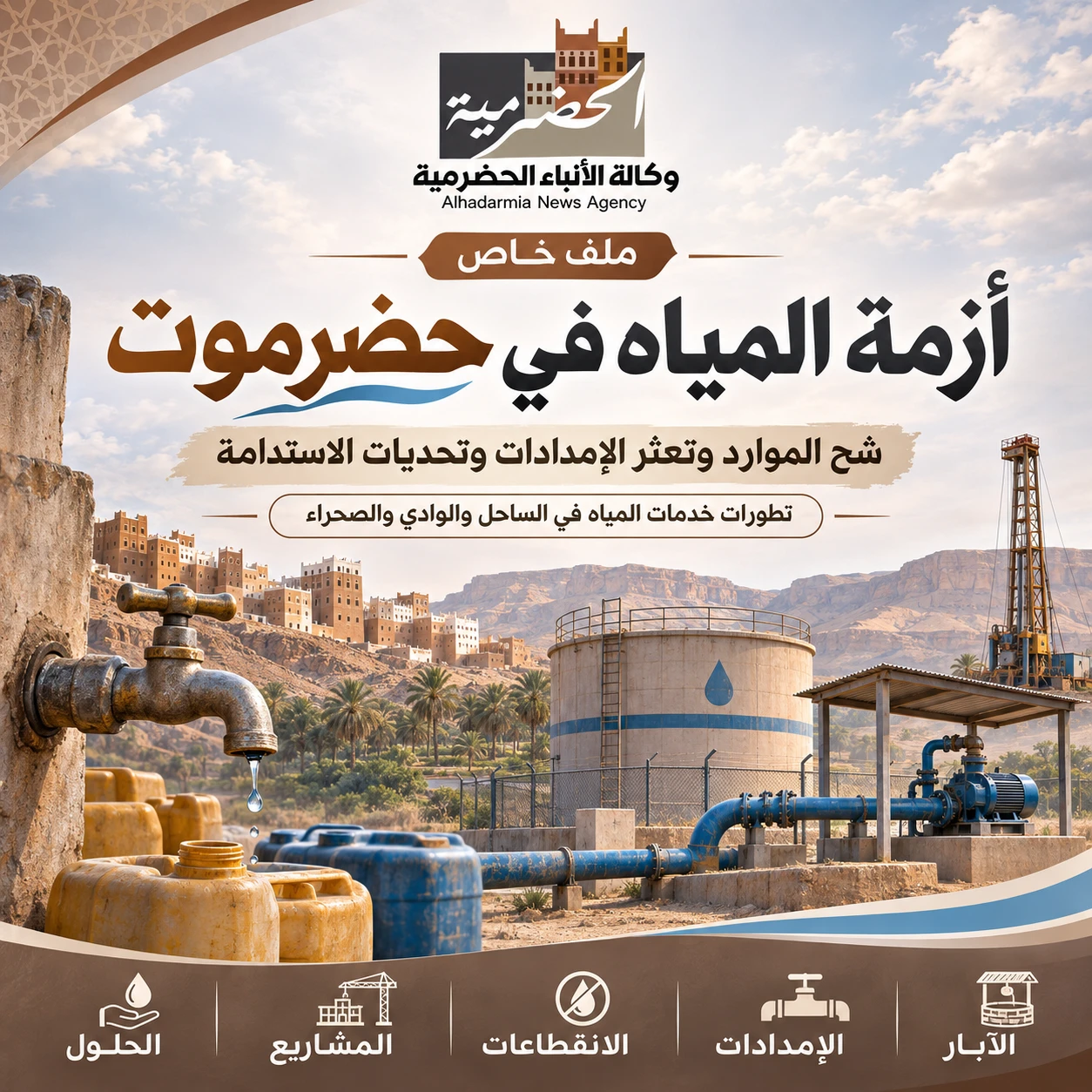
Water Crisis in Hadramout: Scarce Resources, Disrupted Supplies and Sustainability Challenges

This file examines the state of water services in Hadramout Governorate and the challenges associated with weak supplies, outages and water-resource shortages, as well as faults in wells and networks and improvement and expansion projects. It documents the major events, decisions and measures that have affected residents’ access to drinking water in the districts of the coast, valley and desert.

6 events 2023–2024 Last updated 8 hours ago
File

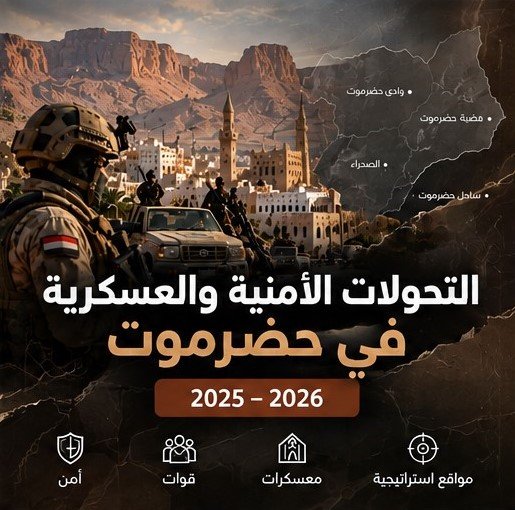
Security and Military Shifts in Hadramout (2025–2026)

A documentary file tracking the most significant security and military shifts witnessed in Hadramout Governorate from late 2025 through 2026, including field movements, changes in control and deployment positions, developments related to camps and strategic facilities, and military and security decisions. It documents pivotal events and their repercussions in chronological order and on the basis of reliable sources.

26 events 2025–2026 Last updated 9 hours ago

Events in Sayun

Targeting Verified

ISIS Spokesperson Killed in Joint Security Operation in Seiyun

Yemeni authorities announced on Tuesday, September 1, 2026, that ISIS spokesperson, known as “Abu Hudhayfah al-Ansari,” was killed during a special security operation carried out at dawn inside a residential house in the city of Seiyun, Hadramout Governorate. The operation was conducted by the Coalition to Support Legitimacy’s Joint Special Forces, with the participation of Yemen’s counterterrorism force, “Force 22,” following intelligence coordination and prior surveillance. The Central State Security Agency confirmed that eight civilians were evacuated from the site without injury, and that an explosive belt and electronic devices were seized, in one of the most prominent counterterrorism operations Hadramout has witnessed in 2026.

Sayun
Protest Verified

Seiyun Sees Wide-Ranging Security Escalation During Pro-Transitional Council Demonstration; Dozens of Participants Arrested

The city of Seiyun witnessed widespread security tensions on Saturday, June 20, 2026, during a demonstration organized by supporters of the Southern Transitional Council under the slogan “Rejecting Guardianship and Opposing Occupation,” amid a military deployment, the closure of main roads, and the prevention of delegations arriving from Wadi Hadramout districts from reaching Seiyun Palace Square. Field reports said gunfire was used to disperse protesters and dozens of participants were arrested, in a new escalation that revealed continuing political and security disagreements in the governorate following developments early in the year.

Sayun
Project Verified

A 100-Megawatt Project Opens a New Path to Address the Electricity Crisis in Wadi Hadramout

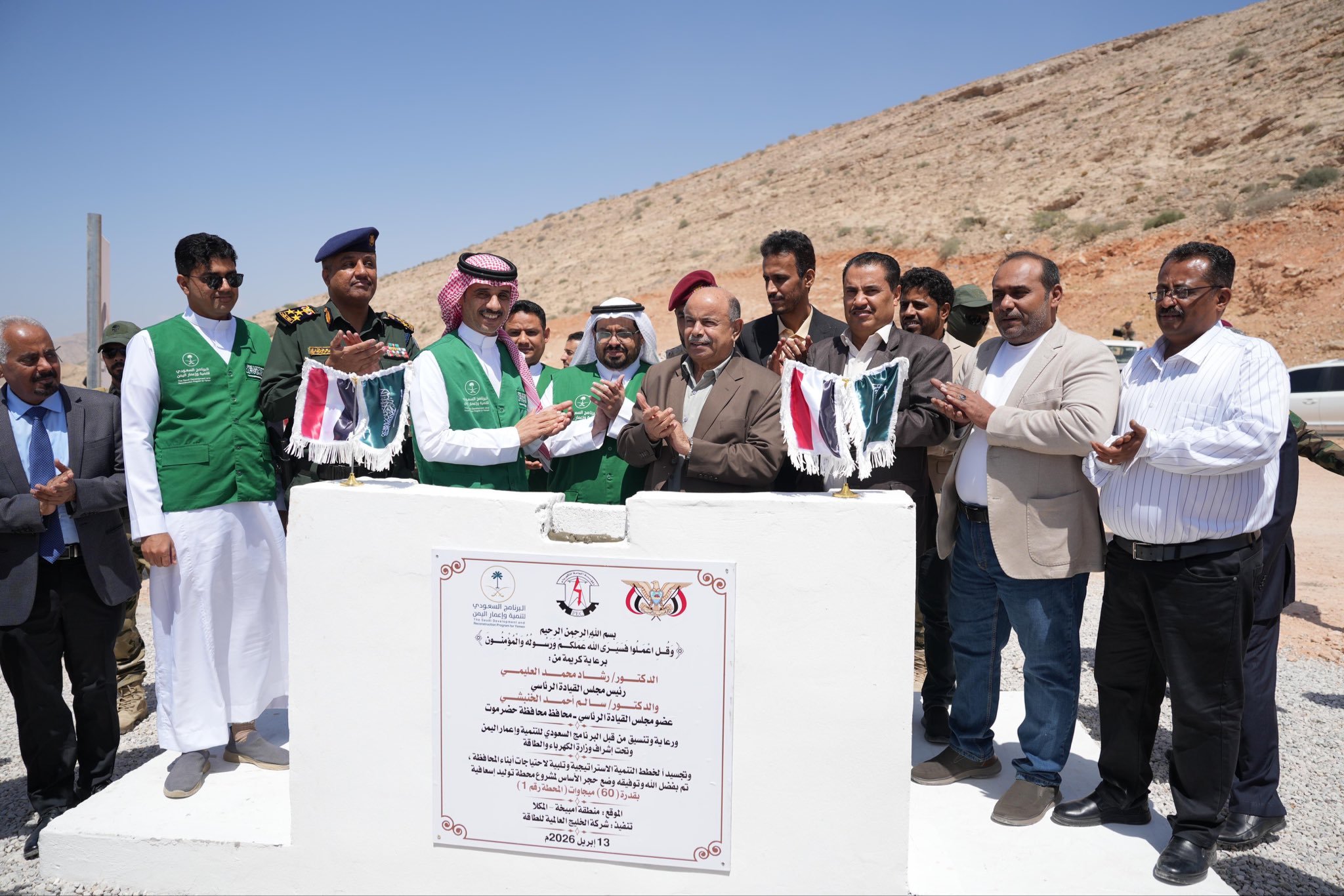
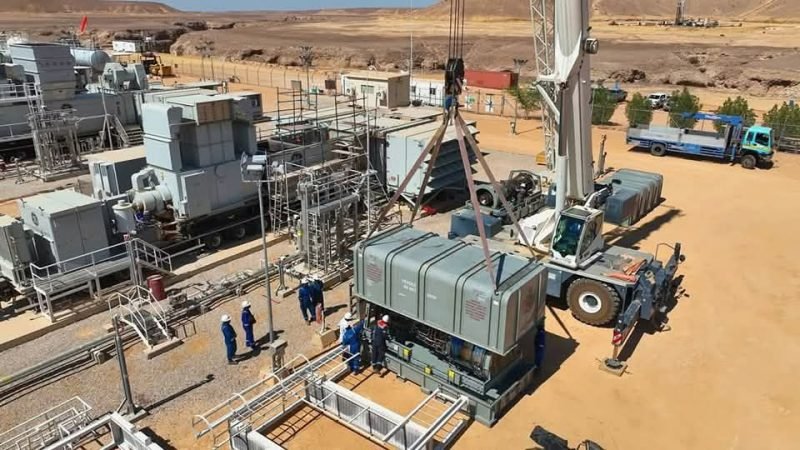
The city of Seiyun witnessed on Wednesday, April 15, 2026, the laying of the foundation stone for a project to build two emergency electricity generation plants with a combined capacity of 100 megawatts, split between Al-Ghurf in Tarim District, with a capacity of 60 megawatts, and Badrah in Wadi Al Ayn and Hawrah District, with a capacity of 40 megawatts. The project is funded by Saudi Arabia and aims to reduce the electricity deficit and improve service stability in the districts of the valley and desert.

Sayun 2 photos
Protest Verified

Seiyun Protests Escalate into Clashes and Gunfire Outside Airport Following Calls in Support of the STC

Seiyun witnessed a new security escalation on Friday, February 6, 2026, after a large demonstration in support of the Southern Transitional Council (STC) was held to protest the council’s dissolution and the military developments in Hadramout in early January. The protests spread to the vicinity of Seiyun International Airport, where gunfire broke out and the Nation’s Shield Forces intervened. This was followed by the detention of a number of participants, reigniting tensions in Wadi Hadramout after weeks had passed since government forces regained control of it.

Sayun
Crisis Verified

Diesel Shortage Cripples Generation Capacity and Increases Power Outages in Wadi Hadramout

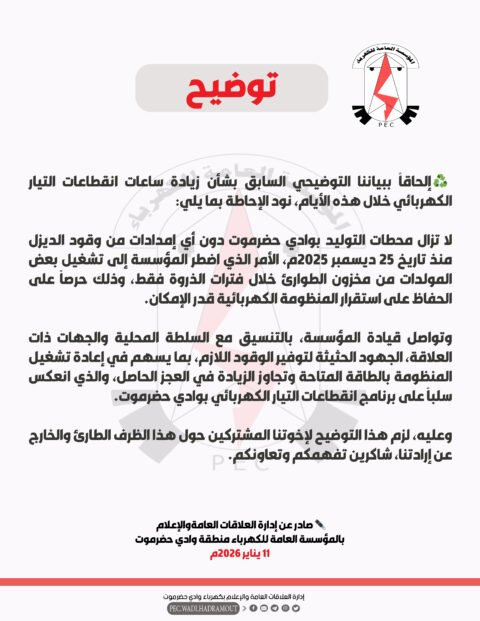
Wadi Hadramout’s electricity system entered 2026 under mounting operational pressure after the Public Electricity Corporation revealed that diesel supplies to power stations had been cut off since December 25, 2025. The corporation was forced to rely on emergency stocks during peak hours, leading to a higher electricity deficit and more outages across the valley.

Sayun
Control Verified

Homeland Shield Forces Regain Control of Seiyun and Its International Airport, Ending STC Forces’ Deployment in Wadi Hadramout

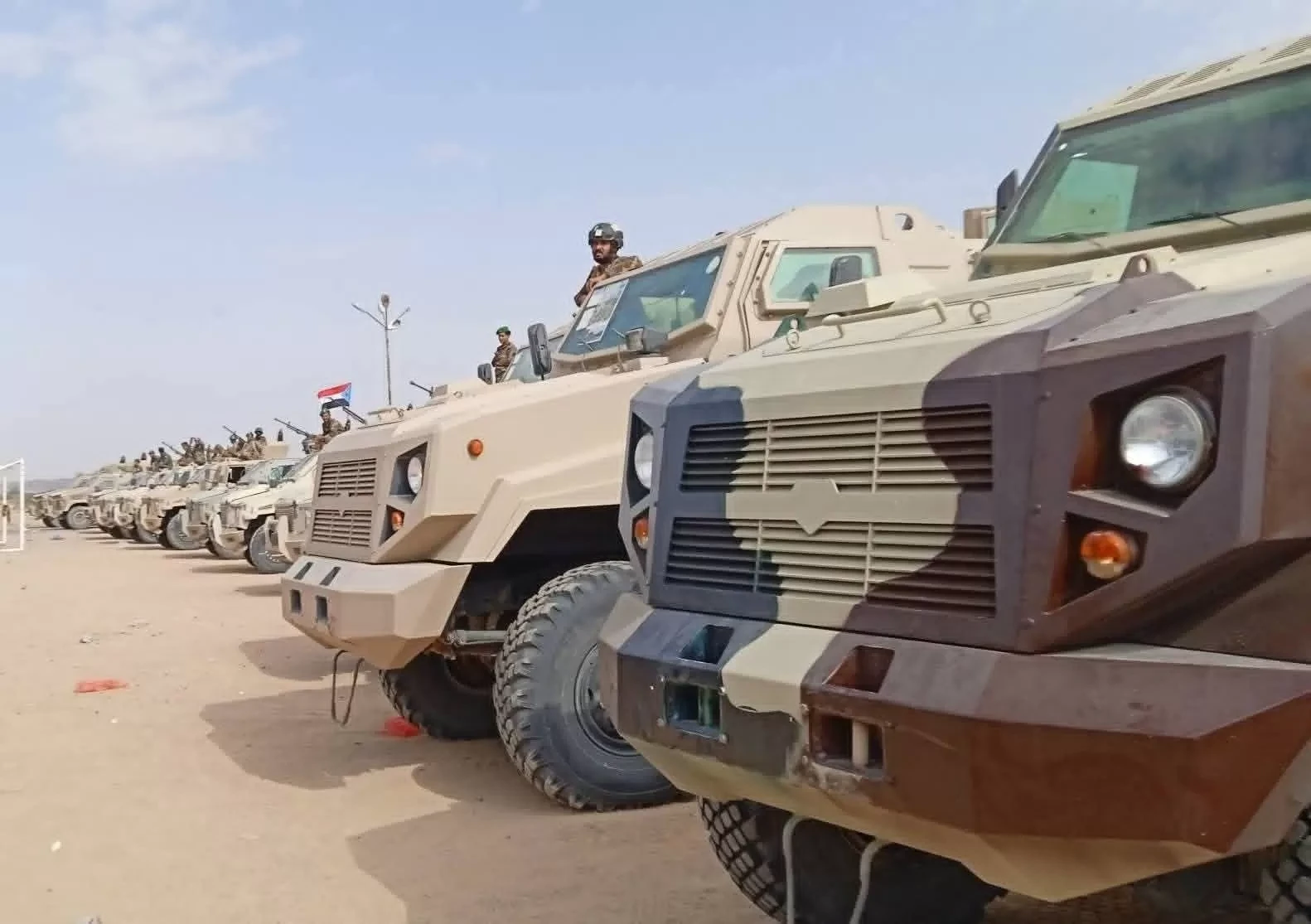
Seiyun witnessed a decisive military shift on Saturday, January 3, 2026, after Homeland Shield forces entered the city and regained control of Seiyun International Airport and key military and government sites, following the withdrawal of forces affiliated with the Southern Transitional Council. The local authority announced the completion of security operations at camps in Wadi and Desert Hadramout, in a development that ended the STC’s military control over the valley’s most prominent sites and paved the way for operations to move toward the governorate’s coast.

Sayun
Move Verified

Fall of First Military Region positions in Seiyun and shift in military control in Wadi Hadramout

Wadi Hadramout witnessed a sweeping military shift on December 2 and 3, 2025, as forces affiliated with the Southern Transitional Council advanced toward Seiyun as part of an operation they called “Promising Future.” The moves resulted in the takeover of headquarters and strategic positions, including the First Military Region Command, Seiyun Airport and government institutions, following limited clashes and the withdrawal of government forces from their positions.

Sayun
Crisis Verified

Badrah Plant Generators Halt, Triggering New Electricity Crisis in Wadi Hadramout Amid Financial Disputes

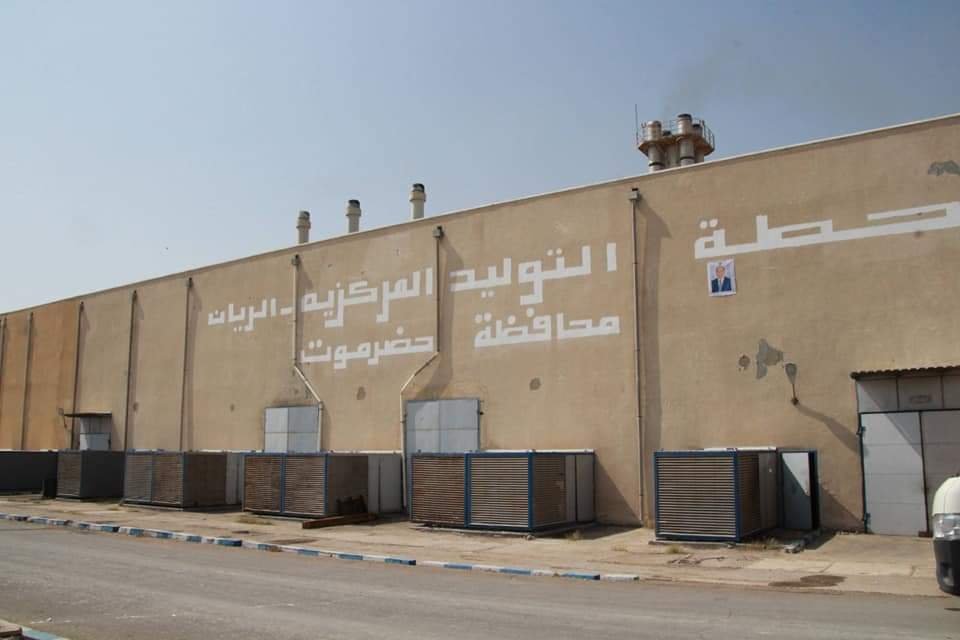
The electricity crisis in Wadi Hadramout worsened after Al Amanah Company suspended operation of the 10-megawatt purchased-power generators at Badrah Plant, amid disputes over financial dues and government contracts. The shutdown increased the generation shortfall and widened power cuts, particularly in the western districts of the valley, before a preliminary agreement was reached to resume operations.

Sayun

People from Sayun

Contact Alhadarmia News Agency

Do you have news, a photo or information from your area? Message us directly at 775925520

Contact us on WhatsApp