Exchange rates US Dollar Buy 1,564 Sell 1,577 Saudi Riyal Buy 412 Sell 413 Last updated: Currency converter

District in The Valley and Desert · Hadramout Governorate

Tarim

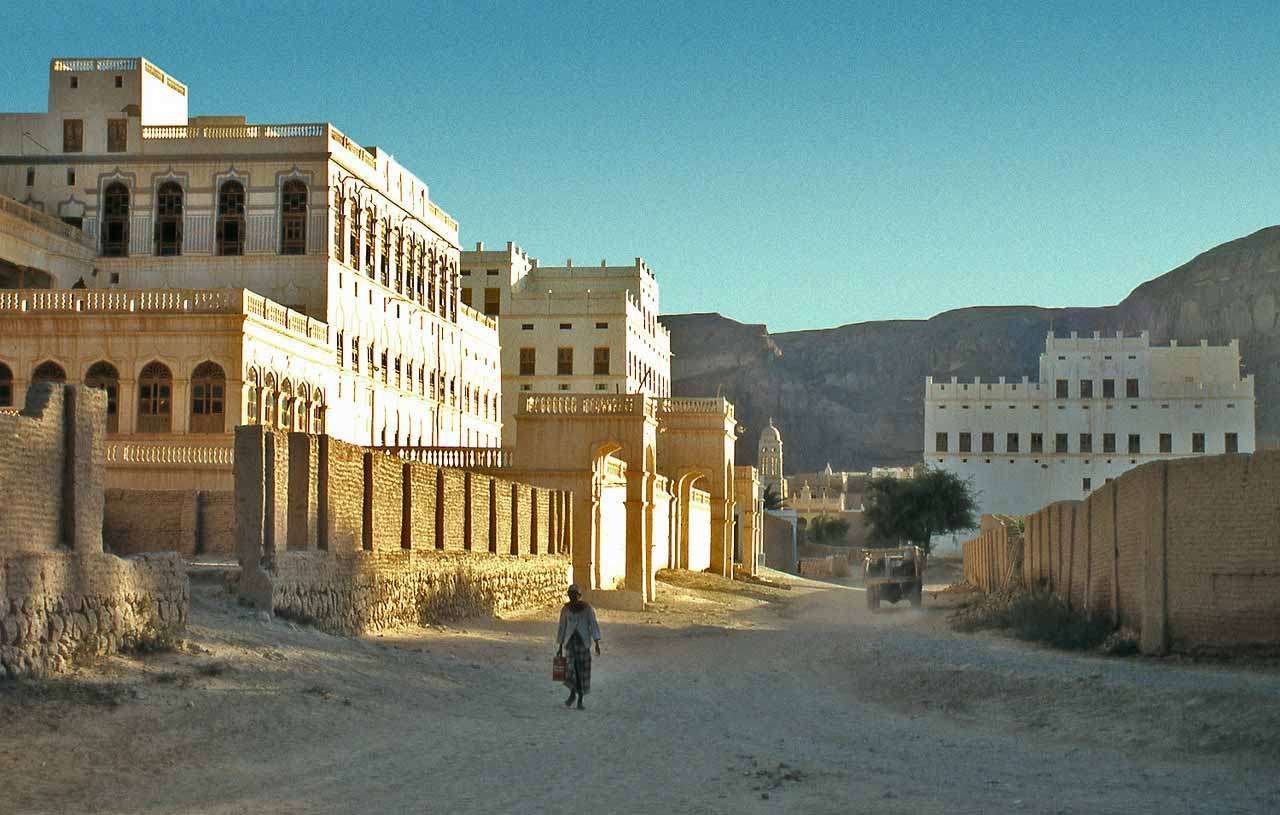
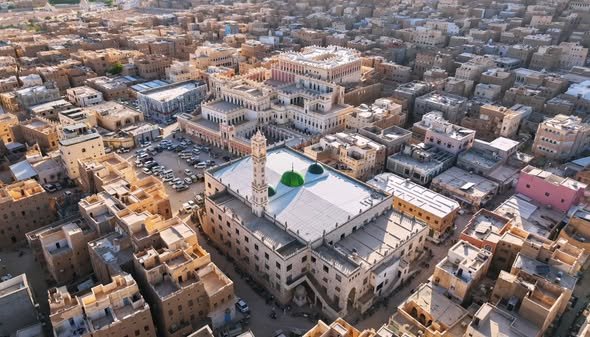
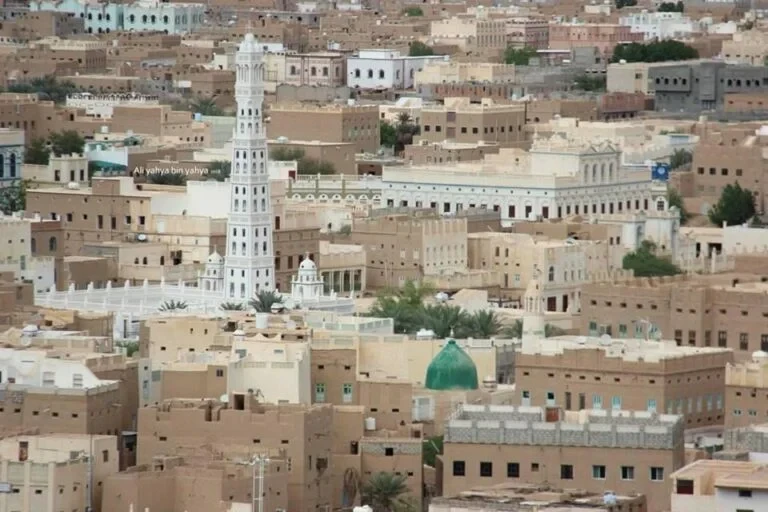
Tarim District is one of the most prominent historic and cultural districts in Hadramout Governorate. It is located in the eastern part of Wadi Hadramout, with Tarim City as its administrative center. The city is one of the most important centers of learning and religion in the southern Arabian Peninsula. For centuries, its name has been associated with scholars, schools, mosques and libraries, as well as the role played by Hadramis in spreading Islamic knowledge and culture beyond Yemen. Tarim is distinguished by its unique mud-brick architecture and historic palaces in a variety of architectural styles, foremost among them the Al-Kaf palaces, as well as Al-Mihdhar Mosque and its renowned minaret. This blend of scholarly and architectural heritage has given it a distinctive place among the historic cities of Hadramout

Approximate area
3,011 km²
Population
Estimated at approximately 100,617 thousand people in 2004.

Known for

Tarim is renowned by the title “City of Knowledge and Scholars,” a title reflecting its historic presence in religious education and Islamic culture. It is also known for its many mosques and minarets, foremost among them Al-Mihdhar Mosque, and for its mud-brick palaces, which are unique examples of the interaction between Hadrami architecture and external architectural influences. It is also known for the Al-Ahqaf Manuscripts Library, Tarim’s religious school, its scholarly institutions, and the role played by its people in spreading Islamic culture in Southeast Asia and East Africa. Other notable features include its date palm plantations and dates, and its traditional architectural crafts.

Location

Tarim District is located in eastern Wadi Hadramout, east of Seiyun, and is about 35 kilometers away, according to the distance table published by the Office of the Ministry of Interior and Security in Wadi Hadramout.

History

Tarim City has a long history stretching back to pre-Islamic times and is considered one of the oldest known settlements in Wadi Hadramout. Historical studies indicate that its name appears in the form “T R M” in ancient Yemeni inscriptions, supporting its association with early stages of human settlement in the region.

Several historical accounts have emerged regarding the founding and naming of Tarim, including accounts linking its name to figures and kings from ancient Yemeni history. However, establishing the city’s founding date conclusively requires more detailed archaeological evidence.

Tarim in the Early Islamic Period

Hadramout saw the arrival of Islam in the first century AH, and Tarim was among the cities affected by the religious, political and social changes that accompanied the spread of Islam in the southern Arabian Peninsula.

Local historical accounts mention the participation of Tarim’s residents in events of the early Islamic period. Some sites and ancient cemeteries around the city are also associated with the memory of that era.

Over the centuries, the city increasingly took on a scholarly and religious role, and study circles and mosques emerged there, helping establish its standing as a center of learning.

The Flourishing of Scholarly Activity

Tarim saw significant development in scholarly activity during the later Islamic centuries, particularly with the emergence of several scholarly families, religious schools and gatherings of scholars.

The city became a destination for students of Islamic jurisprudence and the Arabic language, and scholarly traditions developed there based on direct instruction, memorization of texts, study of works and circulation of manuscripts.

Tarim’s scholars helped spread Islamic sciences in various parts of the world, especially Southeast Asia, East Africa and India, through scholarly journeys, migration, trade and social ties.

Tarim and Hadrami Migration

During the nineteenth and twentieth centuries, Hadrami migration helped bring about major economic and urban changes in the city.

A number of Hadrami merchants achieved economic success in India, Singapore, Indonesia and other regions, and some later invested their wealth in building palaces, houses and public facilities in Tarim.

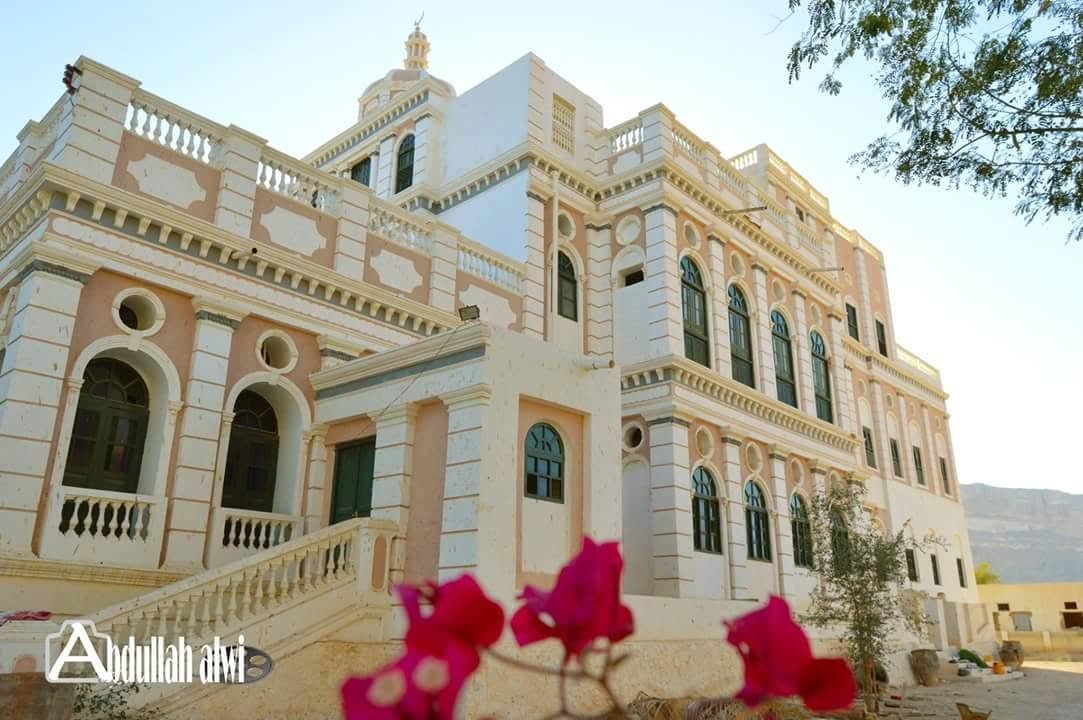
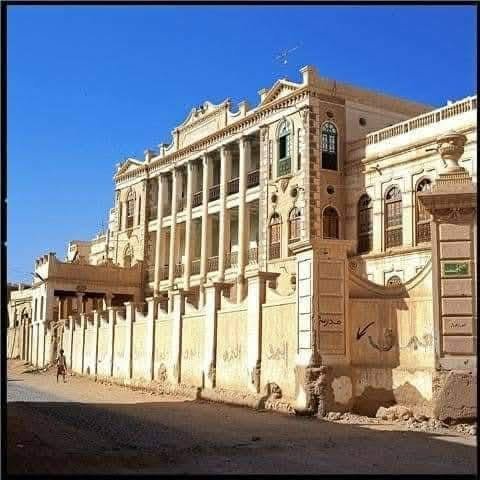
During the period extending approximately from 1870 to 1930, the city saw the construction of a large group of palaces, numbering around thirty according to the Yemen Tourism Promotion Board. These buildings featured Asian and European architectural influences, executed using Hadrami mud-brick construction techniques.

Tarim in the Modern Era

During the twentieth century, Tarim retained its religious and cultural presence, and its educational institutions and libraries continued to play important roles, alongside the city’s urban expansion and the development of its commercial and service activities.

In 2010, Tarim was selected as the Arab region’s Capital of Islamic Culture, a cultural milestone that brought its scholarly and architectural heritage to regional attention.

Today, the city continues to maintain its standing as a center of learning and culture, despite challenges related to protecting historic buildings and manuscripts and developing infrastructure and services.

The district today

Culture

Tarim District is distinguished by a cultural identity that brings together Islamic sciences, traditional architecture, folk arts and Hadrami social customs.

Scholarly heritage is the city’s most prominent distinguishing feature. Historically, it has been associated with libraries, manuscripts, religious schools and mosques that hosted teaching, research and writing circles.

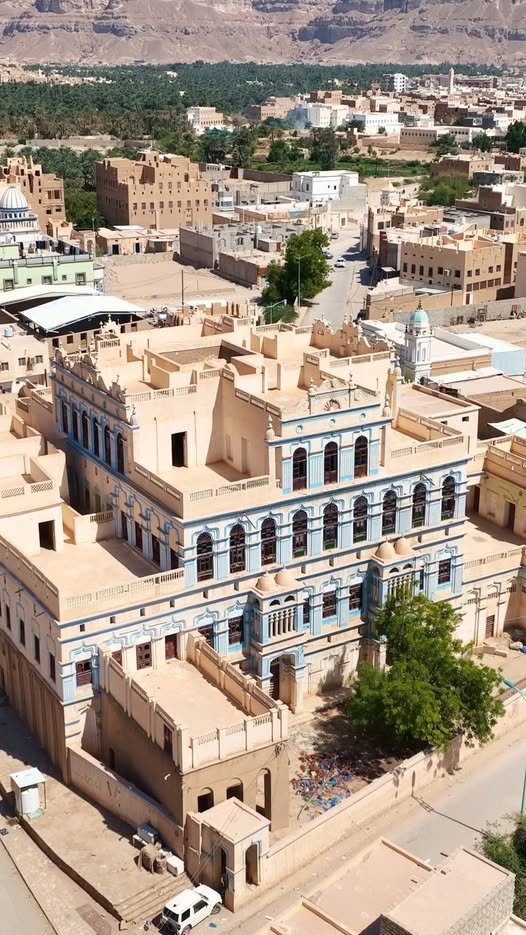
Its architectural heritage is represented by palaces, houses and mosques built of mud, distinguished by plaster decorations, wooden doors, arches and traditional windows. Some of Tarim’s palaces have acquired a distinctive artistic character through the blending of Hadrami construction with Indian, Asian and European architectural influences.

The city also preserves traditions of chanting, poetry and folk songs, alongside customs associated with weddings and religious and social occasions.

Tarim is also distinguished by its heritage of lime-making, decorative work and mud-brick construction, crafts associated with building and maintaining its historic structures.

People and society

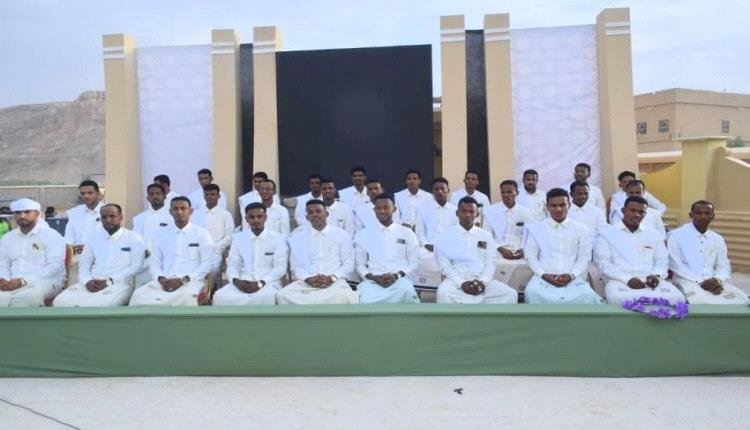
Tarim’s community is characterized by strong family ties, social solidarity and the preservation of Hadrami customs and traditions, alongside the prominent presence of scholarly, educational and community institutions in public life.

Population centers are spread across the old and new neighborhoods of Tarim City and the villages and areas within the district. Residents’ activities range across trade, agriculture, education, services, crafts and various occupations.

Religious and social occasions are an important part of community life, while scholarly gatherings and cultural activities have a longstanding presence in the city.

Tarim is distinguished by social ties extending beyond Yemen as a result of Hadrami migration, which connected a number of its families and institutions with communities in Southeast Asia, East Africa and the Arabian Gulf.

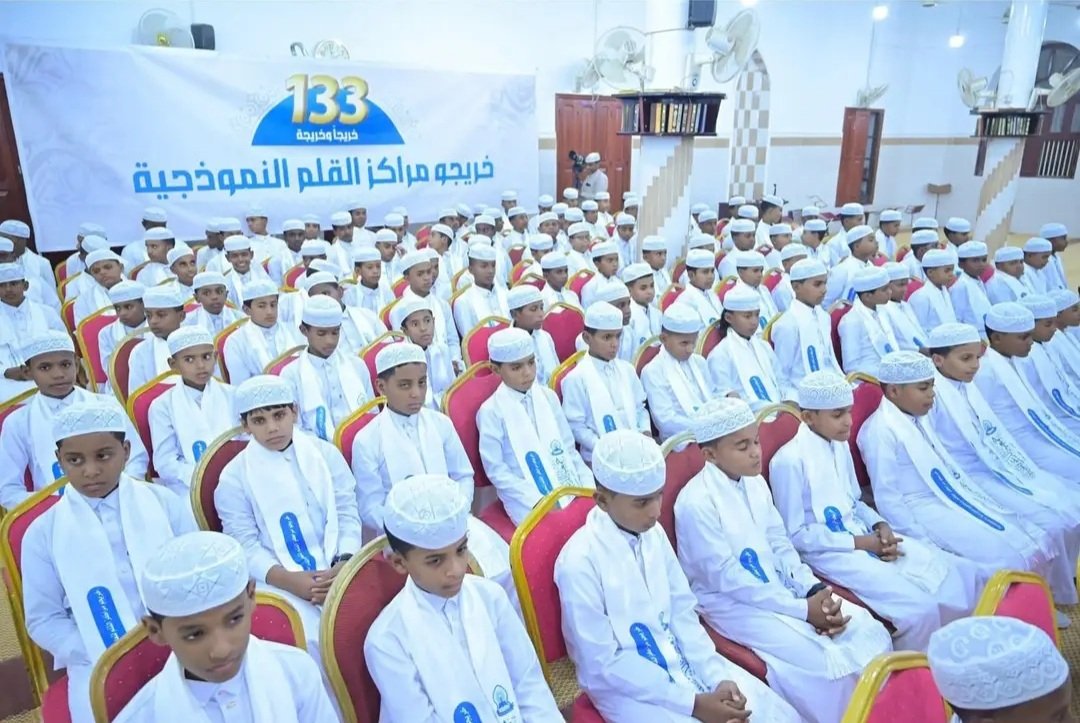
The district has also seen an expansion of educational and service institutions and youth activities, while the need to develop public facilities in line with population and urban growth continues.

The economy of Tarim District relies on trade, services, agriculture, education and traditional crafts, as well as construction, transport and economic activities associated with rural areas.

Tarim City is home to markets, shops, and educational and service institutions. The movement of students, learners and visitors helps boost the housing, transport and trade sectors.

Date palm cultivation and date production form part of the valley’s traditional agricultural activity, alongside the cultivation of some seasonal crops and livestock raising in rural areas.

Crafts associated with mud-brick construction, decoration and the maintenance of historic buildings also form part of the city’s heritage economy.

Tarim has significant opportunities in cultural and historical tourism, thanks to its palaces, mosques, libraries and old neighborhoods. However, developing this sector depends on improving infrastructure, protecting historic sites and providing appropriate services for visitors.

Main landmarks

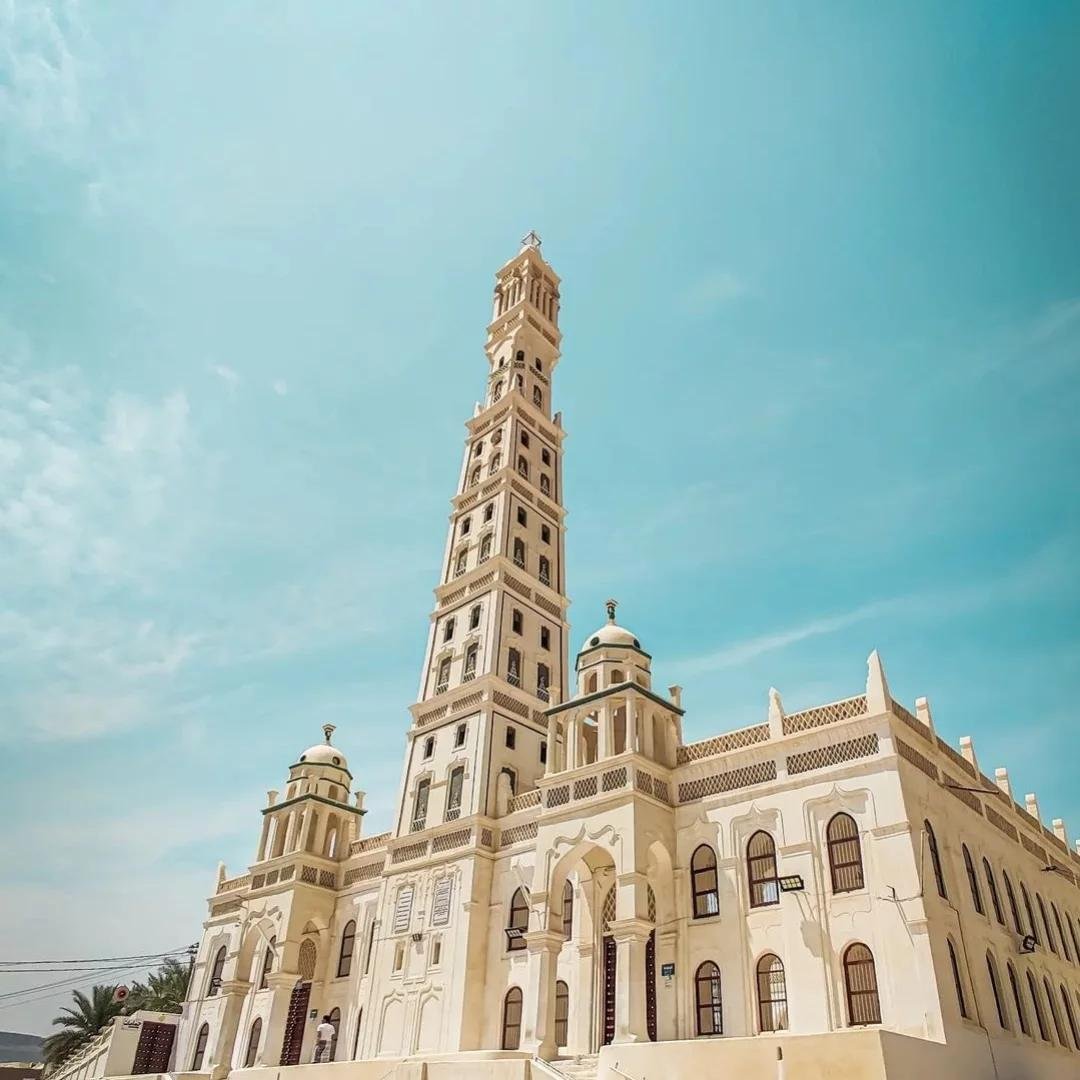
Al-Mihdhar Historic Mosque

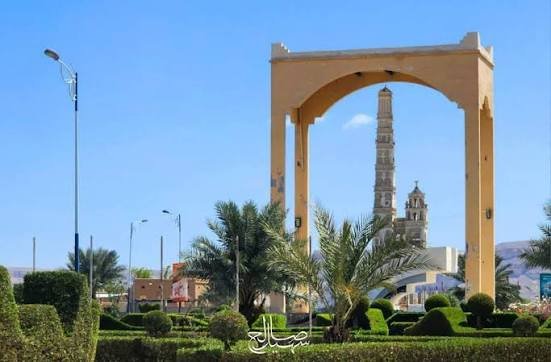
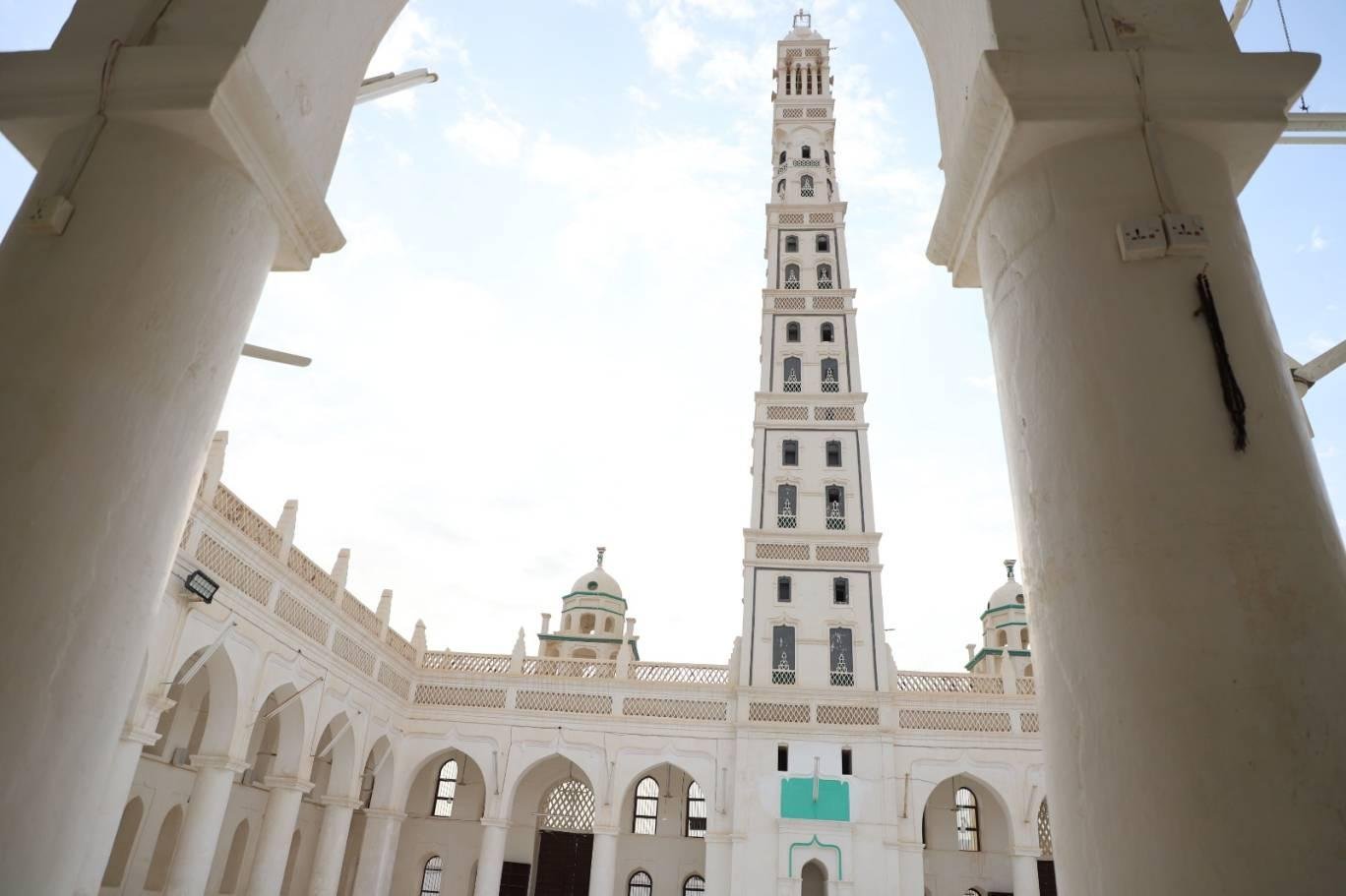
The historic Al-Mihdhar Mosque in the city of Tarim, Hadramout Governorate, is one of Yemen’s most prominent Islamic and architectural landmarks and a distinctive symbol of Hadrami mud-brick building arts. It is renowned for its towering white minaret, which stands about 53 meters high and is considered one of the most famous mud-brick minarets in the world. The mosque’s origins date back to the ninth century AH, and its name is associated with the scholar Umar al-Mihdhar bin Abdul Rahman al-Saqqaf. It acquired its prominent architectural form during renovation work in the early twentieth century. The mosque embodies Tarim’s religious and scholarly standing, as well as the skill of Hadrami architects in constructing mud-brick buildings.
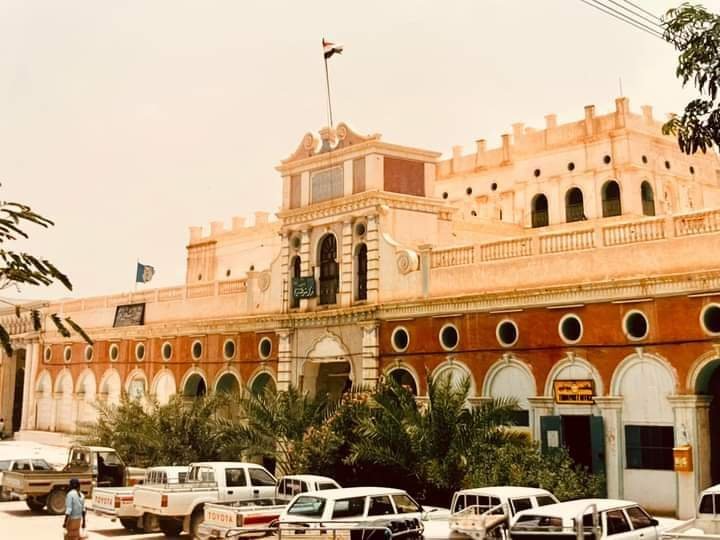
Historic Al-Rinad Palace

The historic Al-Rinad Palace, located in the center of Tarim in Hadramout Governorate, is one of the oldest forts and palaces associated with the city’s political and urban history. Historical accounts trace its origins to pre-Islamic times, while it underwent successive renovations during the eras of the states that ruled Tarim, most notably the Rashidi and Kathiri states. The palace is distinguished by its mud-brick buildings, traditional decorations and elevated location in the center of the old city. It served as a seat of government and administration at various points in history. Today, it stands as a testament to the development of Hadrami architecture and the changing patterns of authority and urban life in Wadi Hadramout.

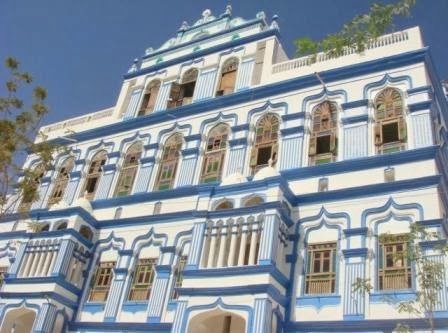
Ashah Historic Palace

The historic Ashah Palace, located in Al-Mahdar neighborhood in the city of Tarim, Hadramout Governorate, is considered one of the most prominent masterpieces of mud-brick architecture in Wadi Hadramout. The palace was built for Sayyid Omar bin Sheikh Al-Kaf during the first decades of the twentieth century. Its architectural design combines traditional Hadrami building styles with artistic influences from Southeast Asia. The palace is distinguished by its decorated facades, arches, colorful windows and interior details, which reflect the skill of local builders and the breadth of Hadramis’ commercial and cultural ties with the world. Today, the palace stands as a testament to an important period of urban prosperity in the city of Tarim.

Historic Qubba Palace

Historic Qubba Palace, also known as Al-Naeem Palace, is one of the most prominent architectural landmarks in the Eidid area of the city of Tarim, Hadramout Governorate. The palace was built for Sayyid Mohammed bin Hussein Al-Kaf during the 1930s as a retreat surrounded by orchards and farms. It is distinguished by its dome atop the roof, its ornate facades, arches and columns with Asian architectural influences, as well as its garden and water pool. The palace stands as a testament to the flourishing of Hadrami architecture and its influence from the commercial and cultural ties that connected Hadramout with different parts of the world.

Tarim news

No news about this district yet

People from Tarim

Contact Alhadarmia News Agency

Do you have news, a photo or information from your area? Message us directly at 775925520

Contact us on WhatsApp